

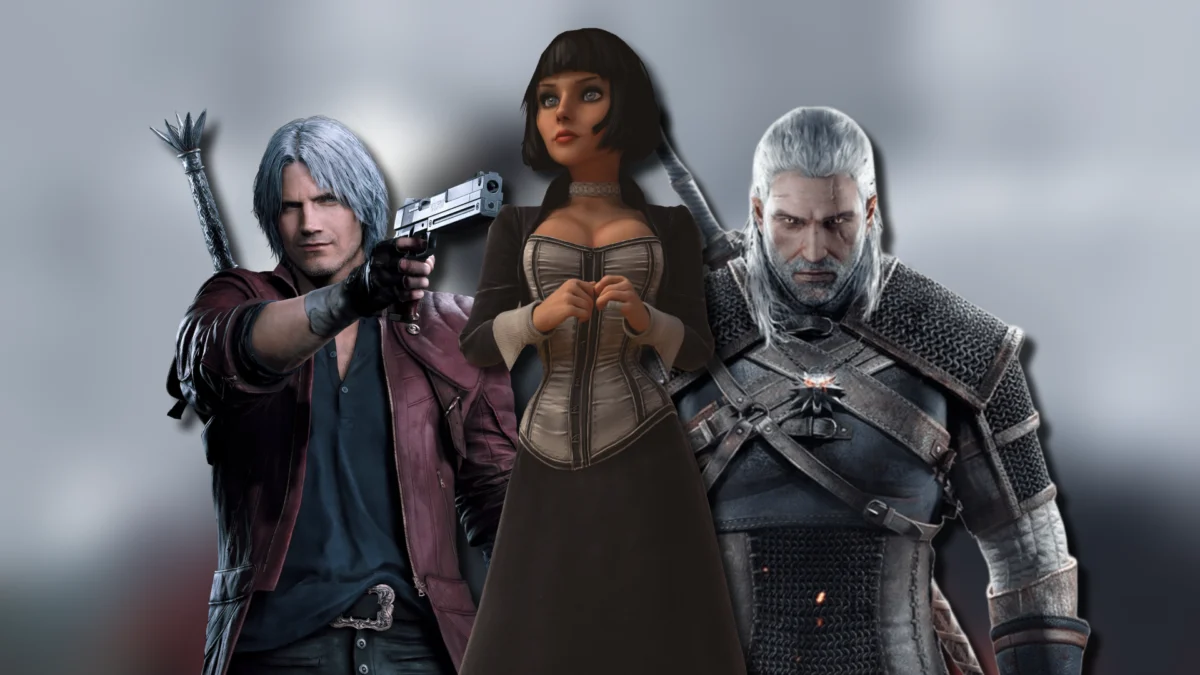
For those of us who grew up with a controller in our hands, video games are far more than mere software; they are repositories of our most formative memories. We all have those specific, crystalline moments—a boss encounter that tested the limits of our patience, a narrative puzzle that haunted our thoughts for weeks, or a sweeping orchestral score that seemed to rewire our brain chemistry.
However, beyond personal nostalgia, there exist those rare, pivotal junctures where a game transcends its medium. These are the moments that have become unanimously recognized cultural touchstones, marking the definitive conclusion of a generation or the final chapter of a beloved franchise. In the spirit of honoring the adventures that have shaped our collective gaming history, we take a trip down memory lane to examine ten video game moments that felt like the absolute end of an era.
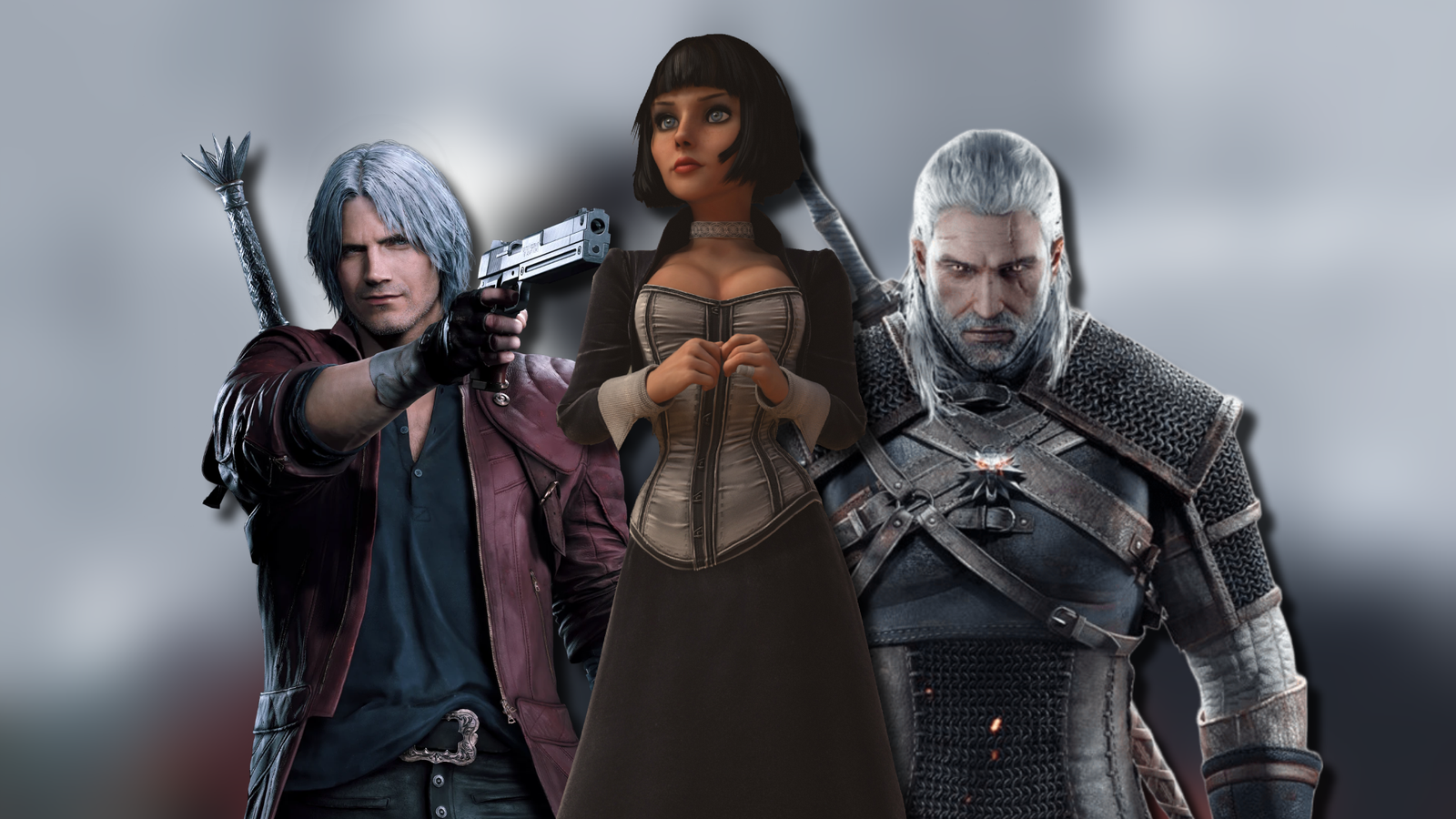
Warning: This article contains major spoilers for all games mentioned.
10. Metro Exodus: Artyom Achieves Freedom
The Metro trilogy has long been a beacon of atmospheric storytelling, managing to maintain a level of consistent, high-quality immersion that rarely breaks into the mainstream but holds a devout following. Metro Exodus serves as the final, masterful curtain call for Artyom’s grueling journey.
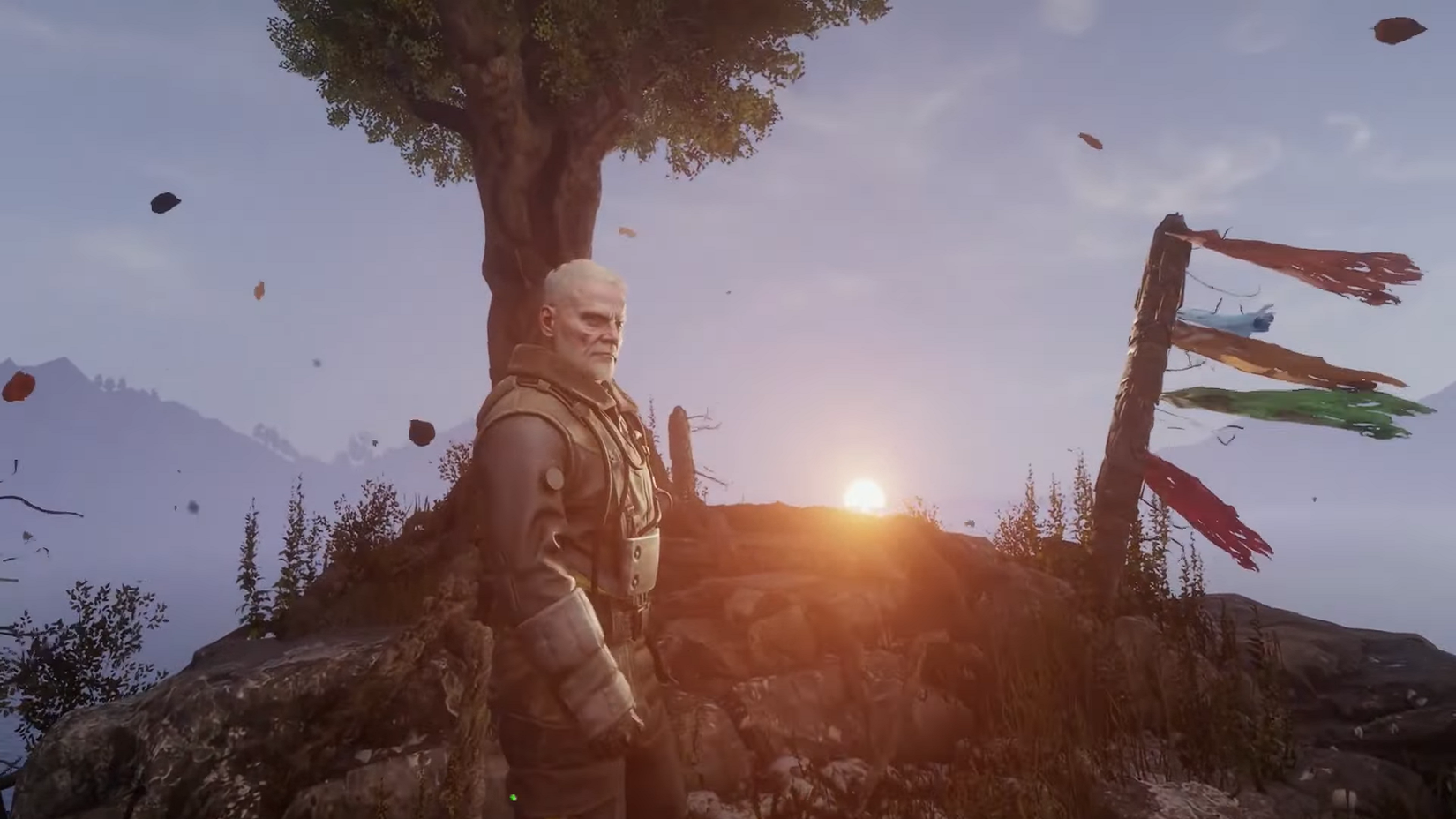
After a decade of accompanying our silent Ranger through the claustrophobic, irradiated tunnels of Moscow, we have shared in his losses and his relentless fight for survival. The emotional payoff of seeing him finally reach a place of peace, far from the reach of the radiation, is nothing short of sensational. The narrative arc of Metro Exodus functions as a long, slow farewell. The funeral of Miller, a character who stood by us since Metro 2033, serves as the poignant capstone to this heartbreak. It marks the transition of the Spartan Order into a new, hopeful future, signaling the end of the post-apocalyptic struggle that defined the series.
9. BioShock Infinite: "There’s Always a Lighthouse"
The BioShock franchise redefined the expectations for narrative-driven shooters in the seventh generation of consoles. While BioShock Infinite is often debated for its mechanical departures from its predecessors, its final sequence remains one of the most intellectually stimulating moments in the history of the medium.
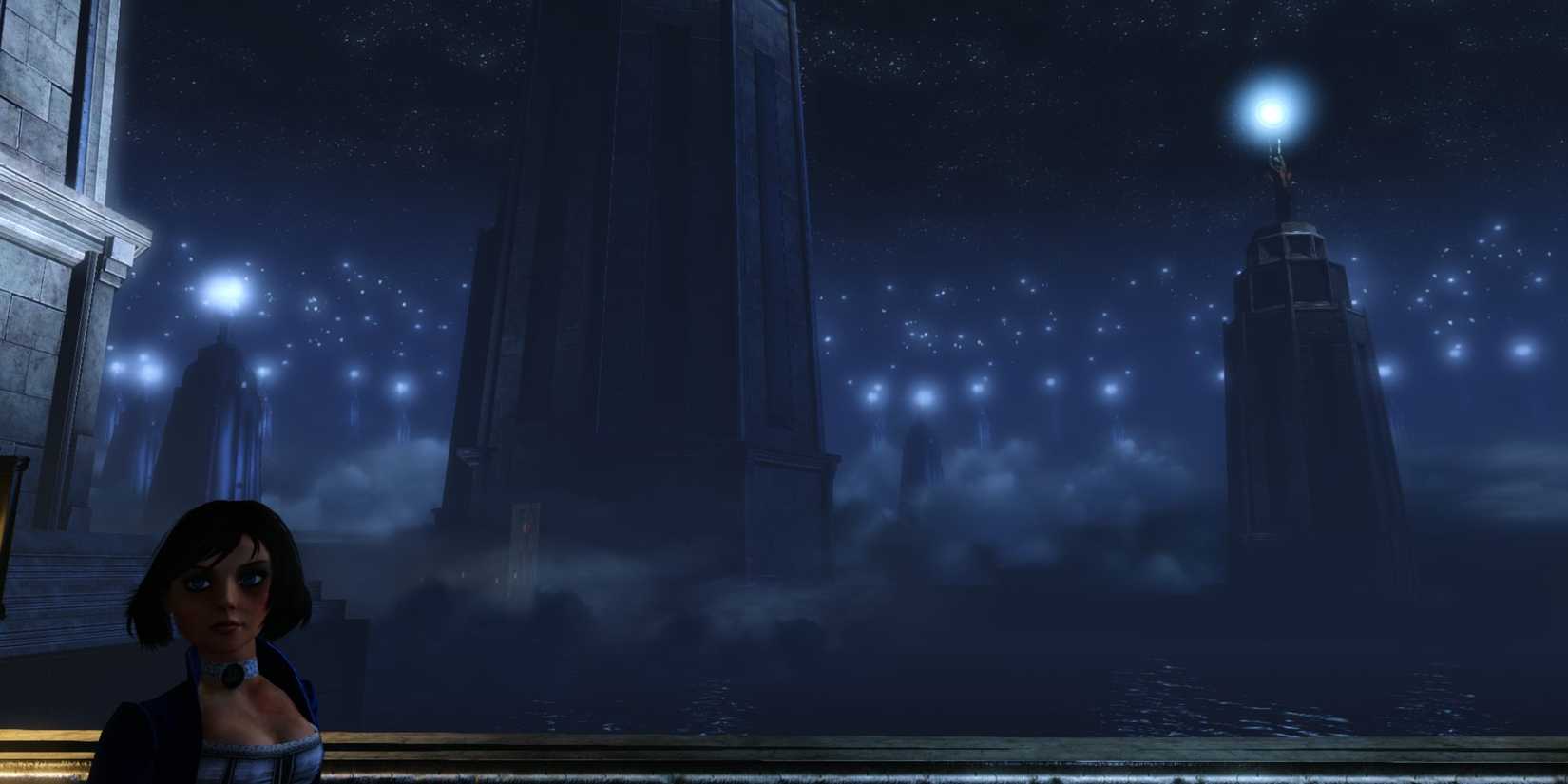
The revelation that the game’s universe is built upon an infinite number of timelines—summarized by the iconic mantra, "There’s always a lighthouse, there’s always a man, there’s always a city"—shattered our understanding of the series’ continuity. Realizing that the protagonist, Booker DeWitt, is inextricably linked to the history of Rapture and Columbia carries a profound, crushing weight. It was a moment that forced players to re-evaluate every choice they made, solidifying Infinite as a permanent fixture in the annals of gaming history.
8. Assassin’s Creed 3: The Death of Desmond Miles
Between 2007 and 2012, Ubisoft operated at a blistering pace, releasing five major Assassin’s Creed titles that defined an entire generation of open-world action. While Assassin’s Creed 3 often receives criticism for its pacing, it achieved something monumental: the conclusion of the Desmond Miles arc.
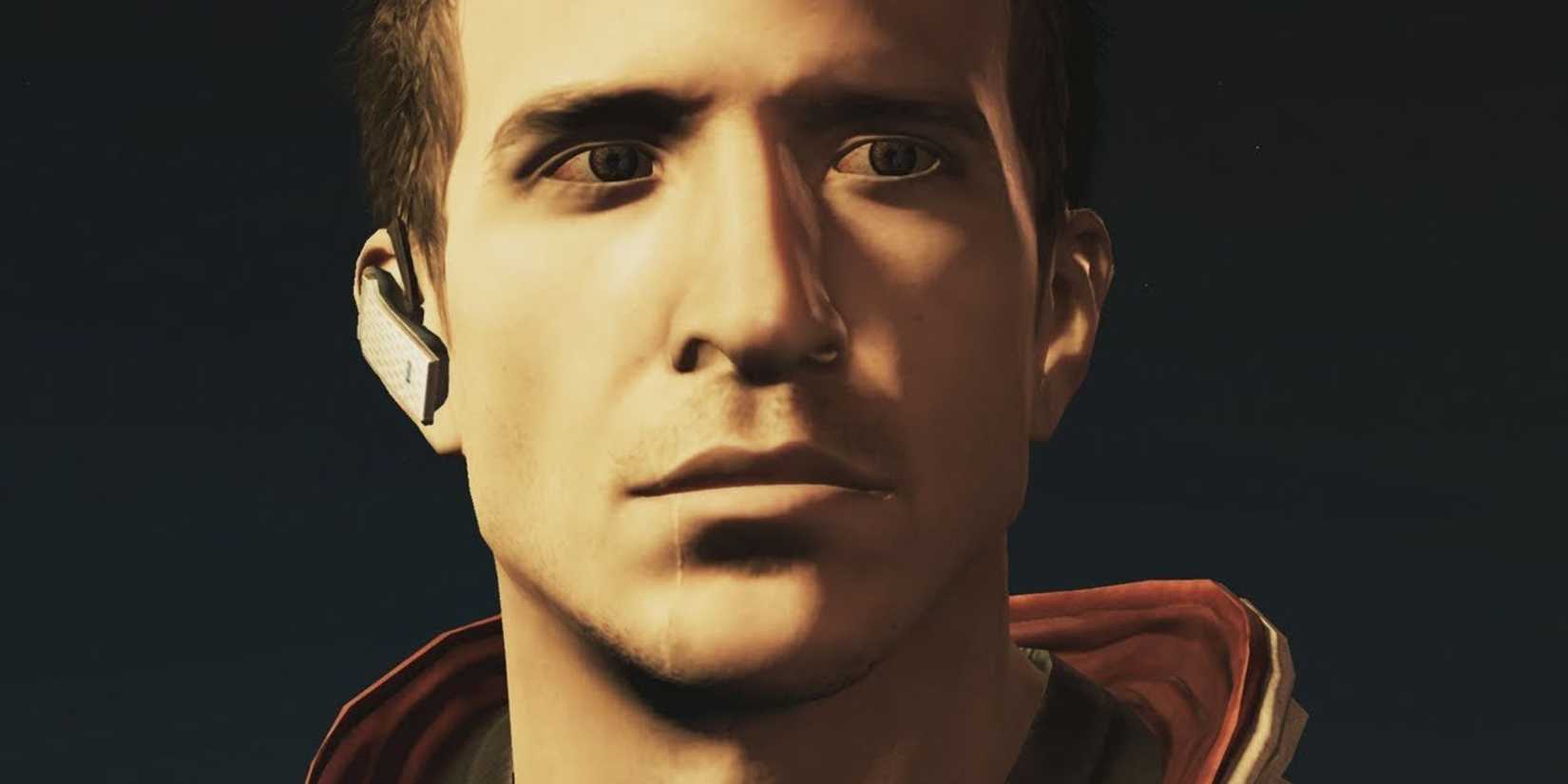
For five years, we watched Desmond evolve from a captive bartender into a master assassin. His death in the finale was a bold, polarizing choice that brought the modern-day narrative to a definitive—if controversial—halt. It marked the end of an era where Ubisoft’s flagship series felt like a cohesive, singular story rather than a loose collection of historical settings.
7. Red Dead Redemption 2: American Venom
Red Dead Redemption 2 did the impossible: it took a beloved, near-perfect game and, through its prequel narrative, elevated its predecessor to an even higher status. The epilogue serves as the connective tissue between the two games, focusing on John Marston’s desperate attempt to build a life for his family.
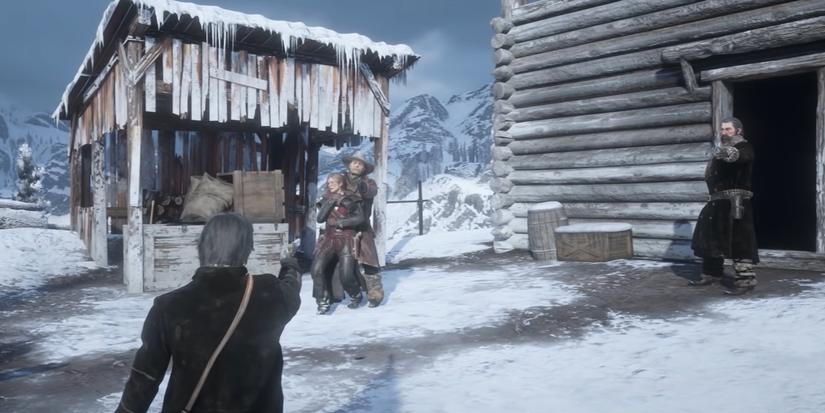
"American Venom" is the violent, cathartic climax where Marston finally confronts the cycle of violence that has plagued his life. Seeing Marston, a man who has always been at the mercy of others, finally take control of his destiny—only to realize that his past is a shadow he cannot outrun—is a masterclass in tragic storytelling. It is the definitive statement on the death of the American West.
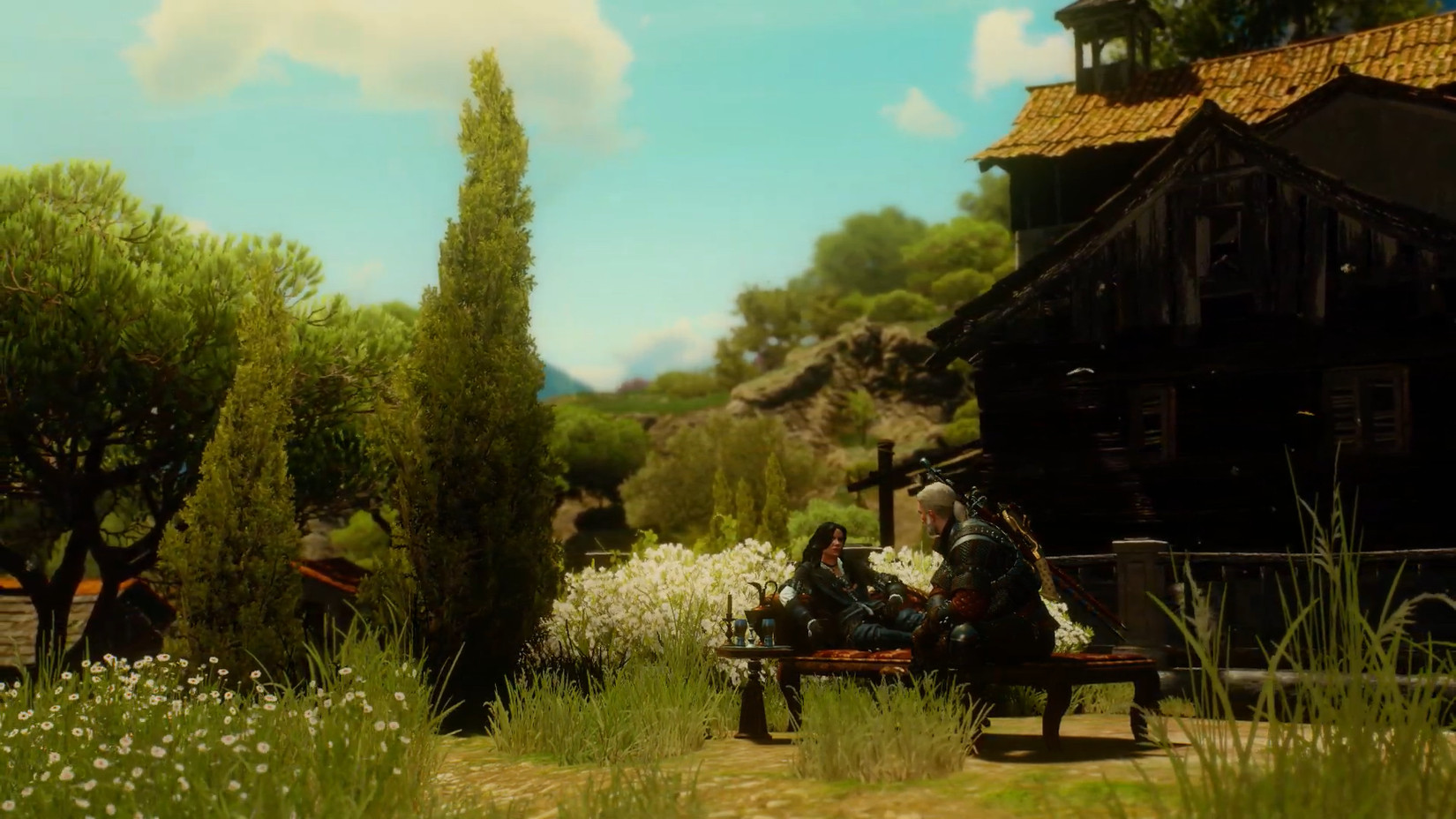
6. The Witcher 3: Blood and Wine – Geralt Retires
Few characters have been as thoroughly inhabited by players as Geralt of Rivia. By the time the Blood and Wine expansion for The Witcher 3 concluded, many players felt as though they were saying goodbye to a brother.
The game’s final moment—a quiet, intimate scene where Geralt settles into his vineyard at Corvo Bianco, finally unburdened by the weight of monsters, kings, or impending apocalypses—is perhaps the most earned ending in RPG history. It is a rare example of "the magic of normality." After hundreds of hours of saving the world, Geralt’s retirement wasn’t just a mission completion; it was a peaceful resolution for a weary hero.
5. Uncharted 4: A Thief’s End – Nathan Drake Settles Down
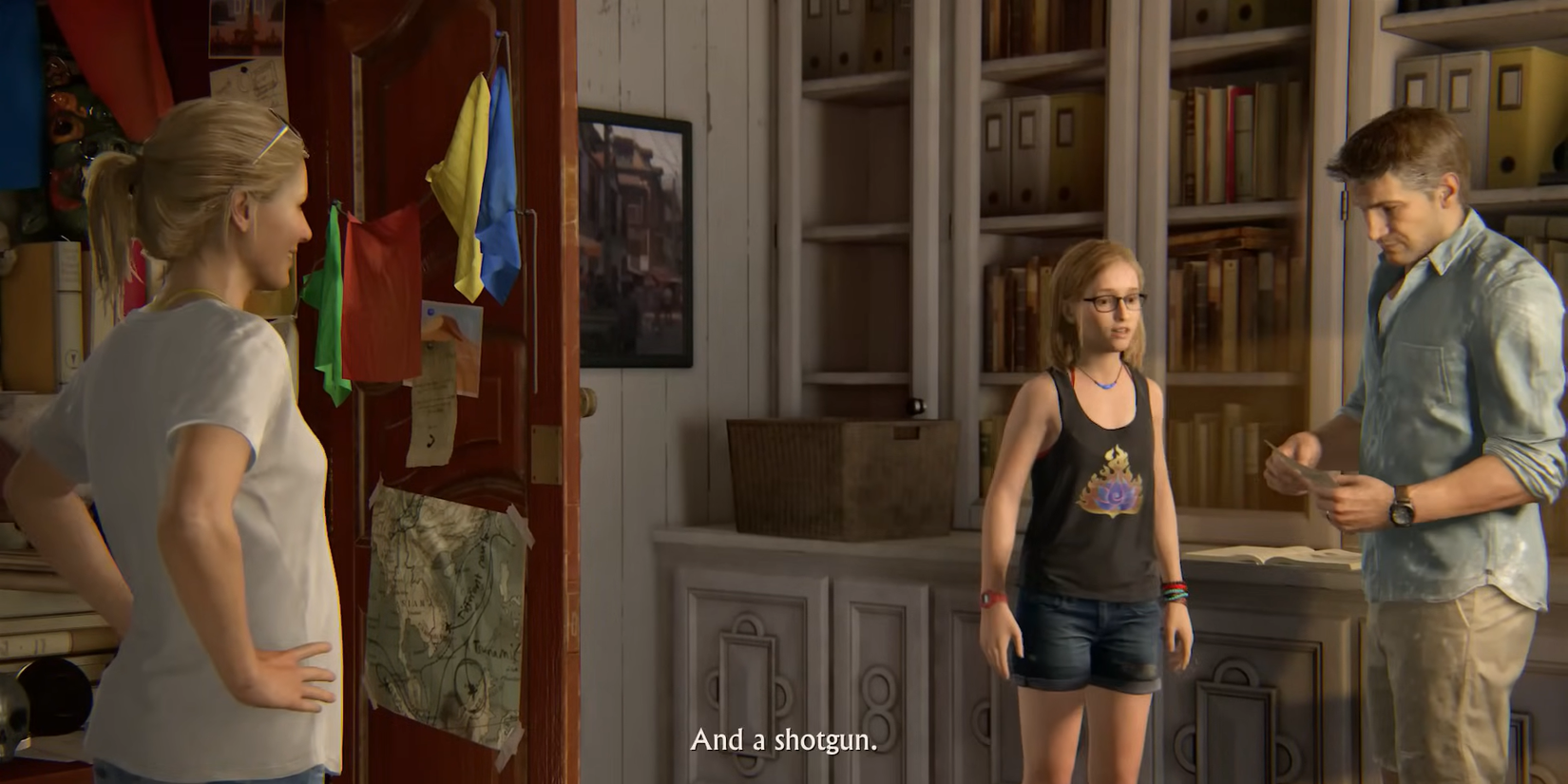
For two generations, Nathan Drake was the face of the PlayStation brand. Uncharted 4: A Thief’s End was not just another adventure; it was a thematic investigation into the cost of an adventurous life.
Naughty Dog crafted a finale that prioritized emotional resolution over bombast. The epilogue, which fast-forwards to show Drake and Elena living a quiet, domestic life with their daughter, serves as a loving, heartfelt farewell to the protagonist. It was a rare, mature conclusion that respected the player’s ten-year journey alongside the character, leaving the series in a place of genuine satisfaction.
4. Devil May Cry 5: The Sparda Brothers Reunited
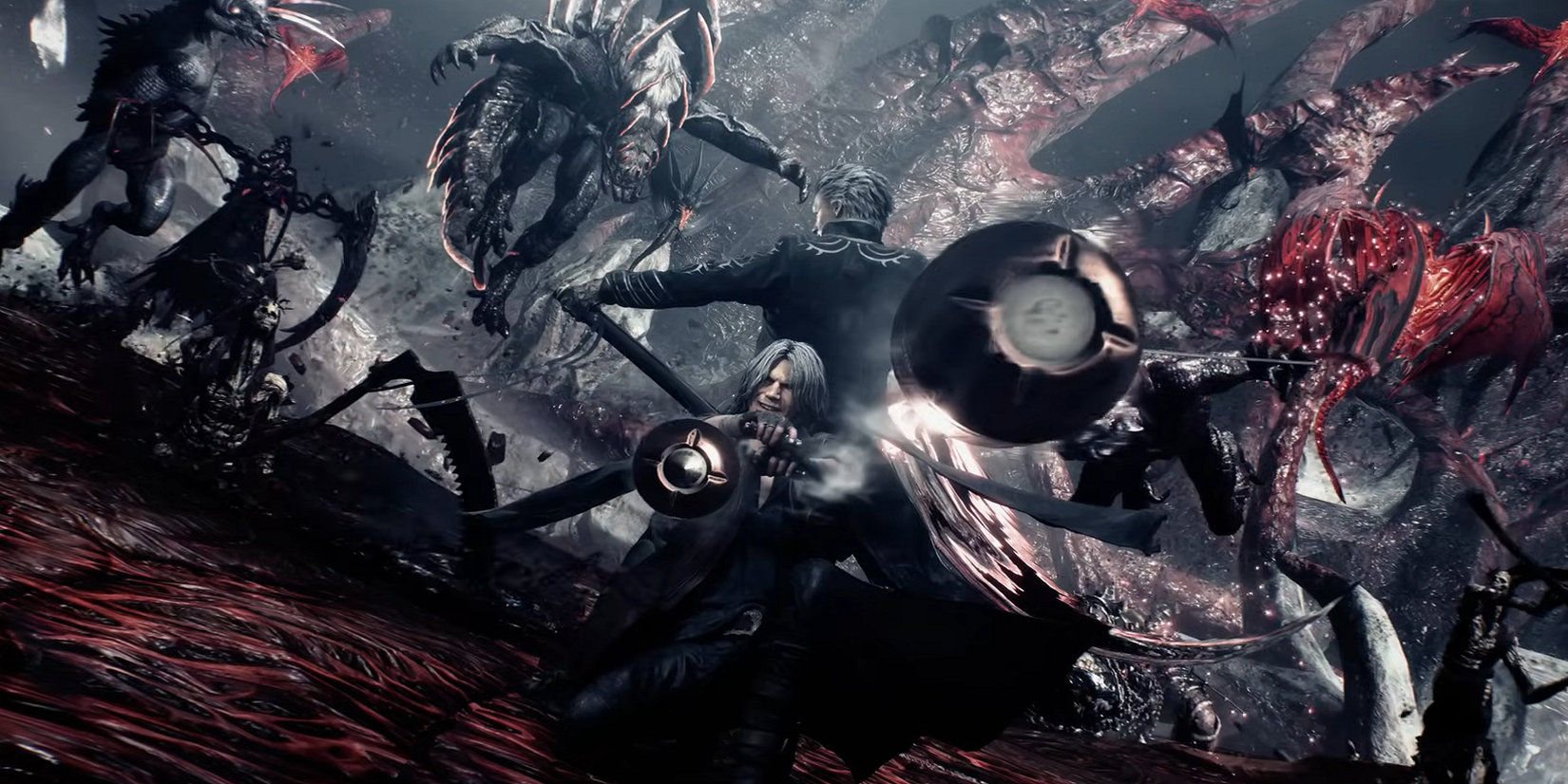
Sibling rivalries are a staple of action games, but the saga of Dante and Vergil is perhaps the most iconic. Devil May Cry 5 spent its runtime building toward a confrontation that had been brewing for nearly two decades.
When Nero finally intervenes to prevent his father and uncle from destroying each other, it acts as a bridge for the characters to move past their ancestral trauma. Seeing the two brothers find common ground to defend their parents’ legacy was the resolution that fans had waited an entire gaming lifetime to witness. It was a triumph of character design and fan service, closing a book that started in the early 2000s.
3. Dark Souls 3: The Ringed City – Fighting Gael
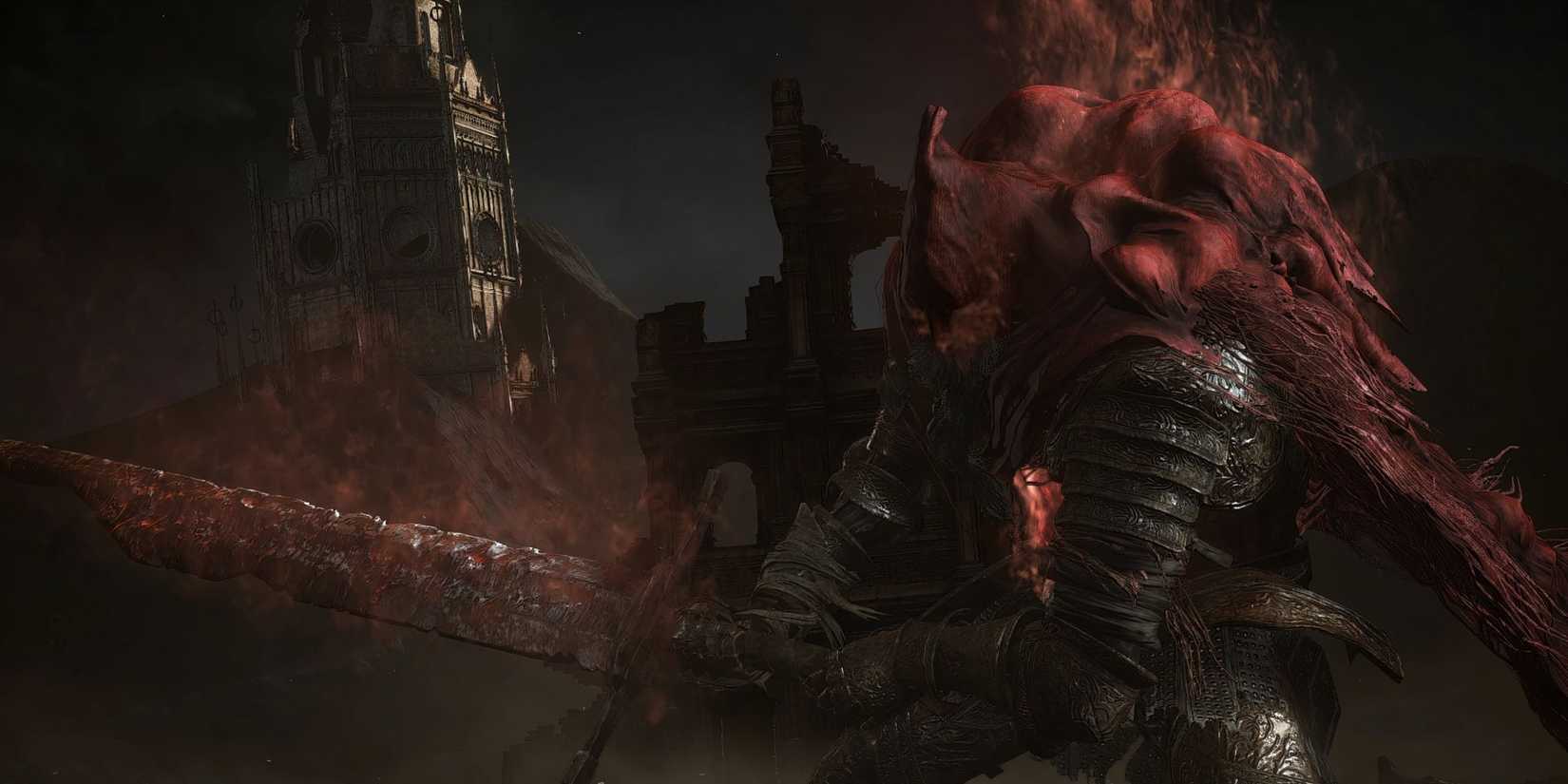
Dark Souls was never intended to be a trilogy, yet The Ringed City stands as one of the most emphatic conclusions in modern gaming. The fight against Slave Knight Gael at the literal end of the world is a visual and narrative masterpiece.
Gael represents the ultimate end of the cycle—a fight against a tragic figure in a landscape reduced to ash. For a community that spent years dissecting every item description and cryptic hint, this boss fight provided a sense of closure that felt both inevitable and profound. It was a definitive "goodbye" to the world of Lordran and Drangleic.
2. God of War 3: The Fall of Olympus
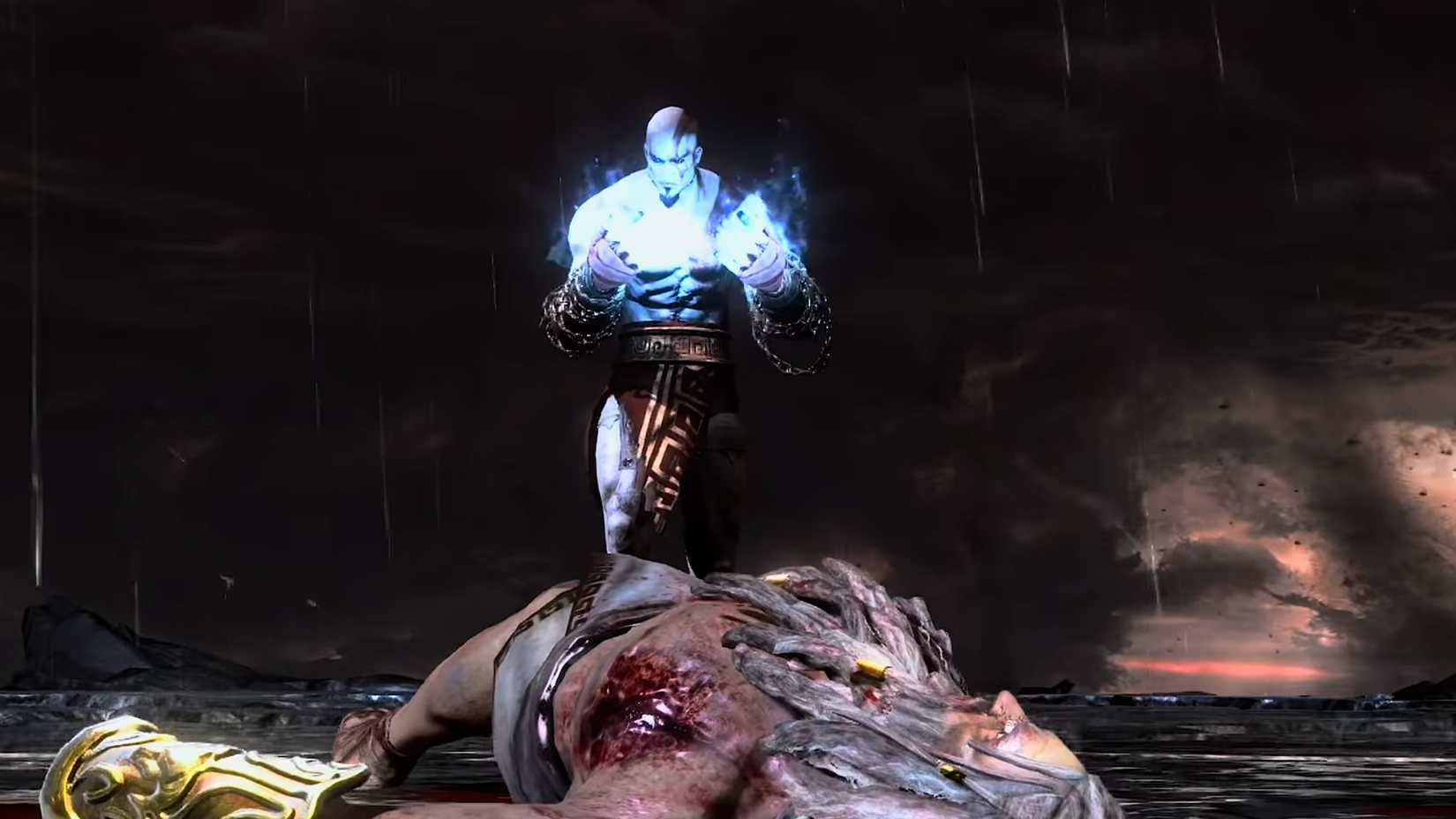
Before the 2018 reinvention of Kratos, there was the rage-fueled, god-slaying original trilogy. God of War 3 remains a visceral, high-octane spectacle that brought the Greek saga to an explosive, blood-soaked close.
The final battle against Zeus on the summit of Mount Olympus remains an unbeatable moment in the action genre. It was a culmination of years of vengeance, delivered with a ferocity that few games have dared to match since. While the franchise would later evolve into something more introspective, God of War 3 felt like the absolute, crushing end of a story that simply couldn’t continue.
1. Metal Gear Solid 5: The Phantom Pain – The Legacy of Big Boss
Metal Gear Solid is a franchise defined by its complexity, and while The Phantom Pain remains a point of contention due to its development history, its ending is arguably the most self-reflective moment in the medium.
The revelation that the player has been controlling a body double—Venom Snake—and that this double is, in essence, the player themselves, is a stroke of meta-narrative genius. Hideo Kojima used the game to directly address the audience, thanking them for 30 years of loyalty. It marked not just the end of the Metal Gear series, but the end of Kojima’s tenure at Konami. It was a final, bittersweet bow that acknowledged the symbiotic relationship between the creator, the game, and the millions of people who lived through the legend.
Implications and Legacy
What these ten moments share is a refusal to simply fade away. They are declarations. They suggest that while gaming is a medium of infinite potential, the stories we tell within it are finite. By providing these definitive conclusions, these developers have ensured that these characters and worlds remain frozen in time—untouched by the need for endless sequels and sequels-of-sequels.
As the industry continues to pivot toward live-service models and infinite engagement, these moments of "finality" feel increasingly rare. They remind us that the power of a video game often lies not in how long it can keep us playing, but in how it chooses to say goodbye. These endings are the foundation of our gaming identity, ensuring that long after the consoles are turned off, the echoes of these stories remain part of our personal history.











No comments yet. Be the first to join the conversation!