By Craig Robinson, Senior Editor
Last Updated: 13/07/2026
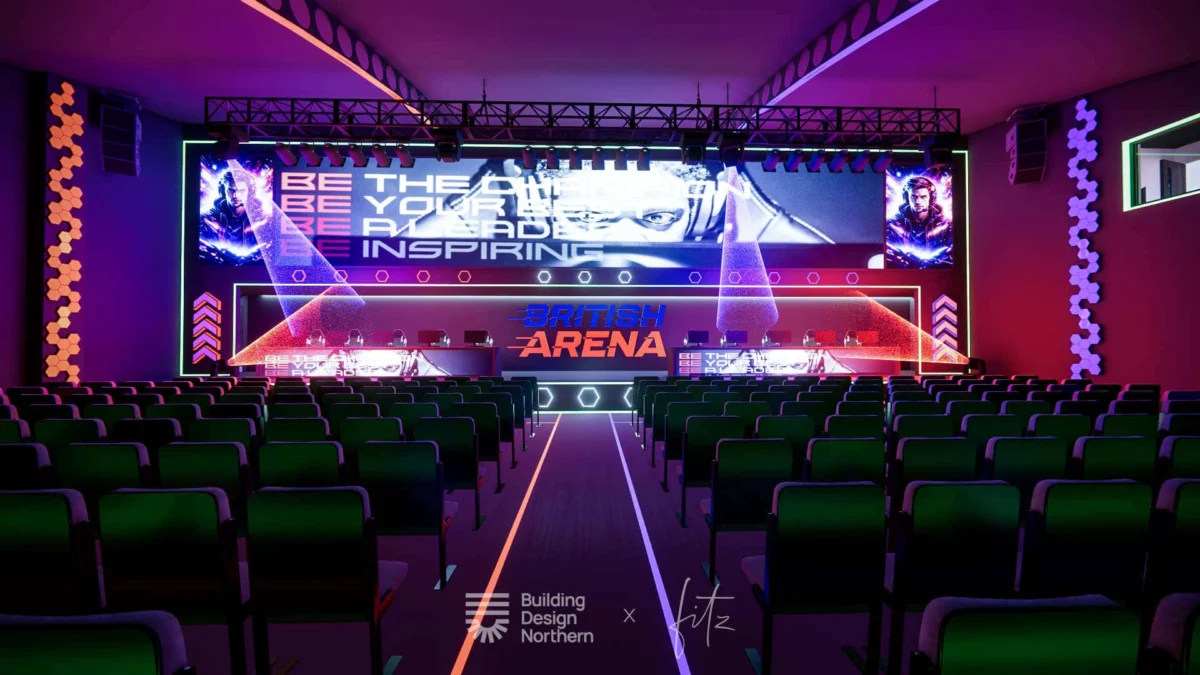
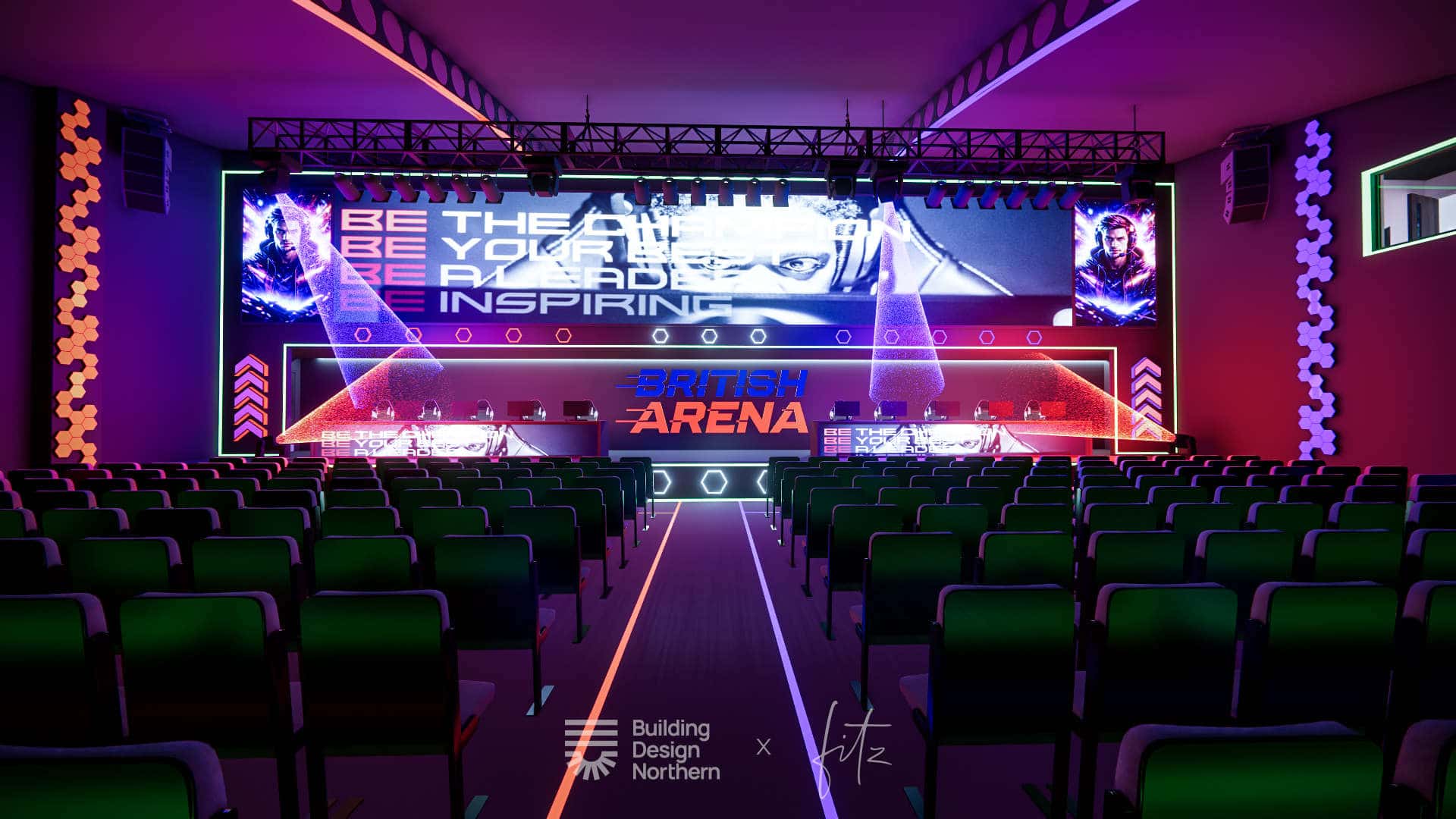
The landscape of British competitive gaming is on the precipice of a significant transformation. British Esports, the national body responsible for fostering the growth of the sector, has officially confirmed that its highly anticipated "British Esports Arena" is slated for a grand opening later this summer. The announcement comes alongside a broader update regarding the organization’s sprawling infrastructure in Sunderland, signaling a shift in how the UK handles esports logistics, education, and community engagement.
The organization has reported an "overwhelming demand" for its facilities well ahead of the official ribbon-cutting, suggesting that the industry’s appetite for centralized, professional-grade infrastructure is reaching a fever pitch.
Main Facts: A Hub for the Future
The upcoming British Esports Arena is not merely a gaming hall; it is designed to be the crown jewel of the National Esports Performance Campus (NEPC). Located in Sunderland, the campus is part of a deliberate strategy to decentralize the UK’s esports scene, which has traditionally been anchored in the south, particularly in London.
Beyond the main arena, the organization is seeing rapid uptake for its associated facilities:
- The National Esports Performance Campus (NEPC): A specialized site for high-level competitive training.
- The Place: An integrated accommodation and office complex designed to host teams, industry professionals, and event organizers.
- Gaming Houses: Dedicated residential spaces in Sunderland that provide a "bootcamp" environment for professional teams, offering a level of immersion previously difficult to find in the UK.
These spaces are intended to act as an ecosystem rather than isolated venues, facilitating everything from grassroots coaching to high-stakes professional tournaments.
Chronology: Building the Northern Powerhouse
The development of the Sunderland facilities has been a multi-year project, carefully timed to coincide with the rising maturity of the UK esports market.
- Early 2025: British Esports intensifies its focus on educational outreach, launching specialized courses for coaching and safeguarding.
- March 2025: The organization publicly outlines its vision for the venue, detailing its multi-purpose utility—ranging from live music and comedy to professional esports broadcasting.
- October 2025: British Esports marks a milestone by supporting esports programs in over 25,000 schools and colleges, solidifying its role as an educational powerhouse.
- Mid-2026: As demand for bookings surges, the organization initiates a major hiring drive and announces a significant internal leadership restructuring to manage the impending growth.
- Summer 2026: The official launch of the British Esports Arena is scheduled, marking the completion of the current phase of campus development.
Supporting Data: Economic and Operational Growth
The "overwhelming demand" mentioned by the federation is not just marketing hyperbole; it is backed by a tangible need for specialized event spaces. As the UK continues to host successful LAN events—such as the recent Call of Duty action at Dreamhack (NEC) and the high-profile VALORANT events at London’s Copper Box—the industry has identified a critical bottleneck: the scarcity of purpose-built venues.
To support this expansion, British Esports is currently undergoing a massive recruitment phase. The organization is actively seeking:
- Venue Support Staff: Roles designed to manage the day-to-day operations of the Arena and surrounding campus.
- Brand and Content Specialists: Individuals with experience in campaign management and social media.
The organization is offering competitive salary packages ranging from £30,000 to £40,000. In the context of the North East’s cost of living, this is a highly attractive proposition, positioning Sunderland not just as a venue location, but as a viable professional hub for esports talent who may be priced out of the capital.
Official Responses and Leadership Restructuring
To facilitate this expansion, British Esports has announced a strategic shift in its internal leadership. The promotion of key staff members suggests a move toward operational stability and a focus on long-term sustainability:
- Alice Whorley (VP of Operations): Previously Head of Operations, Whorley will now oversee the entirety of the organization’s facilities, including the flagship Arena. Her role is critical in ensuring that the venue’s diverse requirements—from private corporate bookings to international broadcast events—are handled with professional precision.
- Kalam Neale (VP of Education, Skills and Innovation): Moving up from Head of Education, Neale’s expanded mandate will see him integrate coaching and education support services into the core operations of the campus. This is a vital move, as education remains a cornerstone of the British Esports identity.
- Zuhrah Samim (VP of People and Culture): Having served as Group HR Manager, Samim is now tasked with managing the human element of this rapid scaling, ensuring that the company culture remains cohesive during a period of intense hiring and operational expansion.
Implications: Why Sunderland?
The decision to place the heart of British esports in Sunderland is a masterstroke of logistical planning. While London, Manchester, and Brighton have been the historical epicenters of the creative industries, they are often prohibitive due to the high cost of real estate and logistical congestion.
1. Accessibility for the North
By positioning the campus in the North East, British Esports is effectively bridging the gap between England and Scotland. Proximity to major transport links in Newcastle and Sunderland makes the venue significantly more accessible to the burgeoning Scottish esports scene in Glasgow and Edinburgh.
2. European Connectivity
One often-overlooked factor is the geographic advantage of the North East for international logistics. The accessible and affordable ferry routes connecting the North East to the Netherlands provide a direct pipeline to mainland Europe. For tournament organizers, this reduces the friction of transporting equipment and personnel, potentially making Sunderland a primary entry point for European-wide esports circuits.
3. A Multi-Purpose Future
The versatility of the venue is its greatest asset. By positioning the Arena as a host for comedy, music, and corporate conferences, British Esports ensures that the space is not reliant solely on the volatile cycle of esports tournaments. This cross-pollination of industries is likely what will ensure the long-term survival of the project, creating a self-sustaining ecosystem that benefits the local Sunderland economy.
4. Setting a New Standard
The current UK calendar has shown that the "event-in-a-box" model—where esports events are dropped into generic convention centers—is no longer sufficient. Fans and players alike are demanding "premier match day experiences." The British Esports Arena is designed to provide the dedicated stage, audio-visual infrastructure, and hospitality amenities that these high-tier events require.
Conclusion
As we look toward the remainder of 2026, the launch of the British Esports Arena feels like a turning point. It is an acknowledgment that for esports to be taken seriously as a permanent fixture in the UK cultural landscape, it requires a permanent home.
By investing in education, infrastructure, and human capital, British Esports is not just opening a building; it is creating a blueprint for the future of competitive gaming in the UK. Whether the industry can fully capitalize on this potential remains to be seen, but with the current level of demand and the strategic leadership now in place, the signs are overwhelmingly positive. The North East is set to become the beating heart of British gaming, and the industry is watching with bated breath to see the first tournament kick off.