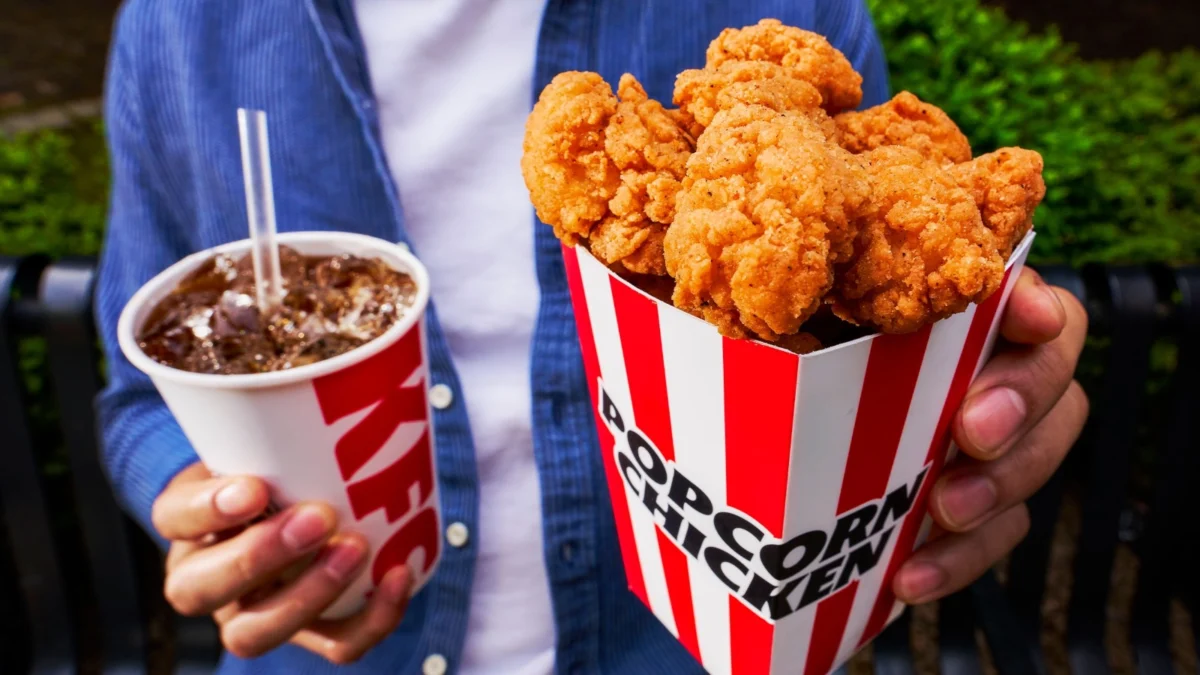
In a move that underscores the immense power of digital-age consumer feedback, KFC has officially announced the return of one of its most requested menu items: the legendary Popcorn Chicken. Beginning July 13, the bite-sized, breaded snack will return to participating restaurants across the United States. This reintroduction serves as the latest pillar of the brand’s “Kentucky Fried Comeback” campaign—a strategic initiative designed to honor the company’s storied history while aggressively modernizing its presence in the competitive global fast-food landscape.
The decision to bring back the fan-favorite item follows years of relentless advocacy from customers. From viral social media threads and direct messages to formal online petitions, the call for the return of Popcorn Chicken became a hallmark of KFC’s customer engagement strategy. As the fast-food giant looks to pivot toward a more modern, tech-forward, and consumer-centric model, this revival signals a commitment to balancing nostalgia with current market demands.
A Chronology of the Popcorn Chicken Phenomenon
To understand the weight of this announcement, one must look at the history of the product within the KFC ecosystem. First introduced in the early 1990s, Popcorn Chicken quickly became a staple for on-the-go diners. It offered a departure from traditional bone-in fried chicken, providing a portable, snackable, and highly shareable alternative that appealed to younger demographics and families alike.
For three decades, the product enjoyed varying degrees of prominence on the menu, appearing as a permanent fixture, a limited-time offer, or a regional favorite. However, as the brand shifted its focus toward other menu innovations and operational efficiencies, Popcorn Chicken was removed from nationwide menus in 2023.
The removal was met with immediate, vocal dissatisfaction from the fanbase. Between 2023 and 2024, the absence of the product became a frequent talking point on platforms like X (formerly Twitter) and Reddit. Fans created dedicated hashtags, compiled signature-gathering petitions, and frequently tagged the corporate account in memes lamenting the loss. KFC’s decision to reintroduce the item on July 13 is a direct response to this sustained, multi-year campaign, marking a rare instance where public sentiment successfully dictated a national menu shift for a global corporation.
The Financial and Operational Strategy: Why Now?
The revival of Popcorn Chicken is not merely a gesture of goodwill; it is a calculated business move aligned with KFC’s broader “next chapter” strategy. Following a major global rebrand unveiled just weeks ago—which introduced a modernized logo, refreshed restaurant aesthetics, and streamlined packaging—the company is seeking to solidify its market position.
The Value Proposition
KFC has structured the return of Popcorn Chicken to appeal to both value-seekers and those looking for a complete meal experience. The relaunch is segmented into three distinct tiers:
- The $10 Popcorn Chicken Bucket: Catering to the shareable snack market, this 16-ounce bucket comes with four dipping sauces. It is positioned as the primary draw for groups and social gatherings.
- The $10.99 Popcorn Chicken Big Box: This premium offering is designed for the individual consumer who wants a substantial meal. It includes six ounces of Popcorn Chicken, two Original Recipe Tenders, medium fries, a medium drink, two dipping sauces, and a chocolate chunk cookie.
- The $8.49 Popcorn Chicken Combo: A more streamlined version of the Big Box, this combo includes six ounces of chicken, medium fries, a medium drink, and one dipping sauce.
By offering these tiered price points, KFC is attempting to capture different segments of the lunch and dinner crowd while leveraging the high-margin potential of their boneless chicken products.
Official Statements and Corporate Vision
The leadership at KFC has been transparent about the role of customer data in their decision-making process. Melissa Cash, Chief Marketing Officer of KFC U.S., emphasized that the company’s internal metrics have evolved to prioritize social sentiment as heavily as traditional sales data.
“For years, KFC has heard directly from fans clamoring for Popcorn Chicken’s return,” Cash stated in an official press release. “We read every comment, every DM, and even every online petition signature, and the message was impossible to ignore. As we continue our Kentucky Fried Comeback journey, this menu item return shows our commitment to listening to our most passionate fans by giving them exactly what they’re craving.”
Cash further highlighted the delicate balance the company is attempting to strike between the past and the future. “We’re nodding to nostalgia as we simultaneously modernize the brand and how it shows up throughout the world,” she added. This messaging is vital, as it positions KFC not as a stagnant chain, but as a responsive, living brand that evolves alongside its customer base.
The Digital Integration: GIFs and Modern Marketing
In keeping with its push toward modernization, KFC is not just relying on the product itself to drive interest. The company has launched a collaborative partnership with GIPHY, releasing a series of Popcorn Chicken-themed GIFs featuring Colonel Sanders.
These animations are intentionally designed to mirror popular internet meme culture. By providing fans with “reaction GIFs,” KFC is attempting to facilitate organic social media engagement. When users share these GIFs in group chats or on social media, they become unpaid brand ambassadors. This move reflects a broader industry trend where brands attempt to "own" the language of their customers, transitioning from top-down advertising to interactive, community-led digital presence.
Implications for the Fast-Food Landscape
The return of Popcorn Chicken occurs against a backdrop of significant institutional change at KFC. The brand is currently in the process of rolling out a major global overhaul across its 34,000 locations worldwide. This includes a complete redesign of the restaurant experience, which focuses on speed of service, digital ordering kiosks, and an expanded array of boneless menu items.
The "Boneless" Shift
The industry is currently witnessing a massive shift in consumer preference toward boneless, easy-to-eat chicken products. Competitors like Popeyes, Chick-fil-A, and various "chicken tender" chains have seen explosive growth by focusing on high-quality, boneless options. By reintroducing Popcorn Chicken, KFC is effectively bolstering its boneless portfolio to better compete with these rivals.
The Future of "Comeback" Campaigns
The success of the Kentucky Fried Comeback campaign suggests that other legacy brands may begin to adopt similar "nostalgia-based" marketing strategies. By periodically bringing back discontinued items, companies can generate artificial urgency, reignite public discourse, and reward loyal customers who have felt ignored by corporate downsizing or menu streamlining.
However, there is an inherent risk. If a brand relies too heavily on past hits, it may struggle to innovate. KFC appears to be mitigating this by coupling the return of the old with the introduction of the new—the global rebrand, new packaging, and refreshed restaurant layouts ensure that the brand feels contemporary, even while it mines its history for engagement.
Conclusion: A Turning Point for KFC
The return of Popcorn Chicken is a definitive signal that KFC has entered a new phase of its corporate lifecycle. By acknowledging the power of the consumer voice, the company has managed to turn a simple product return into a nationwide event.
Whether the nostalgia will translate into long-term customer retention remains to be seen. However, in an era where brand loyalty is increasingly difficult to secure, KFC’s willingness to listen—and to use its platform to respond in a modern, culturally relevant way—demonstrates a sophisticated understanding of the current digital marketplace.
As the Popcorn Chicken returns to the fryers on July 13, the industry will be watching closely. If this revival proves successful, it will likely serve as a blueprint for how legacy brands can navigate the delicate space between tradition and transformation, ensuring they remain relevant in an increasingly crowded and competitive landscape. For the fans who signed the petitions and flooded the DMs, the wait is finally over—but for KFC, the real work of the "Kentucky Fried Comeback" is only just beginning.