

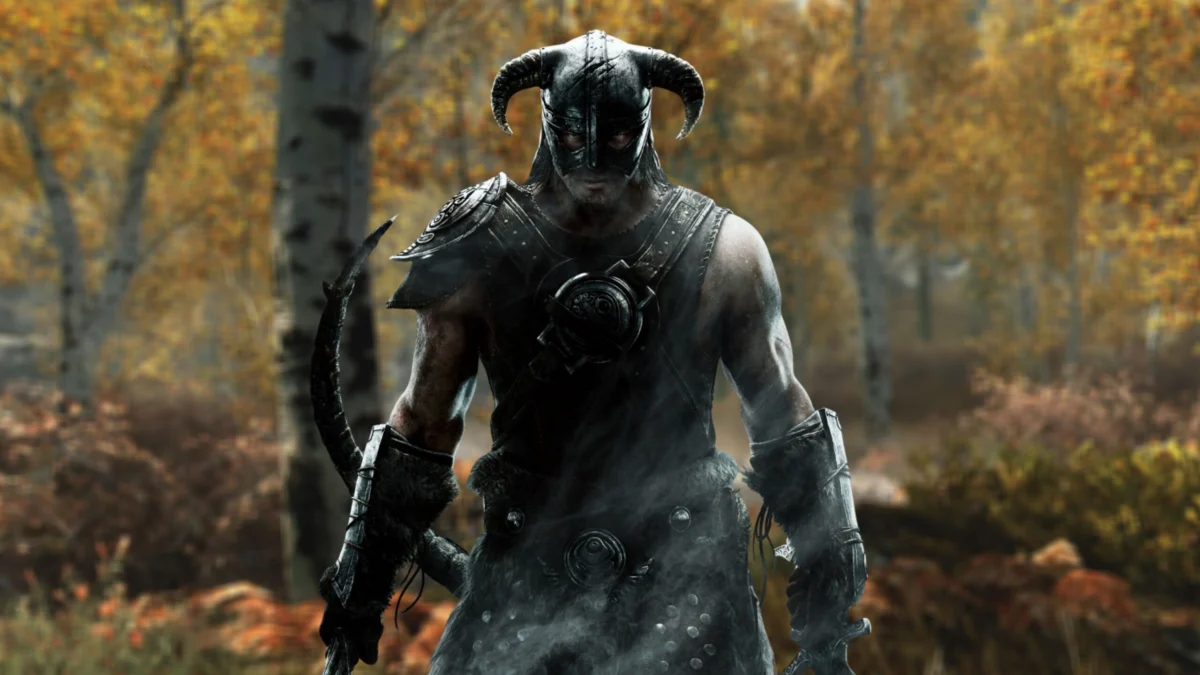
The digital realm of Tamriel, specifically the snow-swept province of Skyrim, has long captivated players with its unparalleled sense of immersion. Years after its initial release, Bethesda’s seminal open-world RPG, The Elder Scrolls V: Skyrim, continues to draw millions into its vast, detailed landscape. This enduring appeal is not merely a product of grand quests or epic dragon battles, but a testament to the meticulous crafting of smaller, often overlooked details that collectively weave an intricate tapestry of believability. From the daily routines of its inhabitants to the subtle nuances of its environments, Skyrim masterfully constructs a world that players can not only inhabit but truly escape into.
This article will delve into the multifaceted elements that contribute to Skyrim’s profound immersion, exploring the deliberate design choices that elevate it beyond a mere game into a living, breathing world. We will examine how the seemingly mundane aspects of daily life, the diversity of its landscapes, the depth of its lore, and the atmospheric nuances of its taverns and wilds all converge to create an experience that remains remarkably potent, even over a decade later.
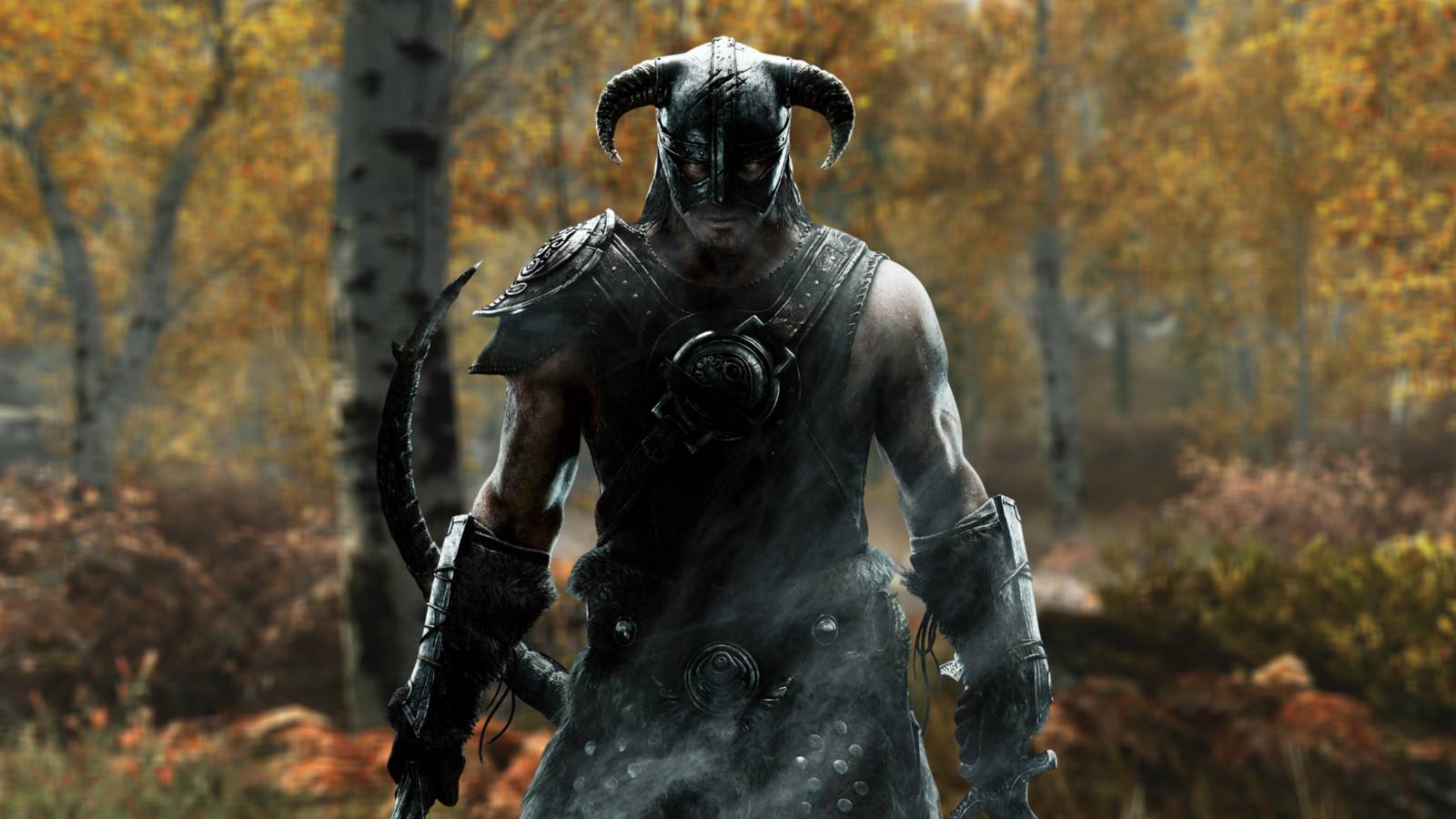
I. The Living, Breathing Inhabitants of Tamriel
A cornerstone of any believable world is the presence of individuals who feel like they have lives beyond the player’s immediate interaction. Skyrim excels in this regard, primarily through its sophisticated NPC (Non-Player Character) scheduling and interaction systems.
NPCs Lead Their Own Lives: The Illusion of Autonomy
One of the most striking aspects of Skyrim’s immersion is the perception that its NPCs possess their own schedules and routines. While not as complex as some later simulations, the system implemented in Skyrim goes a long way in dispelling the illusion of static characters. Guards patrol their beats, merchants open their shops at dawn and close them at dusk, and villagers retire to their homes at night. This predictable yet varied rhythm imbues towns and settlements with a sense of genuine activity. You might see a blacksmith working his forge in the morning, a beggar pleading for coin in the afternoon, and a group of revelers spilling out of the local tavern late at night.
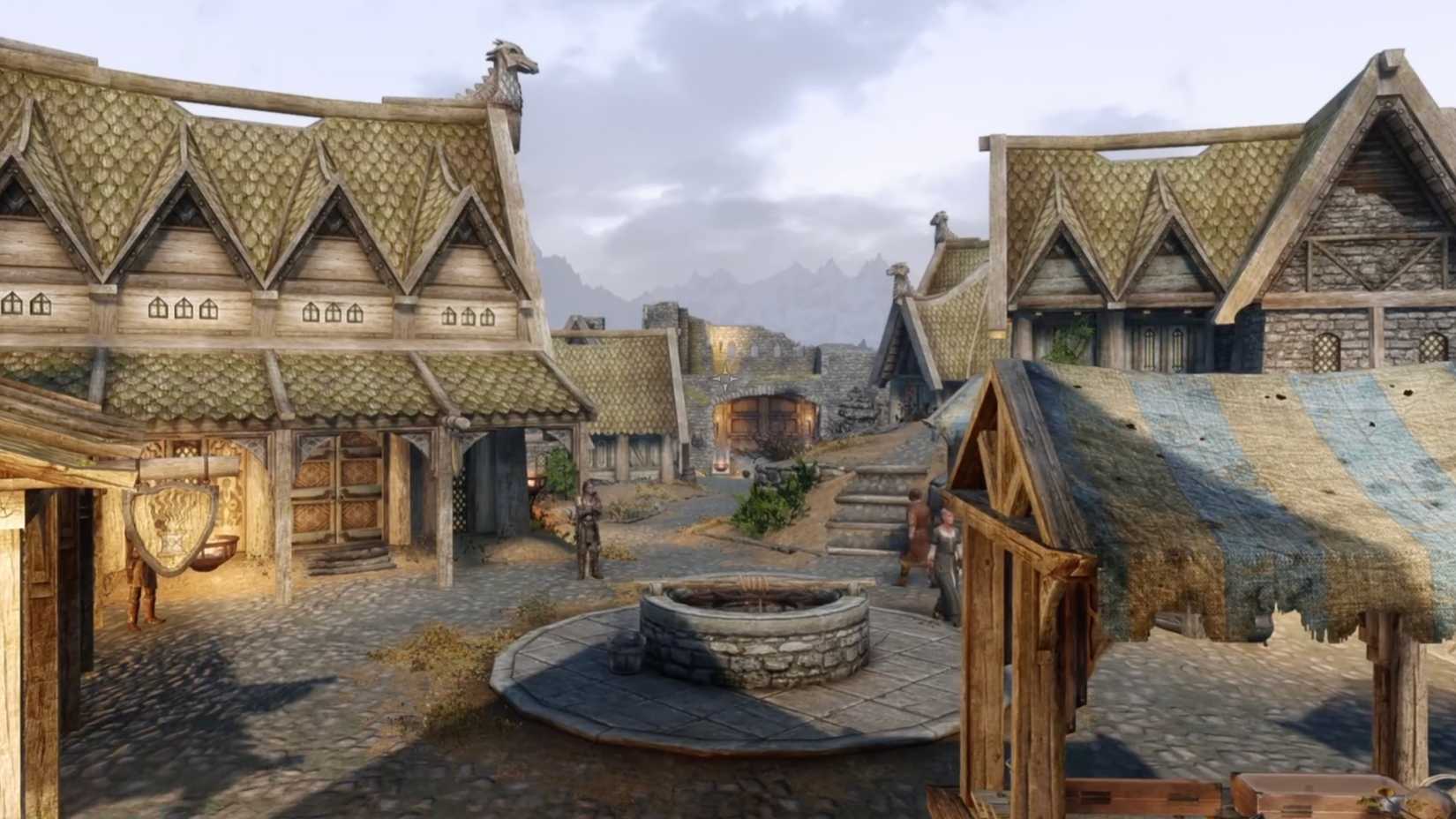
The effectiveness of this system is amplified by the quality of NPC dialogue. Gone are the often stilted and repetitive conversations of earlier titles. In Skyrim, NPCs engage in natural-sounding discussions about current events, local gossip, and even set up potential side quests organically. These interactions, whether trivial or consequential, serve to flesh out the world and provide constant ambient narrative. Witnessing two characters debate the ongoing civil war, or overhearing a snippet of conversation that hints at a hidden treasure, reinforces the feeling of a world in constant motion, independent of the player’s actions. Furthermore, the occasional traveler encountered on the open road, or a hunter setting up camp in the wilderness, further contributes to the sense of a populated world where journeys and encounters are not solely dictated by the player’s path.
The Whispers of Lore: A Library of Knowledge
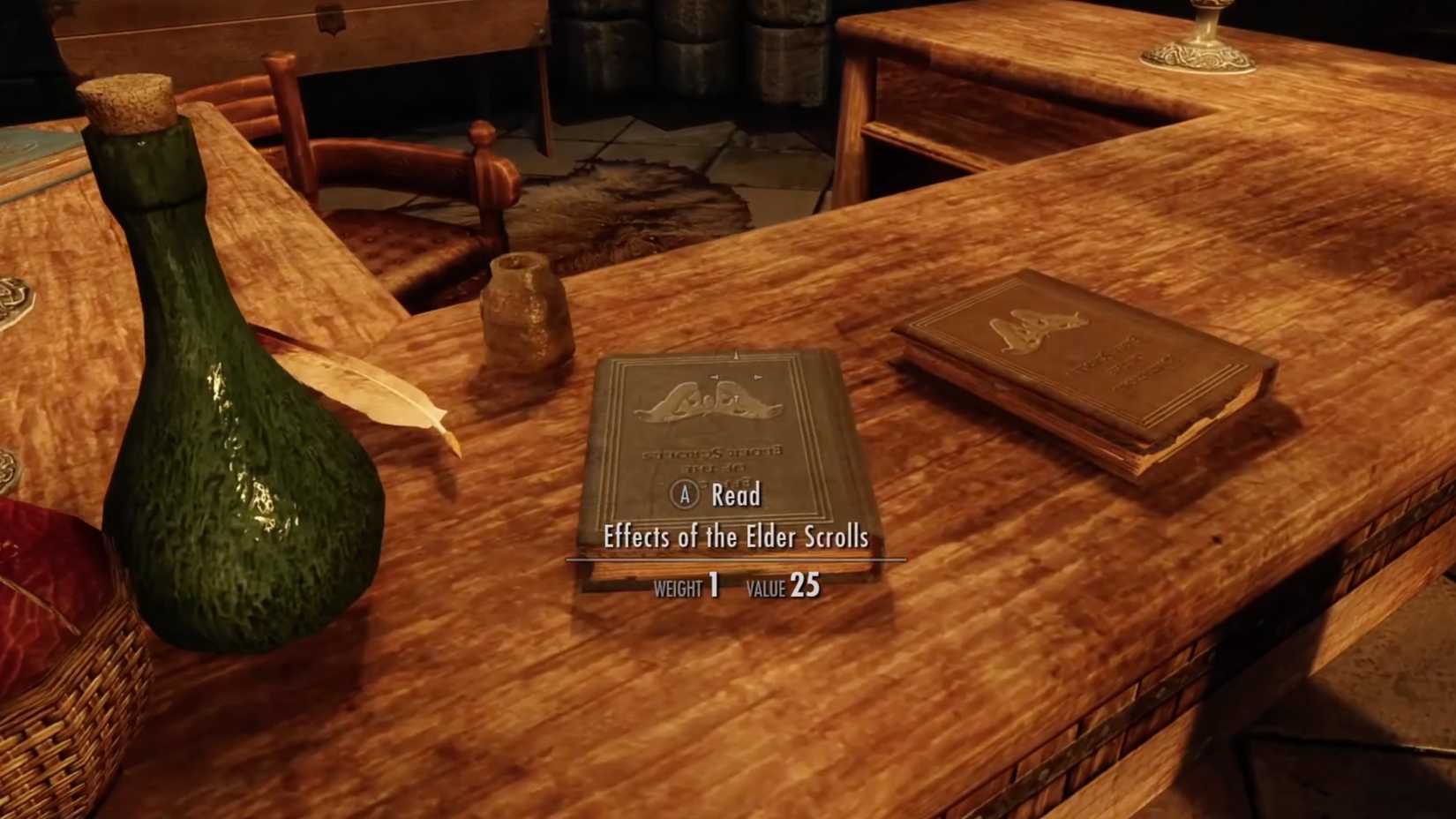
Beyond the immediate interactions with its denizens, Skyrim offers an astonishing depth of lore, much of which is meticulously embedded within the countless in-game books. These are not mere flavor text; they are genuine narrative devices that invite players to delve into the rich history, mythology, and cultural intricacies of Tamriel.
Skyrim’s Books: A Treasure Trove of Stories and History
The sheer volume of readable books in Skyrim is staggering. From the epic saga of The White Phial to the scandalous The Real Barenziah, these texts offer diverse narratives ranging from historical accounts and academic treatises to spellbooks and even cookbooks. The act of finding a dusty tome in a forgotten ruin or a well-worn volume in a library and settling down by a crackling fireplace to read it is an experience that mirrors real-world engagement with literature.
This dedication to textual storytelling is crucial for building immersion. Much of the complex lore of The Elder Scrolls universe is not explicitly explained through dialogue or cutscenes but is instead left for the player to discover. Reading these books allows players to piece together the history of the Dragonborn, the political machinations of the various Holds, the pantheon of the Divines, and the ancient conflicts that have shaped Skyrim. This active participation in lore discovery fosters a deeper connection to the world, transforming the player from a passive observer into an active explorer of its history and secrets. The feeling of uncovering a hidden truth or understanding a character’s motivations through a well-written in-game book is a powerful immersion tool that few games manage to replicate.
II. The Tapestry of Tamriel: Environmental Immersion
The world of Skyrim is not a monolithic entity; it is a diverse and dynamic landscape that constantly engages the player’s senses and reinforces the feeling of being in a distinct and believable place.
Diverse Biomes: Perfect Detail in Each One
Contrary to initial assumptions that Skyrim would be an endless expanse of snow, the province is a vast and remarkably varied region. While the northern reaches are indeed blanketed in snow, the landscape seamlessly transitions through lush grasslands, dense pine forests, and imposing, mist-shrouded mountains. This geographical diversity is not merely aesthetic; it is intrinsically linked to the atmosphere and mood of different regions.

The Shifting Moods of Skyrim’s Weather and Landscapes
The weather system in Skyrim plays a significant role in shaping the player’s experience. Morthal, for instance, is perpetually shrouded in a damp, swampy fog, effectively conveying the region’s bleakness and isolation. In stark contrast, Solitude, true to its name, basks in sunlight, its surrounding forests providing a vibrant counterpoint to the harsher landscapes beyond. The weather itself – from gentle snowfall that blankets the land in serene beauty to ferocious blizzards that can disorient and isolate the player – adds another layer of dynamism. These environmental shifts not only enhance visual fidelity but also contribute to the emotional resonance of exploration, making the player feel the harshness of winter, the tranquility of a clear day, or the oppressive nature of a storm.
The Wilderness is Populated: Random Encounters Feel Natural
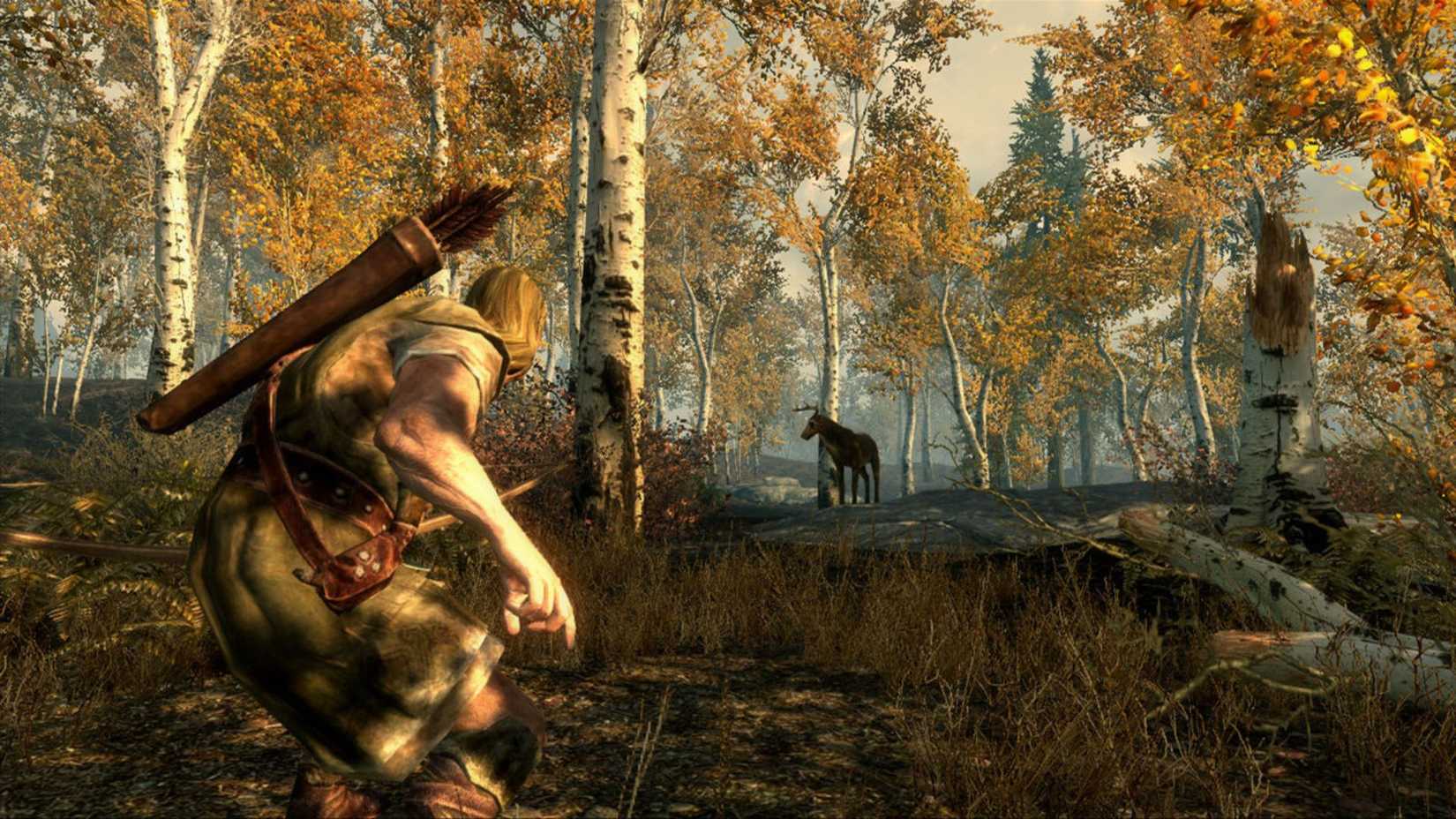
While the cities and towns teem with structured activity, the wilderness of Skyrim is far from empty. The game masterfully populates its wilds with a variety of creatures, ranging from the mundane wolves and bears to more formidable beasts like ice wraiths and giant spiders. This creates a sense of danger and unpredictability that makes traversing the open world a more engaging experience.
A Living Ecosystem: From Gentle Fauna to Ferocious Beasts
The presence of wildlife is carefully balanced. While dangers lurk, the wilderness also features non-threatening fauna such as deer, goats, and mammoths, which roam their natural habitats. This creates a vibrant ecosystem that feels organic and lived-in. The creatures generally adhere to their respective biomes, further enhancing the believability of the world. Encountering a pack of wolves on a snowy mountainside feels appropriate, just as spotting a mudcrab near a marsh does. These encounters, both perilous and peaceful, break up the monotony of travel and remind the player that they are a small part of a much larger, wilder world. The wilderness of Skyrim is not merely a backdrop; it is an active participant in the player’s journey, offering both challenges and moments of natural beauty.
Dungeons with an Identity: The Ancient Nords’ Enduring Style
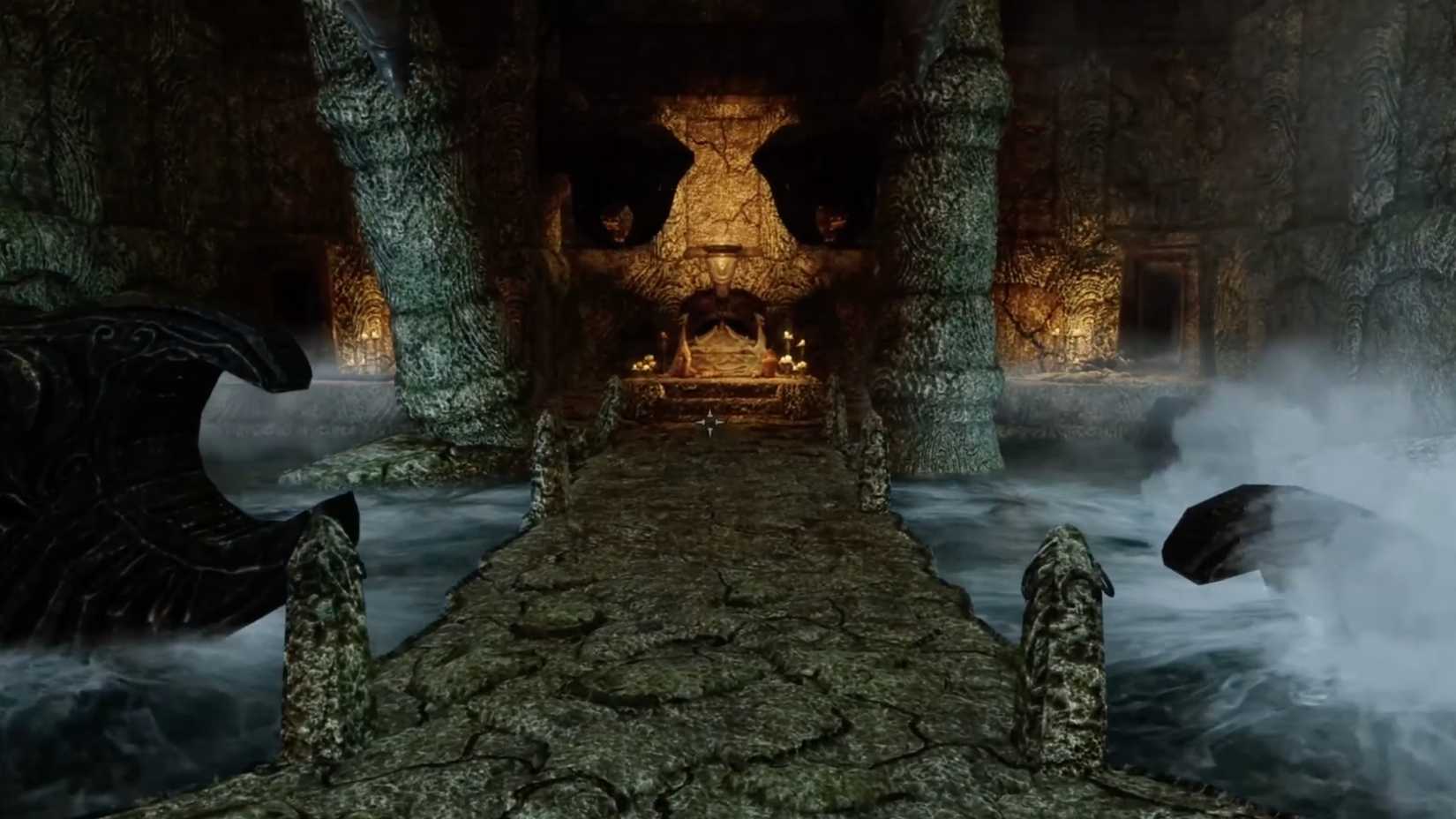
Skyrim’s ancient Nordic ruins are not generic caves; they are meticulously designed locations that exude a distinct cultural identity. These structures, along with the equally unique Dwemer ruins, contribute significantly to the world-building and immersion.
Architectural Legacies: Unearthing History in Ruins
The ancient Nordic ruins possess a specific architectural and artistic style that clearly demarcates them as products of a particular culture and era. This attention to detail appeals to players who appreciate the artistic and historical depth of a game world. The Dwemer ruins, with their intricate machinery and metallic aesthetic, stand in stark contrast, offering a different but equally compelling glimpse into Tamriel’s past.
Each ruin serves a distinct purpose, be it a burial site, a place of worship, or a defensive stronghold. Discovering these purposes, understanding who inhabited them, and piecing together their fates through environmental storytelling and scattered texts provides a compelling narrative within each dungeon crawl. The Labyrinthian complex, for instance, with its various sectors clearly indicating their intended functions, exemplifies this depth. These individual explorations transform each dungeon into a unique, immersive experience, making the act of delving into the unknown a rewarding endeavor.
III. The Sensory Symphony: Sound and Atmosphere
Immersion is not solely a visual or interactive phenomenon; it is also deeply rooted in the auditory experience. Skyrim’s sound design and atmosphere are masterfully crafted to enhance the player’s connection to the world.
Sound Design is Essential: The Unsung Hero of Immersion
While Skyrim’s iconic musical score is widely celebrated, its broader sound design is equally crucial in creating a believable and engaging world. The subtle auditory cues and ambient noises contribute significantly to the feeling of presence and realism.
A Symphony of Ambiance: From Whispers to Roars
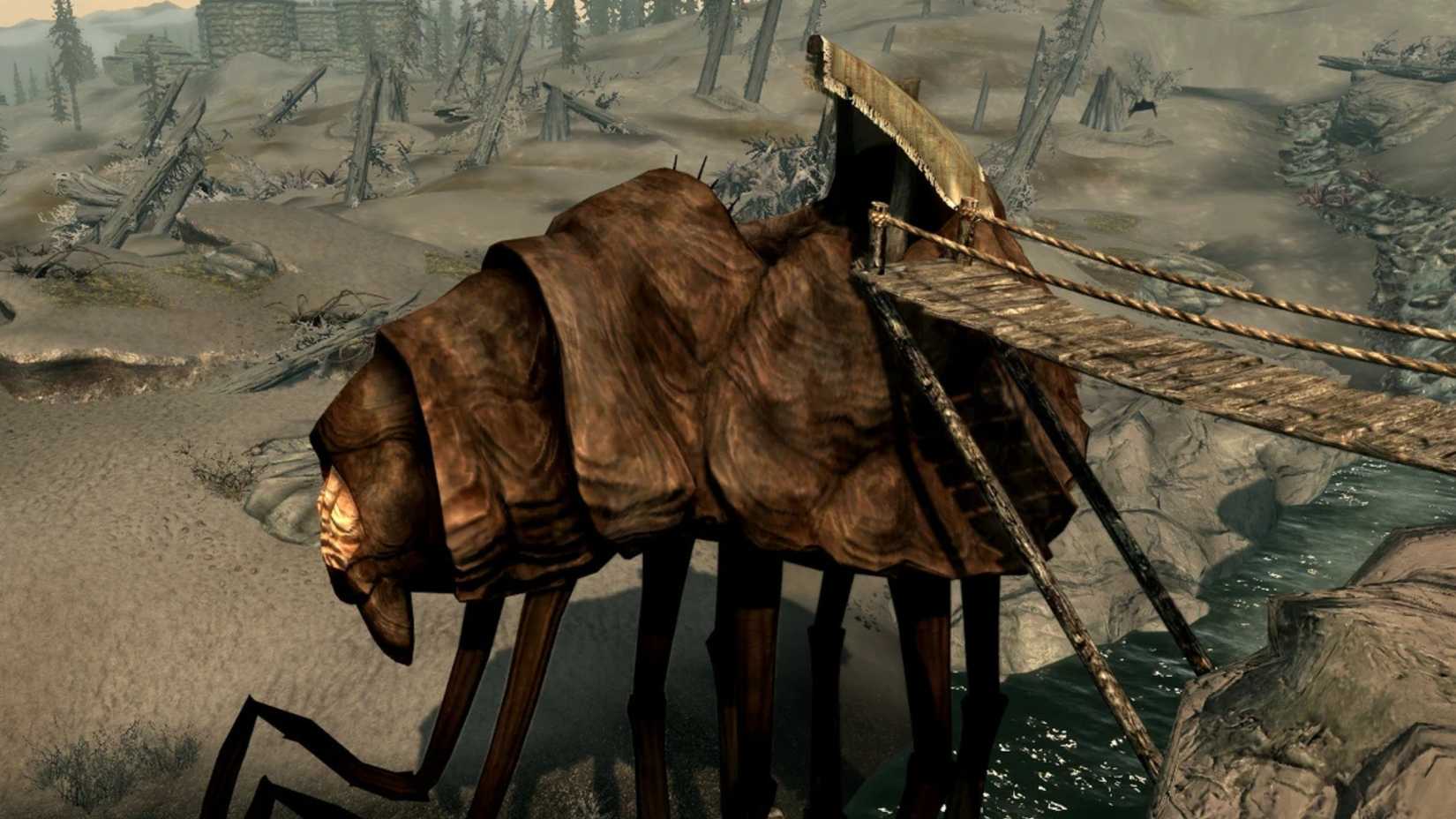
The echo in a cavern, the distant roar of a dragon, or the gentle rush of a river – these sounds are not mere background noise. They are deliberate design choices that enhance the emotional impact of gameplay. The powerful sound effects accompanying the Dragon Shouts imbue them with a sense of divine power, while the rustling of leaves in the wind or the clang of steel on steel during combat ground the player in the reality of the moment. The soundscape of Skyrim is a rich tapestry that makes the mundane feel charming and the extraordinary feel epic. Each individual sound, from the notch of an arrow to the crackle of a campfire, contributes to a cohesive and immersive auditory experience that defines the very identity of the world.
The Atmosphere in Skyrim’s Inns: The Heart of Nordic Culture
Inns are more than just places to rest and recover; they are microcosms of Skyrim’s culture and social life, offering a unique and deeply immersive experience.
A Haven of Warmth and Merriment: The Tavern’s Embrace
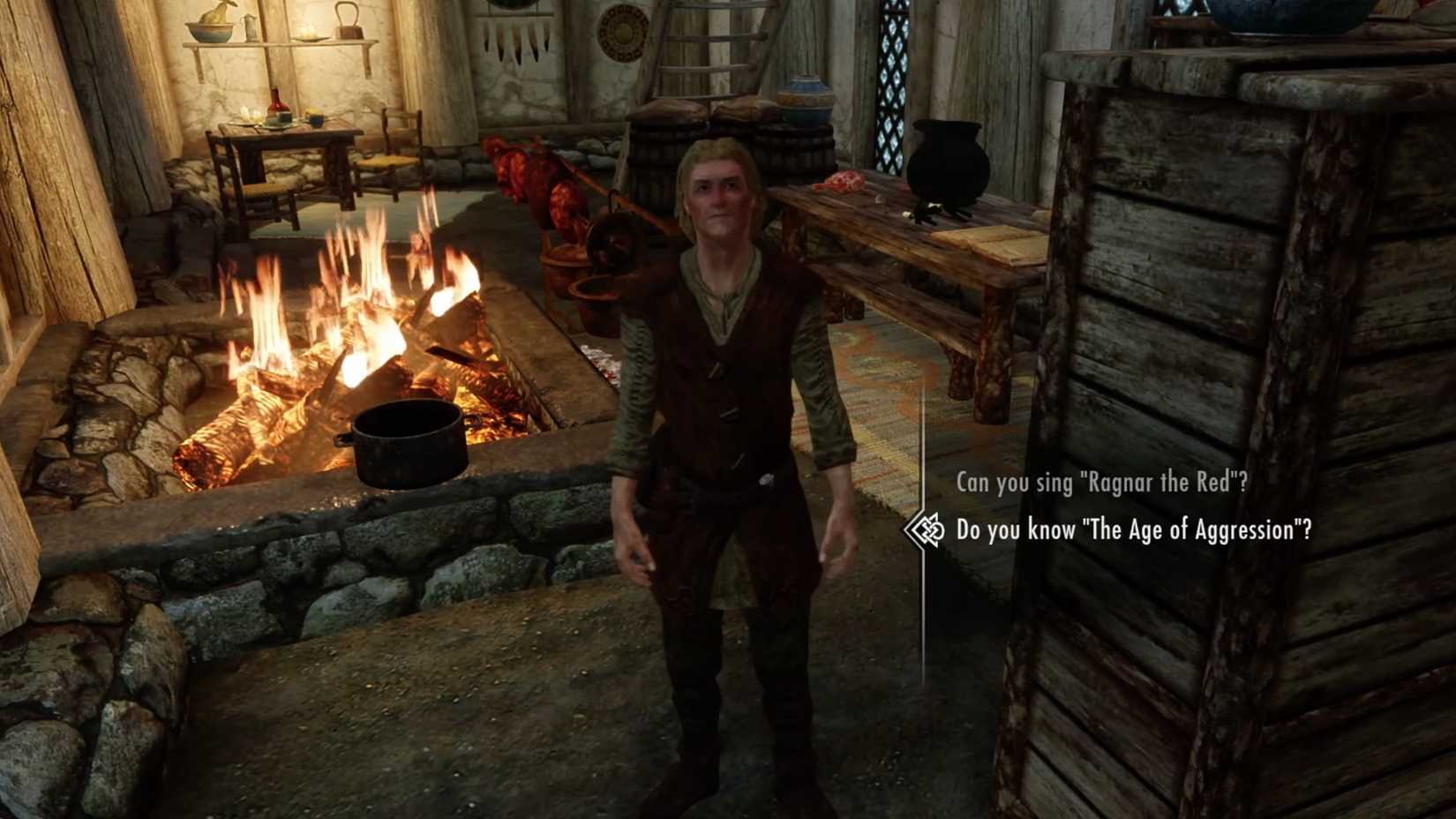
The abundance of inns across Skyrim provides players with numerous opportunities to experience the warmth and camaraderie of Nordic culture. For players who embrace a more realistic playstyle, spending nights in inns until they can afford their own homes becomes a ritual. Each inn possesses a distinct atmosphere, reflecting the character of its town. Sitting by a roaring fire, listening to a bard perform traditional songs as townsfolk sway along, creates a sense of belonging and tranquility.
These moments are where Skyrim truly shines in its ability to allow players to deviate from the main questline and simply live within the world. The communal atmosphere of an inn, the opportunity to converse with locals and soak in the ambiance, is something that many games struggle to capture. Skyrim, however, achieves this with remarkable grace, making these quiet, social moments just as memorable as any epic battle.

IV. The Cultural Fabric of Skyrim: Identity and Belief
Beyond the physical environment and its inhabitants, the underlying cultural and religious fabric of Skyrim plays a vital role in its immersive quality. The game presents a world with distinct identities, deeply rooted traditions, and complex belief systems.
The Cultural Identity of Skyrim’s Cities: Each Hold is Its Own
Skyrim’s various Holds are not mere geographical divisions; they are distinct regions with unique visual identities, cultures, and power structures. This differentiation ensures that players feel they are exploring a diverse and multifaceted world.
A Mosaic of Peoples: Holds with Unique Character
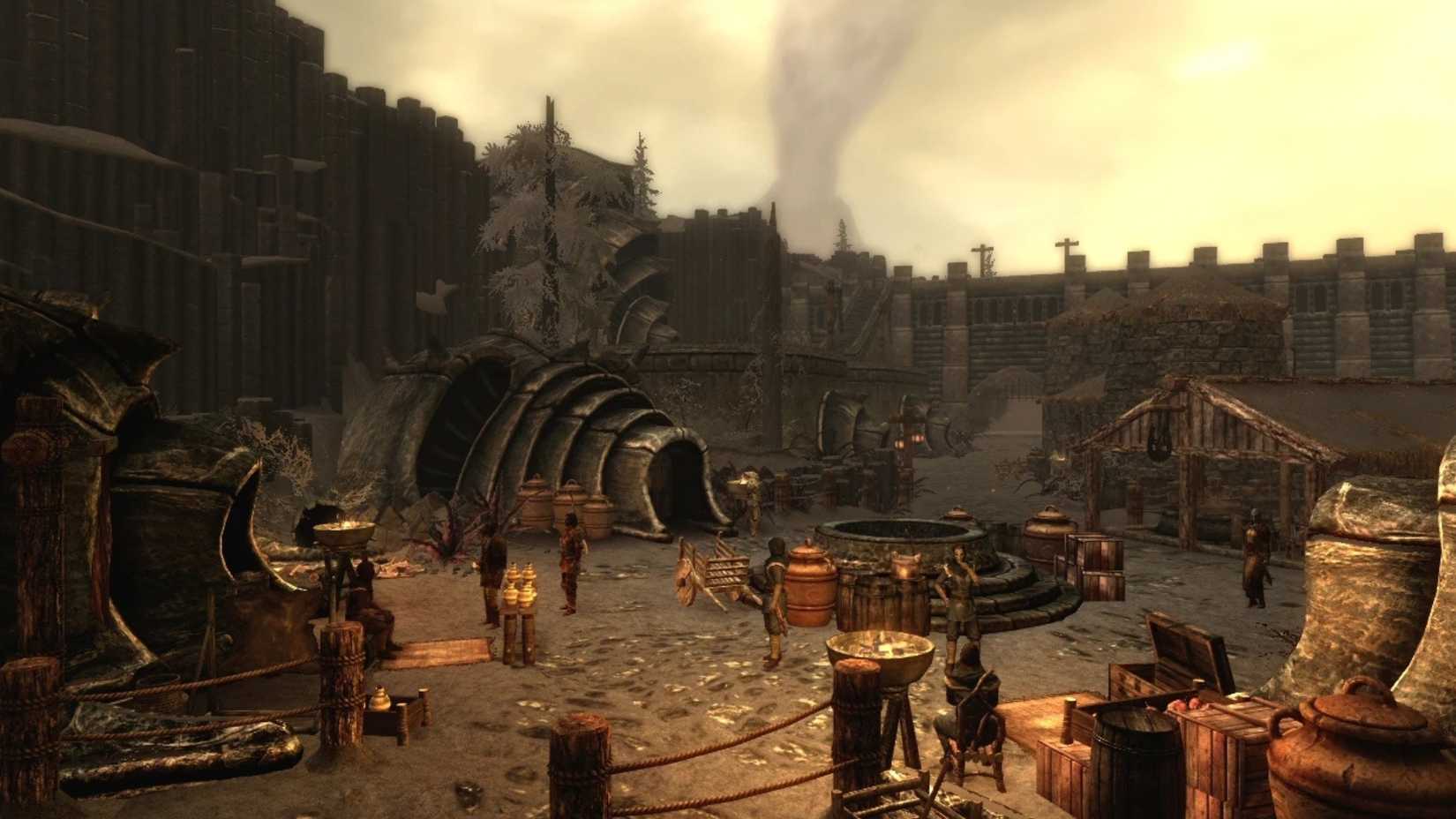
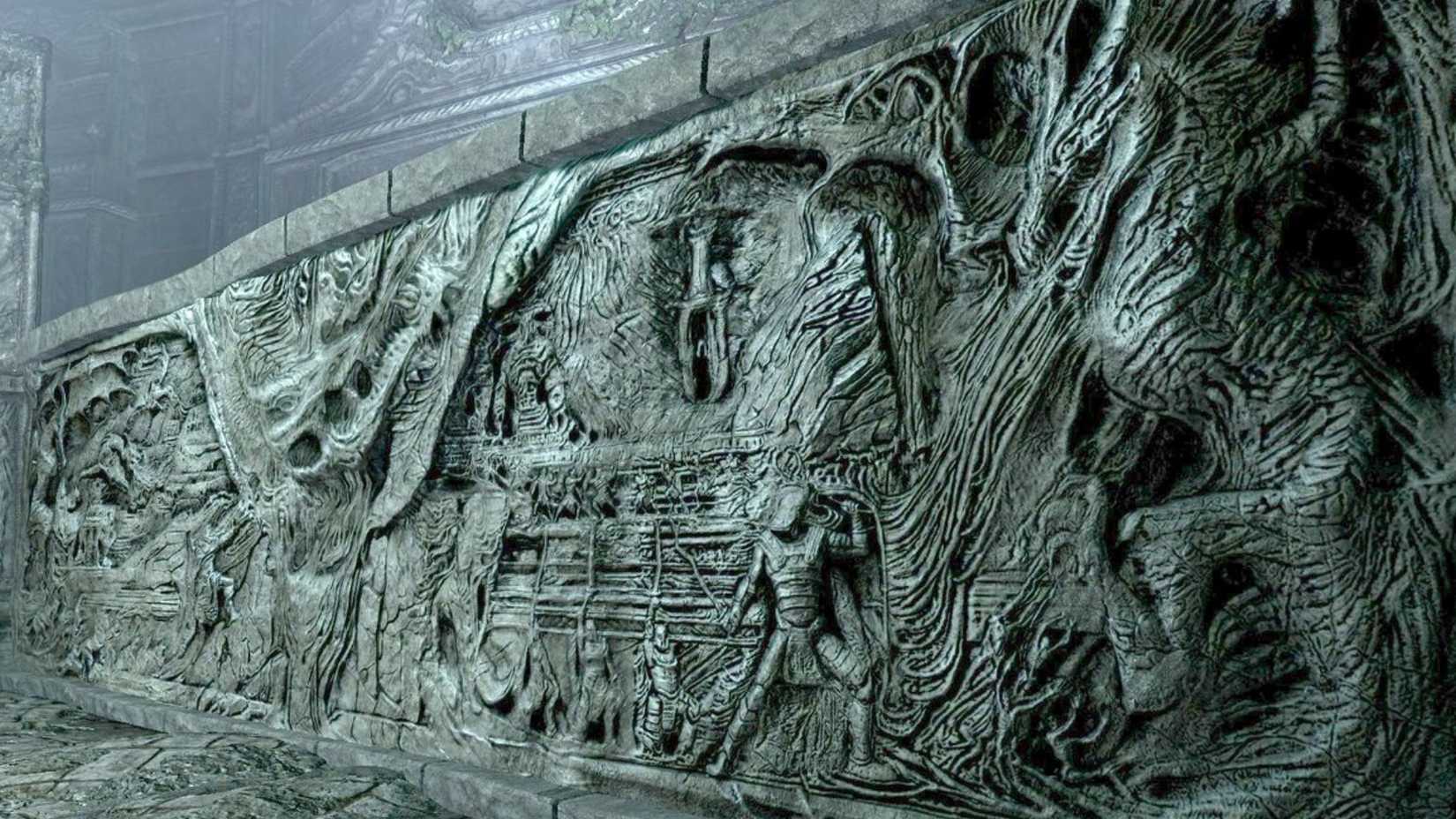
The capital cities of each Hold offer a compelling glimpse into their specialized trades, cultural norms, and political landscapes. Morthal, situated in a swamp, influences its inhabitants’ perspectives and fosters a reliance on its court mage. Markarth, carved into the mountainside, is shaped by its silver mining industry and the historical tensions between the Nords and the Forsworn. The Jarls themselves often reflect the prevailing attitudes of their people, with some exhibiting distrust of magic or a deep-seated pride in their heritage. This nuanced portrayal of regional identity makes each city feel unique and contributes to the overall depth of the world.
Skyrim’s Religions are Baked Into Its Foundations: Every Faith Has an Identity
Religion and faith are not peripheral elements in Skyrim; they are fundamental forces that shape the world and its inhabitants, most notably driving the ongoing civil war. The game meticulously integrates various religious beliefs and practices into its lore and gameplay.
The Divine and the Forbidden: Faith in the Dragonborn Era
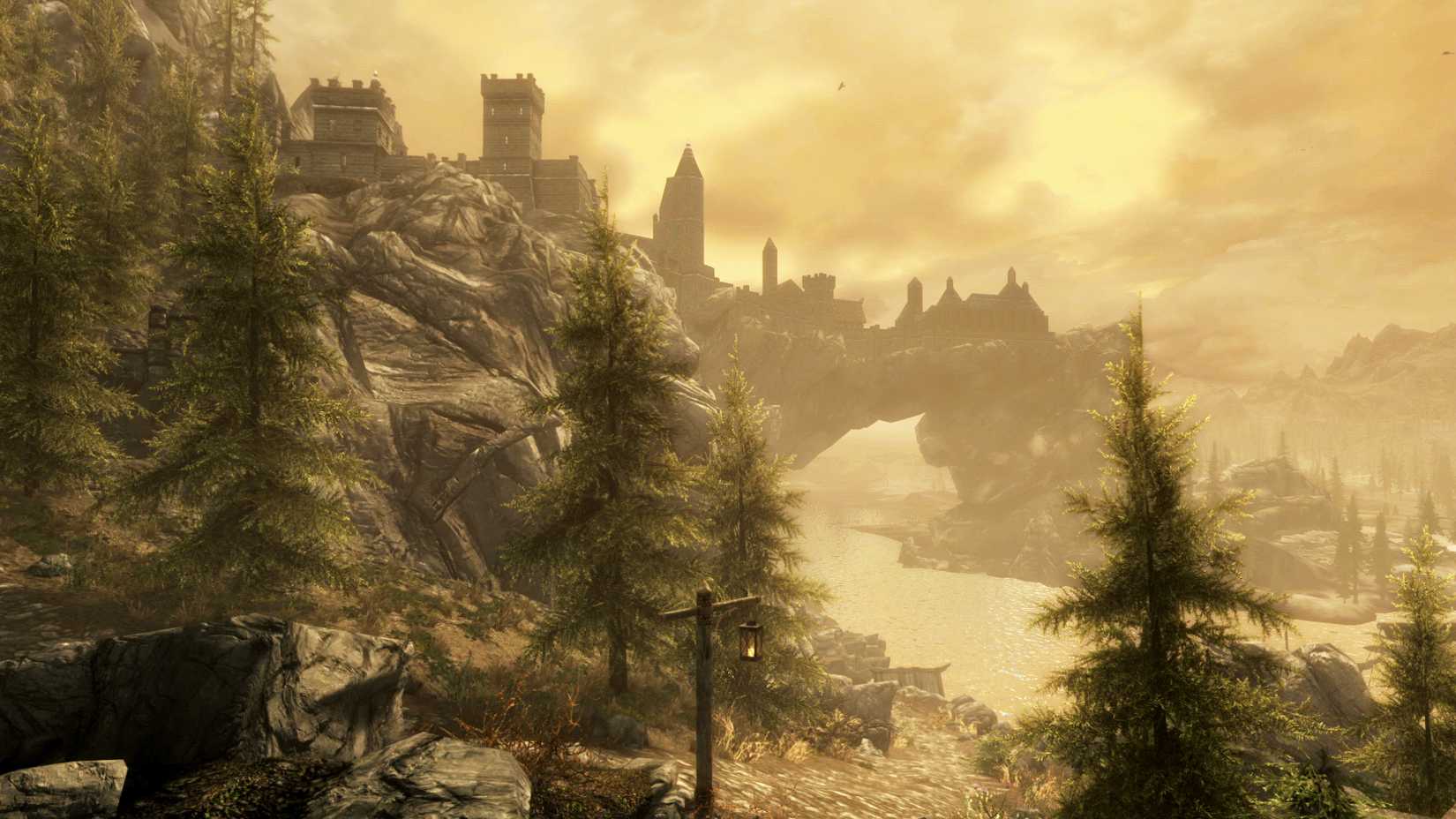
The clandestine worship of Talos, despite its ban, is evident in the shrines found scattered throughout the wilderness and hidden within cities. This practice highlights the persistent faith of many Nords. Beyond these scattered altars, organized religious orders play active roles. The Vigilants of Stendarr, devoted to eradicating daedric threats and supernatural evils, actively patrol Skyrim, demonstrating a clear commitment to their beliefs. Priests of Mara, the Divine of love, oversee marriages, underscoring the role of faith in personal lives.
Layered upon these societal expressions of faith is the overarching mythology of Alduin’s prophesied return and the lore surrounding the Blades and Akatosh. Each religion and myth within Skyrim possesses its own adherents, its own rituals, and its own significance, woven seamlessly into the narrative and the fabric of the world. This intricate religious landscape adds a profound layer of depth and realism to Skyrim’s setting.

V. The Player’s Journey: Embracing the Pace of Discovery
Ultimately, the most profound aspect of Skyrim’s immersion lies in how it encourages players to engage with its world at their own pace, rewarding a more deliberate approach to exploration.
Going the Long Way is Rewarding: Skip the Cart and Walk
The allure of fast travel in a vast open world like Skyrim is undeniable. However, the game subtly incentivizes a more traditional mode of exploration, one that significantly enhances immersion.
The Road Less Traveled: The Power of Foot Travel
Abandoning the convenience of fast travel and choosing to traverse Skyrim on foot unlocks a deeper connection to the game world. While the immediate benefit is the discovery of smaller locations such as hidden dungeons, abandoned camps, and unique landmarks, the true reward lies in the change of pace. Traveling on foot encourages players to appreciate the subtle shifts in scenery as they move from one biome to another, to listen to Jeremy Soule’s evocative soundtrack unfold organically, and to simply observe the slow passage of time within the game. Skyrim is far more than a series of quest markers; it is a world to be experienced, and by embracing a slower, more deliberate pace, players can unlock an unparalleled level of immersion that is rarely found in modern gaming. This commitment to allowing players to forge their own path, at their own speed, is perhaps the most potent ingredient in Skyrim’s enduring recipe for immersion.
In conclusion, The Elder Scrolls V: Skyrim‘s enduring legacy as a masterclass in open-world design is built upon a foundation of meticulous detail. From the independent lives of its NPCs and the rich tapestry of its in-game lore to the diverse beauty of its landscapes, the evocative power of its sound design, the distinct cultural identities of its cities and peoples, and the rewarding nature of deliberate exploration, Skyrim offers an immersive experience that continues to captivate players. It is a testament to the power of thoughtful game design, proving that true immersion is not achieved through sheer scale alone, but through the careful, intricate weaving of countless, often subtle, elements that coalesce into a world players can truly call their own.












No comments yet. Be the first to join the conversation!