

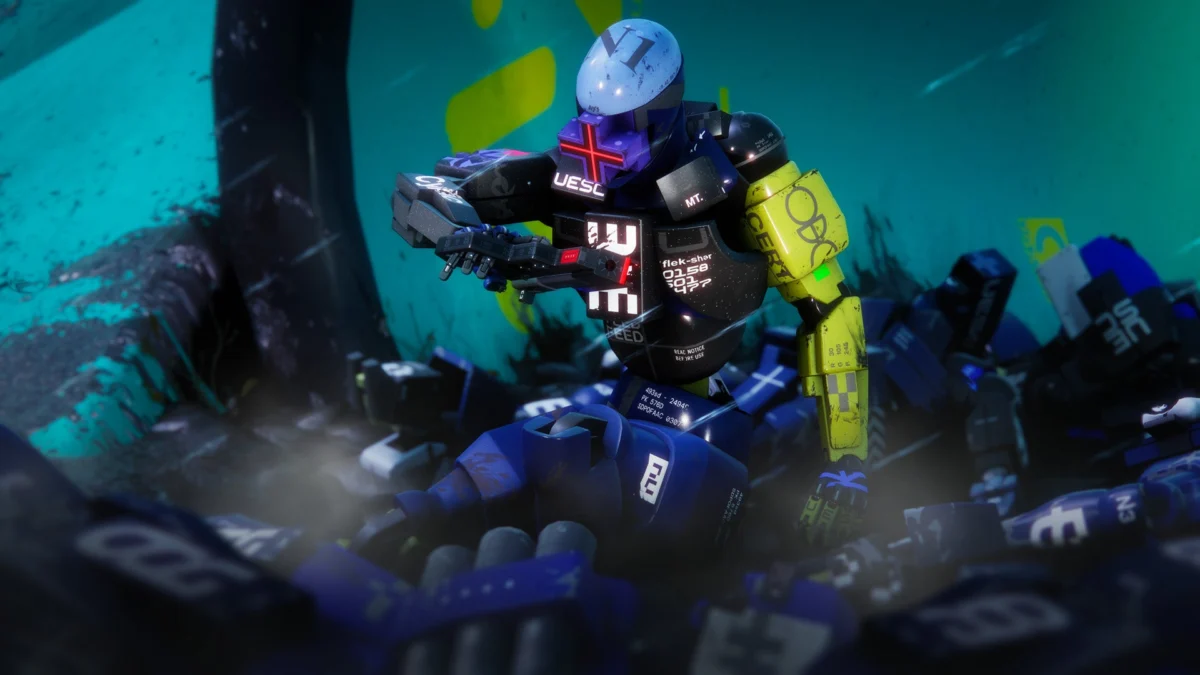
SEATTLE, WA – Bungie, the renowned studio behind iconic franchises like Halo and Destiny, has officially launched its highly anticipated extraction shooter, Marathon. After a development cycle reportedly fraught with delays, a notable plagiarism lawsuit, and at least one internal reboot, the game has finally reached players. However, its initial performance on Steam presents a complex picture, with concurrent player numbers falling significantly short of its successful pre-launch "Server Slam" event, even as early user reviews paint a "Very Positive" outlook.
The launch of Marathon marks a pivotal moment for Bungie, representing their first major new IP in a decade and a significant departure from their established Destiny universe. The game’s performance will undoubtedly be scrutinized by industry observers and, more importantly, by its parent company, Sony, which acquired Bungie in a multi-billion dollar deal with the expectation of expanding its live-service portfolio.
A Tumultuous Path to Release
The journey to Marathon‘s release has been anything but smooth. First announced as a revival of Bungie’s classic 1994 sci-fi first-person shooter series, the new Marathon reimagines the universe as a PvPvE (player-versus-player-versus-environment) extraction shooter. This ambitious genre choice immediately set high expectations, but development hurdles soon emerged.
Reports of internal reboots and significant design changes circulated within the industry, suggesting a challenging creative process. These internal struggles were further complicated by external pressures, including a plagiarism lawsuit filed against Bungie by the composer of a fan-made Destiny track, alleging similarities with music used in a Marathon trailer. While the lawsuit was eventually resolved, it added another layer of complexity and scrutiny to the game’s public perception. The repeated delays, though common in large-scale game development, also contributed to a prolonged anticipation period, raising the stakes for its eventual debut.
For Bungie, Marathon isn’t just another game; it’s a statement. Following a period where Destiny 2 has faced its own challenges regarding content cadence and player engagement, and against the backdrop of recent layoffs at the studio, a successful new IP is crucial for the company’s long-term trajectory and its vision as a multi-game developer under the PlayStation Studios umbrella.
The Server Slam: A Pre-Launch Triumph
Prior to its full commercial release, Bungie orchestrated a multi-day "Server Slam" event for Marathon. These types of open tests are common industry practice, serving multiple purposes: stress-testing server infrastructure, gathering crucial player feedback, generating pre-release hype, and providing a significant marketing push. In the case of Marathon, the Server Slam was widely considered a resounding success.
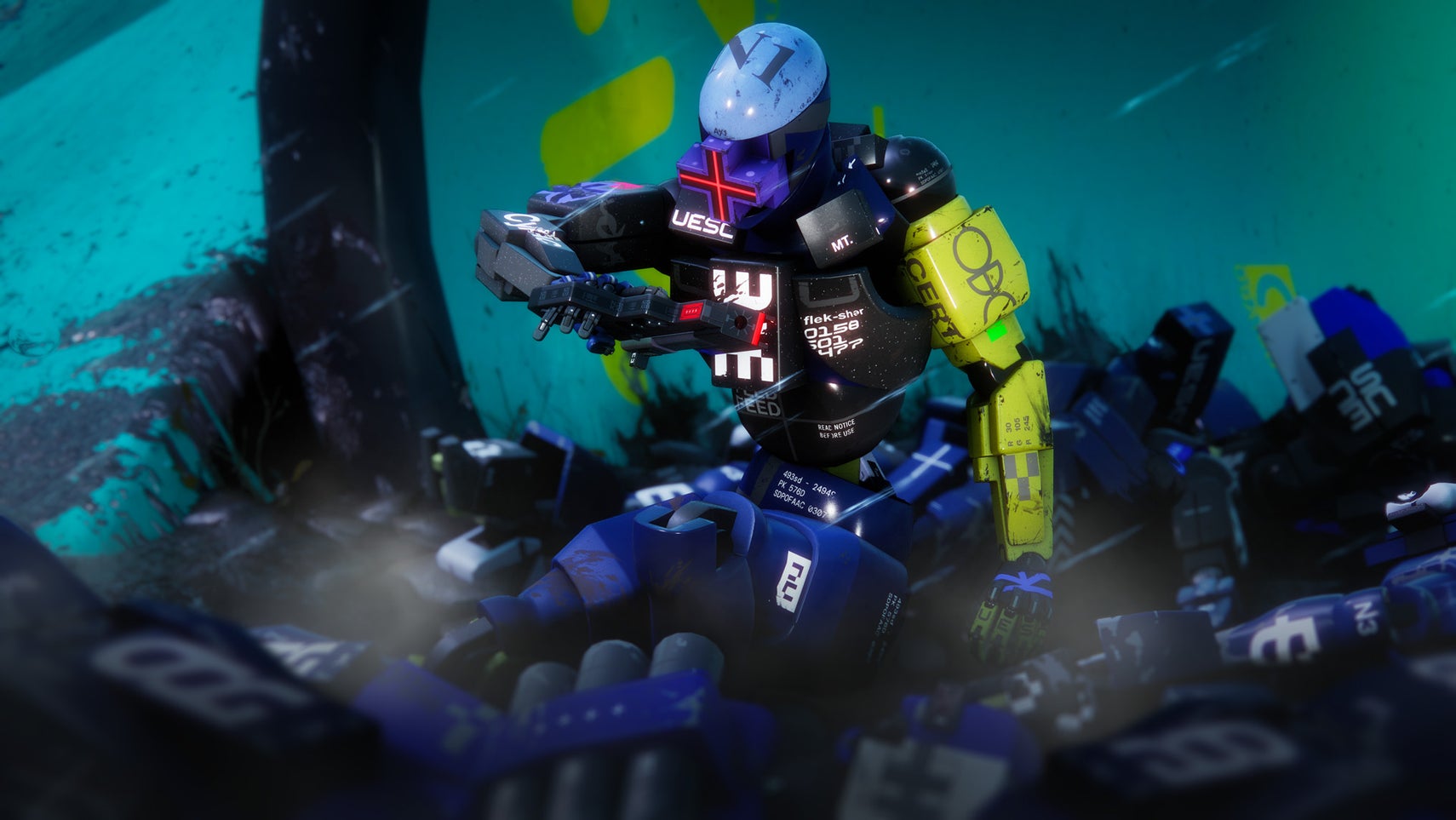
Players eager to experience Bungie’s take on the extraction shooter genre were given access to a substantial portion of the game. This included the opportunity to try out almost all of its distinct classes, explore two of its primary maps, and engage with many of its core gameplay loops and progression systems. The event resonated positively with participants, who praised its unique atmosphere, tight gunplay, and intriguing premise.
Crucially, the Server Slam also demonstrated significant player interest. It peaked at an impressive 143,621 concurrent players on Steam. This figure was not only robust in its own right but also placed Marathon within striking distance of the pre-launch concurrent player peaks achieved by other highly anticipated titles in competitive genres. The strong turnout and generally positive reception during the Server Slam built considerable momentum and set a high bar for the game’s official launch. Many anticipated that the full release, as a polished, complete product, would comfortably exceed these preliminary numbers.
Launch Day Reality: A Muted Debut
With the official launch of Marathon now complete, the initial player engagement figures on Steam present a stark contrast to the Server Slam’s success. While the game has certainly found an audience, the volume of players has not matched the earlier enthusiasm.
According to data tracked by SteamDB, Marathon‘s peak concurrent player count on launch day reached 88,337. This figure, while respectable for a new paid title, represents a significant drop when compared to the 143,621 players who participated in the free Server Slam. To put it into perspective, the launch peak is only a little over half of the pre-release test’s maximum concurrent users.
This phenomenon – where a free beta or demo attracts more players than the subsequent paid full release – is often a point of concern for developers and publishers. It can suggest that while there was initial curiosity, a substantial portion of the player base was either not convinced enough to make a purchase, or perhaps adopted a wait-and-see approach, preferring to monitor post-launch reviews and content updates before committing financially. The immediate drop in numbers after the initial peak, as players logged off for the night, is normal for any game launch. However, the initial peak itself provides a crucial indicator of launch day interest.
The "Arc Raiders" Precedent and Marathon’s Divergence
The Marathon launch performance is naturally being compared to other titles, particularly within the extraction shooter genre or those that have utilized similar pre-release testing strategies. One notable comparison is with Arc Raiders, another hotly anticipated shooter. Arc Raiders also conducted a pre-launch event, and its subsequent official launch saw its player figures significantly outpace its beta numbers. This positive trajectory, where the full, paid product attracted more players than its free sampler, was seen as an ideal scenario, indicating strong conversion from interest to purchase and sustained player growth. Arc Raiders has since maintained a very active player base, affirming the success of its launch strategy.

The hope among many industry observers and fans was that Marathon would replicate this positive trend. A paid product garnering far more players than the same product’s own free sampler is almost always a good sign, signaling strong market validation. Unfortunately, Marathon has not, at least in its initial hours, managed to "pull an Arc Raiders." The inverse trend—a free test outperforming the paid launch—suggests a more cautious market reception, prompting questions about conversion rates and player confidence in committing to a new game, especially one with a paid upfront cost in a competitive live-service landscape.
A Glimmer of Hope: Overwhelmingly Positive User Reviews
Despite the lower-than-anticipated concurrent player numbers, there is a significant silver lining for Marathon: its user review rating on Steam is currently "Very Positive." Based on over 4,600 reviews in its initial hours, this strong endorsement from early adopters paints a picture of high satisfaction among those who have purchased and played the game.
This dichotomy—lower player count but high player satisfaction—creates a complex narrative. It suggests that while the game may not have captured a massive initial audience, the players who have invested in it are largely enjoying the experience. A "Very Positive" rating is invaluable for a new game, as it serves as a powerful form of social proof and word-of-mouth marketing. In an era where players are increasingly discerning and rely heavily on community feedback, positive reviews can be a crucial driver of long-term growth.
The positive sentiment could indicate that Marathon has found a strong, dedicated early adopter base who appreciate its unique gameplay, atmosphere, and mechanics. These players, if consistently engaged, could become powerful advocates, spreading enthusiasm for the game through their social circles, streaming platforms, and online communities. This organic advocacy can often "catapult a game," as the article notes, potentially drawing in those cautious mainstream players who are waiting for clearer signals of quality and sustained engagement.
Official Responses: A Waiting Game
As of the immediate post-launch period, Bungie has not released an official statement specifically addressing the initial player numbers. This is common practice, as studios often prefer to gather more comprehensive data over several days, particularly through the crucial opening weekend, before making public comments.
However, one can infer the internal discussions and potential strategies within Bungie. The studio is likely closely monitoring player retention, engagement metrics, and feedback across all platforms. Given the "Very Positive" user reviews, Bungie’s messaging, when it comes, would likely emphasize player satisfaction and the long-term vision for Marathon. They might highlight the quality of the gameplay experience, express gratitude to the passionate early community, and reiterate their commitment to continuous development, content updates, and addressing any emerging issues.

For a live-service game, launch numbers are just the first chapter. The true test lies in sustained engagement and growth. Bungie’s focus will undoubtedly be on nurturing its current player base, leveraging the positive word-of-mouth, and planning future content drops and updates that will attract new players and re-engage those who might be on the fence.
Implications for Bungie and the Extraction Shooter Genre
The launch of Marathon carries significant implications, both for Bungie and for the broader landscape of the extraction shooter genre.
For Bungie, the performance of Marathon is critical. As a key new IP under Sony, its success or struggles will influence future investment and strategic direction. While the positive user reviews offer a strong foundation, the challenge will be converting that sentiment into increased player acquisition. Bungie’s legacy is built on creating compelling, long-lasting experiences, and Marathon needs to demonstrate similar staying power. The studio will need to be agile in its post-launch support, rapidly addressing community feedback, rolling out new content, and fostering a robust in-game economy that feels fair and rewarding. This is especially pertinent given the competitive nature of the live-service market and the high expectations associated with the Bungie name.
For the extraction shooter genre, Marathon‘s launch provides further data on market dynamics. The genre, characterized by high-stakes looting, PvPvE encounters, and persistent progression, has seen a surge in popularity with titles like Escape from Tarkov and Hunt: Showdown. However, it’s also a niche that often demands significant time investment and can have a steep learning curve, potentially contributing to player caution for new paid entries. Marathon‘s blend of classic sci-fi lore with modern extraction mechanics aims to carve out its own space, but it faces stiff competition. The decision to make Marathon a paid product from the outset, rather than a free-to-play title (a common model for many new live-service games), also plays a role in player acquisition. Players might be more hesitant to commit to a paid game when free alternatives or well-established paid titles offer similar experiences.
The Weekend Awaits: A Crucial Test
Ultimately, the initial launch day numbers for Marathon provide only a snapshot. The true test of its immediate appeal and potential for growth will unfold over the coming weekend. Fridays and weekends typically see a significant surge in player activity as more people have leisure time. If word of mouth, currently very positive, effectively spreads and convinces cautious players to take the plunge, the game could see its numbers climb closer to, or even surpass, the Server Slam heights.
The success of Marathon hinges on Bungie’s ability to capitalize on the strong foundation of positive reviews, foster a vibrant community, and deliver a compelling, evolving experience that justifies its investment for players. The journey of Marathon has been long and winding; its post-launch trajectory will reveal whether this new chapter for Bungie will live up to its ambitious promise.










No comments yet. Be the first to join the conversation!