

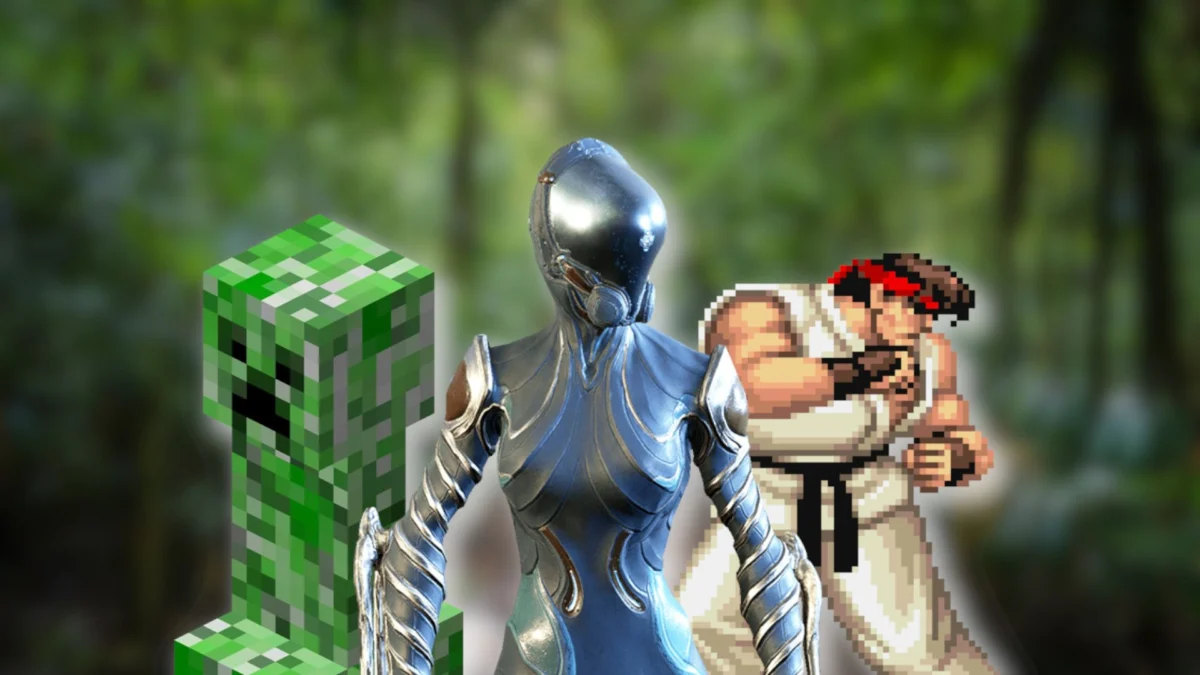
The annals of video game history are not solely paved with meticulously planned mechanics and polished code. Instead, a fascinating narrative emerges, one where accidental glitches, unintended quirks, and developer oversights have not only been tolerated but have blossomed into some of the most iconic and beloved elements of interactive entertainment. Much like Alexander Fleming’s accidental discovery of penicillin from a contaminated petri dish, or Notch’s serendipitous creation of the Creeper in Minecraft due to a simple coordinate mix-up, game development has a rich tradition of happy accidents. These moments, where a bug is spotted, deemed interesting, and preserved, have repeatedly redefined genres and captured players’ imaginations, often in ways far exceeding original intentions.
These serendipitous creations manifest in diverse ways. Some were quietly acknowledged by development teams, becoming deliberate "secrets" for astute players to uncover. Others were embraced by the community, exploited for years before official recognition. A select few were initially slated for patching, only to be resurrected after a player outcry demonstrated their unexpected value. And in some extraordinary instances, developers have even allowed bugs to run rampant for entire weekends, choosing to let players revel in the delightful chaos. This article explores ten of the most remarkable instances where game development’s happy accidents transformed into enduring legacies.
10. Street Fighter II: The Genesis of Combos
The Bug That Defined a Genre
In the realm of fighting games, few titles have cast as long a shadow as Street Fighter II. Its impact on the genre is undeniable, and at its core lies a revolutionary mechanic that was born from an unforeseen bug: the combo system.
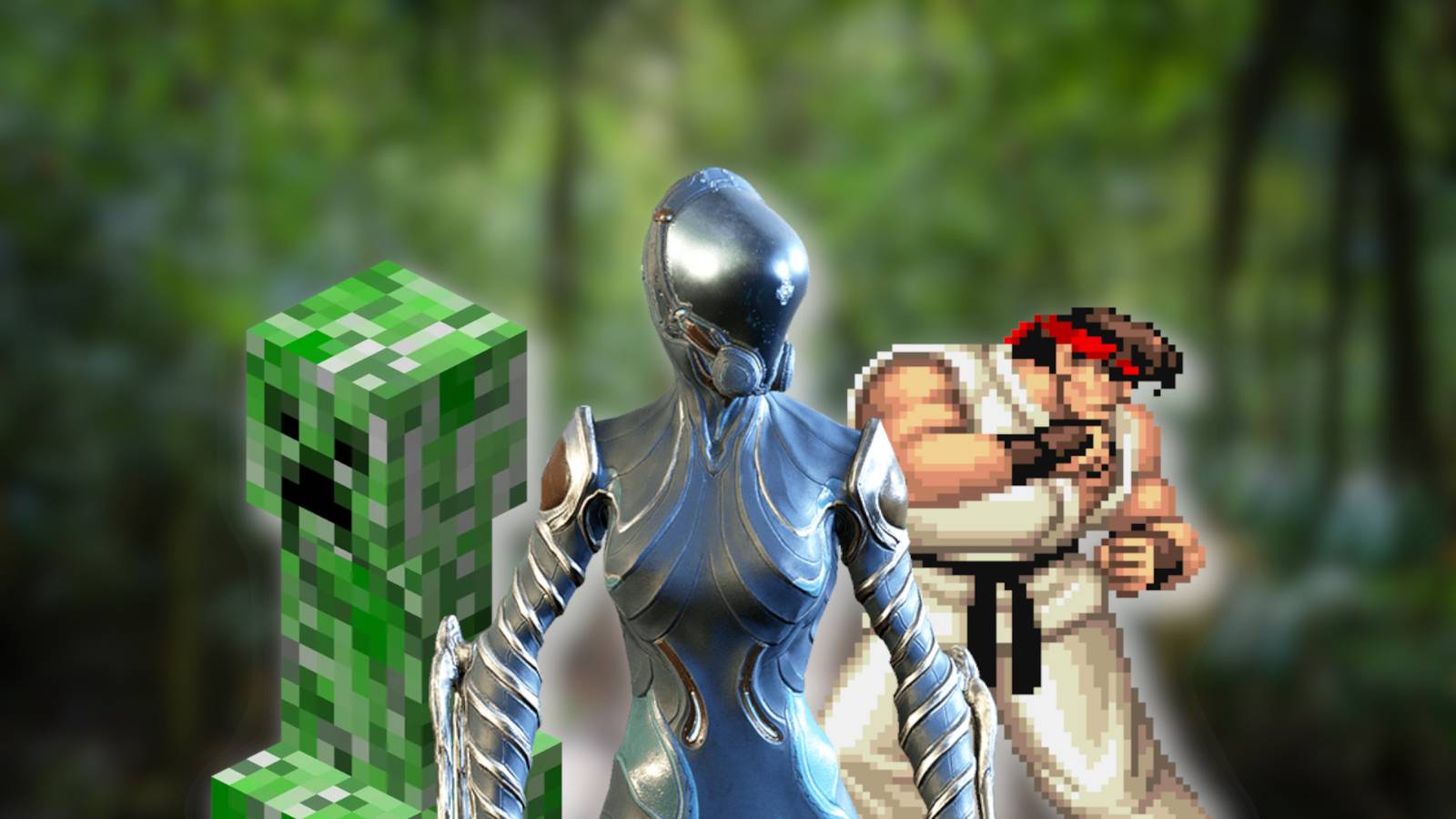
During the development of Street Fighter II, the team at Capcom aimed to refine the input timing for special moves, making iconic attacks like Ryu’s Hadoken more accessible to players. However, this loosening of timing had an unintended consequence. Developers discovered that by chaining certain attack inputs together in rapid succession, players could bypass the normal recovery animations of individual moves. This allowed for a sequence of attacks to land on an opponent before they had even recovered from the previous hit, effectively "stunlocking" them in a chain of damage.
Initially, some developers expressed concern that this "stunlock" would unbalance the game. Yet, a consensus was reached to leave it in as a hidden technique, a reward for players who delved deeper into the game’s mechanics. This decision proved to be monumental. Combos quickly became a celebrated aspect of Street Fighter II, acting as a clear differentiator between casual players and those with true mastery. This accidental discovery became the bedrock of competitive fighting game design, establishing a language of skill and execution that continues to define the genre. Later iterations, such as Super Street Fighter II and Street Fighter II: Turbo, fully embraced and formalized combos, even adding on-screen counters to tally the hits. What began as a glitch had fundamentally reshaped the vocabulary of a gaming genre.
9. Quake II: The Art of Strafe-Jumping
Breaking the Speed Cap on Purpose, Eventually
The relentless pace and visceral combat of Quake II are etched into the memories of early PC gamers. Its fluid movement, however, was significantly enhanced by an unintended mechanic that allowed players to achieve incredible speeds: strafe-jumping.
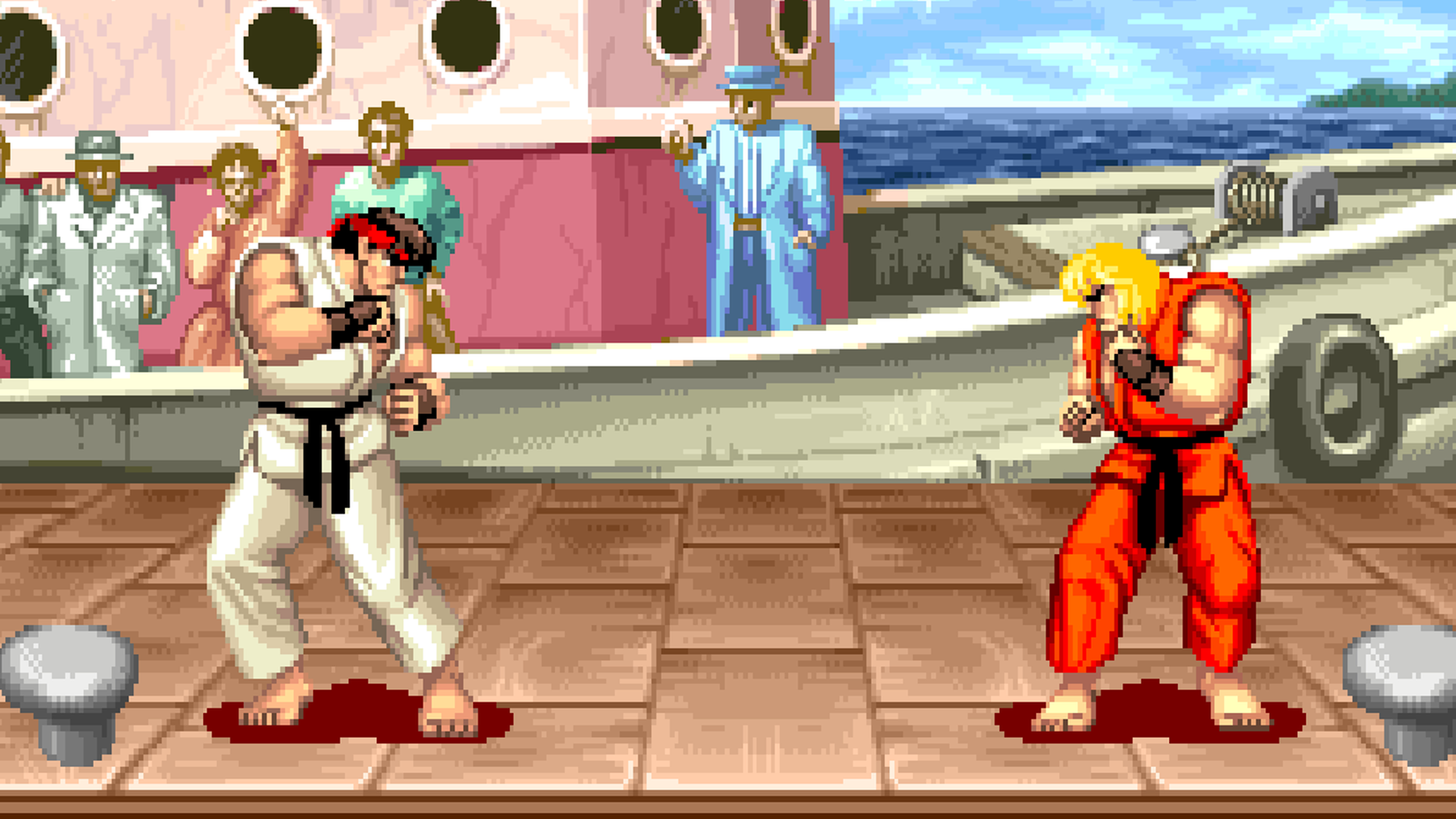
The origin of strafe-jumping lies in an oversight within Quake II‘s acceleration and movement speed calculations. When a player initiated a directional input, the game applied an acceleration vector in that direction. Crucially, the speed limit was applied relative to the direction of this vector, rather than the player’s overall velocity. This discrepancy allowed for a clever maneuver: by jumping and simultaneously pressing a strafe key while subtly turning the mouse in the direction of movement, players could create an angle between the input direction and their actual velocity. This manipulation allowed them to continuously exceed the game’s intended speed cap.
This technique was so intricate and rewarding that dedicated maps, akin to obstacle courses, were developed by the community purely for practicing strafe-jumping. Its impact was so profound that id Software, the developers, chose to preserve it in subsequent titles. What began as a subtle physics bug evolved into one of the most celebrated movement mechanics in the history of first-person shooters. Strafe-jumping became a cornerstone of competitive play, a fundamental skill for speedrunners, and a testament to how emergent gameplay can arise from even the most minor code discrepancies.
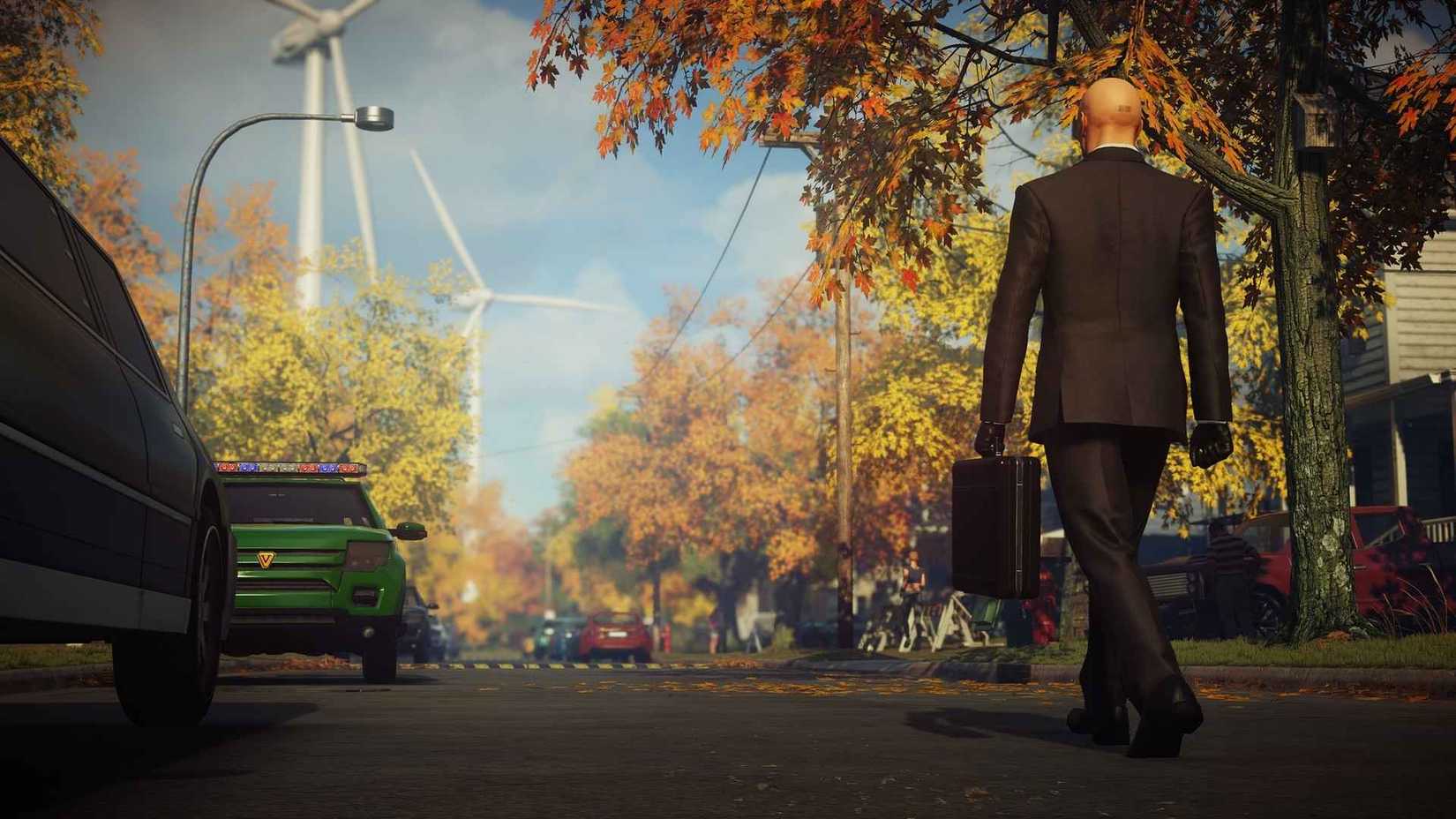
8. Hitman 2: The Homing Briefcase Phenomenon
They Fixed the Bug, Then Brought It Back
The Hitman series is renowned for its sandbox-style assassination gameplay, offering players a plethora of creative and often absurd ways to eliminate targets. In Hitman 2, a bug emerged that perfectly embodied this spirit of creative chaos: the homing briefcase.
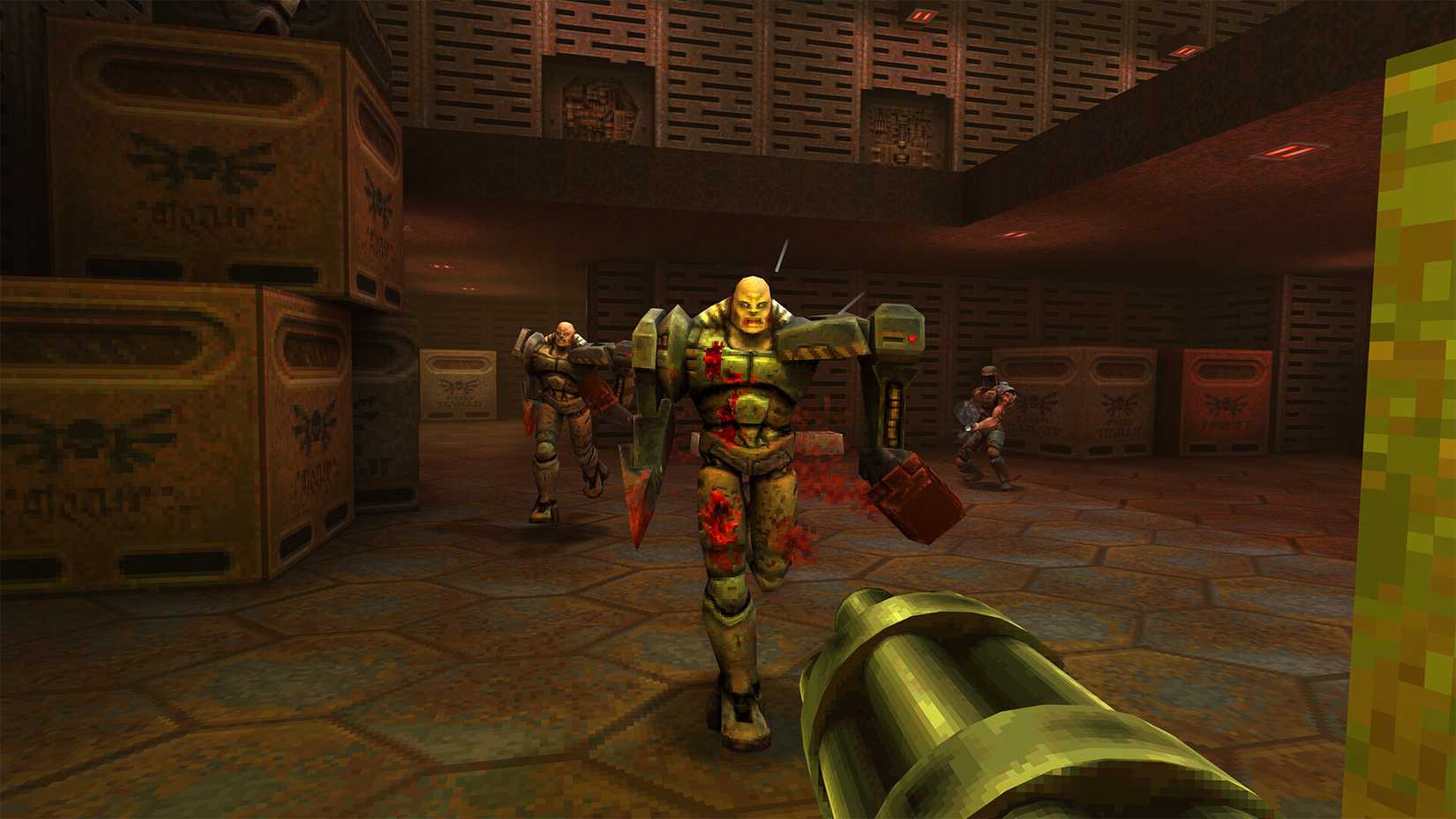
This peculiar glitch caused Agent 47’s briefcase, when thrown with a specific combination of precision and conditions, to track towards targets with uncanny accuracy, defying conventional physics. It was a bizarre, yet undeniably entertaining, anomaly. Initially, IO Interactive, the game’s developer, patched the bug out. However, in a move that delighted players, they later re-introduced it as an official, albeit tongue-in-cheek, feature in August 2019.
The developers humorously described it as a "physics-bending briefcase designed to induce fear and terror in whoever gets in its way." This decision highlighted a key strength of independent game development: the willingness to embrace silliness and lean into the unexpected. The Hitman series already featured absurd weapons like flapping fish and energy drink cans, making a heat-seeking briefcase a natural, if unintended, fit. Its return was a testament to the power of community feedback and the developer’s recognition that sometimes, the most memorable features are the ones nobody planned for. The silly, yet surprisingly effective, homing briefcase became a beloved addition, proving that embracing a bug can be just as valid as fixing it.
7. DotA: The Art of Creep Stacking
An Economy Mechanic Nobody Designed
In the intricate world of real-time strategy and multiplayer online battle arena (MOBA) games, DotA (Defense of the Ancients) stands as a titan. Its deep strategic complexity, however, owes a debt to an emergent mechanic born from the game’s AI: creep stacking.
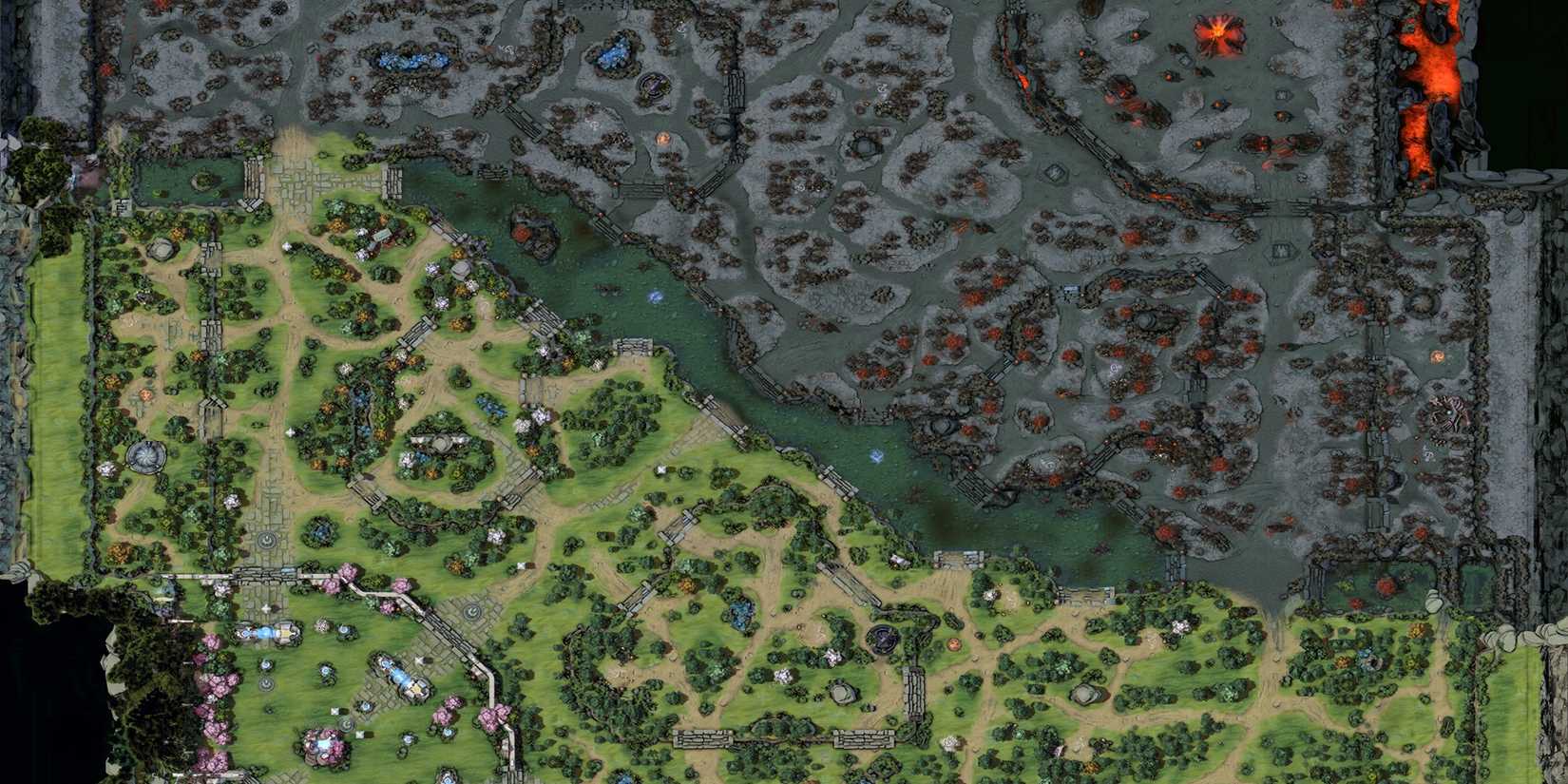
Neutral creep camps in DotA were programmed to respawn their units precisely at the top of every minute, but only if their designated spawn area was completely empty. Players discovered that by engaging and drawing the creeps away from their spawn point just before the minute mark, they could create an empty box. This allowed for a new wave of creeps to spawn while the original group was still engaged or repositioning. The result was the accumulation of multiple creep waves in a single camp, creating a significantly larger pool of experience and gold for the player who managed to defeat them.
The original developer, IceFrog, recognized that this was not an exploit to be removed but rather a mechanic that organically enriched the game. Creep stacking rewarded players for their map awareness, precise timing, and understanding of game mechanics. It provided supports with a crucial way to help their carry heroes gain an advantage and introduced a layer of strategic depth that players had organically discovered. Instead of patching it out, it was embraced and refined over subsequent patches, becoming an integral part of Dota 2‘s meta. A dedicated stat was even introduced to track a player’s creep stacking prowess, solidifying its status as an officially recognized and celebrated feature.
6. Warframe: The Birth of Bullet Jumping
A Movement Bug Became the Soul of the Game
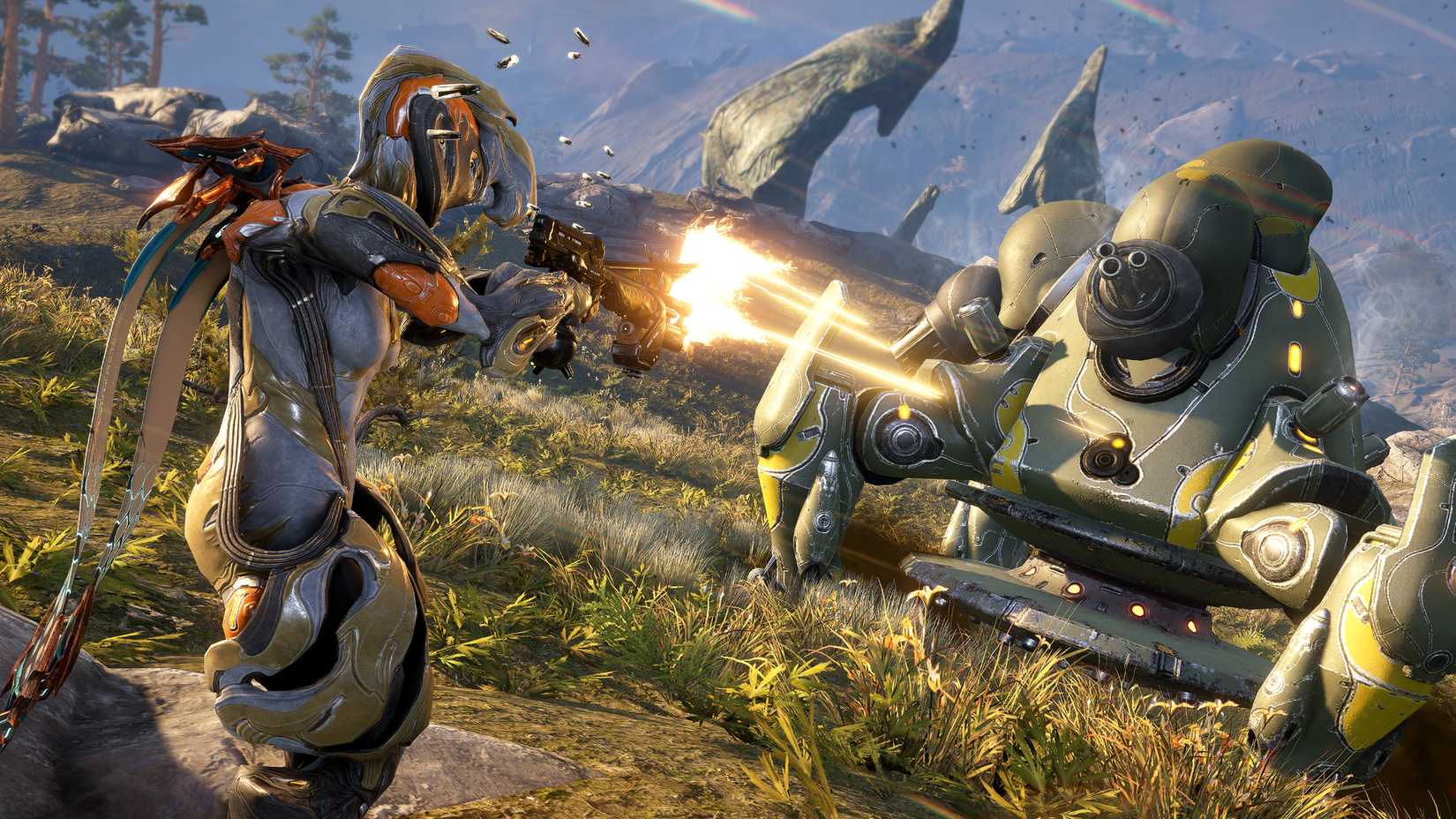
The hyper-kinetic, acrobatic combat of Warframe is a defining characteristic of the game. What players now experience as the fluid and exhilarating "Bullet Jump" was, in its infancy, a bug known as "coptering."
In the early days of Warframe, players discovered that by chaining certain movement animations together in unintended sequences, they could achieve astonishing bursts of speed, propelling themselves across maps at rates far exceeding the developers’ initial design. This "coptering" bug provided a thrilling sense of freedom and velocity that resonated deeply with the player base.
Digital Extremes, the game’s developer, recognized the core appeal of this bug. Instead of simply patching it out, they made a conscious decision to evolve it. The COO of Digital Extremes famously stated, "It was a bug that got exploited, and we changed that into the key defining features of Warframe." This evolution led to the creation of the Bullet Jump, a refined and intentional mechanic that captured the essence of coptering while offering even greater speed, verticality, and flexibility. This process exemplifies a unique form of co-development, where the player community’s engagement with an emergent bug directly shaped the game’s fundamental identity. Bullet Jumping is now inextricably linked to Warframe‘s gameplay, a testament to how embracing player-driven discovery can lead to truly defining features.
5. Pokémon Red/Blue: The Enigmatic MissingNo.
The Glitch Pokémon That Became a Schoolyard Legend
The original generation of Pokémon games, Red and Blue, were rife with glitches, fostering an atmosphere where rumors of hidden Pokémon and secret mechanics were rampant. At the heart of this legend-building was MissingNo., a glitch Pokémon that became a cultural phenomenon.
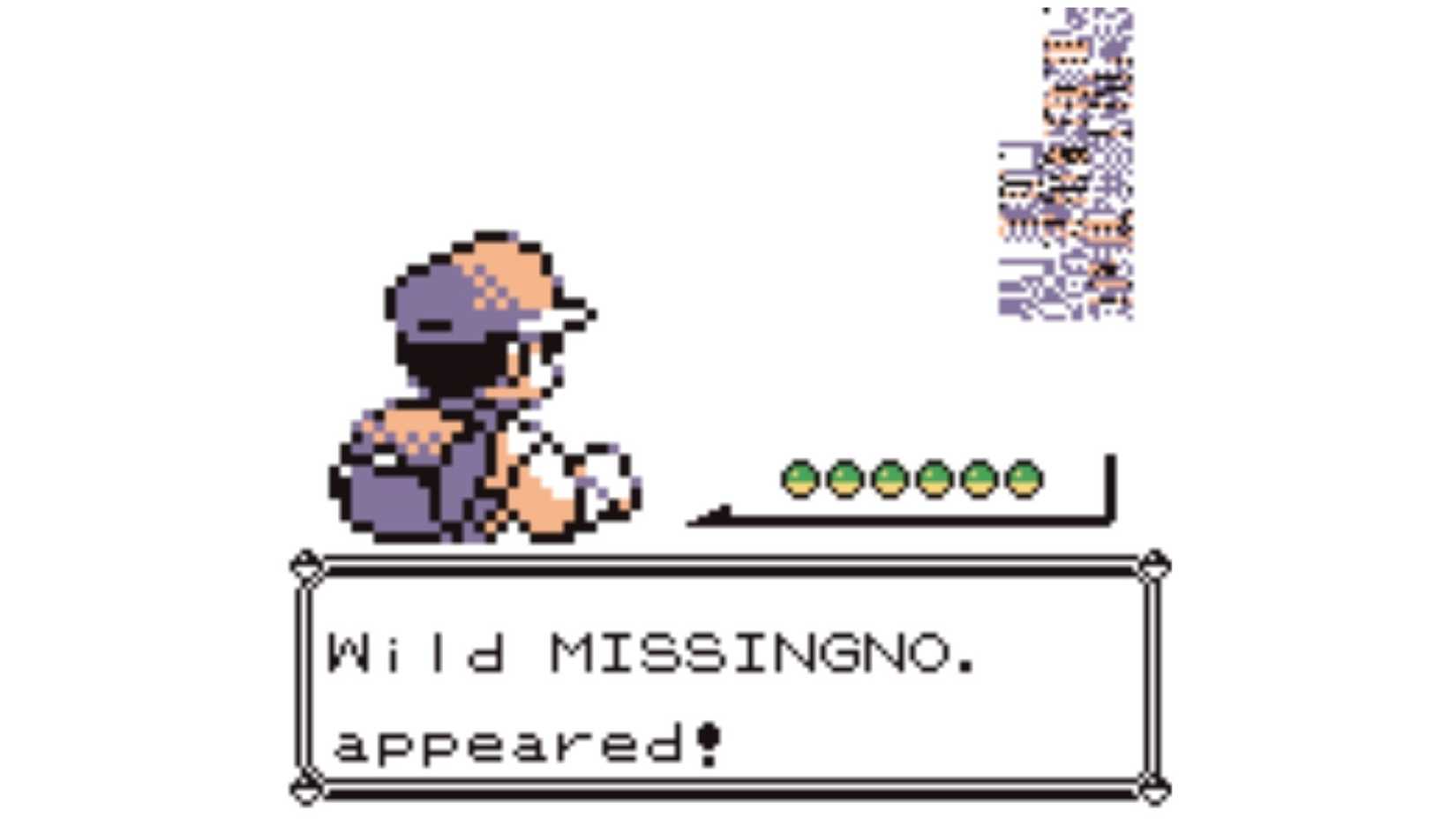
MissingNo. was an extraordinary glitch that manifested through a specific sequence of in-game actions. By interacting with an NPC in a particular way and then traversing a certain coastline, players could encounter this bizarre creature. MissingNo. was a dual-type Bird/Normal Pokémon with a corrupted, static-like sprite and a blank cry. Its most significant, and perhaps most legendary, effect was its ability to duplicate items in the player’s inventory. Placing an item in the sixth slot of your bag before encountering MissingNo. would result in that item being duplicated numerous times.
The appearance and effects of MissingNo. were so peculiar and impactful that it transcended being a mere bug. It became a rite of passage for an entire generation of players, a shared secret whispered about on schoolyards. Game Freak, the developer, never patched out MissingNo. in the original releases. This decision allowed the glitch to cement itself in gaming history, demonstrating how even unintended imperfections can contribute to a game’s enduring charm and mystique. The imperfect, glitchy nature of these early Pokémon games, epitomized by MissingNo., made them feel more alive and full of possibility.
4. Minecraft: The Accidental Creeper
A Pig That Went Very Wrong
Few creatures in video game history are as instantly recognizable and iconic as the Minecraft Creeper. This terrifying, explosive antagonist, however, owes its existence to a simple, yet profound, coding mistake.
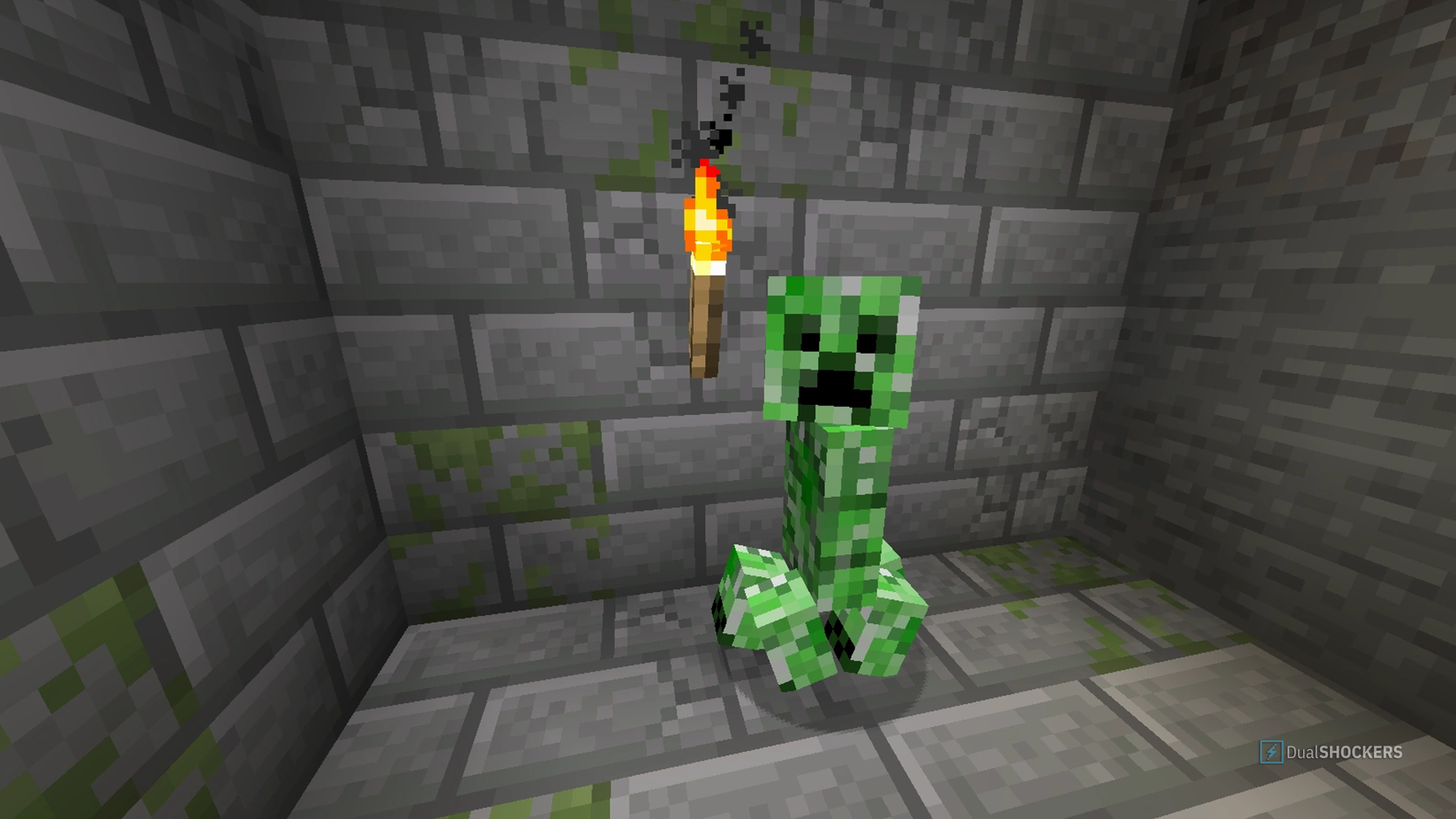
In 2009, Markus "Notch" Persson, the creator of Minecraft, was attempting to model a pig. During the process, he inadvertently mixed up the values for the object’s height and length. Instead of a wide, low-lying pig, the result was a tall, thin, four-legged creature with an unsettling silhouette. Notch himself described the event in the documentary Minecraft: The Story of Mojang, stating, "The creepers were a mistake. I accidentally made them tall instead of long, so it was like a tall thing with four little feet. And that became the creeper. As opposed to a pig."
Rather than discarding this accidental creation, Notch embraced it. He applied a green texture, imbued it with its signature explosive behavior, and introduced it into the game. The Creeper’s unique design and terrifying ambush tactics quickly made it a formidable and unforgettable presence. Its impact was so significant that by Beta 1.4, it was incorporated into the official Minecraft logo, a position it has held ever since. The Creeper stands as a prime example of how a simple coordinate error can lead to the creation of one of gaming’s most iconic and beloved characters.
3. Final Fantasy VI: The Vanish + Doom Exploit
The Exploit That Made Every Boss Optional
The JRPG landscape is replete with intricate magic systems and challenging boss encounters. However, Final Fantasy VI on the SNES harbored an unintended exploit that fundamentally altered the game’s difficulty: the Vanish + Doom combination.
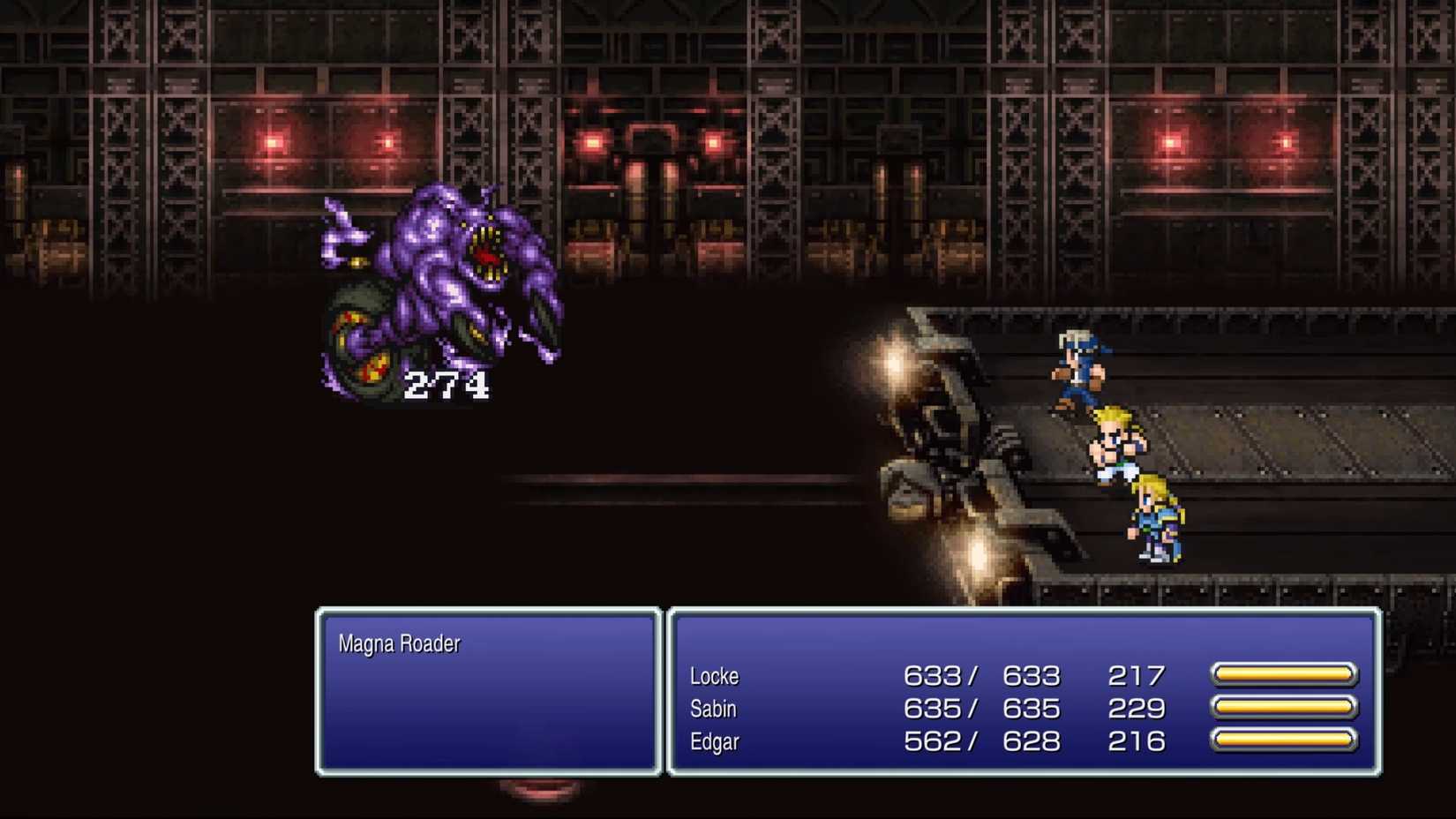
This exploit stemmed from the interaction between the game’s magic system and the "Invisible" status effect. Bosses in Final Fantasy VI were designed with immunity to instant-death spells. However, the "Vanish" spell, which made targets invisible, also had a hidden side effect: it granted a 100% magic hit rate, overriding any immunity checks. Since most bosses were not immune to Vanish itself, players could cast Vanish on an enemy, followed immediately by the "Doom" (or Death) spell. The result was an instant defeat for any enemy in the game, including all bosses, regardless of their intended immunities.
Square attempted to address this exploit in later versions of the game. The PlayStation port included a fix, but it was imperfect, only preventing Vanish from working on a specific boss and introducing new bugs. While subsequent releases like the Game Boy Advance version partially mitigated the issue, the original SNES implementation of Vanish + Doom remains one of the most infamous and celebrated unintended exploits in JRPG history. It offered players an extraordinary level of power, allowing them to bypass significant challenges and redefine their engagement with the game’s difficulty. For many, it simply became an intrinsic part of how Final Fantasy VI was played.
2. The Legend of Zelda: Ocarina of Time: Wrong Warping
A Community’s Mastery of Unintended Teleportation
The Legend of Zelda: Ocarina of Time is a masterpiece of game design, lauded for its immersive world and intricate dungeons. Yet, its speedrunning community has built a legendary discipline around an unintended teleportation glitch known as "Wrong Warping."
This complex exploit arises from how Ocarina of Time handles two key variables: the "Base Entrance Index," which designates an entry point into Hyrule, and the "Scene Setup Index," which resolves this into a specific spawn location. During cutscenes, the Scene Setup Index is temporarily set to values between 4 and 12, deviating from the standard 0 to 3. By manipulating the Base Entrance Index to an unintended value while the game is in this cutscene state, players can bypass normal spawn logic and be deposited in entirely unforeseen locations within the game world.
The practical implications of Wrong Warping are staggering, particularly for speedrunners. When combined with other mechanics like "Farore’s Wind," this glitch allows players to skip vast portions of the game, reaching endgame content in mere minutes. Mastering Wrong Warping requires a deep understanding of how cutscenes are loaded, the state of memory after their completion, and precise timing. An entire community has dedicated itself to studying and exploiting these unintended game states, continually pushing the boundaries of what’s possible. The ongoing discovery of new Wrong Warps even today underscores the depth and complexity that can arise from a simple oversight in game logic.
1. Destiny 2: The Weekend of "The Craftening"
Shotgun Frames on an Auto Rifle, Bungie Said "Have Fun"
As Destiny 2 approached its eventual departure, a particular weekend stands out as a glorious anomaly, a testament to the joy of unintended consequences: "The Craftening." This period was defined by a bug in the game’s weapon crafting system that allowed for the creation of hilariously overpowered and unconventional weapon combinations.
The glitch enabled players, through precise timing or network inconsistencies, to transfer weapon frames and perks between guns that were never meant to share them. The most prominent example involved combining shotgun frames with auto rifles. The result? An auto rifle that fired a spread of shotgun pellets with each burst. This, when combined with perks like "Fourth Times the Charm" (which procs on precision hits and refills the magazine), created a machine gun that essentially never ran out of ammunition while simultaneously shredding enemies with an overwhelming barrage. Similarly, players could apply shotgun frames to bows, leading to a spread of arrows with every shot.
What elevates "The Craftening" to the top of this list is Bungie’s response. Upon discovering this widespread and game-altering bug, their reaction was not one of immediate panic and patching. Instead, they issued a statement essentially saying, "We are aware of this, have fun this weekend while we work on a fix." For an entire weekend, players experienced Destiny 2 like never before, engaging in Grandmaster Nightfalls, Trials of Osiris, and solo dungeons with these absurd, "frankenguns." It was, by all accounts, one of the most purely enjoyable and chaotic weekends the game has ever seen. Bungie’s decision to let players revel in the delightful mayhem demonstrated a profound understanding of their community and a willingness to embrace the emergent fun that can arise from even the most significant of bugs.












No comments yet. Be the first to join the conversation!