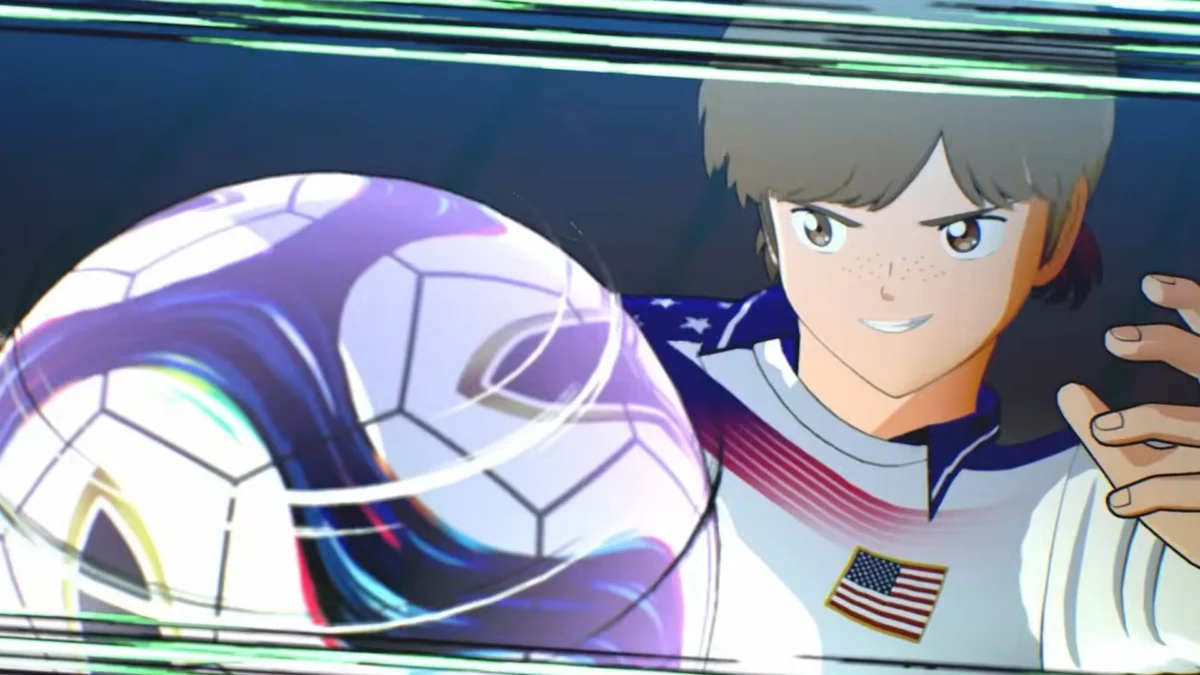
With the global spectacle of the FIFA World Cup captivating audiences worldwide, the anticipation for new soccer-related entertainment is palpable. While the real-life tournament may be in full swing, a new digital contender is gearing up to enter the arena. Bandai Namco’s upcoming title, Captain Tsubasa 2: World Fighters, promises a distinctly anime-infused experience, offering a refreshing departure from the traditional simulation-heavy approach of established franchises.
This ambitious sequel, based on the legendary 1980s sports manga by Yoichi Takahashi, is poised to deliver a massively expanded gameplay experience. The over-the-top, visually striking presentation of Captain Tsubasa 2: World Fighters is set to carve out its own niche in the crowded sports game market, offering a vibrant alternative to the familiar EA Sports FC formula. The game’s imminent launch, scheduled for August 28th, has generated considerable buzz among fans of the manga and newcomers alike, eager to experience the iconic characters and dramatic storytelling brought to life in a high-definition soccer simulation.
Main Facts: A New Era for Anime Soccer on Console
Captain Tsubasa 2: World Fighters is not merely a reskin of its predecessor; it represents a significant leap forward in scope and ambition. Building upon the foundation of a "fairly well-liked PS4 game," the developers at Bandai Namco have clearly invested heavily in expanding every facet of the experience. The game aims to capture the boundless energy and fantastical elements that made the Captain Tsubasa manga a global phenomenon, translating them into an engaging and accessible gameplay loop.
The core of the game revolves around a narrative deeply inspired by the original manga’s plot. This means players can expect to relive the formative years of Tsubasa Ozora and his talented teammates, witnessing their rise through the ranks and their pivotal matches. However, the developers have gone beyond a simple retelling, promising "expanded storylines." This suggests that players will encounter new narrative threads, potentially exploring alternative paths for beloved characters or delving deeper into the backstories of rival players and teams. This commitment to narrative depth is a key differentiator, aiming to appeal not only to existing fans but also to players seeking a more story-driven sports experience.
Beyond the single-player campaign, Captain Tsubasa 2: World Fighters boasts a comprehensive suite of competitive multiplayer modes. This indicates a strong focus on player-versus-player engagement, allowing fans to test their skills and strategies against each other online. The inclusion of various international teams from around the globe further enhances the game’s appeal, offering a diverse roster of talent for players to choose from and master. This global perspective aligns perfectly with the spirit of the World Cup, allowing players to represent their favorite nations or discover new footballing powerhouses.
A particularly exciting revelation from the game’s promotional materials is the confirmation of several real-world club teams. The inclusion of iconic outfits like Argentina’s legendary Boca Juniors signifies a move towards greater authenticity and fan service, bridging the gap between the fantastical world of Captain Tsubasa and the real-world sport. This integration of licensed clubs adds another layer of depth and appeal, potentially attracting a wider audience of soccer enthusiasts.
Pre-order bonuses are also a significant draw, with the promise of Japan’s national team jersey for early adopters. This incentivizes players to commit to the game before its official release, further building anticipation and securing a dedicated player base from day one. The existence of Deluxe and Ultimate editions, which include access to a Season Pass for future DLC packs, signals a long-term commitment to supporting the game post-launch. While the specific content of these DLC packs remains unannounced, the prospect of new characters, teams, or storylines offers a tantalizing glimpse into the game’s future evolution.

Chronology: From Manga Legend to Next-Gen Soccer
The genesis of Captain Tsubasa 2: World Fighters can be traced back to the enduring legacy of Yoichi Takahashi’s Captain Tsubasa manga. First serialized in 1981, the manga quickly became a cultural phenomenon, inspiring a generation of footballers and sports enthusiasts across Japan and beyond. Its fantastical portrayal of soccer, characterized by gravity-defying shots, elaborate team strategies, and deeply emotional character arcs, resonated with millions.
The manga’s success led to numerous anime adaptations, video games, and merchandise, solidifying its status as a cornerstone of sports entertainment. The previous console iteration, Captain Tsubasa: Rise of New Champions on PS4, garnered a positive reception for its faithful adaptation of the manga’s spirit and its unique gameplay mechanics. Captain Tsubasa 2: World Fighters is positioned as a direct evolution of this successful formula, aiming to elevate the anime soccer experience to new heights on the PlayStation 5.
The development of Captain Tsubasa 2: World Fighters has been a deliberate process, focusing on leveraging the power of the PS5 to deliver enhanced visuals, more fluid animations, and a richer gameplay experience. The game’s announcement and subsequent reveals have been strategically timed, building momentum and anticipation within the gaming community. The decision to release the game on August 28th, while not directly coinciding with the World Cup, allows it to capitalize on the sustained interest in soccer generated by major international tournaments. This strategic timing ensures that the game remains relevant and in the spotlight during a period of heightened global soccer fervor.
Supporting Data: A Deeper Dive into Gameplay and Features
While specific gameplay mechanics are still being fully detailed, the trailers and announcements for Captain Tsubasa 2: World Fighters provide substantial insight into what players can expect. The game appears to retain the arcade-style action that defined its predecessor, emphasizing special moves, dramatic comebacks, and strategic use of character abilities. This approach differentiates it significantly from the realistic simulations offered by titles like EA Sports FC.
Key gameplay elements anticipated include:
- Special Skills and Signature Moves: Players will likely be able to unleash iconic moves popularized by the manga, such as Tsubasa’s "Drive Shot" or Hyuga’s "Tiger Shot." These abilities are expected to be visually spectacular and strategically impactful, allowing for game-changing moments.
- Team Synergy and Formations: The game will likely emphasize building cohesive teams and implementing effective formations. The success of special moves and overall performance could be tied to player chemistry and tactical setup.
- Dynamic Match Flow: The anime presentation suggests a focus on creating dramatic and engaging matches. Expect moments of intense pressure, sudden shifts in momentum, and heroic individual efforts.
- Character Customization and Progression: While not explicitly detailed, it is probable that players will have options to develop their characters, customize their skills, and perhaps even create their own unique players within the game’s universe.
The narrative component is a significant draw. The "narrative inspired by the original plot" suggests a faithful retelling of key arcs from the manga, allowing players to experience the formative journeys of Tsubasa and his rivals. The "expanded storylines" hint at the possibility of branching paths, character-specific side quests, or even entirely new arcs that complement the established lore. This focus on storytelling aims to create a more immersive and emotionally resonant experience than many traditional sports games offer.
The inclusion of "a full suite of competitive multiplayer modes" is crucial for long-term engagement. This could encompass various online tournaments, ranked play, casual matches, and potentially even co-operative modes. The breadth of these modes will determine the game’s longevity and its ability to foster a thriving online community.

The confirmation of real-world club teams like Boca Juniors is a notable addition. This suggests that the game may feature a hybrid approach, blending the fictional characters and teams of Captain Tsubasa with recognizable footballing institutions. The exact extent of this integration and how these real-world clubs will be incorporated into the game’s modes remains to be seen, but it represents a significant step towards appealing to a broader football audience.
Official Responses: Developers’ Vision for Captain Tsubasa 2
While direct quotes from Bandai Namco spokespeople regarding Captain Tsubasa 2: World Fighters are not extensively documented in the provided text, the game’s features and promotional materials offer a clear indication of the developers’ vision. The emphasis on "massively expanded sequel," "over-the-top anime presentation," and "expanded storylines" highlights a commitment to pushing the boundaries of what anime-based soccer games can achieve.
The developers appear to be acutely aware of the existing landscape of soccer games. By positioning Captain Tsubasa 2: World Fighters as a "breath of fresh air" compared to the "tried-and-trusted EA Sports FC formula," they are signaling a clear intention to offer a distinct alternative. This suggests a focus on accessibility, entertainment value, and a celebration of the unique spirit of the Captain Tsubasa franchise, rather than a pursuit of hyper-realism.
The inclusion of pre-order bonuses and multiple editions also indicates a strategic approach to market engagement and revenue generation. By offering tangible incentives for early adoption and tiered purchase options, Bandai Namco aims to maximize sales and build initial player momentum. The promise of future DLC through a Season Pass further underscores a long-term vision for the game, suggesting that it is intended to be a platform for ongoing content updates and community engagement.
The developers’ approach appears to be one of celebrating the source material while also innovating within the sports game genre. The blend of faithful manga adaptation with expanded narrative content and competitive multiplayer modes points to a desire to create a comprehensive and engaging experience that appeals to both long-time fans and new players looking for a unique soccer game.
Implications: A Potential Game-Changer for Anime Sports Fans
The release of Captain Tsubasa 2: World Fighters carries significant implications for both the Captain Tsubasa franchise and the broader anime sports game genre.
For the Captain Tsubasa Franchise: This title represents a crucial opportunity to reintroduce the beloved characters and world of Captain Tsubasa to a new generation of gamers on a leading console platform. A successful launch and positive reception could reignite interest in the manga and anime, potentially leading to further adaptations and expansions of the franchise. The game’s ability to attract and retain players will be a strong indicator of the enduring appeal of Takahashi’s creation in the modern gaming landscape.

For the Anime Sports Game Genre: Captain Tsubasa 2: World Fighters has the potential to set a new benchmark for anime-based sports titles. Its ambitious scope, coupled with a clear differentiation from traditional sports simulations, could pave the way for other anime franchises to explore their sporting universes with similar depth and creative freedom. If the game successfully merges compelling narratives with engaging gameplay and robust multiplayer, it could demonstrate a viable and lucrative market for sports games that prioritize style, character, and over-the-top action.
The game’s success could also influence how established sports game developers perceive the value of alternative gameplay styles. By proving that there is a significant audience for arcade-style sports experiences with strong narrative elements, Captain Tsubasa 2: World Fighters might encourage greater experimentation within the genre.
Furthermore, the inclusion of real-world club teams alongside fictional characters raises interesting questions about the future of licensing in anime sports games. A successful integration could inspire other developers to explore similar hybrid approaches, bridging the gap between fictional universes and the realities of professional sports.
Ultimately, Captain Tsubasa 2: World Fighters is poised to be more than just another soccer game. It is an ambitious project that aims to capture the magic of a legendary manga and translate it into a thrilling, visually stunning, and deeply engaging gaming experience. Its success or failure will undoubtedly have lasting implications for the future of anime sports gaming.