Neng Nana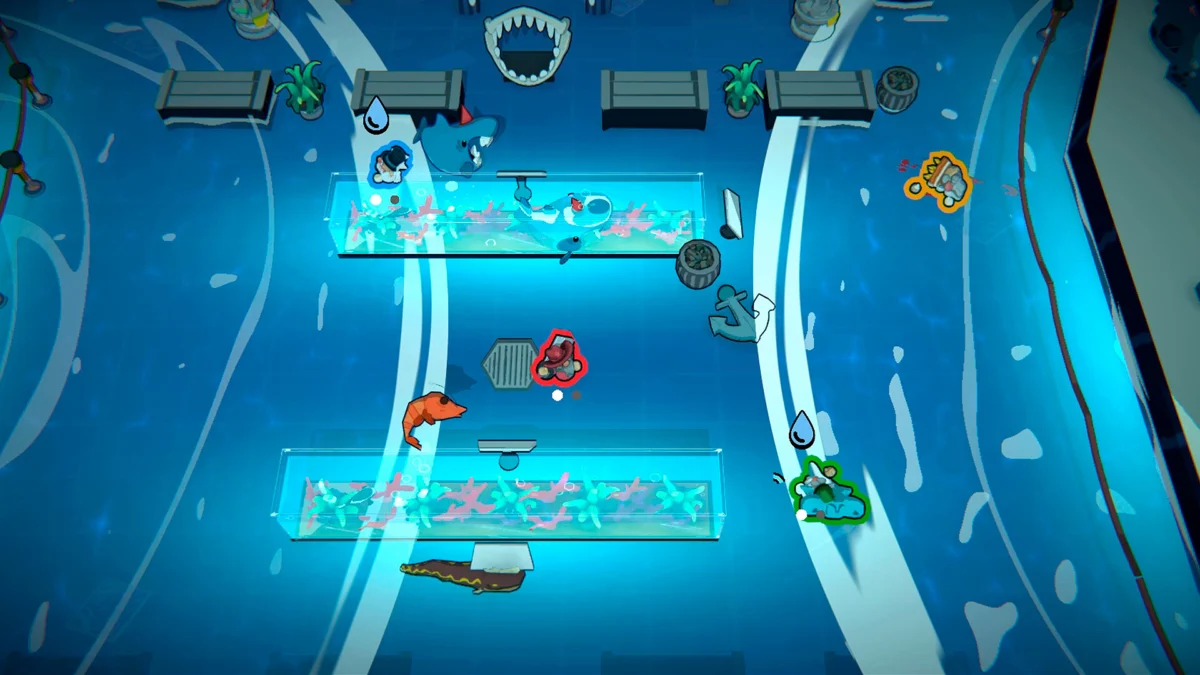
In the ever-expanding universe of local multiplayer titles, few games manage to capture the elusive "just one more round" energy that defines the genre. Yet, Gnaughty Gnomes, the latest chaotic romp to hit Steam, does exactly that. By blending frenetic, environment-based platforming with a strategic, card-drafting upgrade system, the game offers a refreshing, tactical layer to the traditional party-game formula.
Developed with a keen eye for both accessibility and depth, Gnaughty Gnomes tasks up to four players with outlasting their rivals in a series of increasingly hazardous, vibrant arenas. Whether you are dodging the snapping tongues of giant frogs or engaging in a high-stakes game of hide-and-seek, the game proves that even the smallest garden dwellers can provide the biggest thrills.
The Core Experience: Mechanics and Mayhem
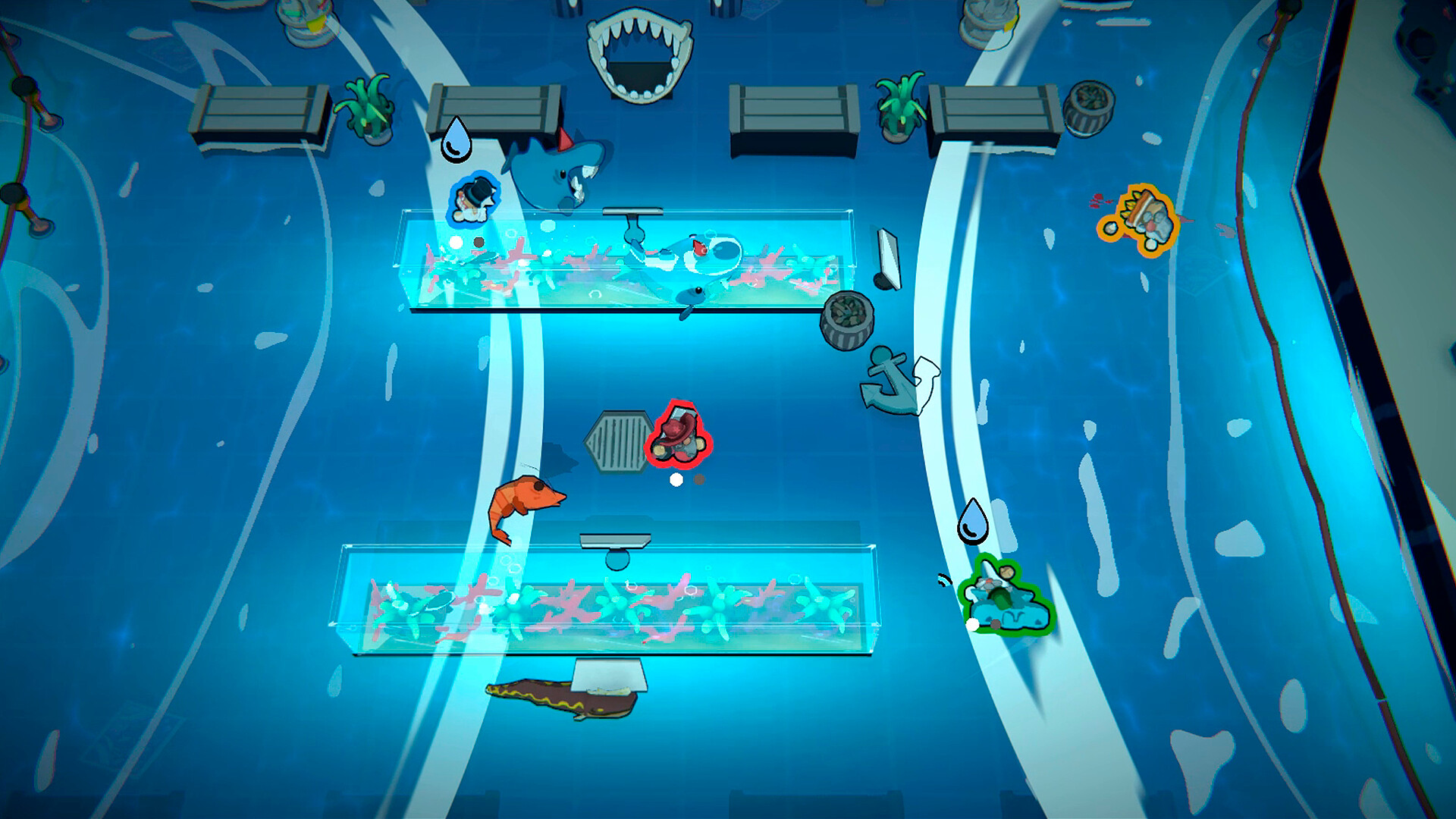
At its heart, Gnaughty Gnomes is a physics-based brawler that thrives on unpredictability. The objective is deceptively simple: be the last gnome standing. However, achieving this goal is easier said than done. Each level is teeming with environmental hazards—players must navigate swinging traps, avoid projectile-based obstacles, and manage the sheer chaos of a stage that feels alive and actively hostile.
What sets the game apart from typical "couch co-op" fodder is the integration of its card system. Between rounds, the playing field is leveled—or tilted—via a drafting mechanic. The player currently in last place is granted the first pick of a selection of upgrade cards. This "rubber-banding" mechanic is a stroke of design brilliance, ensuring that no player feels entirely out of the running, while simultaneously adding a layer of strategic depth that rewards long-term planning.
With over 150 unique cards available, the combinations are virtually endless. Some cards provide direct combat buffs, others grant passive movement bonuses, and a select few alter the game’s meta-rules, affecting how future cards are drafted. This means that a choice made in the second round might not pay dividends until the final showdown, forcing players to think several steps ahead of their opponents.
Chronology: From Concept to Conference Floor
The journey of Gnaughty Gnomes has been one of steady, calculated refinement. While the game has only recently reached its full public release on Steam, its development trajectory was marked by significant community testing and live feedback loops.
The Prototype Phase
Early development focused heavily on the physics engine and the "feel" of the gnomes’ movement. The developers recognized early on that for a party game to be successful, the controls had to be tight enough to feel fair, yet loose enough to allow for hilarious, momentum-based accidents.
The BIG Conference Breakthrough
The game gained significant traction following its showing at the BIG Conference (Bilbao International Games Conference). It was there that the nuances of the card-drafting system were truly put to the test. Attendees were reportedly surprised by the depth of the meta-game; the observation that some cards influence the "next lot of picking" highlights a level of design sophistication rarely seen in casual party titles.
Official Launch
Following the positive reception on the indie circuit, the team polished the final build, refining the character customization options and balancing the 150+ card deck to ensure that no single strategy could dominate the competition. The game is now available on Steam, marking the transition from a promising indie demo to a fully-featured commercial title.
Supporting Data: Why the Card System Works
The success of Gnaughty Gnomes hinges on its balanced distribution of power. In traditional party games, a "snowball effect" often occurs where the winner of the first round becomes too powerful to be challenged. Gnaughty Gnomes circumvents this through its drafting system:
- Catch-up Mechanics: By prioritizing the person in last place, the game keeps the intensity high until the final second.
- Strategic Depth: With 150+ cards, players must learn the "deck" of the game. Mastering which cards stack and which are detrimental in specific map types requires genuine skill.
- Variety of Playstyles: The ability to play in teams or as a free-for-all, combined with the "Prop Hunt" mode (which removes combat entirely), provides a modular experience that caters to different player preferences.
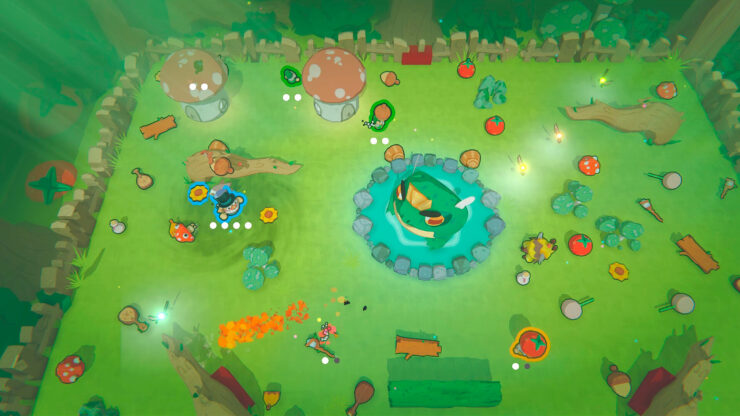
The aesthetic design serves as the final pillar of support for the game’s longevity. The environments are not merely backdrops; they are integral parts of the gameplay. A level set in a pond, for instance, forces players to interact with the environment in ways that differ drastically from an interior garden shed map. The visual cohesion—from the character models to the UI—lends the game a "polished" feel that many indie party games lack at launch.
Official Responses and Developer Intent
While the developers have remained focused on the post-launch support of the title, their stated goal has always been to create a game that bridges the gap between casual and competitive players. In various statements made during events like the BIG Conference, the team emphasized that the "chaotic" nature of the game was a design choice intended to foster laughter and social interaction rather than pure frustration.
The decision to include a Prop Hunt mode is particularly telling of the developer’s intent. By providing a mode that eschews the "last one standing" combat mechanic, they have opened the door for players who may be less interested in direct confrontation and more interested in the game’s movement and environment exploration. This flexibility is what positions Gnaughty Gnomes as a potential staple for parties, streamers, and family game nights alike.
Implications: The Future of Indie Party Games
The release of Gnaughty Gnomes signals a shift in the indie party game landscape. Developers are increasingly moving away from "simple is better" and toward a more hybrid approach, where accessible controls meet high-complexity meta-systems.
The Competitive Angle
Could Gnaughty Gnomes find a home in the burgeoning indie esports scene? Given the depth of the card-drafting system, it is entirely possible. If the developers continue to balance the card pool and introduce ranked play, the game could transcend the "party game" label and become a legitimate competitive contender.
Social Dynamics
The game’s design also highlights the importance of "social engineering" in game development. By allowing for team play and customizable aesthetics, the developers have ensured that the game facilitates group bonding. The "prop hunt" element, in particular, acts as a social lubricant, allowing groups to switch gears between high-intensity brawling and lower-stakes stealth gaming.
Longevity Through Content
The sheer number of cards—over 150—provides a massive amount of replayability. In a market where players often burn through games in a single weekend, the "learning curve" inherent in mastering these cards provides a long-term incentive to return to the game. As long as the developers continue to support the game with seasonal updates or balance patches, Gnaughty Gnomes is well-positioned to remain in the rotation for years to come.
Conclusion
Gnaughty Gnomes is a testament to the fact that creativity in the indie space is far from exhausted. By taking the familiar framework of a local multiplayer brawler and injecting it with the strategic depth of a digital card game, the developers have crafted something that feels both nostalgic and refreshingly new.
Whether you are looking for a game to settle an argument among friends or simply want a frantic, polished experience to round out your library, Gnaughty Gnomes delivers on all fronts. It is a loud, proud, and delightfully chaotic celebration of gaming that proves that sometimes, the best way to win is to be a little bit "gnaughty."
With its vibrant art style, deep strategic layers, and accessible gameplay modes, this is a title that deserves a spot on your Steam wishlist—and your next game night.


 Jia Lissa