Rifan Muazin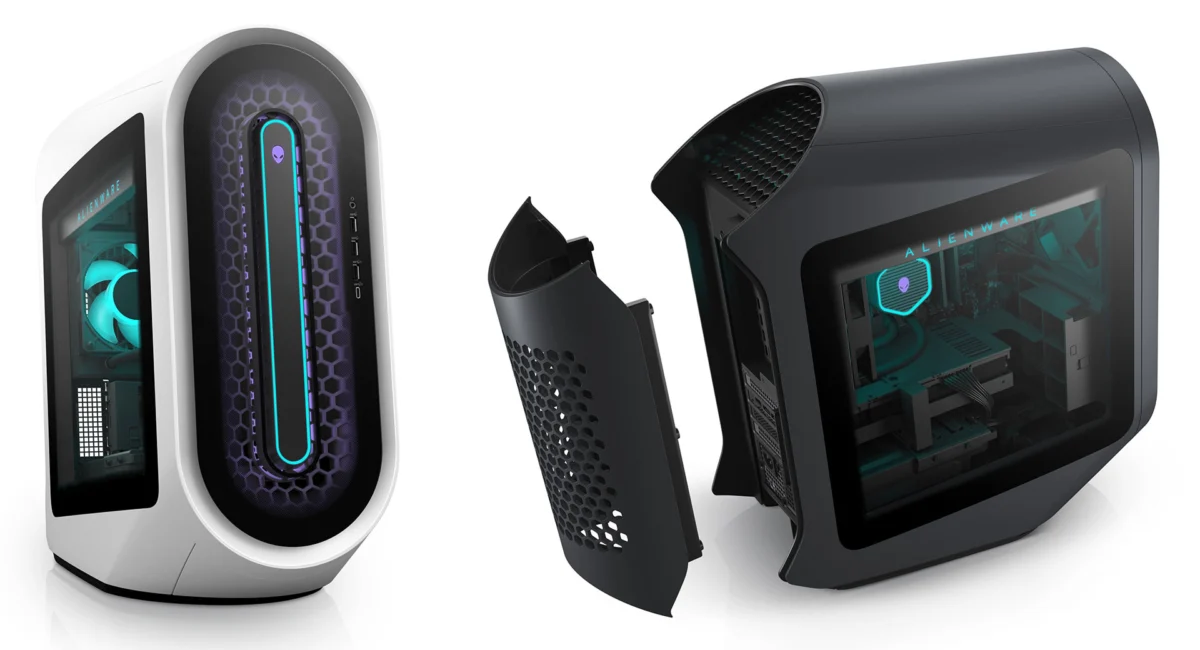
As the gaming industry shifts into a new era of high-fidelity, high-performance computing, one of the most recognizable names in the field is hitting a significant milestone. Alienware, the Dell-owned subsidiary that has become synonymous with high-end PC gaming, is celebrating its 25th anniversary this year. To mark the occasion, the company has pulled back the curtain on a redesigned flagship desktop: the new Alienware Aurora.
While the brand is hosting a commemorative Twitch stream today at 2:00 PM US Central Time (8:00 PM UK Time) to celebrate its quarter-century history, the hardware community has already received an early look at what will serve as the centerpiece of this celebration. This revamped Aurora is not merely a coat of paint; it represents a fundamental rethinking of Alienware’s internal cooling architecture and aesthetic philosophy, aimed at silencing critics and cooling the most demanding components on the market.
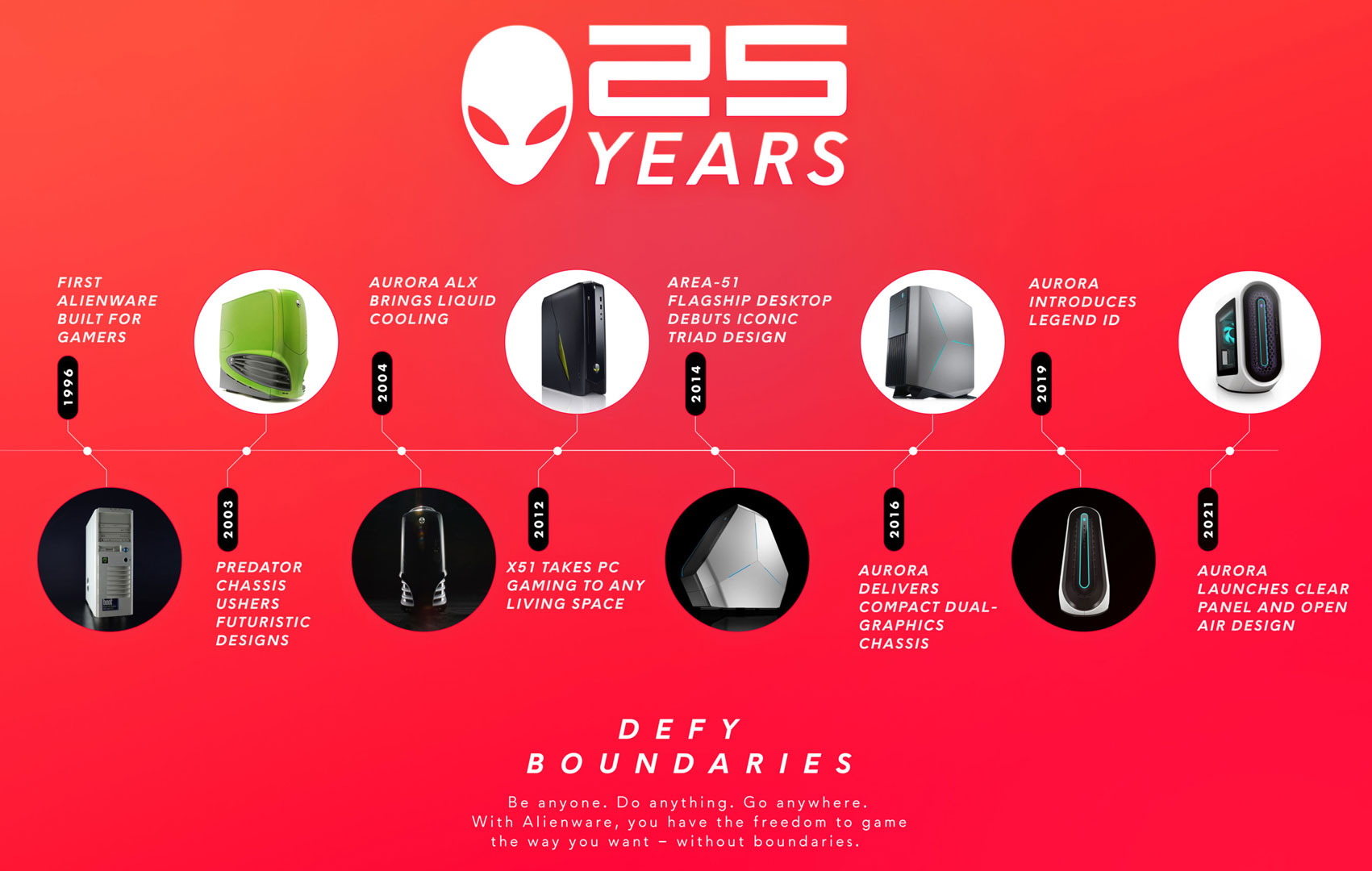
The Chronology: Two Decades of Alienware Evolution
To understand the magnitude of this redesign, one must look back at the trajectory of the Alienware brand. Founded in 1996 in Miami, Florida, Alienware emerged from a garage startup into a powerhouse of boutique PC manufacturing. Throughout the late 90s and early 2000s, the company was the gold standard for gamers who wanted top-tier performance without the hassle of building their own rigs.
The Bit-Tech archives serve as a time capsule for this progression. While the brand has been a constant presence in the industry, reviewers haven’t conducted a deep-dive analysis of an Alienware Aurora since the 2010 ALX model—a machine that, compared to today’s standards, feels like a relic of a different age. The gap between that legacy machine and the current iteration illustrates how far the company has traveled.
In the intervening years, Alienware transitioned from an independent boutique to a subsidiary of Dell, a move that brought both increased stability and a shift toward mass-market design language. The "Legend" design language introduced in recent years sought to move away from the aggressive, angular "alien" aesthetic of the mid-2000s toward a more sophisticated, minimalist, and "lunar" look. This new 25th-anniversary Aurora represents the next logical step in that design evolution—prioritizing airflow efficiency and internal accessibility over the cramped, proprietary designs of the past.
Main Facts: What Defines the New Aurora?
The new Aurora design retains the recognizable "plump" aesthetic of its immediate predecessors, but it has undergone a significant growth spurt. According to internal specifications provided by Dell, the new chassis offers 50% more internal volume compared to the Aurora R12.
Key Architectural Improvements:
- Chassis Expansion: The increase in internal volume is not merely cosmetic. By providing more breathing room, Alienware has effectively solved one of the primary complaints leveled at previous generations: thermal throttling.
- Transparent Side Panel: For the first time, users can opt for a clear left-side panel. This is more than just a nod to current industry trends; it serves as a showcase for Alienware’s "meticulous internal cable management," a feature the company is keen to highlight as a point of pride.
- Tool-less Accessibility: Alienware has doubled down on the ease of maintenance. The chassis is fully tool-less, allowing enthusiasts to upgrade GPUs, RAM, or storage drives without hunting for a screwdriver.
- Magnetic Rear Cable Cover: Aimed directly at the growing eSports demographic, this optional cover hides the unsightly nest of cables and I/O ports at the back of the machine. In tournament settings where the rear of the PC is often visible to the audience, this provides a clean, professional aesthetic.
Supporting Data: Efficiency and Thermal Performance
Alienware’s primary challenge with the Aurora line has always been balancing a compact footprint with the massive heat output of high-end components like the NVIDIA GeForce RTX 3090. The data provided by the company suggests that the new design succeeds in this mission.
Cooling and Noise Reduction Metrics:
- Fan Configurations: Every unit comes standard with two 120mm fans (one intake, one exhaust). However, higher-spec models can be configured with up to four 120mm fans and sophisticated liquid cooling solutions.
- Acoustic Profile: The refined airflow design has yielded tangible results in noise suppression. Alienware reports that the new chassis is up to 16% quieter while idling and up to 9% quieter during intensive gaming sessions.
- Performance Gains: When testing the new chassis against the older design using identical components, Alienware found that the new thermal architecture allowed for a 5% increase in gaming performance. This is attributed to the system’s ability to sustain higher clock speeds for longer durations without hitting thermal limits.
Official Responses and Strategic Positioning
In press communications surrounding the launch, Alienware has remained notably tight-lipped regarding the maximum possible specifications of the new desktop. While they have confirmed support for the NVIDIA GeForce RTX 3090, they have conspicuously avoided detailing the CPU configurations.
Industry analysts suggest this is a tactical move. With the semiconductor market in a state of flux and both Intel and AMD poised to release new architectures in the coming months, Alienware is likely holding back to ensure they can launch with the absolute "latest and greatest" silicon available.
"Our goal was to create a platform that honors our history while providing the cooling and accessibility that modern gamers demand," a representative stated in recent briefings. The company is positioning this new Aurora as a long-term investment—a chassis that is built to accommodate the next generation of power-hungry components, rather than one that will need to be replaced in eighteen months.
Implications: The Future of Pre-Built Gaming
The implications of this release are twofold. First, it signals that Alienware is finally listening to the "PC Master Race" community, which has long advocated for better airflow and more standardized internal layouts. By moving away from highly proprietary, cramped internal designs, Alienware is signaling a desire to regain the trust of hardcore enthusiasts who have drifted toward custom-built PCs.
Second, the move toward a "cleaner" aesthetic, exemplified by the rear magnetic cable cover, demonstrates the professionalization of gaming. As eSports continues to move into broadcast environments, the hardware itself becomes part of the stage production. Alienware is no longer just selling a box; they are selling a piece of studio equipment that needs to look as good on camera as it performs on the leaderboard.
Looking Ahead
The new Aurora will be available in two distinct finishes: "Lunar Light" (the classic, clean white) and "Dark Side of the Moon" (the sleek, matte black). While pricing and specific component configurations remain under wraps until the end of the year, the message from the 25th-anniversary event is clear: Alienware is ready to shed the baggage of its past proprietary limitations and step into a more open, performance-oriented future.
For a brand that started as a niche assembler, twenty-five years is an eternity. If the new Aurora is any indication, Alienware isn’t planning on resting on its laurels. Instead, it is using this milestone to pivot toward a more refined, enthusiast-friendly approach that prioritizes thermal efficiency, aesthetic modularity, and, above all, the sustained performance required for the next decade of gaming.
Whether you are an eSports professional looking for a clean, reliable tournament machine or a long-time fan looking to upgrade your legacy rig, this anniversary model suggests that the best of Alienware may still be yet to come. As the Twitch stream commences later today, the gaming community will be watching closely to see if the internal component options live up to the promise of the improved chassis. If the performance gains and cooling metrics hold true in independent third-party reviews, the 25th-anniversary Aurora could very well be the comeback story of the year.


 Lina Hope
 Iffa Jayyana