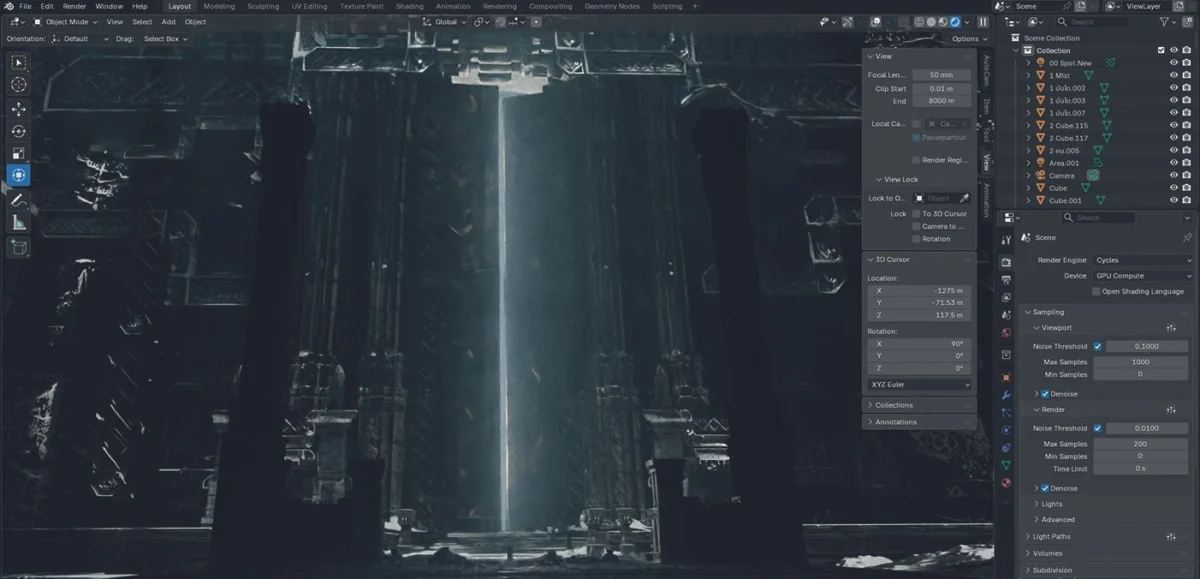
In the digital realm, where polygons and shaders coalesce to form new realities, few artists manage to capture the weight and ancient silence of Norse mythology as effectively as 3D artist Borisut Chamnan. His latest work, The Gate of Vanaheimr, stands as a testament to the power of atmospheric world-building. By meticulously balancing light, shadow, and architectural scale, Chamnan has crafted a piece that invites the viewer not just to look, but to step into a frozen, ethereal realm of gods and giants.
This article delves into the artistic philosophy, technical workflow, and creative methodology behind this striking piece, providing a roadmap for 3D artists looking to elevate their own environments.
The Philosophy of "Epic Scale"
At the heart of The Gate of Vanaheimr lies a specific artistic technique that Chamnan identifies as "epic scale." In a digital landscape where artists often focus on intricate detail or high-fidelity textures, Chamnan pivots toward the psychological impact of proportion.
"Creating artwork that can make viewers feel truly amazed requires what I call ‘epic scale,’" Chamnan explains. "The technique is deceptively simple in theory but demanding in execution: it focuses on placing a tiny, vulnerable human figure in front of towering, impossible architecture."
By juxtaposing the infinitesimal against the gargantuan, Chamnan creates an immediate narrative hook. The viewer is forced to reckon with the vastness of the environment, which serves to emphasize the cold, unforgiving nature of the Norse-inspired setting. This contrast is the primary tool used to evoke a sense of "overwhelming grandeur," effectively shrinking the viewer’s perspective to match that of the lone traveler depicted within the frame.
A Chronological Breakdown of the Workflow
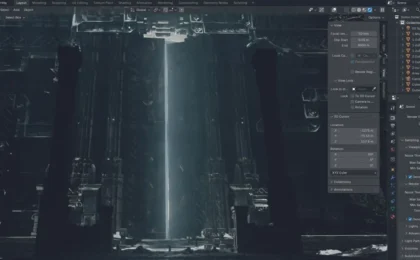
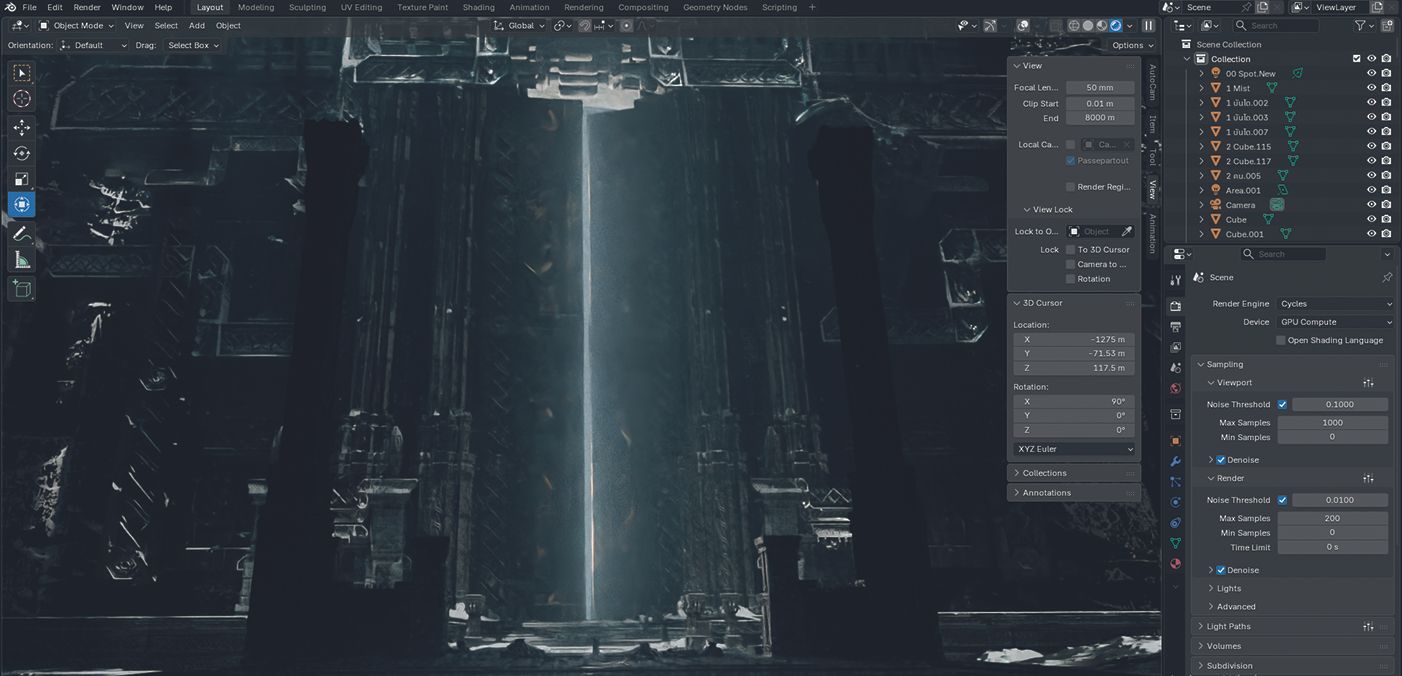
Chamnan’s process is deeply rooted in a structured, iterative workflow primarily centered around Blender. For those looking to replicate his results, understanding the chronological progression from initial composition to final polish is essential.
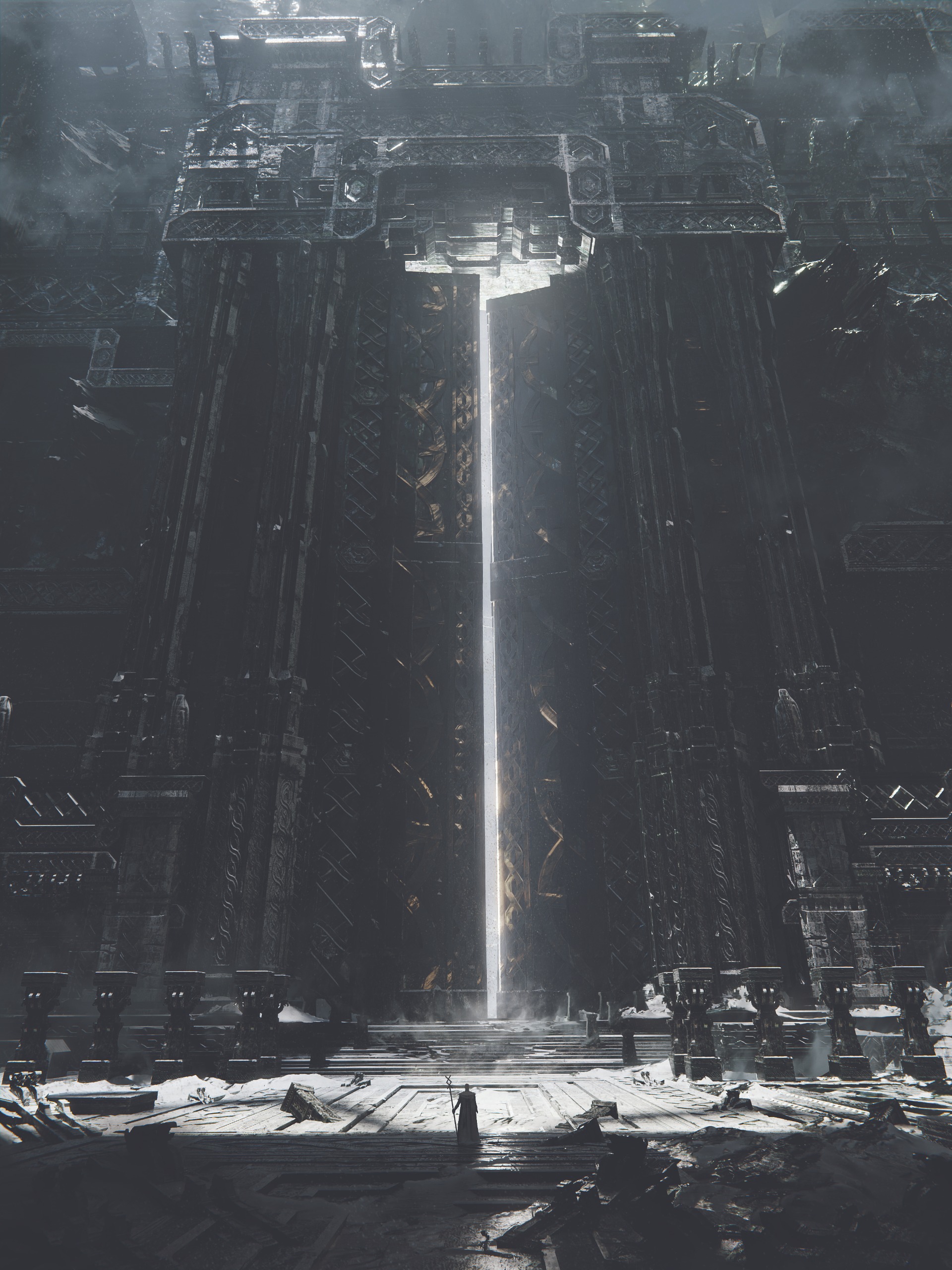
Phase 1: Foundational Composition and Modeling
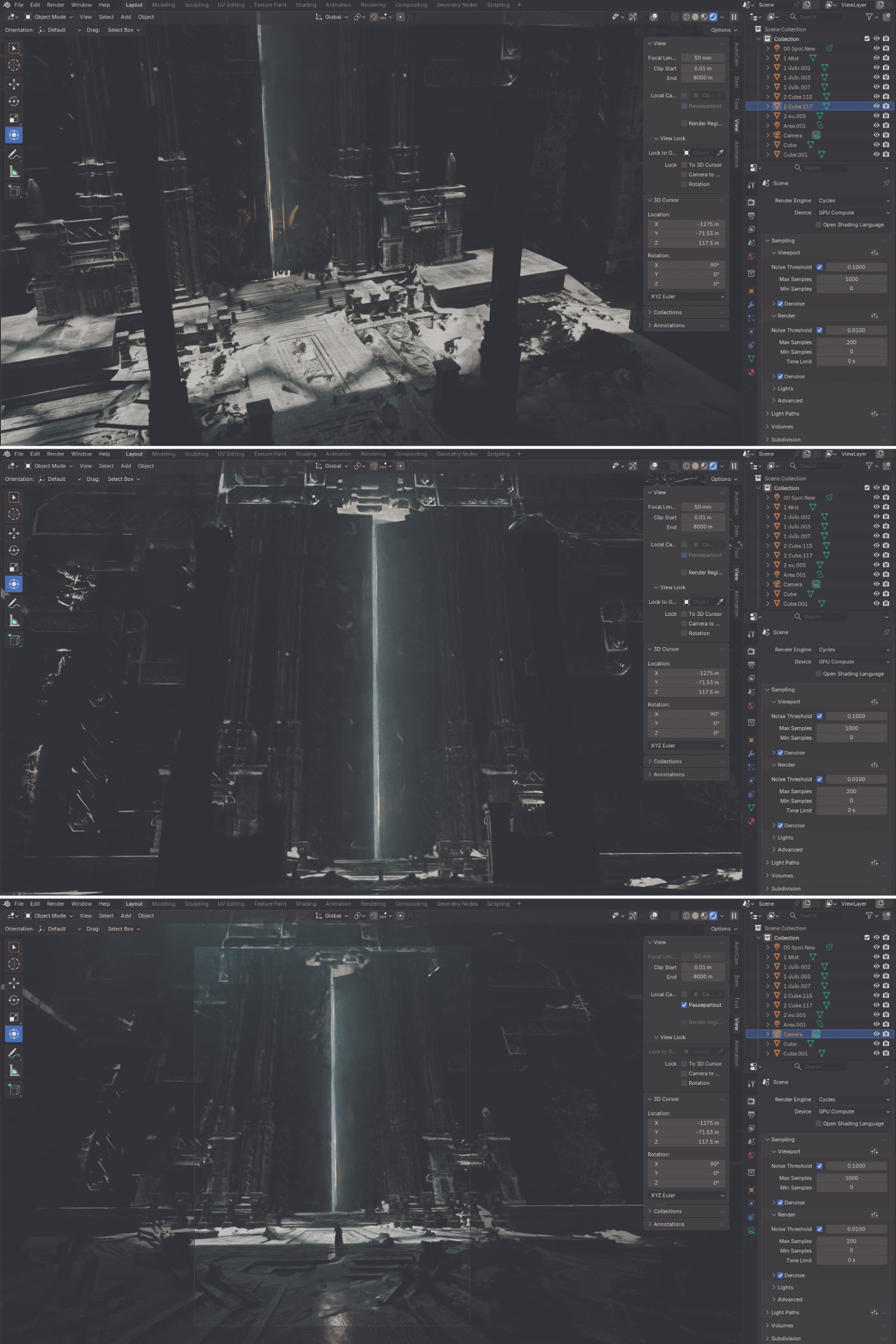
The genesis of the piece began with a focus on structural arrangement. Rather than jumping straight into high-poly sculpting, Chamnan emphasizes the use of pre-made models to establish a rough "block-out" of the scene.
"First, I arrange pre-made models to establish the composition, setting up the camera and gradually adding surrounding details," he notes. "The truly enjoyable part of this phase is experimentation. If something doesn’t fit the visual narrative, you will immediately notice."
During this stage, the goal is not perfection, but rather the establishment of a "hero" silhouette. The camera position is locked early to ensure that every subsequent asset added to the scene serves the primary composition. To ground these models in reality, Chamnan sources high-quality textures from Poly Haven, supplemented by his own photography. He employs specific technical nodes—Ambient Occlusion, Bevel, and Fake Bump—to trick the eye into perceiving depth and dimension that might otherwise be absent in a flat, digital render.
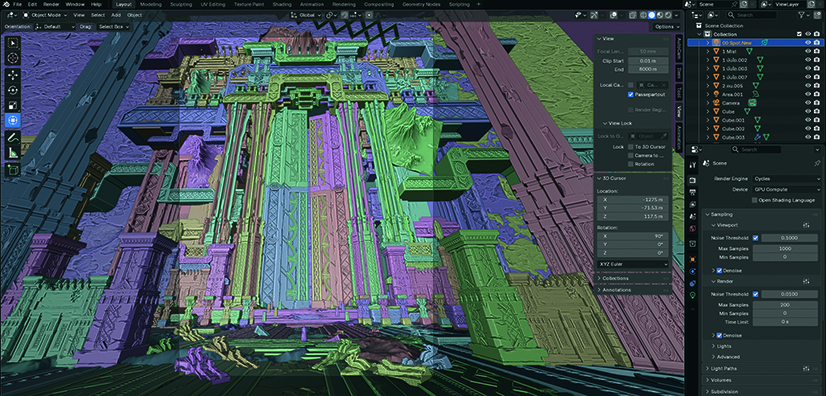
Phase 2: The Art of Lighting
Lighting, for Chamnan, is the bridge between a collection of 3D models and a living, breathing environment. He rejects the notion that lighting should be a final step, choosing instead to integrate it into the composition process from day one.
"I prefer creating the lighting while working on the composition, which allows me to observe the direction of light interacting with the entire scene," says Chamnan. "Lighting can hide many imperfections, even when the models themselves aren’t perfect."
His approach involves a blend of technical precision and artistic intuition. By searching for a specific angle that accentuates the "epic" feel of the scene, he experiments with Sky Textures, Spot Lights, and Environment Textures. By layering these light sources, he achieves a complex interplay of highlights and deep, cavernous shadows that define the frigid atmosphere of Vanaheimr.
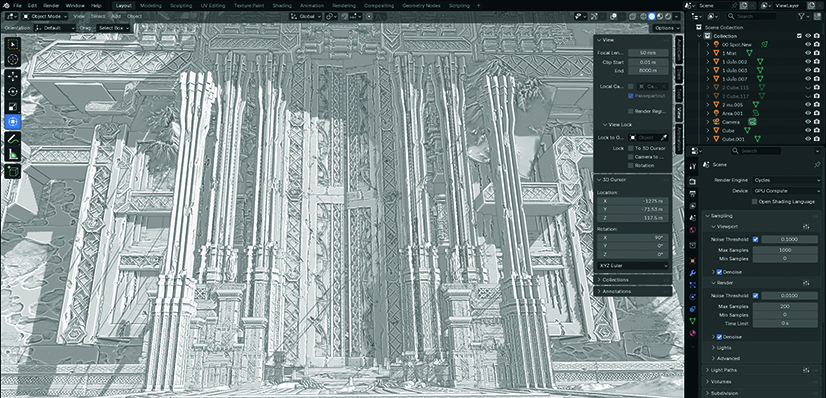
Phase 3: Post-Processing and Final Refinement
Once the raw render is complete, the scene transitions into Photopea—a powerful, web-based tool that mirrors the professional-grade functionality of industry-standard software like Photoshop.
The final touch is where the "world-building" truly takes place. Here, Chamnan introduces environmental effects such as fog, smoke, and dust particles. These elements serve a dual purpose: they add physical depth to the scene and reinforce the temperature of the environment. Interestingly, Chamnan is selective about his use of color grading. "I don’t usually rely heavily on color grading," he explains, "because I’m generally satisfied with the colors and atmosphere already achieved through compositing in Blender."
Supporting Data: The Modern 3D Pipeline
The creation of The Gate of Vanaheimr highlights a shift in the industry toward accessible, high-performance workflows. By utilizing Blender, an open-source powerhouse, and supplementing it with browser-based editing tools, Chamnan illustrates that modern 3D artistry is no longer gated by expensive, proprietary software suites.
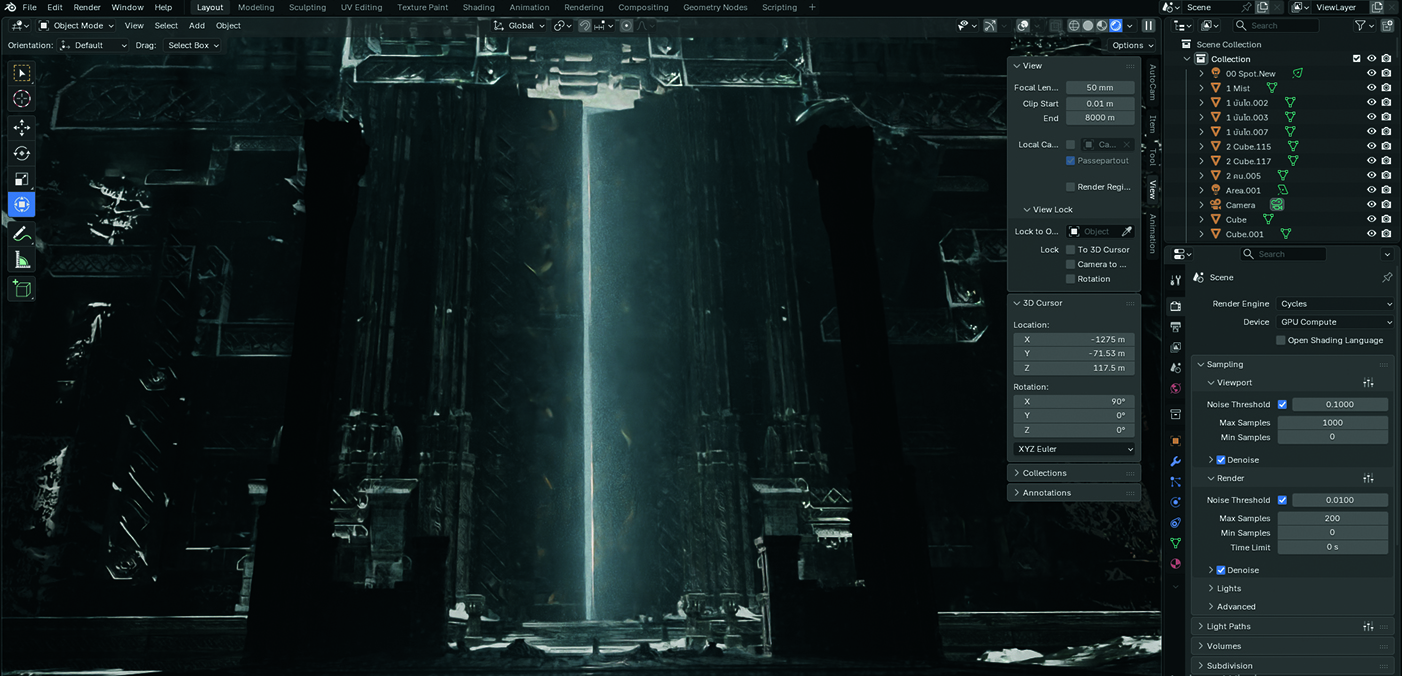
Recommended Toolset for 3D Artists
For those looking to follow in these footsteps, the following hardware and software categories are currently considered the industry standard for environmental artists:
- Modeling/Rendering Software: Blender remains the gold standard for independent artists due to its versatile Cycles and Eevee render engines.
- Texturing Resources: Platforms like Poly Haven offer high-quality, PBR-ready assets that allow artists to focus on scene building rather than texture creation from scratch.
- Hardware Requirements: High-end 3D modeling demands significant VRAM and multi-core processing power. For professionals on the move, specialized laptops featuring dedicated GPUs (such as the NVIDIA RTX series) are recommended to handle complex ray-tracing requirements.
Implications for Digital Storytelling
The success of The Gate of Vanaheimr carries significant implications for the future of digital environment design. It suggests that, in an era of increasingly photorealistic AI-generated imagery, the "human touch"—specifically the deliberate choice of composition and the philosophical intent behind scale—remains the most powerful tool in an artist’s arsenal.
By focusing on the feeling of a place rather than just its geometry, Chamnan has tapped into a style of world-building that is highly sought after in video game concept art, film production, and high-end digital illustration. This work serves as a reminder that the best 3D art is not merely a technical demonstration of software capability, but an act of storytelling.
Official Perspective and Artistic Advice
When asked for advice for those looking to replicate his success, Chamnan emphasizes the importance of patience and the willingness to iterate. "Don’t be afraid to scrap an entire composition if it isn’t telling the story you want it to tell," he advises.
His work is a prime example of "Environment Storytelling," where the landscape itself functions as a character. By studying Norse mythology, Chamnan was able to infuse his digital architecture with a sense of history, weight, and cultural context that elevates the work beyond a simple aesthetic exercise.
For aspiring artists, the path forward is clear: master the basics of light and composition, respect the power of negative space (the "epic scale"), and never stop experimenting with the tools at your disposal. As the barrier to entry for 3D modeling continues to lower, the differentiator will remain the artist’s ability to imbue their creations with a soul.

Final Thoughts: A New Era of Digital Myth-Making
The Gate of Vanaheimr is more than just a beautiful image; it is a blueprint for atmospheric design. By blending traditional principles of composition with modern, high-efficiency 3D workflows, Borisut Chamnan has created a piece that stands as a beacon for the next generation of digital artists. Whether you are a seasoned professional or a student just opening Blender for the first time, the lesson remains the same: identify the emotion you want to convey, find the scale that supports it, and light the way forward with intention.
For those eager to dive deeper into the technical side of things, we encourage you to explore our comprehensive Blender tutorials. The tools are in your hands—all that remains is to build your own world.
This article originally appeared in ImagineFX. For more insights into the world of digital art, subscribe to ImagineFX for expert-led tutorials and industry-leading creative features.