For the past two decades, the world of cosplay has undergone a radical transformation. What began as a niche subculture defined by DIY ingenuity and humble materials has evolved into a sophisticated discipline that frequently intersects with professional-grade engineering. As the community grows, a pressing question emerges: has the rapid adoption of advanced technology—such as 3D printing and laser cutting—created a barrier to entry, or is the spirit of the craft as accessible as it was at its inception?
The Shift in Crafting: A Twenty-Year Retrospective
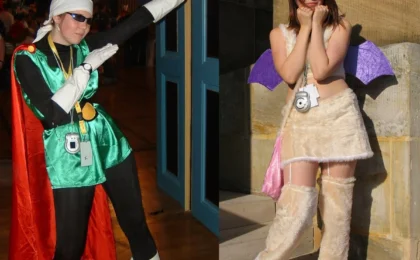
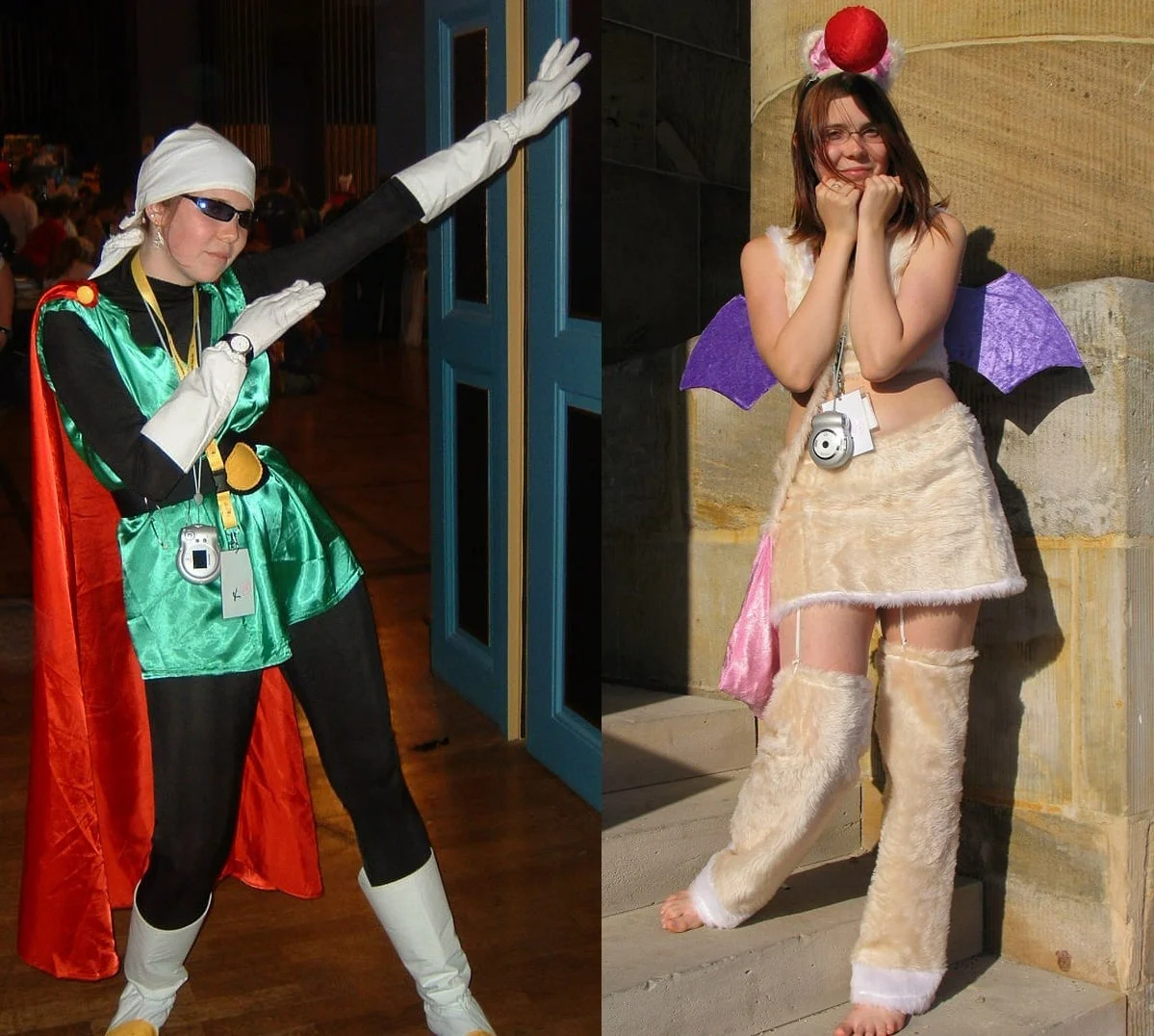
In 2003, the landscape of cosplay looked vastly different. Materials were primitive: paper-mâché, expanding foam from hardware stores, and cheap, shiny satin fabric. Tools were limited to a basic pair of scissors, a standard box cutter, and perhaps a borrowed sewing machine that was prone to jamming.
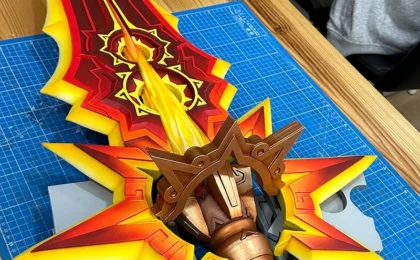
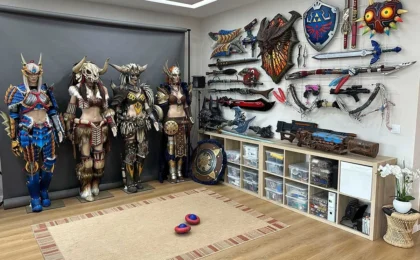
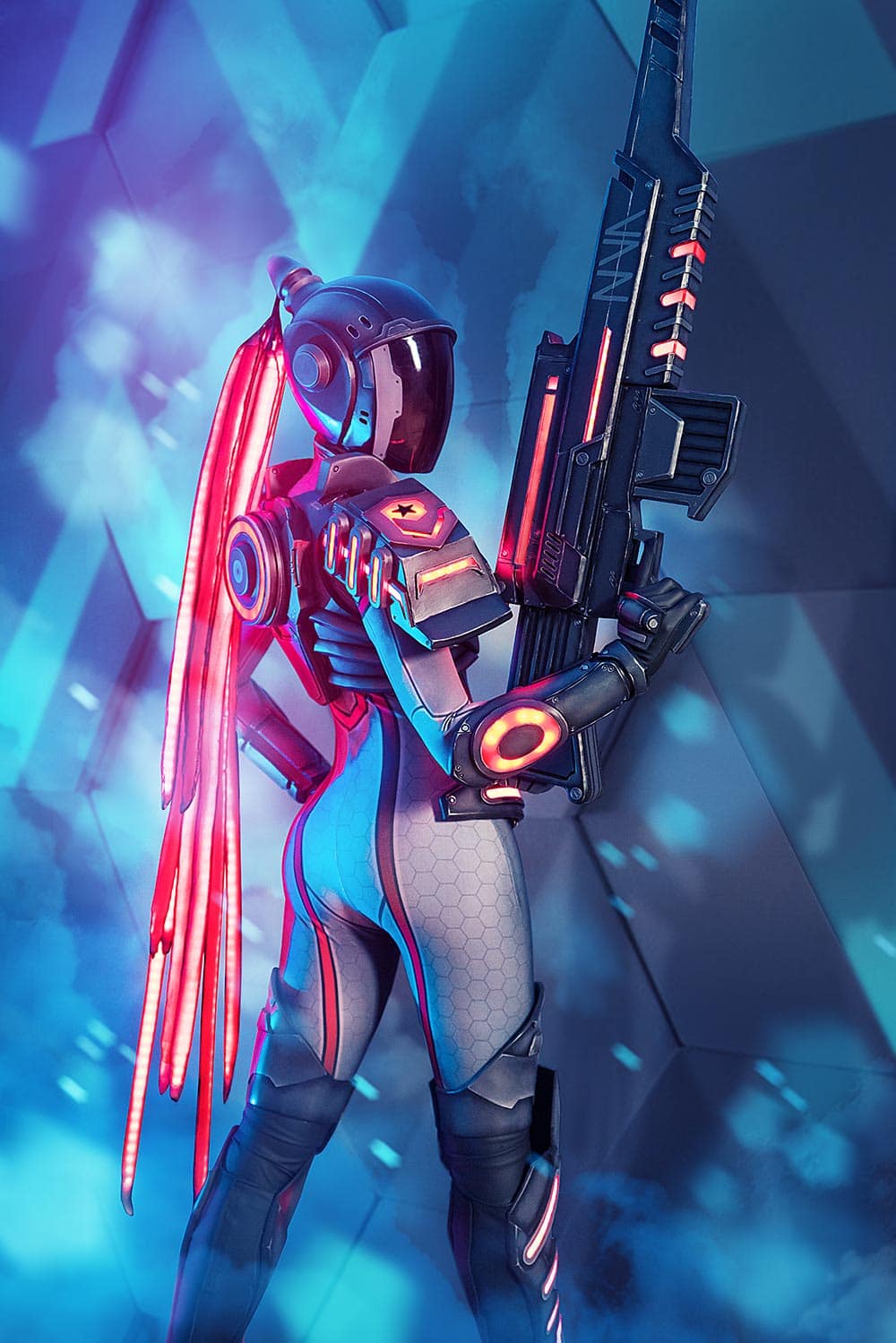
Reflecting on those early days, the evolution of the craft is undeniable. Today, the workshop of professional creators like Kamui Cosplay is a testament to this shift, filled with dual 3D printers, laser cutters, and a repository of specialized thermoplastics like Wonderflex and high-density EVA foam. The transition from manual labor to machine-assisted fabrication has undeniably redefined what is possible. Complex geometries found in high-fantasy titles like Genshin Impact or Horizon Zero Dawn—once considered impossible to replicate with precision—are now standard fare for those with the right hardware.

The Technological Arms Race: Speed vs. Skill
The introduction of 3D printers and laser cutters has fundamentally changed the workflow of the professional cosplayer. These machines allow for the mass production of uniform parts, sharp, intricate edges, and structural components that require extreme durability, such as Aloy’s Sharpshot Bow or a light-up Katana from Wildhearts.
From a professional standpoint, these tools are not merely luxuries; they are essential for time management. When working on a tight schedule, a 3D printer acts as an extension of the artist, allowing for the concurrent creation of complex components while the artist focuses on other areas of the costume. Similarly, a laser cutter eliminates the grueling, repetitive task of hand-cutting hundreds of individual scales or armor segments.
However, this efficiency comes with a price tag that can be intimidating. The perception that a "proper" costume now requires an arsenal of expensive machinery has led to a sense of disenfranchisement among newer members of the community. When social media feeds are saturated with high-end, machine-perfected builds, the humble hot glue gun and EVA foam approach can feel insufficient.

The Economics of Crafting: Beyond the Tools
It is a common misconception that cosplay is only expensive because of high-end machinery. Even traditional crafting—sewing, foam-smithing, and electronics—carries a significant financial burden. Luxury fabrics can easily cost upwards of $100 per yard, and building a full set of armor requires vast amounts of high-density EVA foam, contact cement, paints, and LEDs.
As the hobby has matured, the bar for quality has been raised by the community itself. Because we see high-production-value costumes on Instagram daily, creators are setting higher standards for their own work, often feeling that they must produce "pro-level" results from their very first project. This self-imposed pressure, combined with the visible cost of high-end equipment, creates the illusion that cosplay is an exclusive, gated community for the wealthy or the technologically gifted.
The Case for Accessibility: The "Good Chef" Analogy
Despite the prevalence of expensive tools, the core argument for the accessibility of cosplay remains strong: a professional kitchen does not make a chef, and a 3D printer does not make a crafter.

The most important component of any costume is not the manufacturing method, but the passion, patience, and persistence of the artist. A 3D printer requires an intimate knowledge of 3D modeling software like Blender, a steep learning curve that is arguably as difficult as mastering hand-sewing. Furthermore, these machines are not "magic buttons"; they require troubleshooting, maintenance, and a deep understanding of materials.
In fact, the reliance on advanced tools can sometimes hinder the development of fundamental skills. When one is forced to work with limited resources—as was the case in the early 2000s—the crafter is pushed to innovate. Using everyday household items to create armor or prop details fosters a level of creative problem-solving that is often bypassed when one has a machine to do the heavy lifting.
Global Perspectives on Ingenuity
The global reach of the cosplay community proves that financial barriers are often surmountable through sheer creativity. At the recent AniMotto Cosplay Competition in Cuba, where the average monthly income is roughly $150, creators produced world-class outfits, including intricate Nergigante armor from Monster Hunter World. These artists did not rely on $2,000 laser cutters; they relied on ingenuity, resourcefulness, and a profound commitment to their fandom. This is a powerful reminder that while technology can accelerate production, it is not a prerequisite for brilliance.
Implications for the Future: A Hybrid Approach
The future of the hobby likely lies in a hybrid approach. The market for ready-to-wear cosplay has exploded, making it easier than ever for beginners to enter the scene at a low cost. Purchasing a base costume and then upgrading, altering, or hand-crafting specific accessories is a perfect entry point. This "mix-and-match" methodology—using store-bought items, thrifted clothes, and handmade props—is a valid and increasingly popular way to engage with the community.
Moreover, the barrier to entry for high-tech tools is falling. High-quality 3D printers are now available for as little as $200, making them as accessible as a standard sewing machine. Online printing services also offer a middle ground, allowing hobbyists to outsource the machine work without the capital investment of purchasing the equipment.
Final Reflections: The Journey of the Crafter
Ultimately, cosplay remains an inherently accessible hobby because it is a journey. Every seasoned creator today started exactly where a beginner starts: with a pile of cheap materials, a bit of confusion, and a lot of enthusiasm. The "masters" of the craft today did not wake up with a professional workshop; they spent years saving, learning, and failing.

The tools are secondary to the intent. Whether you are cutting foam by hand to save money or utilizing a laser cutter to save time, the result is the same: the act of bringing a beloved character to life. To those who feel intimidated by the high-tech aesthetics of the modern era, remember that the most impressive armor is not the one with the highest price tag, but the one built with the most love.
Cosplay is not about keeping up with the latest machinery; it is about the joy of creation, the community of shared fandom, and the persistence to see a project through to the end. The tools are available, but they are not the requirements. Your imagination, your hands, and your passion are the only prerequisites you need.