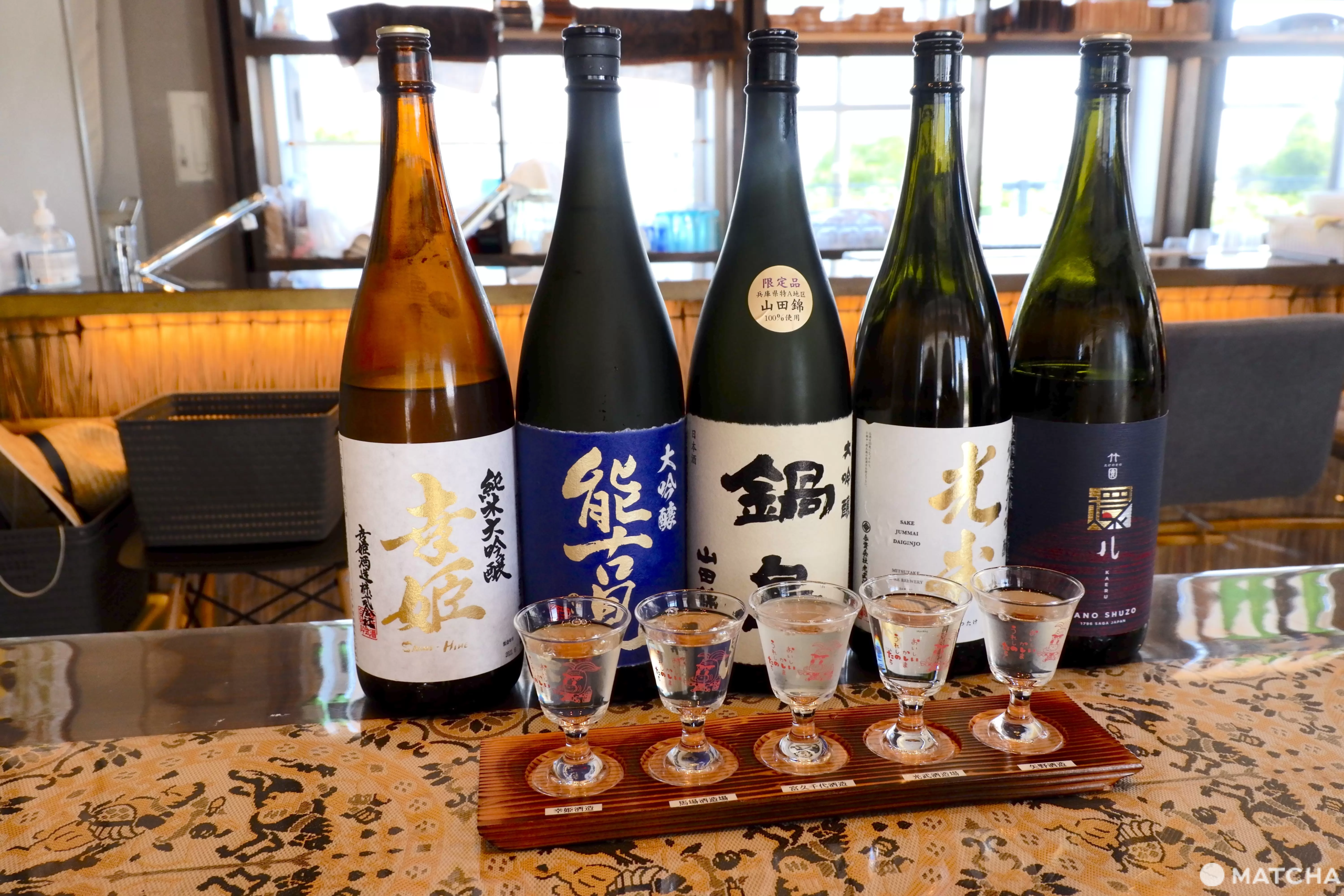
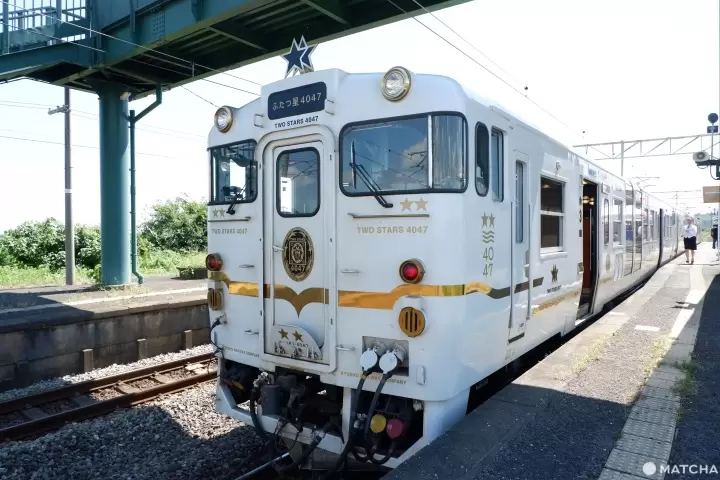
In the heart of Japan’s southern island, Kyushu, a new standard for rail tourism has emerged. The "Two Stars 4047," a premium sightseeing train operated by JR Kyushu, has transformed the transit experience between the historic prefectures of Saga and Nagasaki. Far from a mere commute, this journey is a curated passage through some of the most stunning coastal vistas in the Japanese archipelago. By blending modern comfort with the nostalgic charm of the historic Omura Line, the Two Stars 4047 has become the premier way to experience the "two stars" of West Kyushu’s tourism circuit.
Main Facts: The Concept and Design
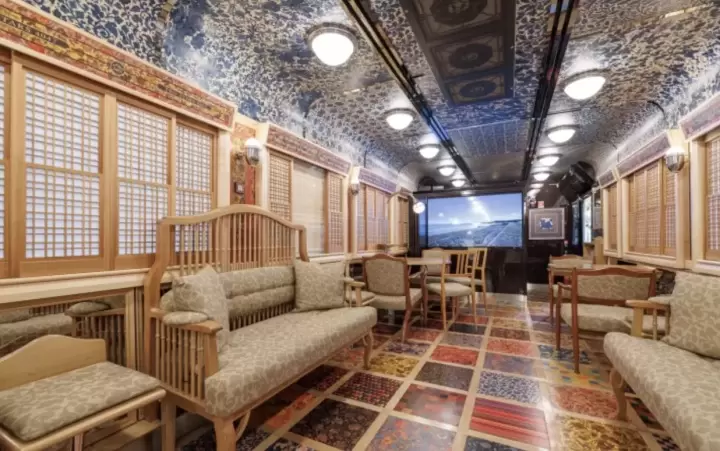
The Two Stars 4047 is not just a mode of transport; it is a moving gallery of the region’s landscape. The train consists of three meticulously refurbished carriages that emphasize elegance and panoramic viewing.
- Configuration: The train is divided into two passenger cars (Cars 1 and 3) and one dedicated "Lounge 40" car (Car 2). This central lounge acts as a social hub, featuring a buffet counter and comfortable seating, allowing passengers to move freely between the designated quiet zones and the social atmosphere of the lounge.
- Aesthetic: The exterior features a sophisticated design, while the interior utilizes warm wood tones and large, expansive windows designed specifically to frame the Ariake Sea and the coastal cliffs of Nagasaki.
- Operational Schedule: The service runs exclusively from Friday through Monday, with additional operations during national holidays. This schedule ensures that the train remains a premium, exclusive experience for those seeking a leisurely pace of travel.
The Chronology of the Route
The Two Stars 4047 operates on two distinct, non-identical routes, each offering a unique perspective on the coastal geography of Kyushu.

The Morning Route: Saga to Nagasaki
Departing from Takeo-Onsen in the morning, the train winds its way through the rural heart of Saga. Key stops include Hizen-Hama and Tara, stations that act as gateways to the region’s renowned sake breweries and mud-flat coastal scenery. The journey concludes at Nagasaki Station at 13:15, providing passengers with the entire afternoon to explore the city’s complex history, from its vibrant Chinatown to the solemn peace parks.

The Afternoon Route: Nagasaki to Saga
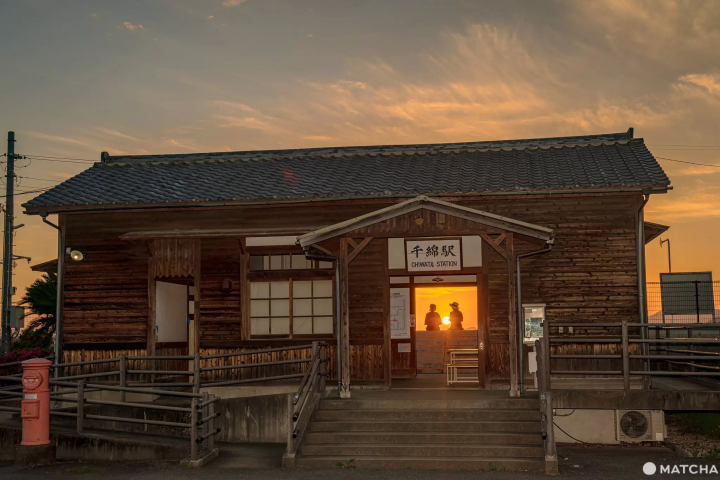
The return journey, departing from Nagasaki, offers a different itinerary, including a stop at Chiwata Station. Renowned for its proximity to the sea, Chiwata is often cited as one of Japan’s most photogenic stations. The route continues through Huis Ten Bosch—a sprawling theme park inspired by Dutch architecture—and Arita, the birthplace of Japanese porcelain, before arriving back at Takeo-Onsen by 17:51. Because the morning and afternoon routes cover different ground, travelers are frequently encouraged to book a same-day round trip for a comprehensive tour.

Supporting Data: Fares and Accessibility
For the international traveler, the Two Stars 4047 represents one of the most cost-effective premium experiences in Japan. The fare structure is tiered, with the morning service priced at 4,680 yen and the afternoon service at 5,000 yen.

However, the true value lies in the JR Kyushu Rail Pass. Holders of this pass are entitled to ride the Two Stars 4047 at no additional cost. Given that the train is entirely reserved seating, the pass also covers the standard reservation fees. Travelers are cautioned, however, that because the window-facing counter seats are highly sought after, they should secure their reservations the moment their rail pass is activated.

Official Perspectives: The Role of Local Engagement
JR Kyushu has emphasized that the success of the Two Stars 4047 is intrinsically linked to the local communities it serves. Unlike high-speed Shinkansen lines that bypass smaller towns, this sightseeing train is designed to linger.

At Hizen-Hama Station, the train makes a deliberate 17-minute stop. This is a strategic initiative by JR Kyushu to facilitate interaction between passengers and local residents. Stalls are set up on the platform, allowing travelers to purchase local delicacies and, most notably, premium sake. The partnership with "HAMA BAR," located adjacent to the platform, is a highlight of the route. Officials from the local tourism board note that this, combined with the accessibility of the historic Hizen Hamashuku street, has revitalized local tourism, providing an economic boost to a town that might otherwise be overlooked by high-speed travelers.
Cultural Implications: Sake and History
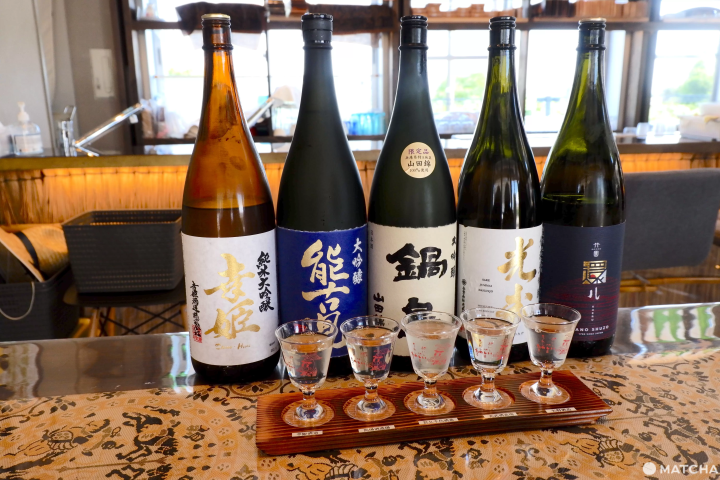
The inclusion of sake tasting in the itinerary is not a mere luxury; it is an educational endeavor. Saga Prefecture has been a center for sake production for centuries, utilizing the region’s pristine water sources and high-quality rice. By offering a 1,500-yen tasting flight of five different Daiginjo sakes at HAMA BAR, the experience bridges the gap between the modern railway traveler and the ancient traditions of Kyushu’s brewers.
Furthermore, the integration of Chiwata Station into the route serves as a cultural preservation project. Once a struggling, unstaffed station, its fame grew following its appearance on the "Seishun 18" poster. By incorporating it into the Two Stars 4047 route, JR Kyushu has helped ensure that the site remains well-maintained and historically relevant. It stands as a testament to the "slow travel" movement, encouraging visitors to appreciate the wood-paneled architecture and the quiet, rhythmic beauty of the coastal line.
Strategic Hub: Takeo-Onsen
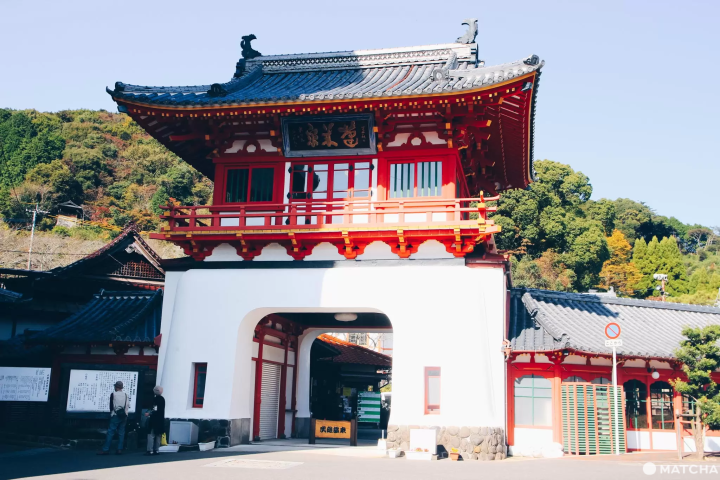
The selection of Takeo-Onsen as the terminus for both routes is a deliberate strategic choice. With a history spanning over 1,300 years, the town serves as an ideal anchor for any itinerary. The recent expansion of the station, spurred by the Kyushu Shinkansen, has created a sophisticated hub for travelers.

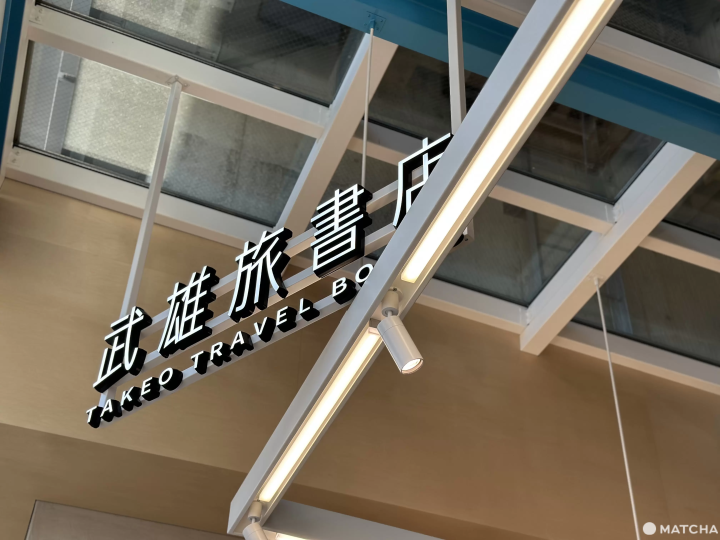
The new facilities, specifically the Takeo Travel Bookstore and the Takeo City Tourist Information Center, provide a duality of experience. The bookstore targets a younger demographic with trendy, curated souvenirs, while the information center focuses on traditional crafts and regional heritage. This balance ensures that the station is not just a transit point but a cultural destination in its own right. Travelers are encouraged to pair their train journey with an overnight stay at a local ryokan (traditional inn) to fully experience the therapeutic waters of the hot springs and the nearby Takeo City Library, an architectural marvel in its own right.

Looking Ahead: The Future of Rail Tourism
The Two Stars 4047 is emblematic of a broader trend in the Japanese tourism industry: the shift from "destination-focused" travel to "experience-focused" travel. In a world where air travel often prioritizes speed, the success of this train line proves that there is still a massive market for the journey itself.
By prioritizing the "two stars" of the region—the scenic beauty of the coast and the deep, rich traditions of its people—JR Kyushu has created a blueprint for how rail infrastructure can support rural revitalization. As Japan continues to attract international visitors looking for deeper, more authentic cultural connections, the Two Stars 4047 will undoubtedly remain a cornerstone of the West Kyushu travel experience. For those planning a trip, the combination of a JR Kyushu Rail Pass, a reservation for a window-facing seat, and a curiosity for the coastal charms of Saga and Nagasaki is the recipe for an unforgettable journey.

For more information and booking details, prospective travelers should consult the official JR Kyushu website, where real-time availability and route updates are provided.