

Nintendo and The Pokémon Company have long been known as the litigious guardians of their intellectual property. However, a series of recent rulings by the Japan Patent Office (JPO) suggests that the gaming giant’s aggressive attempts to codify its mechanics through patent law are meeting significant resistance. In the latest development of this ongoing saga, the JPO has officially denied Nintendo’s attempt to secure a patent specifically covering touchscreen-based creature-capturing mechanics.
This rejection marks a critical turning point in the company’s broader strategy to curb the proliferation of "Pokémon-like" titles in the mobile gaming market. As the industry evolves and developers continue to iterate on the monster-taming genre, Nintendo’s attempt to claim ownership over fundamental gameplay interactions is being scrutinized—and ultimately rebuffed—by regulatory bodies.
The Core Dispute: Defining Gameplay as Intellectual Property
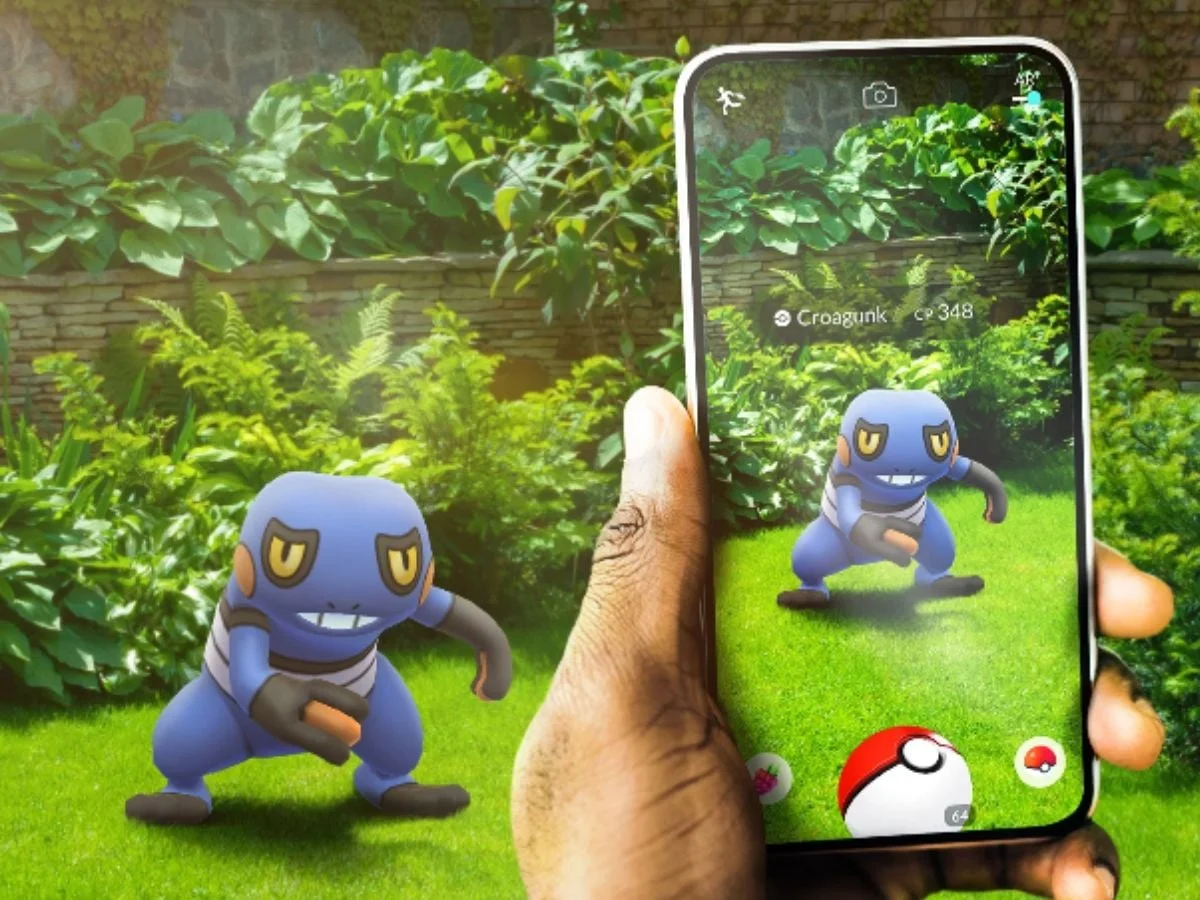
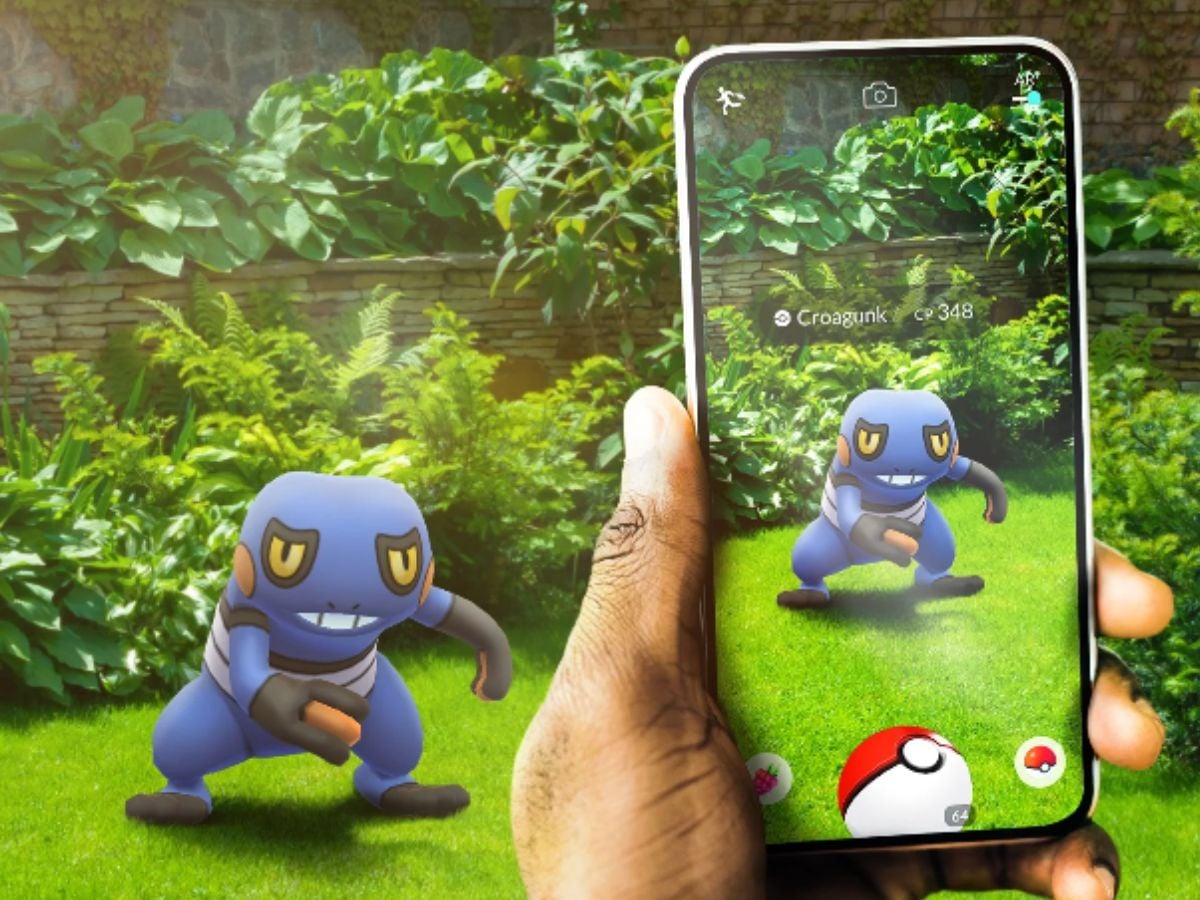
At the heart of the controversy is Nintendo’s attempt to patent the precise physical interaction required to capture a creature in a digital environment using a touchscreen interface. Specifically, the patent application described the use of a "touch panel" to deploy a "capture item" against a "field character disposed in the field."
To the casual gamer, this sounds like a standard description of the Pokémon GO interface or any mobile game where a user drags, flicks, or taps to throw a ball at a target. To Nintendo, however, this was a specific, protectable invention. By seeking this patent, the company was arguably attempting to create a legal moat around the monster-catching genre, potentially allowing them to threaten or litigate against mobile titles that utilize similar user interface (UI) interactions.
The JPO’s rejection centers on a fundamental legal concept: the "inventive step." In patent law, an invention must not only be new (novel) but must also be "non-obvious" to a person having ordinary skill in the art. The JPO concluded that Nintendo’s proposal failed both tests.
Chronology of the Legal Struggle
The recent denial is not an isolated incident; rather, it is the latest chapter in a broader, multi-front legal campaign.
The Initial Battle: Battle Mechanics
In April of this year, Nintendo suffered its first major public defeat when the JPO rejected a broader patent application related to the core mechanics of monster-taming games. This application sought to cover the fundamental act of "catching, summoning, and battling" monsters. The regulatory body found these mechanics too generic and ubiquitous within the gaming industry to warrant a proprietary patent.
The Pivot to Touchscreen Specifics
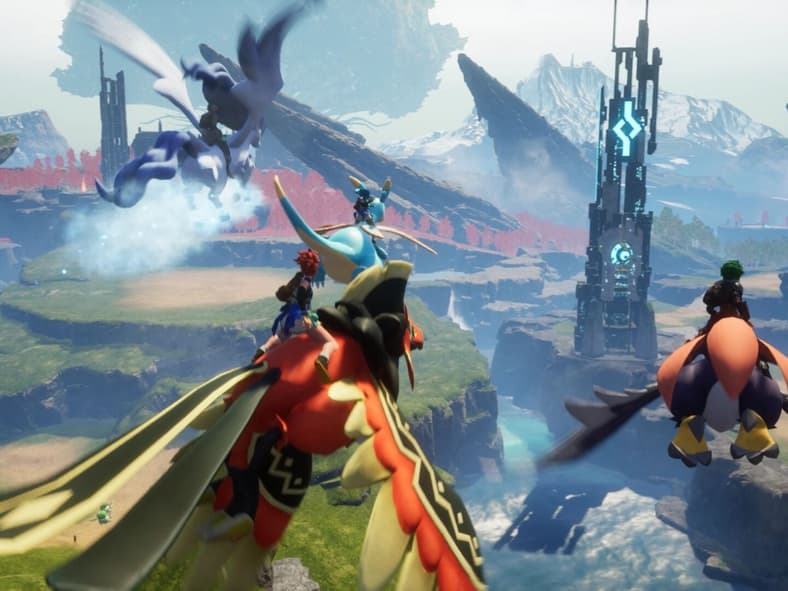
Following the April rejection, Nintendo pivoted its focus to the hardware-specific implementation of these mechanics. By narrowing the scope to "touchscreen-specific" actions, the company hoped to gain a foothold that could be used to target mobile-exclusive competitors. This was widely viewed as a direct move against games like Palworld Mobile and various "Roco Kingdom" titles that utilize smartphone touch-controls to facilitate monster collection.
The Recent Rejection
The most recent ruling confirms that the JPO is unconvinced by the argument that applying a capture mechanic to a touch screen constitutes a unique technological advancement. The patent office essentially categorized the mechanic as a standard, expected design choice for the platform, rather than a breakthrough innovation.
The "Inventive Step" Argument: Why the Patent Failed
The JPO’s analysis of the application was blunt. The official statement from the patent office noted, "The above is simply a general monster-catching rule set. There is nothing technologically innovative about it."
This rejection is a major blow to Nintendo’s legal strategy. The "prior art"—the collection of existing games, software, and mechanical designs that already exist in the public domain—is vast. Because millions of games, from casual physics puzzles to complex RPGs, have utilized touchscreen interactions to manipulate objects on a screen, the JPO found that Nintendo’s specific implementation lacked the necessary "inventive step" to distinguish it from what already exists.
For a patent to be granted, it must solve a technical problem in a new and non-obvious way. The JPO determined that the act of tapping a screen to throw an item at a virtual object is a standard interaction paradigm in mobile software development. By failing to provide a unique technical solution that improves upon existing technology, Nintendo’s application was effectively dead on arrival.

Broader Implications for the Industry
The implications of these repeated rejections are far-reaching, both for Nintendo and for the independent developers who have felt the pressure of the company’s legal shadow.
For Nintendo: A Diminishing Legal Arsenal
Nintendo has built its brand on a "protectionist" identity. While they have successfully defended their trademarks (names, logos, characters) for decades, attempting to patent gameplay mechanics—the "verbs" of a game—is a significantly higher hurdle. If the JPO continues to deny these patents, Nintendo may have to shift its strategy away from patent litigation and toward traditional copyright or trademark infringement claims, which require a much higher burden of proof regarding direct copying rather than thematic similarity.
For Developers: A Sigh of Relief
Independent developers, particularly those working on monster-collection games, have been operating in a state of anxiety. The success of games like Palworld—which exploded in popularity on PC and is eyeing mobile expansion—has clearly rattled the industry leaders. By failing to secure these patents, Nintendo is losing the ability to use "patent trolling" tactics to stifle competition. This, in theory, encourages innovation by allowing developers to iterate on popular genres without fear that a common gameplay mechanic has been "claimed" by a legacy studio.
The "Clone" Debate
The industry remains divided on the ethics of the "Pokémon-like" genre. Critics argue that games like Palworld are derivative, relying on the success of the Pokémon brand to gain traction. Proponents argue that "monster-taming" is a genre, not a product, and that the mechanics of catching, leveling, and battling are as fundamental to modern gaming as the "jump" mechanic is to platformers. The JPO’s ruling appears to side with the latter: gameplay mechanics, when sufficiently generic, should remain part of the public commons.
Future Outlook: The Path Ahead
While Nintendo has the option to amend its claims and attempt to re-file these patents, the precedent set by the JPO is discouraging. Each time an application is rejected, the applicant is forced to narrow the scope of their claims until, eventually, there is very little "property" left to protect.
Industry analysts suggest that Nintendo may stop pursuing these "mechanic patents" and instead focus on the visual and artistic identity of their games. Protecting the aesthetic, the specific names of creatures, and the lore of the Pokémon universe remains a much more robust legal strategy than attempting to own the concept of "throwing a ball at a monster."
As the gaming industry continues to move toward more complex, multi-platform experiences, the tension between legacy developers and new, agile studios will likely persist. However, for now, the Japan Patent Office has sent a clear message: the fundamental grammar of video games—how we interact with our screens—is not something that can be locked behind a paywall of patent litigation.
Nintendo’s next move remains to be seen. Will they continue to fight for these patents in a long, drawn-out appeal process, or will they accept the current reality and focus on their own internal innovation to keep the Pokémon franchise ahead of the curve? Given the company’s history, it is unlikely they will walk away from the legal arena entirely, but the recent string of losses serves as a significant check on their power to dictate the evolution of the genre through the court system.











No comments yet. Be the first to join the conversation!