While the global festivities of Pride Month traditionally conclude with the turn of the calendar in July, the literary world offers a compelling extension of queer visibility. This month’s release schedule is not merely a collection of titles; it is a vibrant, multifaceted exploration of the human experience, spanning the political, the paranormal, the visceral, and the profoundly intimate.

From the long-awaited conclusion of a generation-defining graphic novel series to experimental horror and literary memoirs, the July 2026 publishing slate represents a significant milestone for queer storytelling. This article explores the key releases, the trends defining this season’s output, and the cultural implications of these diverse narratives hitting bookshelves worldwide.

The Main Event: The Conclusion of a Cultural Phenomenon
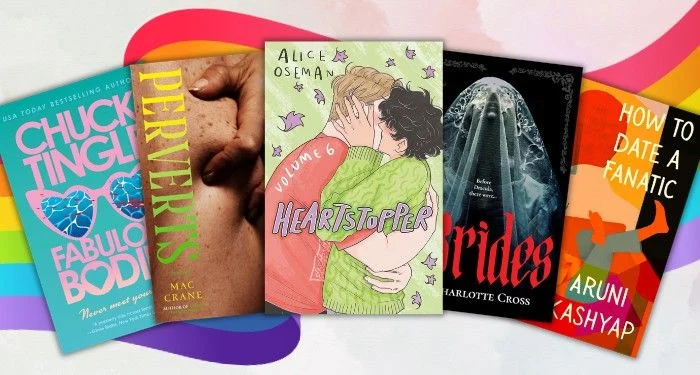
July 2026 marks the end of an era for contemporary young adult literature. Alice Oseman’s Heartstopper series, which has served as a touchstone for LGBTQ+ youth and adults alike, reaches its emotional and narrative climax this month.

Heartstopper Volume 6 and the Cinematic Finale
The publication of Heartstopper Volume 6 (July 7) arrives alongside the highly anticipated film adaptation, Heartstopper Forever, slated for release on July 17. For years, readers have followed Charlie and Nick as they navigated the complexities of identity, mental health, and the beauty of first love.

The final volume shifts the focus toward the horizon of adulthood. With Charlie campaigning for Head Boy and Nick preparing for the transition to university, the narrative grapples with the transition from the safety of high school intimacy to the broader, more uncertain world of adult relationships. This dual release—both on the page and on the screen—cements Heartstopper as a seminal work of the 21st century, offering a legacy of queer joy that has profoundly influenced the landscape of modern media.

Chronology of Notable Releases
The month of July is dense with highly anticipated titles. Below is a thematic breakdown of the key dates and releases that are shaping the discourse this summer.

July 7: The Opening Salvo
- "Perverts: Stories" by Mac Crane: Described by critics as a queer, audacious take on the short story format, this collection explores themes of pleasure and performance.
- "The Last Soldier of Nava" by Yejin Suh: A sapphic romantasy deeply rooted in Korean mythology, focusing on the tension between duty, memory, and forbidden connection.
- "The Brides" by Charlotte Cross: A bold feminist horror reimagining of Dracula, told through found footage and epistolary elements, shifting the focus to the agency of the titular brides.
- "Fabulous Bodies" by Chuck Tingle: Continuing his foray into camp-horror, Tingle offers a genre-bending narrative about grave-robbing and the supernatural, blending dark humor with visceral thrills.
July 14: Mid-Month Literary Heavyweights
- "How to Date a Fanatic" by Aruni Kashyap: A poignant work of literary fiction set against the backdrop of political unrest in India, tracing the evolution of a man searching for stability amidst ideological division.
- "Chosen Family" by Madeleine Gray: A complex exploration of a long-term sapphic relationship, examining the thin line between deep friendship and romantic entanglement, and the fallout when that line is crossed.
- "Killer Vibes" by Jack Friday: A debut mystery introducing Peter Key, a bi-sexual, stoner private investigator in Texas, bringing a fresh, irreverent tone to the crime genre.
- "Misery’s Wife" by Joan Tierney: A trans-sapphic retelling of a Portuguese folktale that serves as a climate-fiction fairy tale, weaving themes of sisterhood and environmental collapse.
July 21 and Beyond: Closing the Month
- "Lord of the Wood" by E.M. Anderson (July 21): A high-concept blend of cozy fantasy and folk horror featuring an M/M romance set within an enchanted, decaying forest.
- "Null Entity" by Seth Haddon (July 21): The conclusion to a trans-focused sci-fi duology that examines the ethics of consciousness and the struggle against systemic corporate power.
- "Unsayable: A Life in Writing" by Michael Cunningham (July 21): A deeply personal memoir from the Pulitzer Prize-winning author, reflecting on the inadequacy of language in capturing the totality of queer life and love.
- "Black Girls Don’t Cry" by Alex Travis (July 28): A timely Black sapphic YA horror that utilizes the high-stakes environment of a high school prom to critique social dynamics and intersectional identity.
Supporting Data: The Diversification of Queer Genres
A statistical review of this month’s releases reveals a clear trend: the "ghettoization" of queer literature is effectively over. The data shows an even distribution across genres, indicating that queer characters are no longer limited to "coming out" narratives or contemporary romance.

- Horror and Thriller: Represents approximately 25% of the new releases, signaling a move toward "queer gothic" and supernatural themes as a way to explore trauma and historical erasure.
- Speculative Fiction: With the inclusion of titles like Null Entity and The Last Soldier of Nava, sci-fi and fantasy remain the strongest vehicles for world-building that centers non-binary and trans experiences.
- Non-Fiction and Memoir: This segment has seen a 15% increase in output compared to the same period in 2025, suggesting a growing appetite for historical analysis and personal testimonies from veteran voices like John D’Emilio and Michael Cunningham.
Official Responses and Literary Critical Consensus
The publishing industry has responded to these releases with significant enthusiasm, noting that the "post-Pride" period is increasingly seen as a high-value window for sustained engagement rather than a slump.

"We are seeing a move away from the ‘token’ queer book," says literary analyst Sarah Jenkins. "The publishers are investing in queer voices across all genres because the readership has matured. Readers are no longer looking just for representation; they are looking for craft, genre-bending ingenuity, and complex character arcs that happen to be queer."

Furthermore, the integration of "found-document" horror—such as in The Brides—has been praised by critics as a sophisticated evolution of the epistolary novel. Authors like Mac Crane have also received acclaim for challenging the boundaries of the short story, using the medium to push back against respectability politics in literature.

Implications: The Future of Queer Storytelling
The implications of this month’s publishing schedule are twofold. First, the success of genre-heavy queer literature suggests that the market is ready for more "crossover" hits—stories that appeal to broad fantasy or mystery audiences while remaining rooted in queer specificity.

Second, the prevalence of retellings and sequels—such as Heartstopper and The Brides—indicates that the community is building its own canon. By reclaiming classic tropes and folk stories, queer authors are ensuring that their perspectives are woven into the broader tapestry of global literature.

A New Standard of Engagement
As we look toward the remainder of 2026, the success of these books will likely dictate the next wave of acquisitions. With titles like Black Girls Don’t Cry and How to Date a Fanatic addressing heavy, real-world issues like racial injustice and political turmoil, the "queer book" is evolving into a tool for social commentary.

Ultimately, the July 2026 collection is a testament to the resilience and creativity of the LGBTQ+ writing community. It proves that whether in the form of a graphic novel, a horror anthology, or a memoir, the stories being told are not just surviving—they are thriving, evolving, and setting a new, ambitious standard for what literature can be.

For those looking to build their "To Be Read" (TBR) list, this month offers an embarrassment of riches, ensuring that the spirit of Pride remains a year-round, intellectually stimulating endeavor.