Nana Wu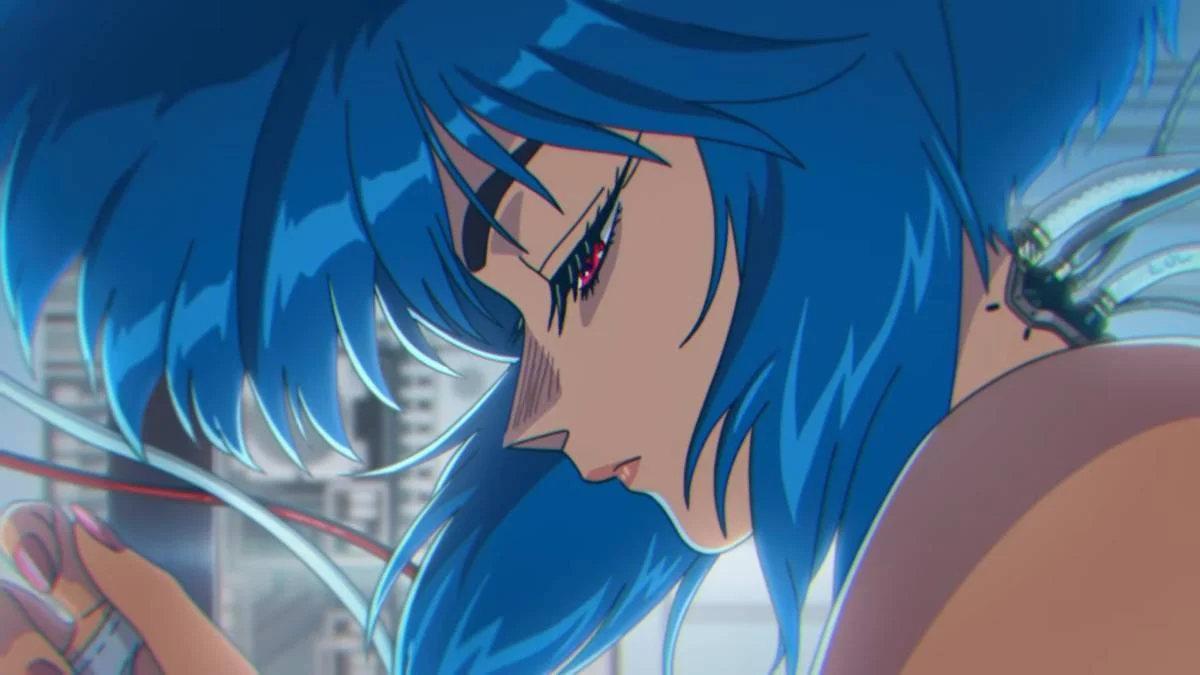
The wait for the next iteration of one of science fiction’s most influential pillars is nearly over. Following months of speculation regarding distribution rights, it has been officially confirmed that the highly anticipated new The Ghost in the Shell anime series will premiere on Amazon Prime Video. This strategic partnership positions Amazon as the exclusive streaming destination for the franchise’s latest outing, granting access to viewers in over 240 countries and territories worldwide.
The announcement, which aligns with the previously confirmed July 2026 release window, marks a significant milestone for the franchise. As the series prepares to reintroduce Major Motoko Kusanagi and Public Security Section 9 to a new generation, the choice of Amazon as a global platform underscores the massive scale of this production.
Main Facts: A Global Launch for a Cyberpunk Icon
The new The Ghost in the Shell anime is poised to make a massive splash upon its debut on July 7, 2026. The production is spearheaded by the acclaimed studio Science Saru, known for its distinct visual style and ability to marry high-concept narrative with fluid animation.
Amazon Prime Video’s acquisition of the series as an exclusive global original ensures that the show will not be fragmented across different regional services—a common hurdle for international anime fans. By securing rights in 240 territories, Amazon is effectively positioning this series as a tentpole for its international anime content library.
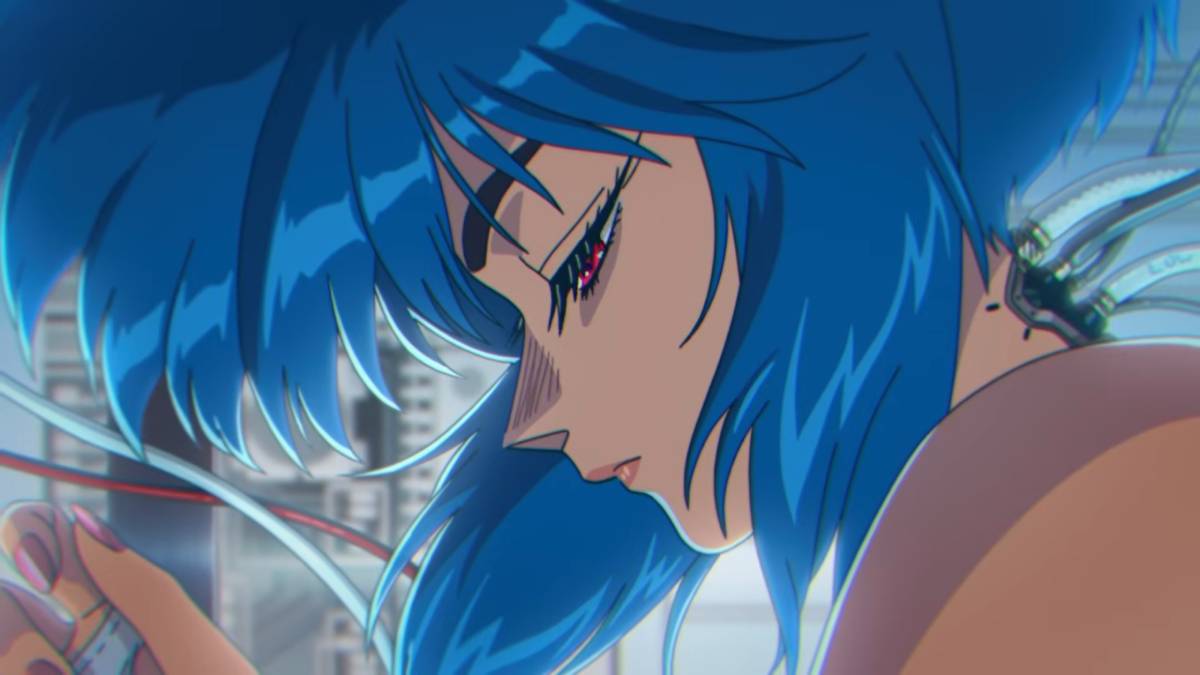
Accompanying the distribution announcement, a new trailer has been released, offering a deep dive into the aesthetic direction of the project. The footage establishes the grim, high-tech reality of the series, showcasing the neon-drenched urban sprawl that defines the Ghost in the Shell aesthetic. The trailer also provides a glimpse into the internal and external conflicts facing the Major and her squad, hinting at a narrative that honors the philosophical roots of Masamune Shirow’s original manga while pushing the visual boundaries of the medium.
Furthermore, the musical identity of the series has been unveiled: the ending theme, titled "Blue," is a collaboration between the experimental collective Millennium Parade, singer-songwriter Daniel Caesar, and artist Saya Gray. This high-profile musical partnership further cements the series’ intent to blend traditional cyberpunk motifs with modern, genre-defying soundscapes.
Chronology: From Manga to Modern Streaming
To understand the weight of this new adaptation, one must look at the timeline of the Ghost in the Shell franchise—a journey that has redefined the science fiction genre over the last four decades.
- 1989: Masamune Shirow serializes the original The Ghost in the Shell manga in Young Magazine Kaizokuban. It introduces the world to the concept of "ghosts" within cybernetic shells and the philosophical debate of consciousness in the digital age.
- 1995: Mamoru Oshii directs the seminal feature film Ghost in the Shell. The movie becomes an international sensation, influencing the visual style of future blockbusters like The Matrix.
- 2002–2003: The Stand Alone Complex series premieres, offering a more political and episodic look at Section 9. It is widely considered the gold standard for the franchise’s TV adaptations.
- 2004: Ghost in the Shell 2: Innocence continues the cinematic legacy, pushing the boundaries of CGI and hand-drawn animation integration.
- 2013–2016: The Arise series and The New Movie attempt to reboot the timeline, focusing on the formation of Section 9.
- 2017: A live-action adaptation featuring Scarlett Johansson is released, drawing mixed critical reception but maintaining the franchise’s visibility in Western markets.
- 2026: Science Saru’s new adaptation arrives, marking the return of the franchise to its high-budget, prestige roots.
Supporting Data: The Digital Ecosystem
Amazon’s move to make this new series a flagship title is backed by a robust existing library of Ghost in the Shell content. Currently, the platform hosts several key titles from the franchise, though accessibility varies by region.
Titles currently associated with the Amazon digital ecosystem include:
- Ghost in the Shell 2.0: The updated, visually remastered version of the 1995 classic.
- Ghost in the Shell: Individual 11: A compilation film derived from the Stand Alone Complex series.
- Ghost in the Shell: The Laughing Man: Another essential compilation focusing on the primary antagonist of the first Stand Alone season.
- Ghost in the Shell: Solid State Society: The high-stakes conclusion to the Stand Alone Complex era.
The presence of these titles on the platform creates a "gateway effect." By having the foundational material readily available, Amazon is positioning itself to capture the attention of legacy fans while simultaneously acting as the onboarding point for new viewers who might be curious about the source material after seeing the 2026 adaptation.
Official Responses and Creative Direction
While details on the specific plot remain guarded, the involvement of Science Saru suggests a focus on innovative storytelling. The studio has long been recognized for its ability to handle complex themes with a refined, sometimes experimental, artistic approach.
The production team has emphasized that this series will be a faithful exploration of the "Major’s" identity. In a landscape where AI and digital consciousness are no longer mere science fiction tropes but part of the daily discourse, the themes of Ghost in the Shell are arguably more relevant today than they were when the manga first hit newsstands in 1989.
Industry analysts note that by choosing to premiere the series on July 7, 2026, the studio and Amazon are aiming for a mid-summer cultural event. The choice of global synchronization is a direct response to the "piracy gap"—the time delay between a show airing in Japan and its international availability, which often plagued the anime industry in the early 2000s. By eliminating this gap, Amazon is signaling that it understands the demands of the modern, globally connected anime community.
Implications: A New Era for Anime Distribution
The transition of Ghost in the Shell to an Amazon Prime exclusive is a bellwether for the anime industry’s ongoing shift toward general-interest streaming platforms.
1. The Death of Niche Distribution
For years, anime was sequestered on specialized platforms. While services like Crunchyroll remain vital, the entry of Amazon, Netflix, and Disney+ into the space indicates that anime is now viewed as "prestige television." Ghost in the Shell is not being marketed as a niche product; it is being marketed as a global blockbuster, sitting alongside the likes of The Lord of the Rings: The Rings of Power or The Boys.
2. The Power of Intellectual Property (IP)
The decision to bankroll a new Ghost in the Shell adaptation highlights the industry’s reliance on established IP. In an era of content saturation, recognizable brands reduce the risk associated with new projects. However, the challenge for Science Saru is to innovate. A simple remake would likely be met with fatigue; a reinterpretation, however, carries the potential to redefine the franchise for a new era of digital surveillance and cybernetic advancement.
3. Cultural Impact and Accessibility
By offering the series to 240 countries simultaneously, the production team ensures that the "cultural conversation" happens in real-time. Fans in Tokyo, New York, London, and São Paulo will be able to dissect the same episodes, share theories, and engage with the material at the exact same moment. This global immediacy is essential for maintaining the momentum of a series that thrives on mystery and complex, slow-burn storytelling.
As the July 7, 2026, premiere date approaches, the excitement continues to build. Whether this new entry becomes the definitive version of the Major’s story remains to be seen. However, with a prestigious studio at the helm and a global stage provided by Amazon Prime, the stage is perfectly set for the return of one of anime’s greatest stories. The ghost is in the machine, and for the first time in a long time, it is being broadcast to the entire world at once.


 Asro
Asro
 Muslim