

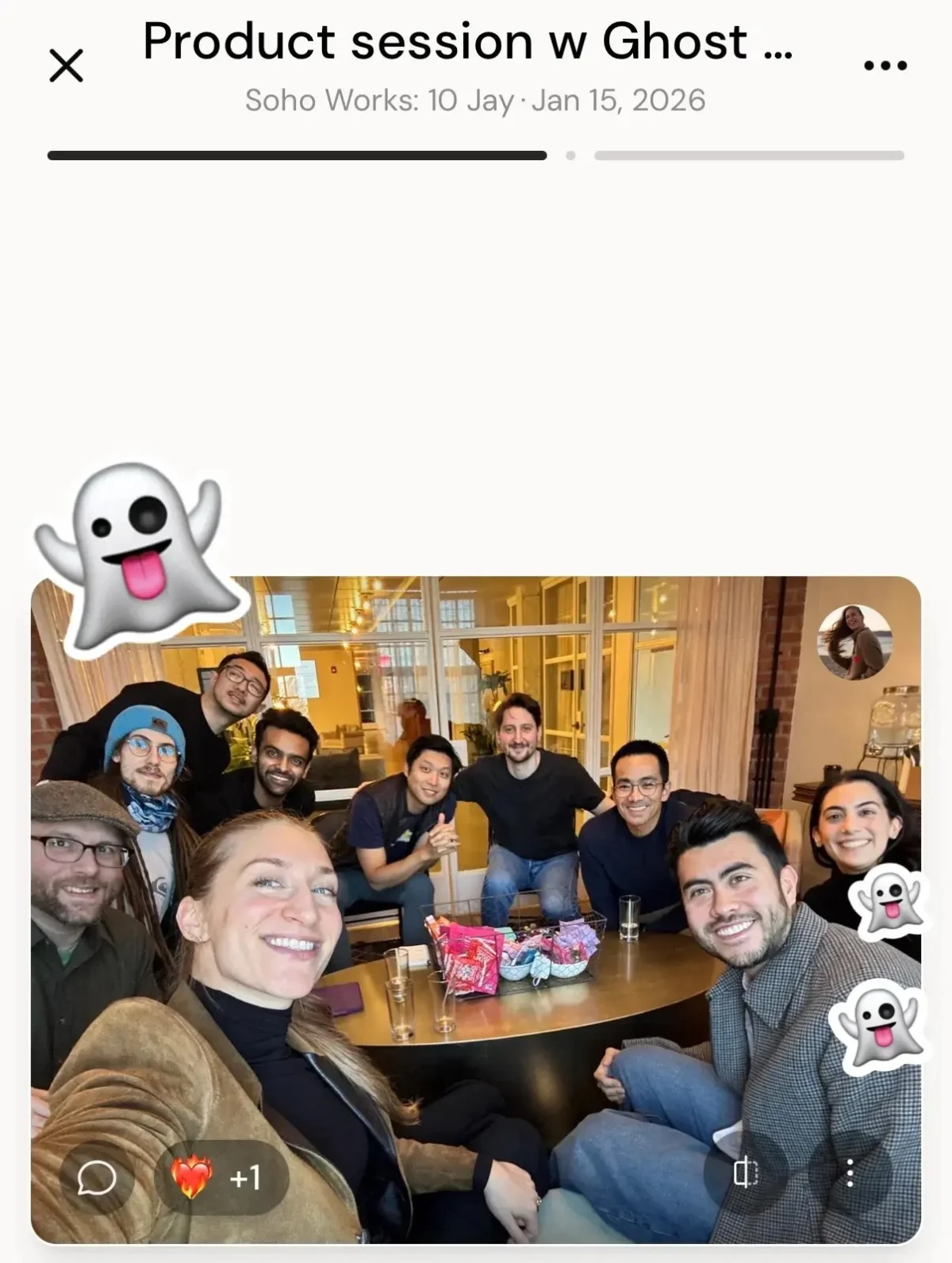
In the fast-paced ecosystem of Silicon Valley, where the lifespan of a platform is often measured in viral cycles, a new, formidable player has emerged from the legacy of one of the world’s most influential social media companies. A group of 20 former and current Snap employees has officially launched "Ghost Angels," an investment collective aimed at identifying and backing the next generation of social media and consumer technology.
By pooling their collective expertise, capital, and operational insights, the Ghost Angels are looking to move beyond the advertising-heavy, algorithmic stagnation that currently defines the social media landscape. With a mandate to deploy capital into at least 15 companies within the next year, the fund is positioning itself as a pivotal bridge between the "old guard" of social networking and the AI-native future.
The Genesis of Ghost Angels: A Formalized Legacy
The creation of Ghost Angels in 2025 serves as a formalization of an already vibrant, informal network of Snap alumni who have spent years navigating the nuances of scaling consumer-facing platforms. Max Rivera, who previously spearheaded global partnerships at Snap, serves as the driving force behind the fund.
Rivera, who now operates within Microsoft’s AI laboratory, recognized a gap in the venture capital market: a need for specialized, practitioner-led guidance for early-stage founders who are navigating a market that has changed drastically since the early days of Snapchat.
The collective is not merely a group of financiers; it is a powerhouse of institutional knowledge. The group includes approximately 20 founding members, featuring notable alumni such as Alexandra Levitt—the former lead of Snap’s corporate accelerator—and Will Wu, a cornerstone of the original Snap product and design team. Perhaps most intriguingly, the collective maintains a bridge to the present, with a small contingent of active Snap employees participating, ensuring that the fund remains tethered to the current operational realities of the social media giant.
Chronology of a New Venture
The trajectory toward Ghost Angels began long before its formal 2025 launch.
- 2015–2020: The "Snap Era," during which the foundational members of the collective honed their skills in product design, global partnerships, and growth hacking. This period marked the height of the platform’s cultural relevance and the establishment of the "Snap DNA"—a focus on ephemeral content, AR, and user-centric design.
- 2021–2024: The Great Diaspora. As senior talent began to move on from Snap to explore new ventures or join AI-focused firms like Microsoft, the informal alumni network became a hotbed for angel investing.
- Early 2025: Max Rivera initiates the formalization process. Recognizing that fragmented individual investments were less effective than a unified, strategy-led fund, he recruits 19 other founding partners to establish Ghost Angels.
- Mid-2025: The fund secures its initial capital and begins executing its thesis, backing five startups within the first few months.
- The Future Outlook: The team has set an ambitious internal deadline to deploy the remainder of their current fund into at least 15 companies over the coming 12 months.
Supporting Data: The Shifting Landscape of Consumer Tech
The investment thesis of Ghost Angels is rooted in a fundamental shift in how digital products are built. As Rivera notes, the era of massive, bloated development teams is waning. "Founders are launching fast and iterating in public," he observed in a recent interview.
This lean approach is supported by a broader market shift:
- Monetization Diversity: The era of the ad-supported, data-harvesting model is facing a consumer revolt. Ghost Angels is prioritizing startups exploring alternative revenue streams, including premium subscriptions, tokenized incentives, and usage-based models.
- Founder-Led Go-To-Market (GTM): The fund emphasizes a return to authenticity. They are favoring founders who prioritize community-building and direct engagement over traditional, top-down marketing spend.
- The "Social vs. Media" Split: The most critical insight driving the fund’s strategy is the observation that "social" and "media" have bifurcated. Where platforms used to bundle connection and content, the next generation is separating them. The fund identifies "social" as the infrastructure for genuine human connection, while "media" represents the AI-native tools that lower the barrier for creative distribution in gaming, fashion, and sports.
Official Responses and Strategic Vision
During a conversation with TechCrunch, Max Rivera highlighted the intentionality behind the fund’s composition. By mixing senior executives who understand the regulatory and scaling challenges of a public company with younger, "in-the-trenches" talent, the Ghost Angels provide a unique mentorship value proposition.

"We were intentional about the mix," Rivera stated. "That diversity of thought and experience is core to how we evaluate deals and support founders."
The fund is specifically targeting pre-seed to seed AI startups. The goal is to avoid the "doomscrolling" fatigue that has disillusioned users of current, legacy platforms. Instead of building generalized platforms that rely on black-box algorithms to capture attention, the Ghost Angels are looking for niche-focused platforms that promise to restore the "original promise" of digital connection—a space where technology facilitates, rather than dictates, social interaction.
The Broader Implications for the Venture Capital Market
The rise of Ghost Angels signals a maturing of the "Alumni Fund" model. Unlike traditional venture capital firms that may be distanced from the actual craft of product development, Ghost Angels offers "practitioner capital."
1. The Death of the Generalist Platform
The market is clearly moving away from the "one-size-fits-all" social media experience. By backing startups that focus on niche communities, Ghost Angels is betting that the future of the internet is decentralized and community-centric rather than platform-centric. This shift could pose a significant threat to incumbents like Meta or TikTok, which struggle to cater to highly specific, granular user needs.
2. AI as the Great Equalizer
By investing in "AI native" tools, the collective is betting on a future where the cost of creation drops to near zero. Whether it is a generative music tool or an automated fashion-design suite, the Ghost Angels are looking for startups that provide users with "superpowers." If they succeed, they could trigger a Cambrian explosion of creator-led content that bypasses traditional platform gates.
3. Institutionalizing the "Snap Way"
Snapchat was arguably the last major social media company to fundamentally change how people communicate, moving from the text-heavy feeds of Facebook to the visual-first, ephemeral nature of the Snap camera. By institutionalizing the methodologies that made Snap a success, the Ghost Angels are effectively attempting to propagate that culture into a new generation of startups. Whether they can replicate that success remains to be seen, but their presence in the early-stage market is undeniable.
Conclusion
As the digital landscape navigates the messy transition from the ad-driven, algorithm-dominated era to an AI-augmented, decentralized future, the Ghost Angels are positioned as a critical catalyst. By prioritizing, as Rivera puts it, "applying AI in creative ways to finally deliver on the original promise" of connection, this collective of Snap alumni is doing more than just writing checks. They are setting the agenda for what the next decade of social media will look like.
For founders in the consumer and AI spaces, the Ghost Angels offer a rare combination of technical pedigree and the battle-hardened experience of having built at the highest level of scale. As the group moves to fill their remaining 15 slots in the coming year, the industry will be watching closely to see if they can indeed capture the magic that defined their origins and translate it into a new era of digital innovation.












No comments yet. Be the first to join the conversation!