


The DC Universe (DCU) is currently navigating its most turbulent waters since the inception of the rebooted cinematic project helmed by James Gunn and Peter Safran. Following the theatrical release of Supergirl, the studio is grappling with a stark commercial reality: the film has failed to ignite the global box office, recording an opening weekend that has sent shockwaves through the industry and triggered urgent questions regarding the long-term sustainability of the studio’s current creative roadmap.
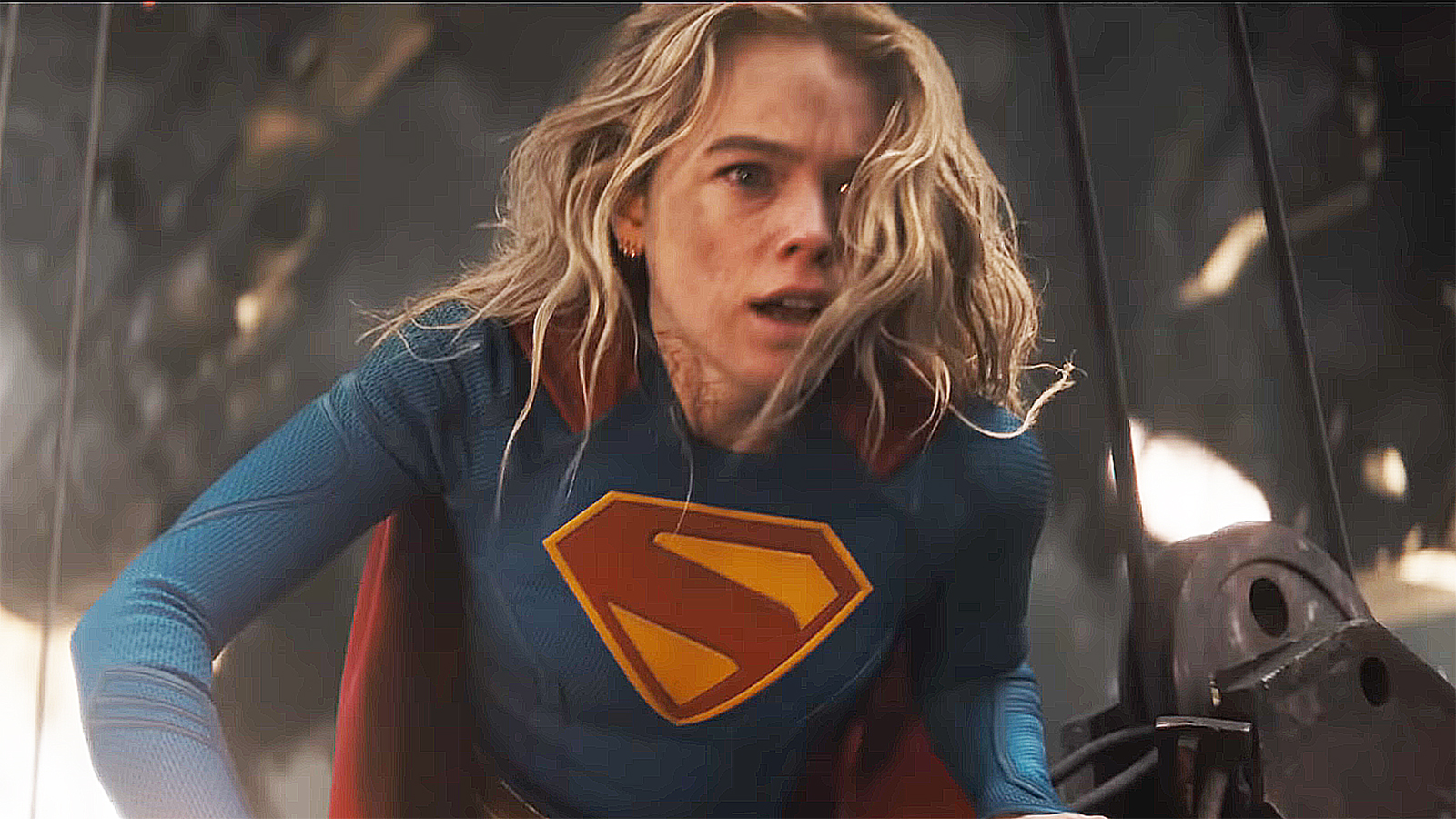
For a studio tasked with reinvigorating a cinematic legacy, the underperformance of Supergirl—starring Milly Alcock in the lead role—is more than just a box office disappointment; it is a strategic setback that has forced leadership into a mode of "damage limitation."
A Disastrous Debut: The Numbers Behind the Failure
The box office metrics for Supergirl (formerly titled Supergirl: Woman of Tomorrow) are, by any objective standard, catastrophic. Following its June 26 release, the film brought in a mere $68 million worldwide over its first four days. This total comprises a deeply concerning $38 million from the North American market and a similarly lackluster $30 million from international territories.
To place these figures into a sobering context, industry analysts have been quick to draw comparisons to Sony’s 2022 Marvel spin-off, Morbius. Despite being widely derided by critics and becoming the subject of numerous internet memes, Morbius managed to secure $39 million in its North American opening weekend. The fact that a flagship entry in the new DCU, backed by a significant marketing budget and a high-profile creative team, failed to outperform a project widely considered a "flop" underscores the severity of the crisis.
Furthermore, the critical reception provides little solace. Supergirl currently holds a 56% approval rating on Rotten Tomatoes—a "rotten" score that barely separates it from the critical darlings the studio hopes to emulate. While it sits comfortably above the "life-draining" 15% rating held by Morbius, the lack of a strong critical consensus has arguably hampered the film’s ability to generate the "must-see" word-of-mouth momentum required for a sustained theatrical run.

Official Responses: Staying the Course Amidst the Storm
In the immediate wake of these figures, DC Studios co-chief Peter Safran has attempted to project an image of unwavering resolve. Speaking to The New York Times, Safran acknowledged that the film "didn’t meet our box office expectations," a statement that industry insiders have characterized as a significant understatement.
However, Safran was quick to reiterate that he, James Gunn, and the parent company, Warner Bros. Discovery, "remain confident in" the long-term vision for the DCU. This rhetoric is consistent with the studio’s broader messaging: that the DCU is a marathon, not a sprint. The leadership team appears committed to their multi-year Chapter One slate, suggesting that they are unwilling to abandon their current trajectory or pivot based on the performance of a single title.
Whether this insistence on sticking to the plan is perceived as visionary leadership or a failure to adapt to shifting audience demands remains a point of contention among investors and fans alike.
The Factors at Play: Why Didn’t Supergirl Fly?
The failure of Supergirl cannot be attributed to a single cause; rather, it is the result of a "perfect storm" of market conditions and strategic decisions.
1. The Specter of Superhero Fatigue
There is an ongoing, heated debate regarding "superhero fatigue." Audiences appear increasingly selective, moving away from standard comic book origin stories in favor of genre-bending or highly unique cinematic experiences. Supergirl, despite its stylistic ambitions, may have been perceived by the general public as "more of the same" at a time when viewers are looking for novelty.
2. The Hierarchy of Icons
Critics have suggested that prioritizing a Supergirl standalone film over other, more established pillars of the DC pantheon—such as Batman or Wonder Woman—may have been a miscalculation. While Kara Zor-El is a beloved character, the lack of an ensemble draw or the presence of the "Holy Trinity" may have contributed to a lack of urgency among casual moviegoers.
3. The "Box Office Cannibalization" Theory
Perhaps most crucial to the film’s failure is the competitive landscape. Supergirl was forced to compete with two juggernaut franchises that possess immense cultural penetration: Toy Story and the Minions series.
Toy Story 5 has proven to be a juggernaut, raking in a staggering $585 million in its first 12 days. Its popularity has transcended its mixed critical reception, proving that established brand loyalty can often shield a film from negative sentiment. Meanwhile, the impending release of Minions and Monsters (scheduled for July 3) created a bottleneck in the family and broad-audience demographics, leaving Supergirl struggling to find a foothold in an overcrowded market. Had the studio opted for an August release window, it might have faced a lighter slate of competitors, potentially allowing for a more stable, if not explosive, performance.
Implications for the Future of the DCU
The implications of this performance are far-reaching. For DC Studios, the pressure to deliver with subsequent projects is now immense. The Supergirl failure puts a spotlight on Man of Tomorrow, the sequel to last year’s Superman film, which is expected to carry the heavy lifting of anchoring the DCU.
If the studio continues to see diminishing returns, they may be forced to re-evaluate their marketing strategies or even their release scheduling. The current trend suggests that the "DCU" label alone is no longer enough to guarantee box office success. Audience trust must be earned through consistent quality, and the current, lukewarm reception to Supergirl suggests that there is a significant gap between the studio’s internal confidence and the public’s current appetite for these stories.

A Chronology of the Crisis
- June 2026: Supergirl is released worldwide to high expectations but faces an immediate uphill battle due to crowded scheduling.
- Opening Weekend (June 26–30): The film nets $68 million globally, missing projections and falling short of industry benchmarks.
- Post-Release: Critical consensus settles at 56% on Rotten Tomatoes, signaling a polarized response that fails to generate positive buzz.
- Early July 2026: Studio leadership, including Peter Safran, acknowledges the shortfall while doubling down on the long-term DCU plan, attempting to quell speculation of a creative reset.
- Looking Forward: Analysts monitor the upcoming July release of Minions and Monsters to see if Supergirl faces a complete collapse or if it can find a secondary audience in its second week.
Conclusion: The Road Ahead
The path forward for DC Studios is fraught with difficulty. The failure of Supergirl is a stark reminder that the modern theatrical landscape is unforgiving. To move forward, Gunn and Safran will need to demonstrate that they can learn from these early missteps.
Whether this involves recalibrating the tone of future films, adjusting the scale of their budgets, or refining their release strategies to avoid direct competition with animation titans, the next eighteen months will be critical. The DCU, as envisioned by its new architects, is built on a foundation of serialized, interconnected storytelling. However, if the first few stones of that foundation—like Supergirl—fail to support the weight of the structure, the studio may find itself having to rebuild much faster than anticipated.
For now, the industry watches and waits. The story of Supergirl is, for the time being, a cautionary tale about the volatility of the modern superhero genre and the absolute necessity of timing, brand equity, and, above all, audience connection.











