Main Facts: Blizzard Delivers a Masterpiece with "Lord of Hatred"
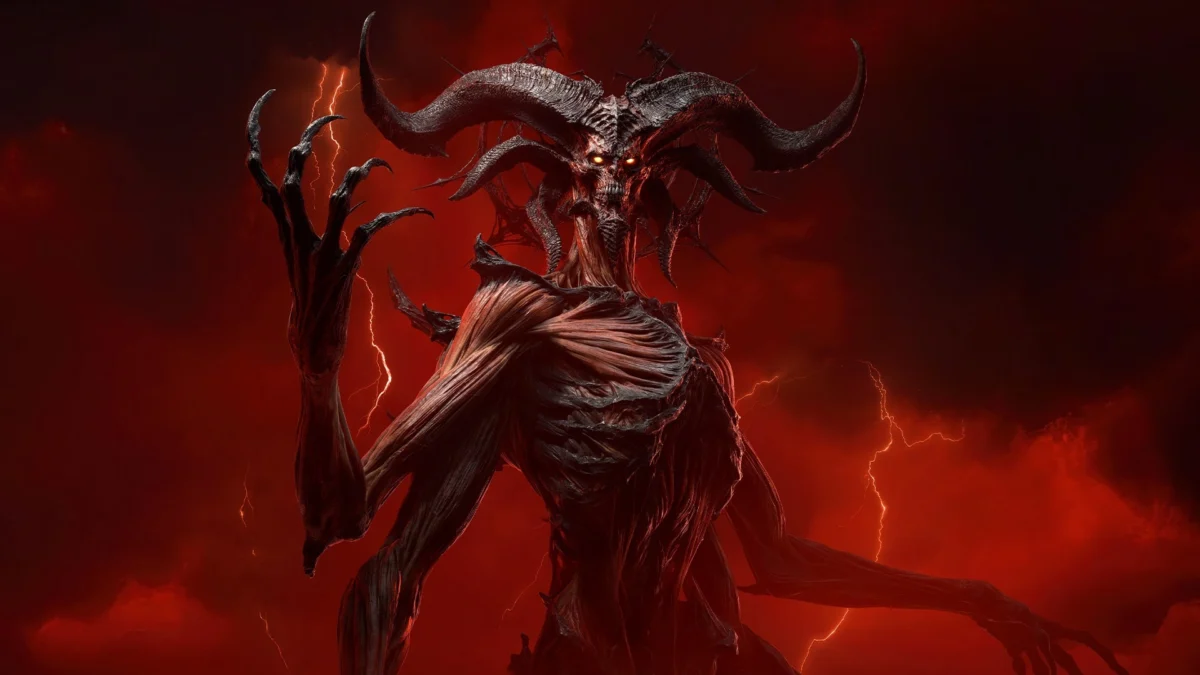
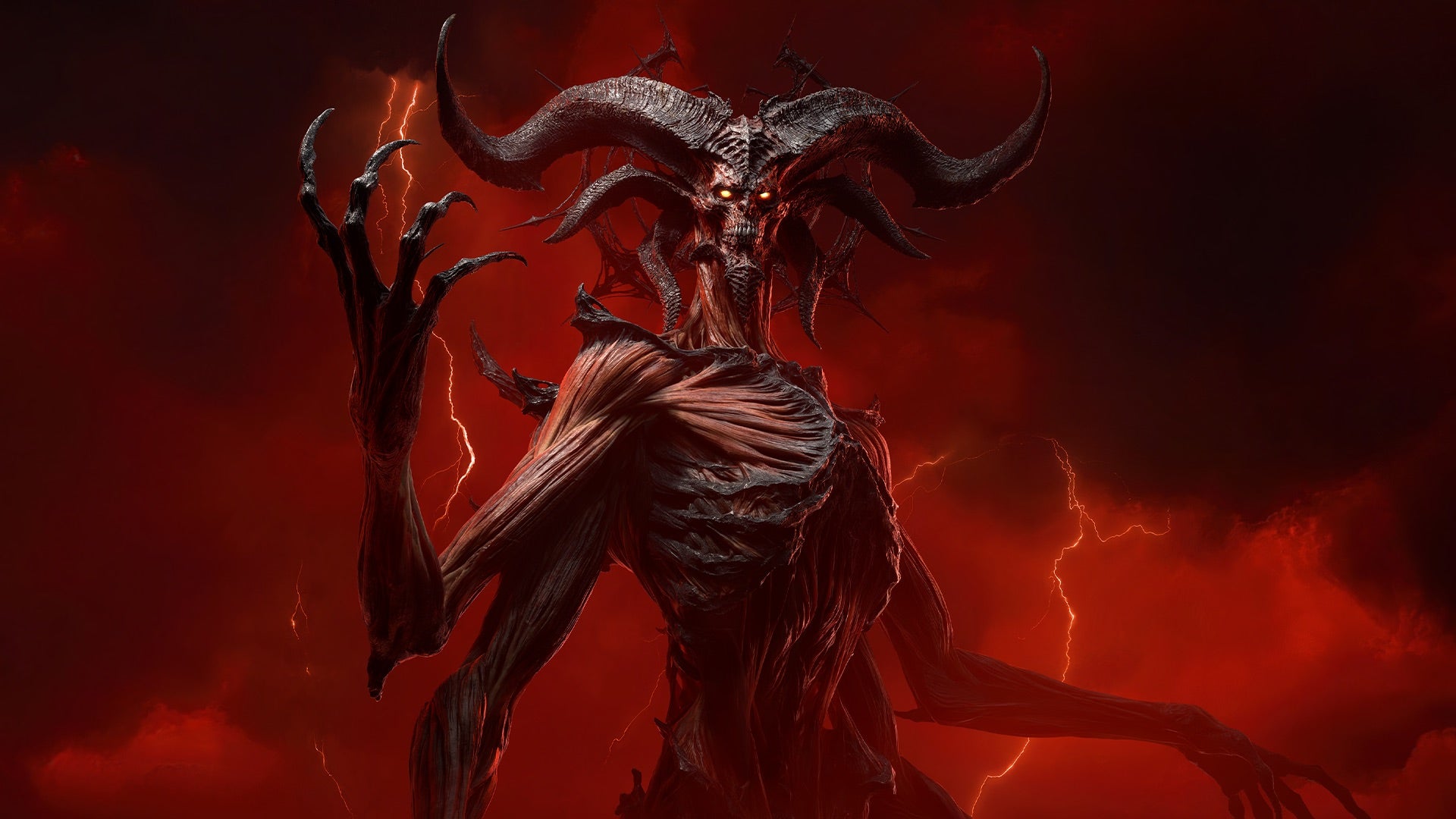
Blizzard Entertainment has seemingly defied expectations and silenced critics with the monumental release of Diablo 4: Lord of Hatred, an expansion hailed by many as not only a triumphant conclusion to the arc that began with Diablo 4 but also one of the developer’s finest works to date. Slated for a highly anticipated 2026 release, Lord of Hatred (LoH) arrives with the immense pressure of redeeming the live-service missteps of its predecessor and delivering a narrative and gameplay experience worthy of the iconic ARPG franchise. According to early impressions, it has not only met but significantly surpassed these expectations, setting a new benchmark for expansion content.
The core of this critical acclaim rests on several pillars: a deeply engaging and emotionally resonant campaign that expertly wraps up the Mephisto storyline, the introduction of the breathtaking and lore-rich Skovos Isles, and the addition of two distinct and innovative classes – the long-awaited Paladin and the complex, tactical Warlock. Beyond these headline features, Blizzard has meticulously refined and expanded Diablo 4‘s core systems, introducing significant quality-of-life improvements and endgame innovations that promise to reinvigorate the player experience for years to come. This expansion is not merely an addition; it is a fundamental re-imagining and enhancement of Diablo 4, promising to redefine the game’s legacy.
Chronology of Diablo 4’s Journey: From Hope to Redemption
Diablo 4’s Grand Opening and Initial Promise
The journey of Diablo 4 began with considerable fanfare and critical praise upon its launch. Players were captivated by its return to a darker, grittier aesthetic reminiscent of Diablo II, coupled with unparalleled production values and a "game feel" that many agreed was unmatched in the ARPG genre. The initial campaign, featuring the formidable Lilith, laid a strong foundation for a sprawling narrative, hinting at deeper lore and a more mature storytelling approach. The open world of Sanctuary felt vast and dangerous, and the core combat loop was undeniably satisfying, establishing Diablo 4 as a formidable contender in the action role-playing landscape. For many, including this reviewer, the sheer hour count spent within its initial iteration was a testament to its foundational strength.
Navigating the Tempest: Live Service Challenges and "Vessel of Hatred"
Despite its strong start, Diablo 4‘s live service journey was not without its significant hurdles. Blizzard faced a barrage of community feedback, often critical, regarding seasonal content that sometimes felt underwhelming, balance patches that missed the mark, and events that failed to sustain player engagement. The phrase "rakes Blizzard has stepped on" became a colloquial shorthand for the development team’s perceived missteps in iterating on the game post-launch. Each new season or event was met with a mix of anticipation and apprehension, as players yearned for the game to reach its full potential.
This rocky road led to the release of the first expansion, Vessel of Hatred (VoH). While Vessel of Hatred introduced the widely praised Spiritborn class, which quickly became a fan favorite for its innovative mechanics and aesthetic, the overall reception for the expansion’s narrative content was lukewarm. Many players felt that VoH’s campaign lacked the epic scope expected of a Diablo expansion, often feeling more akin to an extended side quest rather than a crucial advancement of the overarching story. It failed to significantly propel the narrative forward, leaving the core conflict with Mephisto largely unresolved and adding to the pressure on subsequent releases. The disappointment lingered, highlighting the need for a truly impactful follow-up.
The Road to Lord of Hatred: A Promise of Comeback
The year-long gap between Vessel of Hatred and Lord of Hatred proved to be a critical period for Blizzard. It was clear that the development team recognized the need for a significant course correction and a definitive statement of intent. The anticipation for LoH grew exponentially, fueled by the hope that Blizzard’s "eagerness for a comeback" would translate into something truly special. The pre-release information and the shadow-drop of the Paladin class months prior to LoH’s full launch served as early indicators of a renewed commitment to expanding and enriching Diablo 4. This prolonged development cycle and the palpable shift in focus aimed to address the criticisms leveled against the base game and its first expansion, setting the stage for what many hoped would be a return to form for the venerable franchise.
Deep Dive: Content and Innovation
Unveiling Skovos: A New Frontier of Lore and Beauty
Lord of Hatred picks up directly after the events of Vessel of Hatred, with Neyrelle continuing her desperate quest to contain Mephisto within the soulstone. Her journey leads her to the enigmatic Skovos Isles, a region that immediately distinguishes itself within Sanctuary’s diverse geography.
Geographical and Cultural Richness
The Skovos Isles stand as a stunning departure from the gothic grimness of previous regions, drawing heavily from the vibrant aesthetics of the Mediterranean. Players will immediately recognize the influence of the Aegean islands and various Greek provinces in its architecture and ambiance. Red-tiled roofs gleam under a perpetual azure sky, contrasting with textured stucco walls and intricate cobblestone streets. This meticulous attention to detail creates a visually refreshing experience, transporting players to a locale brimming with life and ancient history. One particular sub-region even features structures reminiscent of classical Greek architecture, boasting what is effectively Diablo 4‘s own Parthenon, a testament to the region’s unique cultural heritage and its deep roots in the game’s lore.
Lore Significance and the Amazons of Skovos
Beyond its visual appeal, Skovos holds immense significance in the grand tapestry of Diablo lore. It is revealed to be the ancestral homeland of humanity’s progenitors – the direct descendants of Lilith and Inarius. This marks Skovos’s first appearance in any Diablo game, instantly cementing its status as one of the most exciting and revelatory regions to explore. The narratives woven into its very fabric delve into the genesis of humanity, offering profound insights into the foundational myths of Sanctuary.
Central to Skovos’s culture are its people: the legendary Amazons. Much like DC Comics’ Themyscira and the lore of Wonder Woman, the Amazons of Skovos are depicted as a formidable matriarchal society of warrior maidens. Their queen plays a pivotal and sizable role in the expansion’s narrative, guiding the player through the complex political and spiritual landscape of the islands. This rich cultural backdrop, combined with its profound lore implications, ensures that Skovos is far more than just a pretty backdrop; it is a living, breathing entity deeply intertwined with the story of Sanctuary.
Exploration and Scale
While the landmass of Skovos is noted to be slightly smaller compared to some of Diablo 4‘s other expansive regions, this is expertly compensated by an incredible density of topographical and locational variety. From sun-drenched coastal towns to ancient ruins shrouded in mystery, and verdant forests hiding forgotten secrets, exploration never feels repetitive. The reviewer’s experience of 30+ hours within the review build confirms that the environment consistently offers new sights, sounds, and challenges, ensuring a fresh and engaging experience throughout.
Forging New Paths: The Classes
Lord of Hatred introduces two new playable classes that inject fresh dynamics into Diablo 4‘s combat system, each catering to different playstyles and fantasies.

The Paladin: A Righteous Return
Despite the strong presence of the Amazons in Skovos, Blizzard made a bold choice not to introduce an Amazon class directly. Instead, they opted for the long-awaited return of the Paladin, a decision that has been met with widespread enthusiasm. The Paladin, having "shadow-dropped" several months prior to the full expansion’s release, finally fills a crucial void in Diablo 4‘s class roster: the classic sword-and-board archetype. For years, players lamented the absence of a dedicated holy warrior, a role previously occupied by the Paladin in Diablo II and the Crusader in Diablo III.
This iteration of the Paladin beautifully blends familiar elements with new twists. While embodying the stalwart defender and righteous smiter, the class also borrows some iconic skills from the Amazons of past games, allowing for versatile ranged and melee combat. Furthermore, one of its variants even incorporates "Angelic moves," hinting at deeper ties to the High Heavens and adding another layer to its divine power fantasy. The Paladin serves as a satisfying fulfillment of a classic Diablo archetype, offering robust defense, powerful holy attacks, and a sense of unyielding resolve that many players crave.
The Warlock: Master of Dark Pacts
The second new class, the Warlock, is a far more unconventional and complex addition. Visually, the Warlock embodies an "edgy, metalhead" aesthetic – a practitioner of dark arts who embraces the grim and grotesque. This visual identity is not merely superficial; it deeply informs the class’s lore and demanding playstyle. Warlocks are portrayed as practitioners unafraid to "literally rip demons from Hell to do their bidding," a commitment reflected in their unique combat mechanics.
The Warlock occupies a demanding dual role as a summoner-caster, a wretched spawn born of the Necromancer and Sorcerer archetypes. Unlike typical ARPG classes that rely on straightforward skill rotations, the Warlock demands a higher level of tactical foresight and resource management. Players are empowered to strategically sacrifice some of their summoned minions for powerful effects, or to use others to buff and inform specific attacks. This intricate dance of minion management and spellcasting requires constant planning ahead to maximize effectiveness. When mastered, the Warlock offers a profound sense of control over the battlefield, a feeling of "achieved mastery" that none of the other classes can quite replicate. Its high skill ceiling makes it a rewarding challenge for players seeking a truly unique and complex experience.
A Narrative Masterpiece: The Climax of Hatred
The narrative of Lord of Hatred is undoubtedly one of its crowning achievements, lauded as the most exciting and eventful campaign across Diablo 4 and its expansions, standing shoulder-to-shoulder with the best storytelling moments from Diablo III.
The Core Conflict’s Climax
The campaign plunges players deeper into Neyrelle’s desperate struggle to contain Mephisto, the eponymous Lord of Hatred. Her journey through the Skovos Isles is fraught with peril and moral dilemmas, escalating the stakes with every turn. Crucially, the campaign is characterized by its remarkable pacing and lack of "fluff." It feels like a direct and purposeful apology for the meandering and often forgettable narrative of Vessel of Hatred, delivering a tight, impactful story where every moment contributes meaningfully to the overarching plot.

Character Arcs Reimagined
Lord of Hatred brilliantly brings back some of the most interesting characters from the main game, pushing their arcs into new, compelling directions and, in some cases, re-examining their core motivations altogether. The most striking return is that of Lilith, who remains Diablo 4‘s most intriguing character. This iteration of Lilith feels like a direct continuation and deeper exploration of the character introduced in Diablo 4‘s launch campaign. Her core motives remain steadfast, but the narrative cleverly explores a side of her previously unseen: her vulnerability and resilience after losing much of her power. Her actions in Lord of Hatred are depicted as more consistent with where many players felt Blizzard should have taken her by the end of Diablo 4, providing a more satisfying and logical progression for the Daughter of Hatred.
Pacing, Emotional Impact, and the Grand Finale
The campaign’s strength lies not only in its plot but also in its emotional resonance. It deftly balances moments of high-octane spectacle with profoundly "heartbreakingly-emotional" sequences and triumphant victories. The story is unafraid to "kill its darlings," delivering a sense of genuine finality and consequence that elevates the stakes. The climactic final boss encounter is described as one of the most inventive in recent action-RPGs, a masterful culmination of the game’s mechanics and thematic elements that ties everything together in a deeply satisfying manner.
Cinematic Excellence
Blizzard’s legendary cinematic prowess is on full display in Lord of Hatred. The expansion features some of the most spectacular cinematics the company has ever created. The acting, direction, and shot composition combine to deliver moments that are both visually stunning and emotionally potent. These aren’t mere cutscenes to be skipped; they are integral parts of the storytelling, deepening character motivations and magnifying the impact of pivotal events. Players are strongly urged to witness these unfold, as they contribute significantly to the overall immersive and epic experience.
Refining Sanctuary’s Systems: Endgame Innovations
Beyond its compelling narrative and new content, Lord of Hatred fundamentally improves Diablo 4‘s underlying gameplay systems, addressing long-standing player feedback and introducing fresh ways to engage with the endgame.
Expanded Progression and Talent Trees
The expansion raises the level cap to 70, paving the way for a comprehensive overhaul and expansion of the talent trees for all classes. This rework is particularly impactful as it integrates some of the most powerful abilities previously locked behind Legendary gear directly into the skill progression. This change democratizes access to potent build-defining powers, allowing players more flexibility and agency in crafting their characters without being solely reliant on specific drops.
The Talisman System
A brand-new "Talisman" system is introduced, offering another layer of customization and power progression. This system allows players to attain unique abilities and passives that provide significant boosts to core functions, such as increasing the number of healing potions carried or augmenting dodge capabilities. The Talisman system encourages further build specialization, giving players more tools to fine-tune their characters to their preferred playstyle.

Gear Pursuit and the Horadric Cube’s Return
Lord of Hatred enhances the loot hunt by emphasizing sets and their powerful set bonuses, adding another compelling layer to the list of coveted items. Crucially, the expansion reintroduces the iconic Horadric Cube, a beloved feature from previous Diablo titles. This returning artifact offers players a much-needed avenue to mitigate the frustrations of bad loot rolls. With the Horadric Cube, players can upgrade item rarity and further tweak affixes using recipes, providing a tangible way to improve existing gear rather than endlessly praying for a "Mythic Unique." This system directly addresses the "gear ceiling" problem in Diablo 4‘s endgame, empowering players to refine their equipment and chase perfection more actively.
War Plans: Gamifying the Endgame
Perhaps one of the most significant endgame innovations is the "War Plans" system. This ingenious addition essentially gamifies the endgame experience, providing structure and persistent progression beyond individual activity runs. Players can create "playlists" of their preferred endgame activities – be it Helltides, Nightmare Dungeons, or new challenges. Completing these plans feeds into dedicated progression trees for each activity type, offering extra rewards on top of the loot earned from individual runs. War Plans provide a clear sense of purpose and long-term goals, combating potential endgame monotony and giving players more control over how they engage with Diablo 4‘s most challenging content.
Official Responses and Community Impact
Blizzard’s Strategic Shift and Reaffirmation
Lord of Hatred represents a pivotal moment for Blizzard Entertainment, signaling a strategic shift in their approach to Diablo 4‘s live service model. The expansion is a direct and resounding response to years of player feedback, demonstrating a clear commitment to not only addressing past criticisms but also investing heavily in refining the core experience. This release can be seen as Blizzard’s reaffirmation of their dedication to the Diablo franchise and their player base, indicating a willingness to learn from past missteps and deliver content that truly resonates. The comprehensive nature of the improvements, from narrative to systems, showcases a holistic development philosophy aimed at long-term player satisfaction.
Anticipated Community Acclaim
While this review is an early assessment, the overwhelming positivity surrounding Lord of Hatred‘s content and execution strongly suggests that it will be met with widespread community acclaim. This expansion is poised to win back skeptics who had grown disillusioned with Diablo 4‘s live service, reigniting excitement and energizing the player base. The resolution of the main storyline, the introduction of beloved and innovative classes, and the significant quality-of-life improvements are all elements that players have consistently requested. The enthusiasm generated by a genuinely excellent expansion is expected to translate into renewed player engagement, higher retention rates, and a more vibrant Diablo 4 community overall, marking a turning point for the game.
Implications for Diablo’s Future
Setting a New Standard for ARPG Expansions
Diablo 4: Lord of Hatred accomplishes the near-impossible task of delivering a game-changing expansion that fundamentally improves on the core of Diablo 4, while simultaneously providing a weighty narrative conclusion that brilliantly balances spectacle with emotional heft. Its success will undoubtedly set a new, higher standard for future Diablo expansions and for ARPG expansions across the genre. Developers will look to LoH as a case study in how to listen to player feedback, innovate within established frameworks, and deliver content that feels both fresh and deeply rooted in the franchise’s identity.
Reinvigorating the Franchise and Lessons Learned
This triumphant release has the power to reinvigorate the Diablo franchise as a whole, boosting Blizzard’s reputation and ensuring the long-term health and relevance of Diablo 4. It teaches invaluable lessons about the importance of investing in a compelling narrative, designing robust and engaging endgame systems, and maintaining an open dialogue with the player community. The comprehensive nature of the improvements—from the meticulously crafted Skovos Isles and its lore to the innovative class designs and the quality-of-life enhancements—demonstrates that with focused effort and a clear vision, a live-service game can evolve dramatically for the better.

The End of an Era, The Dawn of Another
With Lord of Hatred, the arc that began with Diablo 4 finds a definitive and satisfying conclusion. It is an end to one chapter, but it simultaneously paves the way for exciting new possibilities within the vast universe of Sanctuary. The boldness of its storytelling, the willingness to conclude major character arcs, and the introduction of systems designed for sustained engagement suggest a confident future for Diablo 4. This expansion is not just essential for any fan of ARPGs; it is a testament to Blizzard’s enduring legacy and a promise of thrilling adventures yet to come in the ever-evolving world of Diablo.
Reviewed on PC, code provided by publisher.