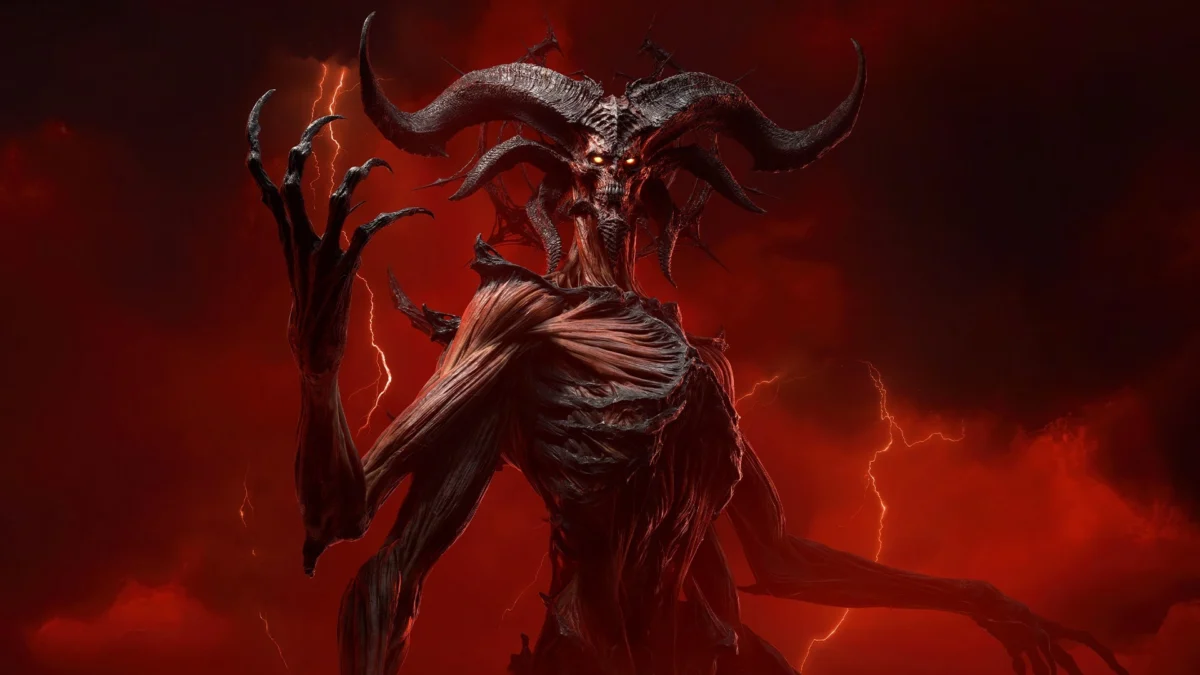
SANCTUARY – Blizzard Entertainment has once again asserted its dominance in the action-RPG (ARPG) genre with the highly anticipated release of Diablo 4: Lord of Hatred. Poised as one of the most significant launches of 2026, this expansion not only meticulously concludes the intricate arc initiated by Diablo 4 but also stands as a testament to Blizzard’s capacity for delivering a campaign that critics are already hailing as one of its finest achievements. Following a period of fluctuating reception for Diablo 4‘s live service, Lord of Hatred emerges as a powerful declaration, offering a deeply engaging narrative, innovative gameplay systems, and two compelling new classes that fundamentally enrich the core experience.
For many, Diablo 4 has been a cornerstone of their gaming libraries, often boasting unprecedented hour counts due to its unparalleled game feel and production value. Despite navigating various live service challenges, seasonal missteps, and event botches throughout its lifespan, the underlying quality of Diablo 4‘s combat and world-building has remained undeniable. Lord of Hatred capitalizes on these strengths, meticulously crafting an experience designed to rectify past grievances and elevate the franchise to new heights.
Main Facts: A Triumphant Return to Form
Diablo 4: Lord of Hatred is positioned as the definitive conclusion to the saga that began with the base game, providing a profound sense of closure while simultaneously invigorating the gameplay landscape. Key features of this monumental expansion include:
- Epic Narrative Conclusion: The campaign is lauded as the most exciting and emotionally resonant of the Diablo 4 series, delivering a tightly woven story with minimal filler and impactful character developments, particularly for fan-favorite Lilith. It culminates in a final boss encounter praised for its inventive mechanics and thematic resonance.
- The Skovos Isles: A breathtaking new region inspired by the Mediterranean, offering fresh aesthetics, unique lore as humanity’s birthplace, and a distinct matriarchal Amazon society.
- Two New Classes: The long-awaited Paladin, a robust sword-and-board class, and the intricate Warlock, a demanding summoner-caster hybrid that offers unprecedented tactical depth.
- Revamped Progression Systems: An increased level cap of 70, expanded talent trees incorporating previously Legendary powers, and the introduction of the Talisman system for further build specialization.
- Returning Fan-Favorite Mechanics: The Horadric Cube makes a welcome return, providing players with greater control over loot customization and rarity upgrades.
- Innovative Endgame Structure: War Plans introduce a gamified approach to endgame activities, allowing players to create activity playlists with dedicated progression trees and enhanced rewards.
- Unparalleled Production Value: Breathtaking cinematics, exceptional voice acting, and masterful direction ensure the narrative moments are as visually stunning as they are emotionally impactful.
This comprehensive suite of additions and improvements positions Lord of Hatred not merely as an expansion, but as a transformative overhaul that addresses core player desires and re-establishes Diablo 4 as a benchmark for the ARPG genre.
Chronology: From Launch to Redemption
The journey to Lord of Hatred‘s critical acclaim has been one marked by both soaring highs and challenging lows, reflecting Blizzard’s ongoing efforts to refine the Diablo 4 experience.
The Journey Begins: Diablo 4’s Launch and Initial Reception
Upon its initial release, Diablo 4 was widely celebrated for its visceral combat, dark atmospheric art style, and unparalleled production values. Players instantly gravitated towards its satisfying combat loop and the grim, expansive world of Sanctuary. However, the game’s live service model, particularly its seasonal content and various events, often struggled to meet player expectations. Criticisms frequently targeted perceived lack of meaningful endgame progression, repetitive seasonal mechanics, and balancing issues that sometimes overshadowed the game’s inherent strengths. Despite these challenges, the foundational gameplay remained robust, cultivating a dedicated player base committed to seeing the game evolve.
The Faltering Step: Vessel of Hatred
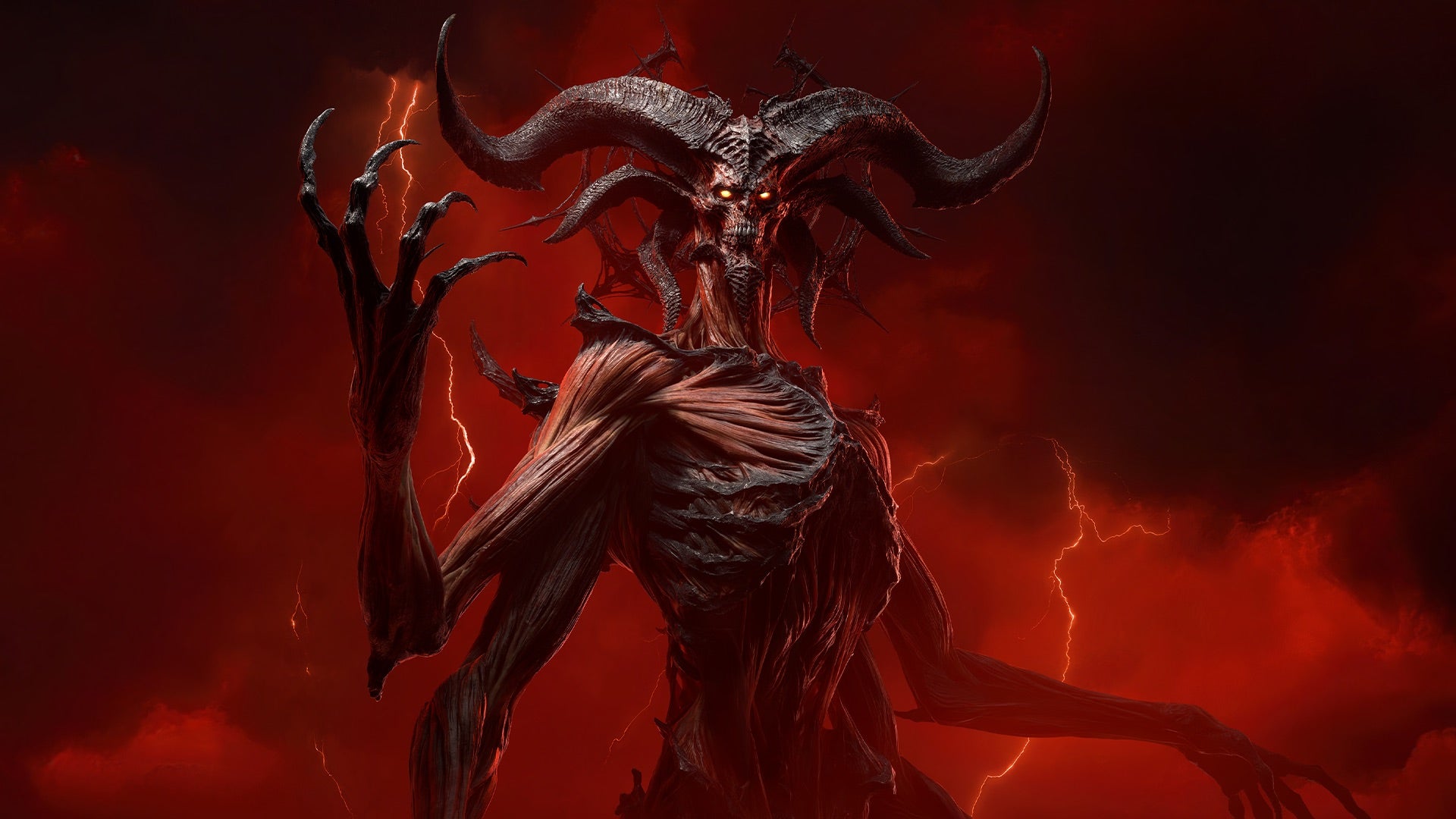
The first expansion, Vessel of Hatred, released prior to Lord of Hatred, was met with a more lukewarm reception. While it introduced the innovative and highly-regarded Spiritborn class, many players felt its narrative contributions were underwhelming. The campaign for Vessel of Hatred was often described as having the scope of a side quest, failing to significantly advance the overarching story or deliver memorable moments. Its new region, Nahantu, while aesthetically distinct, didn’t fully compensate for the perceived lack of narrative weight, leaving some players questioning the direction of Diablo 4‘s expansions. This experience, however, fostered a collective hope that Blizzard would channel player feedback into subsequent releases.
A Year of Anticipation: Leading to Lord of Hatred
Following the mixed reception of Vessel of Hatred, a palpable anticipation built around Lord of Hatred. The year-long gap between expansions was seen by many as an opportunity for Blizzard to recalibrate and deliver an experience worthy of the Diablo legacy. This period allowed for significant development time, presumably dedicated to not only crafting a compelling narrative but also implementing substantial gameplay enhancements and system reworks. The developers’ perceived "eagerness for a comeback" fueled optimism that Lord of Hatred would be a comprehensive answer to past criticisms.
Picking Up the Narrative Threads: Lord of Hatred’s Opening
Lord of Hatred wastes no time in diving back into the heart of Sanctuary’s ongoing struggle. The expansion’s events commence shortly after the conclusion of Vessel of Hatred, finding the stalwart Neyrelle continuing her perilous journey. Her quest is clear: to discover a definitive method to prevent Mephisto, the eponymous Lord of Hatred, from escaping the soul stone where he was precariously imprisoned at the climax of Diablo 4. This immediate narrative hook establishes a sense of urgency and direct continuity, promising a story that directly addresses the foundational conflicts of the series.
Supporting Data: Deep Dive into Innovation and Lore
Lord of Hatred is a masterclass in expansion design, weaving together rich lore, innovative gameplay, and a captivating story.
A New Realm: The Skovos Isles
One of the enduring appeals of the Diablo franchise lies in its meticulously crafted regions, each informing the narrative and character makeup. The Skovos Isles, the new destination in Lord of Hatred, are no exception. They stand as a distinct and vibrant addition to Sanctuary, offering fresh aesthetics, sights, and sounds that expand upon the world’s already diverse tapestry.
The Skovos Isles occupy what can be best described as the Mediterranean region of Sanctuary. Blizzard has liberally borrowed architectural and environmental cues from real-world locales such as the Aegean islands and various Greek provinces. Players will immediately recognize the iconic red-tiled roofs, textured stucco walls, and intricate cobblestone streets that define these locales. One sub-region even features structures that evoke the grandeur of ancient Greek architecture, providing a Diablo-esque "parthenon" for players to explore. This meticulous attention to environmental detail ensures Skovos feels both familiar and uniquely integrated into Sanctuary’s grim fantasy.

Beyond its visual significance, Skovos holds a unique and crucial place in Diablo lore. It is revealed to be the birthplace of humanity’s progenitors, the direct descendants of Lilith and Inarius. This historical weight makes Skovos the most exciting region to visit in Diablo 4 to date, as it unveils a foundational piece of the world’s creation mythos. While the landmass of Skovos is comparatively smaller than some other regions, its rich topographical and locational variety ensures that the 30+ hours spent in the review build never felt repetitive or uninspired.
Skovos is also home to a fascinating culture. Its people, the Amazons of Skovos, are a matriarchal society of formidable warrior maidens, drawing clear inspiration from DC Comics’ Themyscira, the birthplace of Wonder Woman. Led by a powerful queen, these Amazons play a sizable, integral role in the unfolding events of the expansion, their unique perspective and martial prowess deeply woven into the narrative fabric.
Expanding the Arsenal: New Classes
While the prominence of the Amazons might suggest their direct inclusion as a playable class, Blizzard opted for a bolder approach, introducing two distinct classes that cater to different player fantasies and playstyles.
The Paladin: A Long-Awaited Return
The Paladin, a venerable archetype in the Diablo universe, finally makes its triumphant return. This sword-and-board class, embodying righteous fury and defensive fortitude, was surprisingly absent from Diablo 4 for years, a glaring omission considering the franchise’s history with similar archetypes like the Crusader from Diablo 3. The Paladin’s shadow-drop several months prior to the expansion’s full release in December was a welcome surprise, allowing players to familiarize themselves with its unique blend of melee combat and holy magic. While distinct, the Diablo 4 Paladin does borrow some iconic skills from the Amazons of past games, and one of its variants even incorporates powerful Angelic moves, providing a satisfying blend of new and familiar mechanics.
The Warlock: Master of Dark Arts
In a truly bold move, Blizzard introduced the Warlock, a hybrid class that defies easy categorization and immediately stands out as Diablo 4‘s most complex and demanding. Visually, the Warlock embodies a dark, rebellious aesthetic, reminiscent of an "edgy, metalhead high school friend" who has maintained their distinctive style into adulthood. Draped in black attire, this class channels the grimy practitioners of dark arts, unafraid to literally rip demons from Hell to do their bidding. This devotion to its identity is a core part of the Warlock’s charm, demanding a certain level of commitment from players to fully embrace its unique playstyle.
The Warlock is a challenging but incredibly rewarding class. It expertly occupies the dual role of summoner and caster, a wretched spawn born from the darkest aspects of the Necromancer and Sorcerer. Mastery of the Warlock requires a level of skill management that transcends the typical ARPG flow of cycling through skill rotations. Players are empowered to tactically sacrifice some minions for potent effects, while using others to buff and inform specific attacks. This dynamic requires constant planning and foresight to maximize effectiveness. When successfully executed, the Warlock provides an unparalleled sense of battlefield mastery, unmatched by any other class in the game. It’s a high-skill, high-reward fantasy that pushes the boundaries of tactical ARPG combat.

A Narrative Masterpiece: The Campaign
Perhaps the most universally praised aspect of Lord of Hatred is its narrative. This campaign is widely regarded as the most exciting and eventful of the three Diablo 4 story arcs, easily ranking among the best narratives ever crafted within the Diablo 3 era. There is virtually no narrative "fluff"; every moment feels purposeful, propelling the story forward with relentless momentum. It often comes across as a deliberate "apology" for Vessel of Hatred‘s forgettable campaign, which was characterized by protracted, uninteresting story beats that ultimately amounted to very little.
The campaign brings back many of the most interesting characters from the main game, deepening their arcs and, in some cases, re-examining their motivations entirely. Lilith, who remains Diablo 4‘s most intriguing character, makes a compelling return. This iteration of Lilith feels like she is in direct conversation with her portrayal in the base game’s campaign. While her core motives remain unchanged, having lost almost all of her power exposes a more vulnerable, yet equally determined, side of her. Her actions in Lord of Hatred are consistent with the more nuanced and impactful direction many players wished Blizzard had taken her by the end of Diablo 4, providing a more satisfying resolution to her complex character.
Lord of Hatred concludes with a profound sense of finality, signaling the powerful culmination of the story that began with Diablo 4. It pulls no punches, unafraid to "kill its darlings" and deliver consequences that resonate deeply. The final boss battle is a particular highlight, featuring some of the most inventive mechanics seen in any recent action-RPG. It serves as a well-realized culmination of both gameplay mechanics and overarching themes, providing a truly epic and memorable showdown.
Beyond the gameplay, the cinematics in Lord of Hatred are nothing short of spectacular. Blizzard has long been renowned for its animated sequences, and this expansion raises the bar even further. The exceptional acting, masterful direction, and stunning shot composition combine to deliver moments that are as heartbreakingly emotional as they are triumphantly exhilarating. This is a tale worth witnessing unfold, making it an essential experience for players who appreciate deep narrative and visual storytelling.
System Overhauls and Endgame Innovations
Beyond the campaign, Lord of Hatred introduces a wealth of gameplay enhancements designed to deepen player engagement and address long-standing feedback regarding progression and endgame longevity.
Revitalized Progression: Talent Trees and Talismans
The new level cap of 70 paves the way for reworked and significantly expanded talent trees for all classes. A key improvement is the integration of some of the best powers previously locked behind Legendary gear directly into the skill trees, making them more accessible and allowing for greater build diversity from the outset. Building on this, the new Talisman system adds another layer of customization. Talismans allow players to attain additional abilities and passives that offer serious boosts to fundamental functions, such as increasing the number of healing potions carried or augmenting dodge capabilities. This system, alongside new sets and their powerful set bonuses, provides multiple avenues for players to further specialize their builds and chase compelling upgrades.

Crafting Mastery: The Horadric Cube
A highly anticipated return, the Horadric Cube makes its way back into Diablo 4, offering players unprecedented control over their loot. This iconic artifact allows players to upgrade the rarity of their items and further tweak their affixes through various recipes. For players who have hit a ceiling in Diablo 4 with hundreds of hours invested, often running out of interesting gear to pursue, the Horadric Cube provides a crucial tool. It empowers players to actively improve their equipment rather than solely relying on the luck of a Mythic Unique drop, effectively digging them out of loot-related stagnation.
Structured Endgame: War Plans
Addressing the need for a more structured and rewarding endgame, Lord of Hatred introduces War Plans. This innovative system essentially gamifies the endgame experience. Players can now create a personalized playlist of their preferred endgame activities, which then feeds into dedicated progression trees for each activity type. These progression trees exist beyond the individual dungeons or runs, offering a meta-progression layer. Completing these curated plans yields extra rewards on top of the regular loot, providing a compelling incentive for players to engage with the endgame in a more strategic and fulfilling manner.
Official Responses: Blizzard’s Commitment to Evolution
While the article is a review and does not contain direct quotes from Blizzard officials, the very design and execution of Lord of Hatred serve as a powerful "official response" to the Diablo 4 community. The strategic decisions evident throughout the expansion reflect a clear understanding of player feedback and a determined effort to rectify past shortcomings.
Blizzard’s "deft delivery" of Lord of Hatred demonstrates a renewed commitment to quality and player satisfaction. The decision to introduce a highly complex class like the Warlock, alongside the more traditional Paladin, indicates a willingness to experiment and push the boundaries of ARPG gameplay while also catering to established fan desires. The narrative’s intense focus, emotional depth, and ultimate conclusion can be interpreted as Blizzard’s direct answer to criticisms regarding Vessel of Hatred‘s perceived narrative weakness and the desire for a more cohesive story arc for Diablo 4.
Furthermore, the extensive system overhauls—from expanded talent trees and the Talisman system to the reintroduction of the Horadric Cube and the innovative War Plans—are direct responses to the community’s persistent calls for more meaningful progression, greater build diversity, and a more rewarding endgame loop. These changes signal that Blizzard has listened intently to its player base, dedicating significant resources and development time to fundamentally improve the core experience rather than simply adding more content. Lord of Hatred is, in essence, Blizzard’s official declaration that they are committed to evolving Diablo 4 into the best possible iteration of itself.
Implications: A New Era for Diablo 4 and the ARPG Genre
The profound success of Diablo 4: Lord of Hatred carries significant implications, not only for the future of the game but also for Blizzard’s standing in the industry and the broader ARPG genre.

Reaffirming Blizzard’s ARPG Prowess
Lord of Hatred firmly re-establishes Blizzard as a preeminent developer in the ARPG space. After a period where its live service strategy for Diablo 4 drew criticism, this expansion serves as a powerful reminder of the company’s capability to deliver top-tier content. Its critical acclaim sets a new, exceptionally high standard for future expansions, not just within the Diablo franchise but across the entire ARPG landscape. It demonstrates that with focused development and attentive listening to community feedback, even a game with a rocky live service start can achieve redemption and excellence.
Long-Term Player Engagement
The robust new systems, particularly the Horadric Cube and War Plans, are strategically designed to foster long-term player engagement. By providing players with more agency over their loot and a structured, rewarding endgame, Lord of Hatred addresses fundamental pain points that often lead to player attrition in ARPGs. This deeper, more varied progression should encourage sustained player activity, contributing to a healthy and growing player base for Diablo 4 well into the future. The ability to continually refine builds and tackle tailored challenges ensures that the game remains fresh and compelling for hundreds, if not thousands, of hours.
Future of Diablo 4
With Lord of Hatred bringing a definitive close to the Mephisto arc that began with Diablo 4, the game is now poised to explore entirely new narrative directions. This "finality" allows Blizzard to chart fresh courses for future content, potentially introducing new threats, regions, and characters that move beyond the established conflict. The success of this expansion sets an incredibly high bar for subsequent seasonal content and any potential future expansions, demanding that Blizzard maintain this level of quality and innovation. It suggests a bright and expansive future for Diablo 4, free from the narrative constraints of its inaugural saga.
Impact on the ARPG Genre
The innovations introduced in Lord of Hatred, such as the Warlock’s complex tactical gameplay, the inventive final boss mechanics, and the structured approach of War Plans, are likely to influence the broader ARPG genre. Other developers will undoubtedly observe and potentially adapt these successful elements, pushing the boundaries of what players can expect from future ARPG titles. Lord of Hatred demonstrates that a strong narrative, coupled with deep, player-centric systems, can elevate an ARPG beyond its traditional grind, inspiring a new generation of games in the genre.
A "Must-Play" Conclusion
Ultimately, Diablo 4: Lord of Hatred accomplishes the near-impossible task of delivering a game-changing expansion that fundamentally improves upon the core of Diablo 4, while simultaneously providing a weighty narrative conclusion that brilliantly balances spectacle with profound emotional heft. It is an essential experience for any fan of ARPGs, cementing Diablo 4‘s legacy not just as a graphically impressive title, but as a deeply rewarding and narratively compelling entry in one of gaming’s most storied franchises.
Reviewed on PC, code provided by publisher.