Layla Zulfa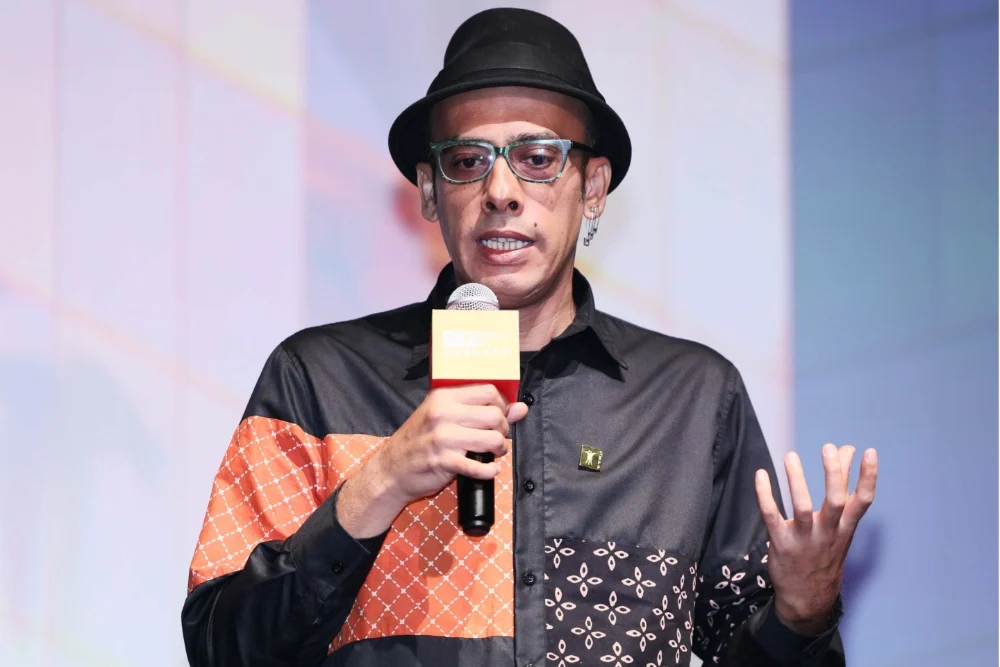
SHANGHAI — As the global film industry turns its eyes toward the prestigious Shanghai International Film Festival (SIFF), Indonesian filmmaker Ismail Basbeth has emerged as a focal point of artistic discourse. While currently basking in the world premiere of his latest feature, My Own Last Supper—a title currently contending for the festival’s top honors—Basbeth has simultaneously pulled back the curtain on his next ambitious project: Love Letters of Our Life.
The announcement marks a significant trajectory for Basbeth, who has solidified his reputation as a filmmaker capable of blending profound cultural identity with intimate, human-centric narratives. With Love Letters of Our Life, Basbeth aims to pivot toward a period-specific exploration of memory, distance, and the enduring nature of affection.
Main Facts: A Story of Reconnection
Love Letters of Our Life is slated to be a period drama anchored in the mid-1990s. According to production house Kami Sinema, the film centers on a romance that has been dormant for 35 years. The narrative follows a pair of long-lost lovers who find their paths crossing once more, forcing them to reconcile the ghosts of their youth with the realities of their present.
The film is not merely a romance; it is a structural exploration of a pre-digital era. By grounding the story in 1995, Basbeth and his team are looking to tap into a specific, tactile form of nostalgia. In an age dominated by instantaneous communication and the pervasive nature of the internet, Love Letters serves as a poignant reminder of a time when distance necessitated patience and love was written in ink rather than pixels.
Chronology and Development
The development of Love Letters of Our Life is intrinsically linked to the momentum Basbeth has built with his current festival entry, My Own Last Supper. The creative synergy between these two projects is deliberate, with several key personnel carrying their collaborative energy from one set to the next.
The Production Timeline
The studio, Kami Sinema, has outlined an aggressive yet focused schedule for the new feature. Pre-production is currently underway, with the team planning a concise, high-intensity 18-day shoot scheduled to commence between August and September of this year. This rapid turnaround reflects a clear vision from Basbeth, who has historically favored efficient, performance-driven production cycles.
The Musical Inspiration
A cornerstone of the film’s atmosphere is its connection to the cultural zeitgeist of the mid-90s. The film is heavily inspired by the iconic Indonesian ballad "Cintaku Tak Terbatas Waktu" (Unlimited Love). Popularized by singer Anie Carera, the track was released in 1995, the same year the film is set. The song serves as a thematic anchor, embodying the romantic yearning that Basbeth intends to weave into the visual language of the film.
Supporting Data: The Creative Team
The success of any film of this nature relies on the cohesion of its creative core. Basbeth is leaning into his established network, ensuring that the visual and auditory landscape of Love Letters remains consistent with his artistic voice.
- Musical Architecture: Charlie Meliala, a longtime collaborator of Basbeth, has been confirmed as the music producer. Having scored four of Basbeth’s previous films, Meliala’s involvement signals that the musical score will be integral to the film’s emotional resonance.
- Creative Expansion: Olivia Irawan Chen, who delivered a standout performance as the daughter of the protagonist in My Own Last Supper, is stepping into a dual role for this project. Beyond her performance potential, she is taking on responsibilities in scripting and creative production, suggesting that the film will benefit from a multi-generational perspective on the narrative.
Official Responses and Strategic Intent
Cecile Suciadi, COO of Kami Sinema, has been the primary voice explaining the strategic vision behind the project. Speaking from Shanghai, Suciadi emphasized the necessity of capturing a "pre-internet" sensibility.
"It’s set in 1995, so it’s not so old, but not new either," Suciadi remarked during the festival. "Without the internet back then, it’s a bit more romantic. We want to emphasize the nostalgic romance of the period."
The choice of 1995 is a calculated aesthetic and emotional decision. By removing the digital crutch of instant messaging, the characters are forced into a space of reflection and delayed gratification—elements that are increasingly rare in modern storytelling. Furthermore, Suciadi expressed a deep-seated hope for the film’s reception, stating, "We hope next year, we can still come here again," hinting at plans for a follow-up festival run for Love Letters once production wraps.
Implications: The Chinese Diaspora Narrative
Perhaps the most significant thematic layer of Love Letters of Our Life is its examination of Chinese heritage within the Indonesian context. This subject matter is not accidental; it is a continuation of the thematic inquiries Basbeth explored in My Own Last Supper.
A Growing Global Interest
The exploration of the Chinese diaspora in Southeast Asia has recently seen a surge in international visibility. The runaway success of the film Dear You at the Chinese box office serves as a primary case study for this trend. Dear You examined the complex experiences of Chinese individuals who emigrated to Thailand in the aftermath of WWII and the emotional severance from families left behind in China.
By leaning into similar themes, Basbeth is aligning his work with a broader, pan-Asian conversation regarding identity, displacement, and the multi-generational impact of migration. The "trials and tribulations" of the diaspora are no longer niche topics; they are becoming essential narratives that resonate with global audiences who are increasingly interested in the intersection of cultural history and personal identity.
Why This Matters
For Indonesian cinema, the ability to weave these stories into a romantic, period-piece framework represents a maturation of the industry. It moves beyond the stereotypical tropes of diaspora cinema, opting instead for a blend of historical context and universal human emotions.
If Love Letters of Our Life succeeds, it will demonstrate that Basbeth’s approach—using the specific to speak to the universal—is a viable blueprint for future Indonesian filmmakers. It signals that Southeast Asian stories, when told with nuance and technical precision, have the potential to transcend regional borders and find a permanent place in the international cinematic canon.
Conclusion: Looking Ahead
As the Shanghai International Film Festival moves toward its conclusion, the anticipation for Basbeth’s future work is palpable. Love Letters of Our Life represents more than just a new project; it is a testament to the filmmaker’s growth and his commitment to examining the intricate layers of the human experience.
With a dedicated crew, a clearly defined aesthetic, and a thematic depth that taps into contemporary global interests, the production is well-positioned to make an impact. As filming begins in the coming months, the industry will be watching closely to see if Basbeth can replicate the success of his current work while carving out a new, poignant space in the romantic drama genre.
The story of a 35-year-old love, set against the backdrop of a changing Indonesia and a world on the brink of the digital revolution, promises to be a compelling watch. For Basbeth, it is another chapter in a career defined by the courage to look back at the past in order to move the present forward.