

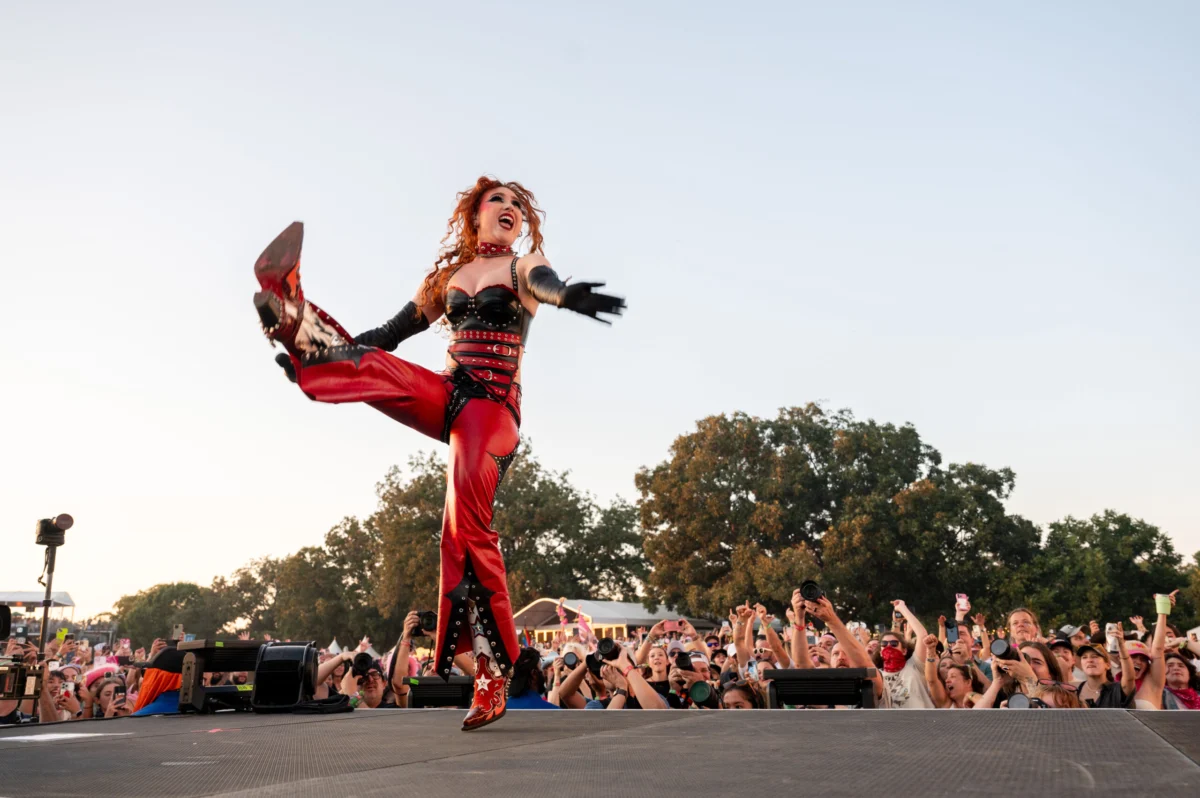
In a strategic move to cement its position as a holistic entertainment powerhouse, The Walt Disney Company has announced that Disney+ will join its sister streamer, Hulu, in providing comprehensive live coverage of three of the world’s most iconic music festivals: Bonnaroo, Lollapalooza, and the Austin City Limits Music Festival. This expansion marks a significant shift in how Disney approaches live-event programming, moving beyond traditional cinematic and episodic content to capture the raw, real-time energy of global music culture.
The initiative, bolstered by a longstanding partnership with concert promoter Live Nation, aims to leverage the vast subscriber base of both platforms to provide a seamless, front-row experience for music fans who cannot attend the events in person.
The Festival Calendar: A Global Livestream Roadmap
For fans of live music, the upcoming months are now firmly marked on the calendar. Disney has confirmed the specific dates for the festival livestreams, ensuring that subscribers have a clear schedule for the summer and fall seasons:
- Bonnaroo Music and Arts Festival: June 11–14
- Lollapalooza: July 30–August 2
- Austin City Limits Music Festival: October 2–4
While the specific programming details—including which headliners and side-stage acts will be featured—remain under wraps, the company has indicated that more granular information will be disseminated closer to the event dates. This strategy allows for flexibility in capturing the "must-see" moments that inevitably emerge during live performances, ensuring the streaming experience remains dynamic and responsive to festival trends.
The Strategic Pivot: Music as a Core Pillar
The integration of these festivals into the Disney+ ecosystem is not an isolated decision; it is part of a broader, deliberate pivot toward music-centric content. Disney’s recent upfront presentation to advertisers in New York served as a clear manifesto for this new direction.
The event featured a high-profile segment with industry veteran Ryan Seacrest, who emphasized the enduring cultural relevance of American Idol. The presentation concluded with a show-stopping performance by pop superstar Olivia Rodrigo. Rodrigo’s inclusion was a tactical nod to Disney’s own internal talent pipeline; the singer rose to fame starring in the Disney Channel series Bizaardvark, demonstrating the company’s unique ability to cultivate stars that resonate across generations and platforms. By leaning into these musical assets, Disney is signaling to both advertisers and consumers that the "Disney brand" is no longer confined to animation and family-friendly sitcoms—it is a destination for contemporary music culture.
Corporate Consolidation: The Road to a Unified App
The decision to offer these streams on both Disney+ and Hulu arrives at a pivotal moment in the company’s digital history. Disney is currently in the midst of a multi-year consolidation effort designed to merge the two streaming services into a single, unified application by the end of 2026.
This evolution follows the company’s successful efforts to take full control of Hulu, ending its life as a joint venture among various media conglomerates—a structure that had defined the streamer since its inception in 2007. Last summer’s rollout of Hulu as a dedicated tile within the Disney+ interface internationally was the first step in this transition. By harmonizing the content libraries, Disney is reducing friction for the end-user, creating a "walled garden" where live music, blockbuster films, and prestige television coexist. The festival livestreams serve as a testing ground for this unified user experience, proving that the platform can handle the technical demands of high-traffic live events while providing a cohesive brand identity.
Industry Context: The Livestreaming Arms Race
Disney’s entry into the music festival space places it in direct competition with other major streaming entities that have already claimed territory in the live-event arena. The "livestreaming arms race" has intensified as broadband technology improves and festival organizers look for ways to monetize performances for a global audience.
- YouTube and Coachella: As the long-standing gold standard for festival streaming, YouTube’s annual coverage of the Coachella Valley Music & Arts Festival has set the bar for high-definition, multi-cam live production.
- Amazon Prime Video: Amazon has made significant inroads, notably carrying coverage of the Outside Lands festival. Their approach has emphasized deep integration with the Amazon ecosystem, allowing viewers to purchase merchandise or discover artist albums while watching sets.
Hulu has been broadcasting these three specific Live Nation events for six years, establishing a robust technical framework for the broadcasts. By adding Disney+ to the fold, the company is effectively doubling its reach, tapping into a subscriber demographic that may have previously engaged with Disney primarily for family content.
Official Response: The Vision for Immersive Engagement
The move has been met with enthusiasm from within the company, as executives look to maximize the value of their live content partnerships. Lauren Tempest, Head of Content Planning & Partnerships, DTC at Disney, articulated the company’s vision in a formal statement following the announcement:
"Music festivals are among the most electric, can’t-miss moments in culture, and now Disney+ and Hulu subscribers around the world can experience the excitement. As we continue to extend our live offerings, we remain committed to bringing fans the biggest, most iconic moments right as they happen, and are thrilled to bring that vision to life with Live Nation."
This statement highlights a shift in the perceived value of the subscription. Disney is moving beyond "on-demand" content to position itself as a source of "appointment viewing." By aligning with the cultural cachet of festivals like Bonnaroo, Disney is betting that the urgency of live music will drive subscriber retention and engagement, particularly among younger demographics who prioritize live social experiences.
Long-term Implications for the Streaming Landscape
The implications of this strategy are twofold. First, it changes the economics of live music. Festivals, which once relied solely on ticket sales and on-site sponsorships, now have a secondary, global revenue stream through digital distribution. For Live Nation, partnering with Disney provides a massive, built-in audience that requires little to no marketing to reach, as the viewers are already signed into the ecosystem.
Second, it signals the death of the "niche" streaming service. As Disney moves toward its 2026 goal, the distinction between a "family service" (Disney+) and a "general entertainment service" (Hulu) is effectively disappearing. The inclusion of gritty, high-energy festival footage alongside animated classics or Marvel series creates a "utility" platform—a singular place where every member of a household can find their preferred form of entertainment.
As the industry watches, the success of these broadcasts will likely dictate the future of live event integration across other platforms. If Disney can successfully convert its massive subscriber base into a digital festival crowd, it will have created a blueprint for the future of digital entertainment, where the boundary between the living room and the concert stage becomes increasingly porous. For now, the stage is set for June, and the question remains: will the digital audience translate to the same fervor seen in the fields of Manchester, Tennessee, and Grant Park, Chicago? Only time—and the data—will tell.









No comments yet. Be the first to join the conversation!