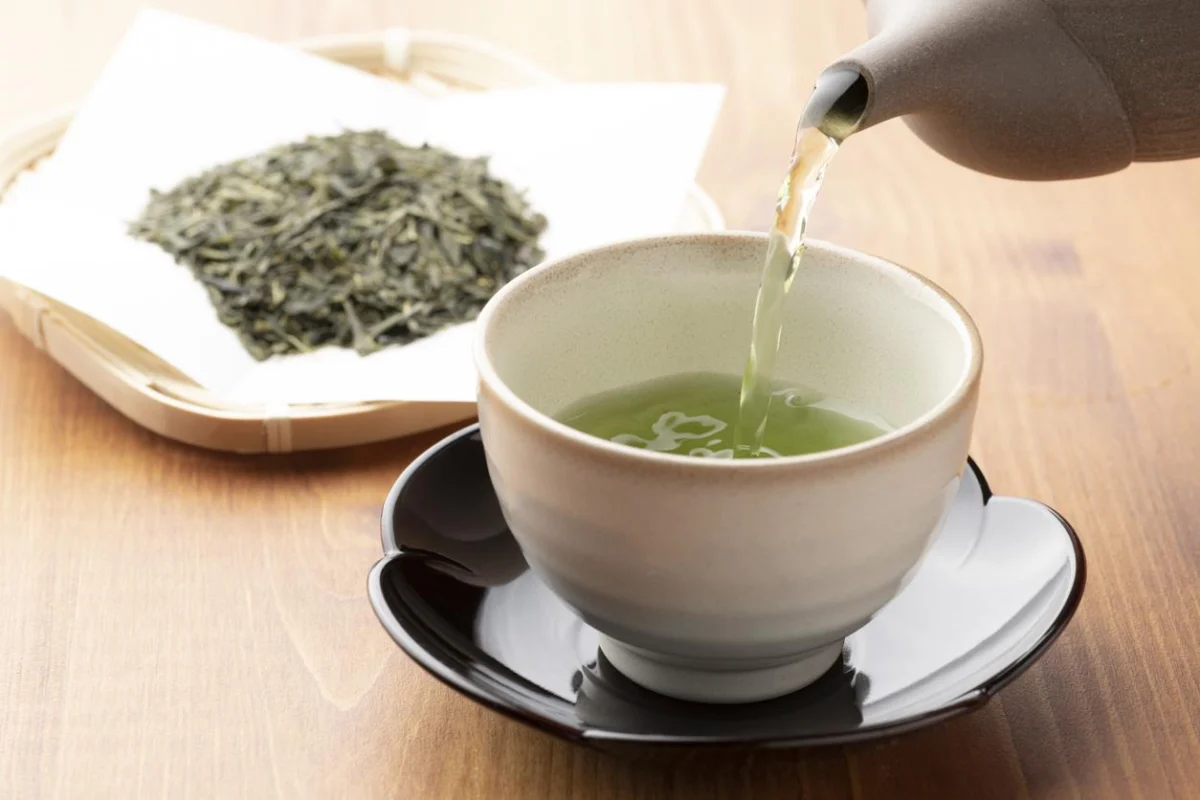
TOKYO – In a strategic move to fortify its agricultural exports against a rising tide of global imitations, the Japanese Ministry of Agriculture, Forestry and Fisheries (MAFF) announced on Friday the registration of three new products under its Geographical Indication (GI) protection system. Most notably, the ministry has granted the “Japanese tea” designation to all green tea cultivated and processed within Japan, a rare and sweeping move that elevates the entire national industry under a single, government-backed seal of authenticity.
The decision represents a significant pivot in Japan’s intellectual property strategy, signaling that the nation is no longer content to protect only localized specialty brands, but is now prepared to defend the integrity of its national agricultural identity on the global stage.
Main Facts: A New Shield for a National Treasure
The GI system serves as a hallmark of quality and origin, ensuring that consumers worldwide can distinguish between authentic Japanese products and cheaper, often inferior, knockoffs. By securing the “Japanese tea” label, the government now grants authorized producers the right to display the official GI mark on their packaging. This designation acts as a legal instrument, allowing the Japanese government to initiate crackdowns on false labeling and fraudulent claims in markets where the GI status is recognized.
What makes this registration extraordinary is its scope. Traditionally, GIs are reserved for products tied to specific, localized geographic areas—such as "Kobe beef" or "Champagne" in France. By registering “Japanese tea” as a nationwide category, the ministry has bypassed regional boundaries, treating the entire country as a singular, protected source.
According to officials, this is only the second time such a broad, nationwide designation has been granted. The only precedent is “Japanese sake,” which is overseen by the National Tax Agency. The move underscores the government’s alarm regarding the proliferation of products labeled as “Japanese style” or “Japanese origin” in international markets that do not adhere to the traditional farming and processing standards of Japan.
Chronology: The Path to National Protection
The initiative to secure the “Japanese tea” brand was not a spontaneous development but the result of a concerted effort by industry stakeholders and policymakers.
- 2015: Japan officially launches its GI protection system for agricultural, forestry, and fishery products, aligning itself with international standards to bolster the brand value of its regional specialties.
- October 2023: Recognizing the urgent need to protect the industry from unauthorized use and the dilution of the brand, the Tokyo-based Japan Tea Central Public Interest Incorporated Association officially files the application for the nationwide “Japanese tea” GI status.
- 2024 (Ongoing): As the popularity of green tea continues to surge globally—driven by health trends and the rising appeal of matcha and sencha—the Japanese government accelerates its review process.
- Friday, May 2024: The Ministry of Agriculture, Forestry and Fisheries officially approves the registration, adding “Japanese tea” to the national registry, alongside “Lake Hamanako Japanese eel” (Shizuoka) and “Kaga lotus root” (Ishikawa).
Supporting Data: The Expanding GI Landscape
The inclusion of these three items brings the total number of registered products in Japan’s GI system to 170. This system is a vital component of Japan’s broader agricultural policy, which aims to increase food exports to 5 trillion yen by 2030.
The GI Ecosystem
The GI system is not merely a domestic label; it is part of a complex web of international treaties. Japan has entered into mutual protection arrangements with the European Union and the United Kingdom, ensuring that Japanese products carrying the GI mark receive legal protection within those jurisdictions.
Existing Tea Designations
Prior to this nationwide designation, the GI system focused on specific regional varieties. Notable examples already protected include:
- Kikugawa deep-steamed green tea (Shizuoka Prefecture): Known for its longer steaming process, which produces a deeper, richer flavor profile.
- Traditional, authentic Yame gyokuro (Fukuoka Prefecture): Celebrated for its high-grade, shade-grown leaves that yield intense umami notes.
The new “Japanese tea” status will exist as an umbrella designation, complementing these specific regional GIs rather than replacing them. It provides a baseline of authenticity for tea that may not fall under a specific regional specialty but is nonetheless 100% produced and processed in Japan.
Official Responses: A Strategy for Economic Growth
Farm Minister Norikazu Suzuki, speaking at a news conference in Tokyo on Friday, expressed optimism regarding the potential economic impact of the registration.
“This registration is a pivotal step in promoting the brand power of Japanese tea as a whole,” Suzuki stated. “By establishing a clear, legally protected definition of what constitutes ‘Japanese tea,’ we are strengthening our defenses against the unauthorized use of our name and, by extension, ensuring that the hard work of our farmers translates into robust, sustainable export growth.”
The industry, represented by the Japan Tea Central Public Interest Incorporated Association, has long advocated for this protection. They argue that the “brand erosion” caused by foreign companies marketing tea grown in other countries as “Japanese” has become a significant barrier to the industry’s profitability. By formalizing the brand, the association hopes to justify higher price points and build consumer trust, particularly in the premium markets of North America and Western Europe.
Implications: Navigating the Global Market
The implications of this policy shift are far-reaching, affecting everything from international trade law to the daily operations of tea farmers in rural Japan.
Combating “Cultural Appropriation” of Brands
The primary challenge facing the Japanese tea industry is the proliferation of “Japanese-style” tea products in foreign supermarkets. Often, these products are produced using different cultivars and processing techniques that do not align with Japanese quality standards. The GI mark provides a clear visual signal to consumers: if it lacks the mark, it is not authentic Japanese tea. This is expected to be particularly effective in high-end retail sectors where consumers are increasingly willing to pay a premium for verified, authentic origins.
Challenges in Enforcement
While the GI status provides a legal framework, the challenge remains in enforcement. Monitoring global markets to identify every instance of false labeling is a monumental task. The ministry is expected to rely on a combination of digital tracking, consumer feedback, and collaboration with foreign regulatory bodies to ensure that the “Japanese tea” mark remains a symbol of integrity.
Strategic Alignment with Global Trends
Japan’s decision to register “Japanese tea” mirrors systems already in place in over 100 countries. By aligning with these international standards, Japan is signaling that it is a serious player in the global food market. The mutual protection agreements with the EU and the UK are just the beginning; the government is reportedly looking to expand these arrangements to other key markets in Southeast Asia and North America, where the demand for authentic Japanese products is growing at an exponential rate.
The Future of Localized vs. National Branding
Critics might argue that a nationwide label could potentially overshadow the distinctiveness of regional varieties. However, the ministry emphasizes that the nationwide GI is intended to act as a floor, not a ceiling. It ensures that the “Japanese tea” identity remains intact, while local regional GIs continue to serve as the “premium tier” for those seeking specific flavor profiles.
Conclusion
The registration of “Japanese tea” as a nationwide geographical indication is more than a bureaucratic milestone—it is an act of cultural and economic preservation. As Japan seeks to navigate the complexities of a globalized food system, the ability to define and defend its products becomes paramount. By drawing a line in the soil, the Japanese government has signaled to the world that its agricultural heritage is a protected asset, one that will be defended with the full weight of international law. For the tea farmer in Shizuoka or the processor in Kagoshima, this registration is a promise: that their craft will be recognized, respected, and protected, no matter how far from home it is enjoyed.