Asep Darmawan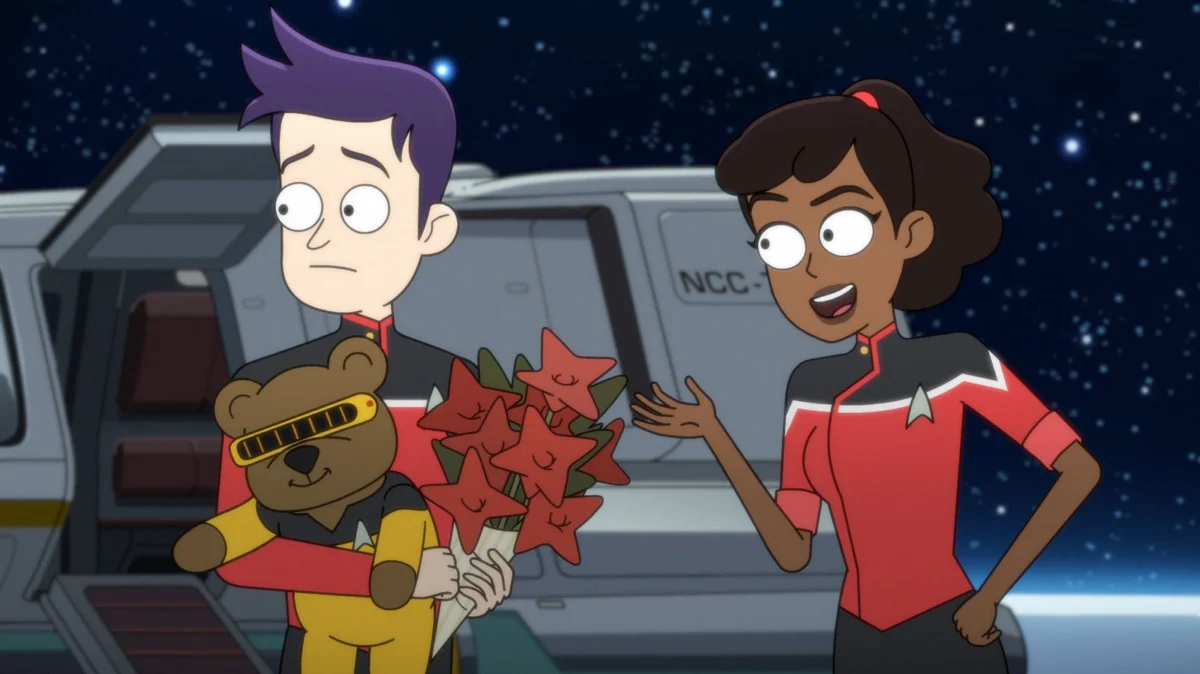
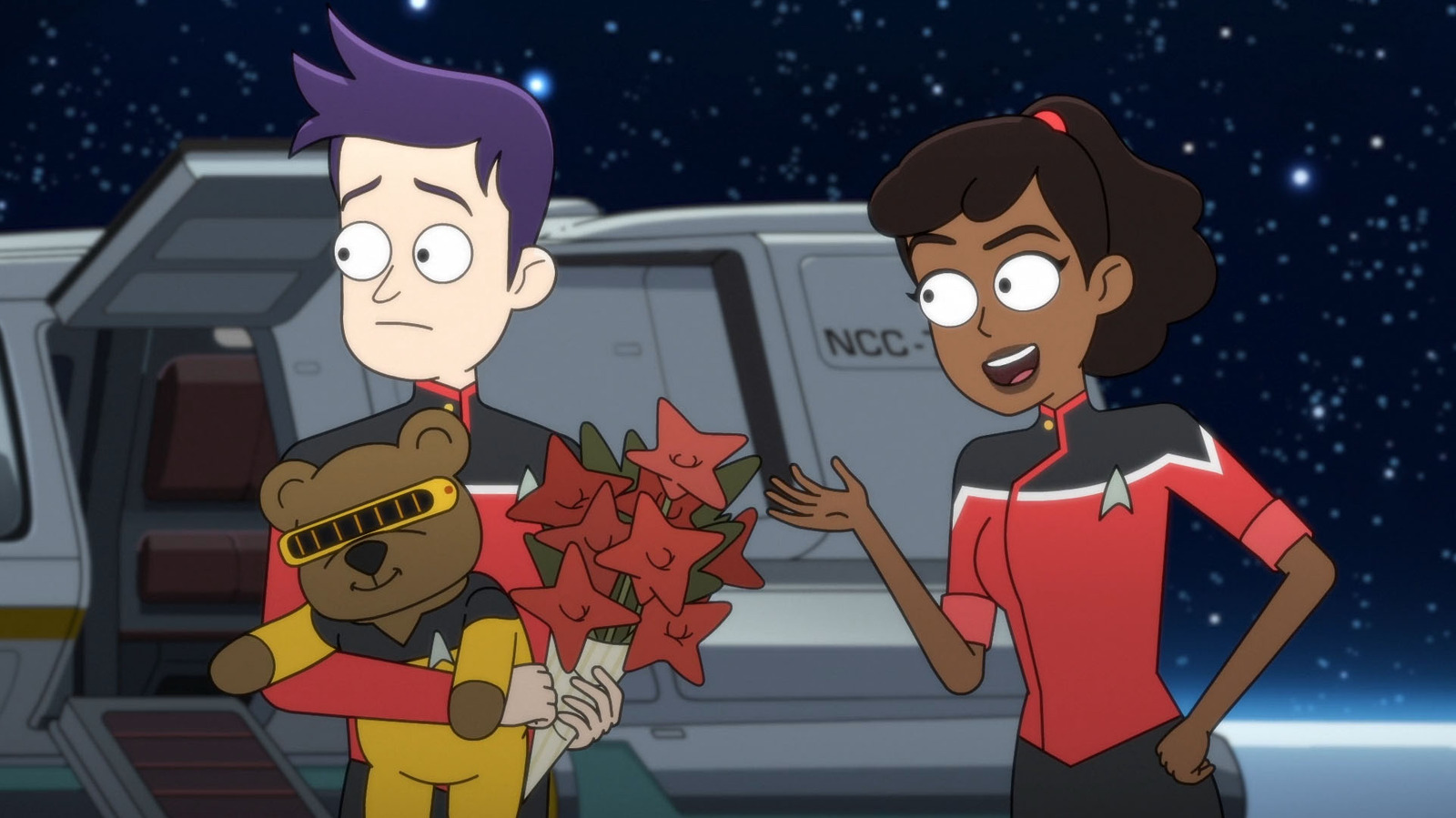
The perpetual friction between the genres of science fiction and fantasy is one of the most enduring debates in literary and cinematic criticism. For decades, fans and academics alike have wrestled with the boundaries that separate hard science fiction from speculative fantasy. While bookstore aisles often conflate the two, the theoretical distinction becomes razor-sharp when analyzed by literary giants. Among the most notable voices to weigh in on this taxonomy is Margaret Atwood, the acclaimed author of The Handmaid’s Tale. In a provocative stance that continues to challenge the bedrock of fandom, Atwood has argued that staples of the genre—including the Star Trek franchise—do not fit the traditional mold of science fiction, but are, in fact, forms of fantasy.
The Core Conflict: Plausibility vs. Speculation
At the heart of this debate is the definition of "possibility." Proponents of Star Trek often point to the series’ commitment to technical jargon, its focus on "miracle" technologies like warp drive and food replicators, and its grounding in a structured, utopian social order as evidence of its scientific pedigree. The franchise frequently attempts to frame its plot devices through the lens of physics, however pseudo-scientific that may be.
Conversely, Star Wars is often conceded to be "sci-fi fantasy" due to its overt use of space-wizards, telekinetic warlocks, and a narrative structure that borrows heavily from Arthurian legend and heroic mythology. The functionality of the tech in Star Wars is rarely the point; the point is the narrative arc. Yet, Atwood’s critique goes deeper than merely distinguishing between the hard science of Star Trek and the space opera of Star Wars. For Atwood, the threshold for "science fiction" is defined by whether the events could, in theory, actually happen based on our current understanding of the laws of nature.
A Chronology of the Genre Debate
To understand Atwood’s position, one must look at the evolution of the genre definitions she and her peers have navigated throughout the 20th and 21st centuries.
- 19th Century Origins: The genre began with works like Mary Shelley’s Frankenstein, which, at the time, was grounded in the emerging science of galvanism. Because the author believed there was a legitimate scientific possibility that electricity could reanimate tissue, Shelley’s work is often categorized as early science fiction.
- The Mid-20th Century Boom: As space exploration became a reality, science fiction exploded. Authors like Arthur C. Clarke and Isaac Asimov pushed for "hard" science fiction, where the technology described was mathematically and physically plausible.
- 2010 Public Dialogue: The pivotal moment for Atwood’s current classification system occurred during a public discussion with the legendary Ursula K. Le Guin. This exchange provided the framework for the essay later published in Atwood’s 2011 collection, In Other Worlds: SF and the Human Imagination.
- 2011 Publication: The release of In Other Worlds solidified the distinction between "science fiction" (that which is possible) and "fantasy" (that which is impossible).
Supporting Data: The Le Guin-Atwood Framework
In her exploration of genre theory, Atwood leaned heavily on the intellectual rigor of Ursula K. Le Guin. Le Guin, who mastered both the high-fantasy realms of Earthsea and the sociopolitical science fiction of the Hainish Cycle, provided a binary classification system that simplified a traditionally messy academic field.
According to the framework cited by Atwood:
- Science Fiction: Speculative narratives concerning events or technologies that could feasibly happen within the constraints of reality.
- Fantasy: Narratives concerning events or entities that are fundamentally impossible.
Using this lens, Atwood’s classification of Star Trek becomes clear. Despite the heavy use of technical nomenclature, Star Trek frequently relies on "impossible" tropes. The franchise assumes that humanity will encounter a galaxy filled with sentient, humanoid extraterrestrials who, despite vast cultural differences, operate within a framework of human-centric morality and diplomacy. Furthermore, the "miracle" technologies that define the series often bypass the known limitations of space-time and thermodynamics.
As Atwood noted in her essay, "Dragons would belong in fantasy, as would, I suppose, the film Star Wars and most of the TV series Star Trek."
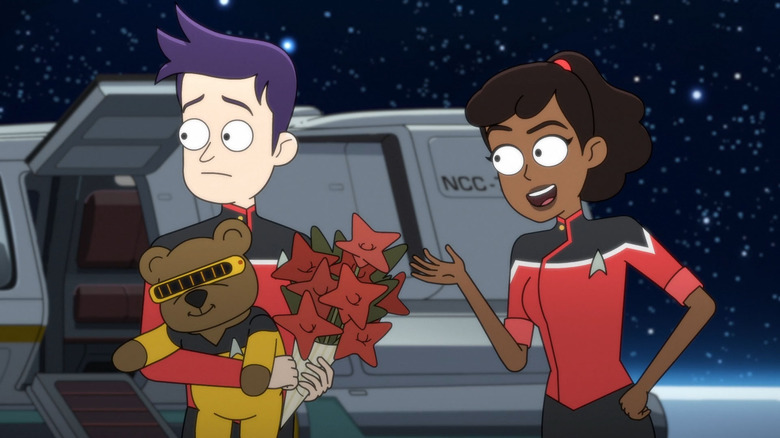
The Case of "Utopian Fiction"
Beyond the technological arguments, there is the matter of the intent of the storytelling. Star Trek is, at its foundation, utopian fiction. Gene Roddenberry’s vision was never intended to be a cold, clinical prediction of the future; it was designed as a moral compass—a "wish-fulfillment" narrative about a future where humanity has overcome war, poverty, and prejudice.
Utopian literature is an inherently subjective exercise, functioning much like a fable or a fairy tale. By projecting a perfect society into the stars, Star Trek moves away from the investigative, skeptical nature of traditional science fiction and into the realm of speculative ideals. In this regard, it functions more like a morality play than a scientific projection.
Official Responses and Academic Implications
The academic community has largely reacted to Atwood’s claims with a mix of respect and pushback. Many sci-fi scholars argue that the "science" in science fiction is not a measure of historical accuracy, but a measure of methodology. If a story uses the scientific method as its primary narrative engine—even if the tech is invented—it is science fiction.
However, Atwood’s stance has forced a reckoning regarding the "labeling" of genre. Her strict definition forces readers to acknowledge that much of what we call "sci-fi" is actually "speculative fantasy." This has significant implications for how bookstores, streaming services, and awards committees categorize content.
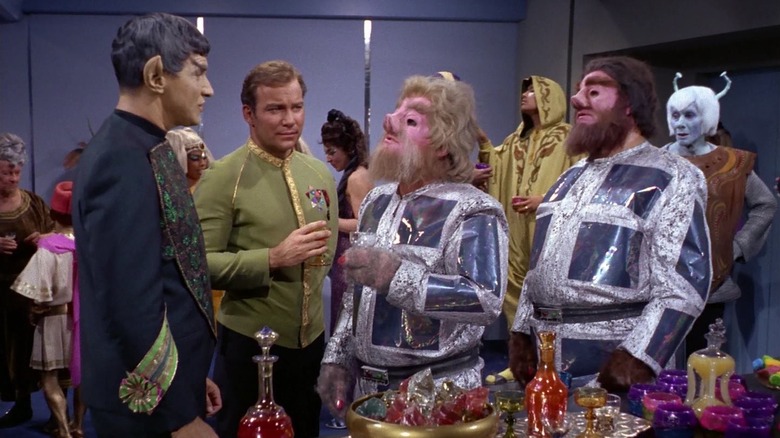
If we accept Atwood’s definition, we must acknowledge that Star Trek is a form of cultural mythology. It creates a space where the rules of the universe are bent to facilitate the exploration of the human condition. While this might rankle the "hard sci-fi" purist, it actually elevates the status of the franchise. By labeling it fantasy, Atwood isn’t dismissing Star Trek; she is correctly identifying it as a powerful, imaginative myth-making engine rather than a mere technical exercise.
Why This Debate Still Matters Today
The continued relevance of this debate lies in our changing relationship with technology. In the 1960s, a flip-phone was "Star Trek tech" and seemed like a fantasy. Today, we hold devices in our hands that would have seemed like magic to a 19th-century audience. Because our baseline for what is "possible" shifts every decade, the line between science fiction and fantasy is, as Atwood acknowledged, inherently thin.
Atwood’s contribution to this discussion reminds us that genre is not a static cage. It is a flexible linguistic tool. Whether one views Star Trek as hard sci-fi or a utopian fantasy, the impact of the franchise remains undeniable. By daring to categorize it as fantasy, Atwood provides a fresh perspective, inviting fans to look past the warp drives and phasers to see the deep, human-centric, and often magical storytelling that has sustained the franchise for nearly sixty years.
Ultimately, whether we classify Star Trek as science fiction or fantasy is less important than the conversation that the disagreement fosters. It forces us to define what we value in speculative storytelling: is it the adherence to the laws of physics, or is it the ability to imagine a world—no matter how impossible—that inspires us to be better versions of ourselves? Margaret Atwood’s "bold claim" serves as a reminder that the best stories are often the ones that refuse to fit neatly into the boxes we create for them.

 Nana Wu
 Jia Lissa