

A New Hope for User-Generated Content as Iconic Franchise Integrates Deeply into Epic’s Metaverse Vision
MAIN FACTS
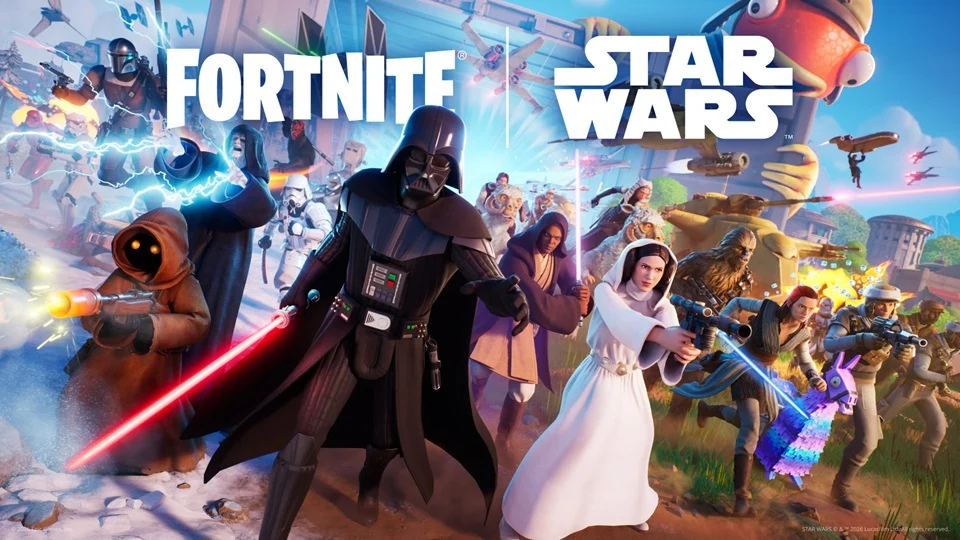
Epic Games, in a groundbreaking collaboration with The Walt Disney Company, has officially launched an unprecedented suite of creation tools within Fortnite, empowering its vast community of developers and fans to design and publish their own Star Wars-themed games and experiences. This ambitious initiative marks the most significant intellectual property (IP) toolset ever introduced to Fortnite’s creative ecosystem, offering an expansive array of assets, templates, and gameplay features from the beloved galaxy far, far away.
The newly released Star Wars toolset is accessible through both Unreal Editor for Fortnite (UEFN) and Fortnite Creative, providing a robust platform for creators to craft bespoke islands that resonate with the iconic sci-fi saga. Developers can either initiate new projects using dedicated Star Wars templates or seamlessly convert existing islands into Star Wars-themed environments within UEFN, leveraging the advanced capabilities of Unreal Engine 5.
This comprehensive offering extends far beyond simple cosmetic additions. It encompasses new Star Wars templates that lay the groundwork for diverse game modes, alongside specialized tools and gameplay features designed to capture the essence of the franchise. Crucially, the toolset includes a rich library of assets, bringing to life beloved characters, iconic locations, legendary vehicles, and an arsenal of weapons previously featured in Star Wars-themed Battle Royale seasons. From the hum of a lightsaber to the roar of a TIE fighter, the building blocks of the Star Wars universe are now at the fingertips of millions.
Among the standout new features is the highly anticipated customisation of lightsabers and Force powers within UEFN. This allows creators to imbue their characters and environments with the iconic abilities of Jedi and Sith, opening up a spectrum of combat and puzzle-solving possibilities. Complementing these additions are updated Star Wars user interface (UI) elements and fonts, ensuring that the visual and interactive experience within these custom islands authentically reflects the aesthetic of the saga.
To kickstart the creative journey, Epic Games and Lucasfilm have provided four UEFN starter islands as templates, offering immediate inspiration and foundational structures for aspiring developers. Additionally, two new Star Wars flat grid islands are available in Fortnite Creative, simplifying the initial setup for those beginning their ventures. Demonstrating the immediate potential of these tools, Epic and Lucasfilm have also collaborated with established Fortnite creators to launch three official new games: "Galactic Siege" (developed with Jogo Studios), "Escape Vader" (crafted with Beyond Creative), and "Droid Tycoon" (brought to life by FOAD). These initial offerings serve as powerful examples of the diverse and engaging experiences achievable with the new toolset.
The launch is not merely a static release; Epic Games has already announced plans for continuous expansion, with additional tools and features slated for future updates. These include highly requested functionalities such as first-person weapon support, enabling more immersive combat scenarios, as well as the introduction of custom items and inventories, which will significantly broaden the scope for complex gameplay mechanics and player progression within custom Star Wars experiences.
Once developed, Star Wars islands can be published through the Creator Portal, making them discoverable by the vast Fortnite player base. To facilitate navigation and highlight these new creations, a dedicated Star Wars Game collection page will be prominently featured within the Discover section of Fortnite, ensuring easy access for fans eager to explore the community-driven galaxy.
However, access to this galactic canvas comes with clear guidelines and a structured framework. To publish Star Wars-themed islands, developers must formally join the Fortnite Developer Program and accept additional terms and conditions stipulated within the Creator Portal. Crucially, the use of Star Wars assets requires creators to share 20% of their engagement payout with The Walt Disney Company, establishing a clear economic model for this large-scale IP integration. Furthermore, all creations must strictly adhere to the comprehensive Star Wars Brand Rules provided by Epic Games, ensuring consistency and respect for the established lore and aesthetic of the franchise.
CHRONOLOGY
The introduction of these extensive Star Wars creation tools is not an isolated event but rather a significant milestone in a burgeoning strategic partnership between two entertainment giants: Epic Games and The Walt Disney Company. This collaboration’s genesis was formally announced in February 2024, when Disney made a monumental investment of $1.5 billion to acquire an equity stake in Epic Games. This substantial financial commitment was accompanied by a joint declaration of an ambitious vision: to create an "open, persistent, social universe" where players could seamlessly "watch, shop, and engage with content, characters, and stories" from across Disney’s expansive portfolio.
This initial announcement sent ripples across the entertainment and gaming industries, signaling Disney’s deep dive into the metaverse and its recognition of Epic Games’ leading position in that nascent space. While the broader "Disney universe" in Fortnite is a long-term aspiration, the Star Wars toolset represents the first major, concrete manifestation of this partnership’s potential.
Fortnite itself has undergone a profound evolution over the years, transforming from its initial success as a pioneering Battle Royale game into a sprawling metaverse platform. The introduction of Fortnite Creative in 2018 marked a pivotal shift, giving players the power to build their own islands and game modes. This was further supercharged with the launch of Unreal Editor for Fortnite (UEFN) in early 2023, which brought the full power of Unreal Engine 5’s professional development tools, including advanced visual scripting, custom assets, and sophisticated environmental design capabilities, directly into the hands of a broader audience. These iterative steps in empowering user-generated content (UGC) laid the essential groundwork for integrating a brand as complex and valuable as Star Wars.
Prior to this comprehensive toolset, Fortnite had featured various Star Wars-themed events, skins, and weapons within its Battle Royale mode, offering tantalizing glimpses of deeper integration. From lightsabers appearing as mythic weapons to appearances by characters like Darth Vader and Rey, these limited-time events consistently generated massive player engagement, clearly demonstrating the immense appetite for Star Wars content within the Fortnite ecosystem. The community’s long-standing desire for more permanent and creative access to the IP has been a vocal undercurrent, making this launch a highly anticipated moment.
The development of such a complex toolset, integrating hundreds of assets and unique gameplay mechanics, would have required extensive collaboration between Epic Games, Lucasfilm, and various Disney divisions. This process likely involved meticulous attention to detail to ensure brand authenticity, technical feasibility, and alignment with the creative vision of both parties. The staggered release of additional tools and features, such as first-person weapon support and custom items, suggests a long-term roadmap for continuous enhancement and expansion of the Star Wars creative possibilities within Fortnite. This phased approach allows for feedback integration and the gradual introduction of increasingly sophisticated functionalities, ensuring the platform evolves responsively to both creator and player needs.
SUPPORTING DATA
The decision by Epic Games and Disney to unleash the Star Wars IP within Fortnite’s creative modes taps into several powerful industry trends and leverages the unique strengths of both companies. At its core, this initiative champions the burgeoning power of User-Generated Content (UGC), a phenomenon that has reshaped the gaming landscape. Platforms like Roblox and Minecraft have demonstrated the immense commercial and cultural value of empowering users to create and share their own experiences, fostering vibrant communities and creating entirely new forms of entertainment. Fortnite, with its massive global player base exceeding hundreds of millions, is uniquely positioned to scale this model to unprecedented levels, particularly with premium IP.
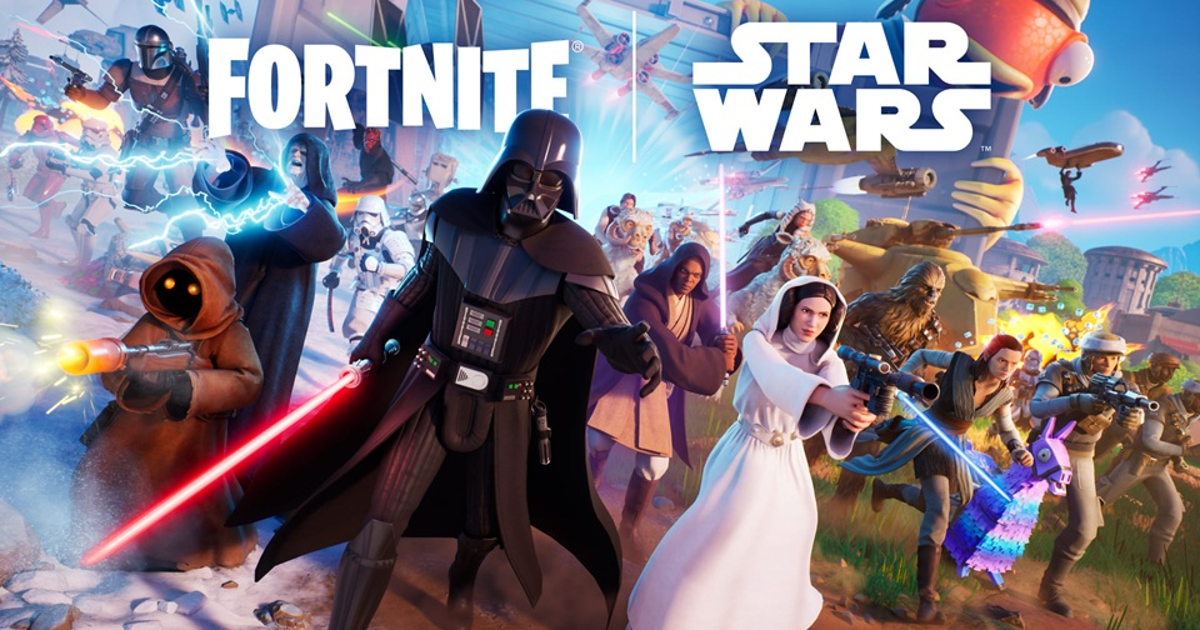
Fortnite’s transformation into a true metaverse platform is critical context. What began as a wildly successful Battle Royale game has evolved into a sprawling social hub, hosting concerts, film screenings, and a multitude of player-created islands. This ecosystem thrives on constant novelty and community engagement, making it an ideal environment for the boundless creativity that Star Wars can inspire. The sheer scale of Fortnite’s audience provides an unparalleled distribution channel for aspiring creators, offering the potential for their Star Wars visions to reach millions of players worldwide.
Star Wars itself is an IP of unparalleled cultural impact and enduring appeal. Spanning generations, its rich lore, iconic characters, and universal themes of good versus evil, hope, and rebellion resonate deeply across demographics. This inherent popularity guarantees a massive initial interest in any Star Wars-themed content, and by decentralizing creation, Disney and Epic are poised to generate an exponential increase in diverse Star Wars experiences that might never have been conceived through traditional development pipelines. The Star Wars brand consistently ranks among the most valuable in entertainment, and this move leverages its evergreen status to attract both new players to Fortnite and deeper engagement from existing fans.
The economic model underpinning this venture is a key piece of supporting data. The requirement for developers to share 20% of their engagement payout with The Walt Disney Company for islands utilizing Star Wars assets establishes a clear revenue-sharing mechanism. This model, while requiring a portion of creator earnings, also legitimizes the use of a premium IP and provides a strong incentive for Disney to continue supporting and expanding these tools. It’s a structured approach to IP monetization within a UGC framework, contrasting with the more ad-hoc or often legally ambiguous use of IP on other platforms. Furthermore, the mandatory enrollment in the Fortnite Developer Program and adherence to stringent Star Wars Brand Rules underscores a commitment to quality control and brand integrity, ensuring that user-created content aligns with the established canon and aesthetic guidelines of Lucasfilm. This also suggests a robust moderation and approval process for published content.
Technologically, the integration is made possible by the power of Unreal Editor for Fortnite (UEFN). UEFN, which leverages the cutting-edge capabilities of Unreal Engine 5, provides professional-grade tools within an accessible environment. This means creators aren’t just placing pre-made objects; they can sculpt landscapes, script complex gameplay mechanics, design custom user interfaces, and optimize performance – all within the Fortnite ecosystem. This technological sophistication allows for a much deeper and more authentic integration of Star Wars elements than would be possible with simpler creative modes, pushing the boundaries of what UGC can achieve. The ability to customize lightsabers and Force powers, for instance, requires intricate scripting and asset manipulation, showcasing UEFN’s advanced capabilities.
OFFICIAL RESPONSES
The launch of these Star Wars creation tools is underpinned by clear strategic intent from both Disney and Epic Games, articulated through official statements and inferred from their broader corporate strategies.
Sean Shoptaw, Executive Vice President of Disney Games and Digital Entertainment, provided a pivotal statement that encapsulates Disney’s perspective on this groundbreaking initiative. "Interactive entertainment is rapidly becoming one of the defining forces in how audiences experience stories, and Disney is fully embracing that evolution," Shoptaw remarked. This statement underscores Disney’s recognition of the profound shift in consumer engagement, where passive consumption is increasingly complemented by active participation. Shoptaw continued, highlighting the unique power of games: "Games offer a uniquely powerful way to deepen engagement, expand our worlds, and connect with fans in real time. As this space continues to grow, we see extraordinary potential to elevate Disney storytelling in ways that are innovative, social, and built for the way people play today."
Shoptaw’s comments reveal several key motivations for Disney. Firstly, it’s about "deepening engagement." By allowing fans to actively create within the Star Wars universe, Disney fosters a more profound connection to the IP than traditional media alone can achieve. Secondly, it’s about "expanding our worlds." User-generated content can explore niche narratives, develop new characters (within brand guidelines), and imagine scenarios that might not fit into official film or series canon, effectively broadening the scope of the Star Wars galaxy. Thirdly, the emphasis on "connecting with fans in real time" speaks to the immediate, interactive nature of games and social platforms like Fortnite, allowing for continuous community interaction and feedback. Finally, the focus on "innovative, social, and built for the way people play today" reinforces Disney’s commitment to staying relevant in a rapidly evolving digital landscape, particularly appealing to younger, digitally native audiences who are accustomed to interactive and communal experiences. This move positions Disney not just as a content producer, but as an enabler of creative expression within its beloved franchises.
While no direct quote from Epic Games was provided in the initial announcement, their motivations are readily inferable from their long-term strategy for Fortnite and the metaverse. For Epic, this partnership significantly solidifies Fortnite’s position as a leading metaverse platform. Integrating an IP of Star Wars’ magnitude, with such deep creative access, serves as a powerful testament to Fortnite’s capabilities as a creative and social hub. It attracts new users, particularly those drawn by the allure of Star Wars, and significantly increases engagement from existing players.
Epic’s core business model for Fortnite increasingly relies on user-generated content and creator monetization. By establishing a clear revenue-sharing model with Disney, Epic demonstrates a viable and scalable framework for integrating major IP into its UGC ecosystem. This could set a precedent for future collaborations with other entertainment giants, positioning Fortnite as the premier platform for licensed creative expression. Furthermore, this partnership deepens Epic’s relationship with a major entertainment conglomerate, opening doors for future ventures and reinforcing its role as a key player in the convergence of gaming, entertainment, and technology.
Lucasfilm, as the custodian of the Star Wars IP, would have played a critical role in this collaboration. Their involvement would have been paramount in defining the Star Wars Brand Rules, ensuring that all assets, character portrayals, environmental designs, and narrative elements within user-created islands maintain authenticity and respect for the established canon. Lucasfilm’s approval process would be crucial for maintaining brand consistency and protecting the integrity of the franchise, ensuring that fan-created content enhances, rather than detracts from, the overall Star Wars experience. This collaborative oversight ensures that while creative freedom is granted, it operates within a framework that preserves the quality and legacy of the IP.
IMPLICATIONS
The launch of the Star Wars creation tools within Fortnite carries profound implications across multiple dimensions, impacting creators, players, Disney, Epic Games, and the broader entertainment industry.
For Creators:
The opportunities for Fortnite creators are unprecedented. Gaining access to one of the most beloved and recognizable IPs in history opens up a vast new canvas for storytelling and game design. Creators can now tap into a pre-existing fan base numbering in the hundreds of millions, potentially achieving massive reach and recognition for their work. The revenue-sharing model, while requiring a 20% cut, also provides a legitimate pathway to monetization for Star Wars-themed content, a prospect that was previously either legally ambiguous or impossible for fan creations. This could incentivize a new wave of professional and semi-professional creators to invest their time and talent into the Fortnite ecosystem.
However, this comes with challenges. Adhering to the stringent Star Wars Brand Rules will require careful attention to detail and a deep understanding of the IP. Creators will need to balance their innovative ideas with the need to respect established canon, character portrayals, and the overall tone of the Star Wars universe. The learning curve for UEFN, while powerful, can be steep for newcomers, demanding a significant time investment. Furthermore, the 20% revenue share, while justifiable for such a premium IP, means creators will need to develop highly engaging and popular experiences to generate substantial payouts. Creative freedom, while expansive, will operate within the explicit constraints of the licensing agreement, which might limit truly radical or non-canonical interpretations.
For Players:
For the vast player base of Fortnite, this development means an explosion of new, diverse, and engaging Star Wars-themed content beyond anything officially released. Instead of waiting for the next game or movie, players can explore an endless galaxy of fan-made experiences, from intricate role-playing scenarios on Tatooine to fast-paced blaster battles on Hoth, or even innovative puzzle games featuring droids. This will significantly enhance the overall Fortnite experience, transforming it into a dynamic, living Star Wars multiverse. It will foster greater community engagement as players discover, share, and discuss their favorite custom islands, further solidifying Fortnite’s role as a social hub.
For Disney:
For The Walt Disney Company, this initiative represents a pivotal step in its metaverse strategy and IP expansion. It allows Star Wars to reach new audiences, particularly younger demographics who are highly engaged with Fortnite. This effectively transforms Fortnite into a massive, interactive marketing platform for the Star Wars brand, generating renewed interest and deeper loyalty. The structured revenue-sharing model provides a direct financial benefit from user-generated content, moving beyond traditional licensing fees to a performance-based income stream. More broadly, it advances Disney’s vision for an "open, persistent, social universe," testing the waters for how other Disney IPs might eventually integrate into Epic’s platforms, potentially transforming how audiences interact with Marvel, Pixar, and other beloved franchises. This move demonstrates Disney’s proactive approach to embracing new technological paradigms for storytelling and fan engagement.
For Epic Games/Fortnite:
Epic Games stands to gain immensely. This partnership further solidifies Fortnite’s position as a dominant metaverse platform, distinguishing it from competitors through its ability to integrate premium IP at an unprecedented scale and depth. The influx of Star Wars content will undoubtedly drive increased player engagement, attracting new users and retaining existing ones, thereby bolstering Fortnite’s already impressive active user numbers. The success of this model will serve as a powerful proof of concept for large-scale IP integration and monetization within UGC ecosystems, potentially attracting other major IP holders to partner with Epic. It also deepens the strategic alliance with Disney, a powerhouse in entertainment, paving the way for future collaborations and shared growth in the evolving digital landscape.
For the Industry at Large:
This collaboration sets a significant precedent for the broader entertainment and gaming industries. It demonstrates a sophisticated model for how major intellectual properties can be leveraged within user-generated content platforms, moving beyond simple cosmetic integrations to full-fledged creative toolsets. This could inspire other IP holders to explore similar ventures, accelerating the convergence of traditional media and interactive user-generated content. It also highlights the growing importance of "creator economies" and how platforms are increasingly investing in tools and frameworks that empower their communities to generate valuable content. The success of the Disney-Epic partnership could usher in an era where fan creativity, officially sanctioned and monetized, becomes a mainstream and powerful force in IP development and extension. It represents a bold step into a future where the lines between content creators and consumers become increasingly blurred, with fans becoming active participants in shaping the universes they love.









No comments yet. Be the first to join the conversation!