

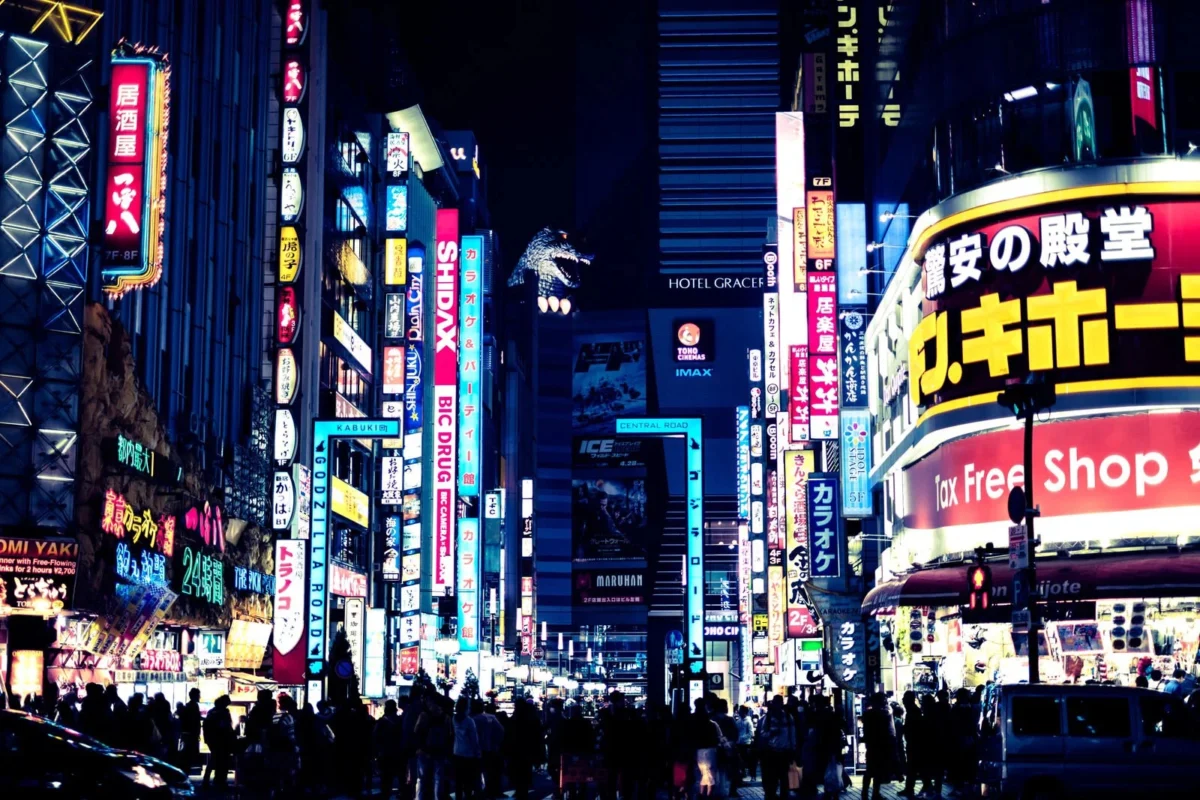
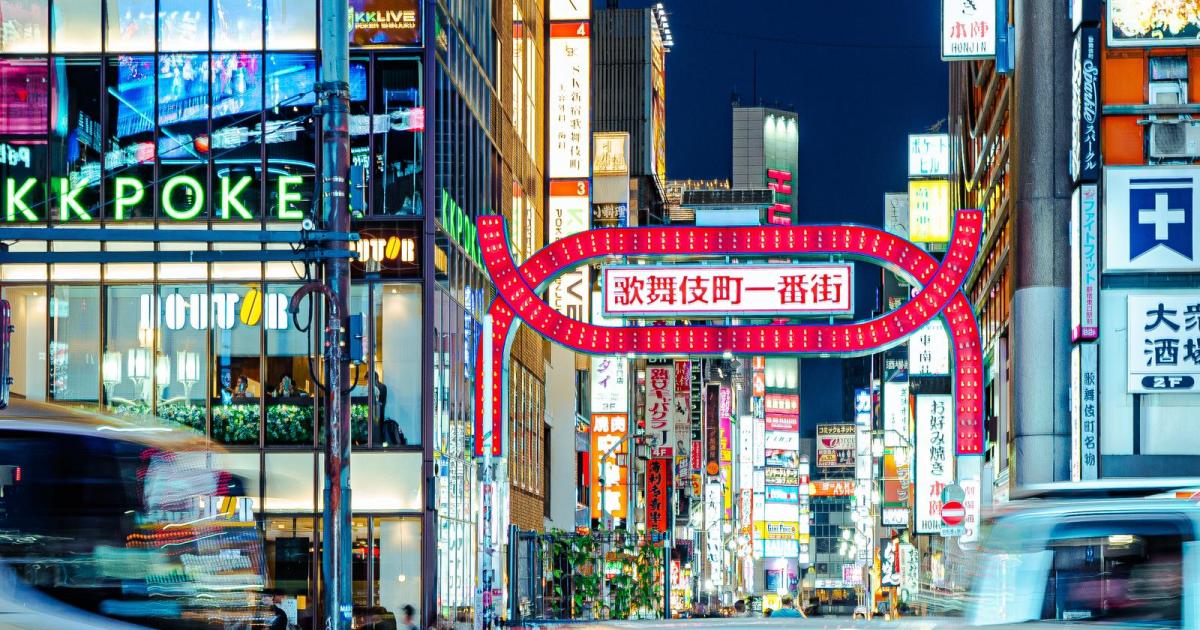
In the neon-drenched alleys of Shinjuku’s Kabukicho district, the promise of a memorable night out often hides a darker, more calculated reality. As Tokyo experiences a historic surge in international tourism, local authorities have issued a stern warning to overseas visitors: stay vigilant against "kyakuhiki"—illegal street touts who are increasingly using aggressive, deceptive tactics to lure unsuspecting tourists into high-priced financial traps.
The Anatomy of an Arrest
The tension between the local nightlife industry and the authorities recently reached a boiling point in the early hours of July 9. Tokyo Metropolitan Police confirmed the arrest of a 53-year-old Nigerian national in the heart of Kabukicho’s 1-chome district. The suspect was apprehended on suspicion of violating local anti-nuisance ordinances, which strictly prohibit the act of soliciting pedestrians on public streets for commercial gain.
According to police reports, the individual was observed cornering passersby with a disarming, albeit unsettling, repertoire of phrases. Witnesses and officers noted the suspect employing lines such as, "Don’t be scared. I love you," to lower the defenses of potential victims. Investigators believe this arrest is not an isolated incident but rather a window into the operations of organized, clandestine groups that have professionalized the art of the "bait-and-switch" in Tokyo’s most famous entertainment hub.
The suspect remains in custody as officials work to determine the scope of his network. The incident has served as a catalyst for a broader investigation into the syndicates that treat the sidewalks of Kabukicho as their personal hunting grounds.
A Chronology of Deception: The Rising Tide of Fraud
The arrest on July 9 is merely the latest chapter in a burgeoning crisis that has plagued the district for years but has seen a marked escalation in 2026.
- January – March 2026: Shinjuku Police began tracking an uptick in complaints from foreign nationals regarding "exorbitant billing" at bars and clubs. Initial reports were dismissed by some as misunderstandings over the Japanese "table charge" system.
- April 2026: As the spring travel season commenced, the volume of police reports surged. It became clear that victims were not merely confused; they were being systematically misled.
- May 2026: Law enforcement launched a dedicated task force to monitor the 1-chome district, specifically targeting individuals loitering near the iconic Godzilla head and the narrow, labyrinthine streets of Golden Gai.
- June 2026: The cumulative data for the first half of the year confirmed 91 official reports of fraud, with total losses estimated at an eye-watering 99 million yen (approximately US$670,000).
- July 2026: Following the arrest of the 53-year-old suspect, the Shinjuku Police issued a public safety advisory, effectively signaling that the "soft-touch" approach to managing these touts has come to an end.
Understanding "Kyakuhiki": The Business of the Bait
To understand why these scams are so effective, one must understand the term kyakuhiki. Derived from the Japanese words kyaku (customer) and hiku (to pull), the term refers to individuals who act as human conduits between the street and a venue.
While legitimate businesses in Japan may employ staff to stand outside their specific storefronts to hand out flyers or invite patrons, kyakuhiki operate under a different set of rules. They are independent operators or contractors who have no loyalty to a single establishment. Their business model relies entirely on volume and deception.
The Lifecycle of a Scam
The typical kyakuhiki encounter follows a predictable, well-rehearsed script:
- The Approach: The tout identifies a visitor—often someone who appears lost or is clearly enjoying the nightlife atmosphere. They initiate contact with feigned friendliness, offering "exclusive" deals, "all-you-can-drink" packages at rock-bottom prices, or access to "hidden gems."
- The Promise: They promise an experience that is authentic, safe, and incredibly cheap. They will often walk the target several blocks away from the main thoroughfare, isolating them from the safety of crowds and police presence.
- The Switch: Once inside the venue, the initial promises vanish. Customers are often directed to a backroom or a private area.
- The Sting: After ordering a single drink or a light snack, the victim is presented with a bill that contains hidden "service fees," "entrance fees," or "entertainment surcharges" that were never disclosed. These bills often reach hundreds of thousands of yen.
- The Coercion: When the victim attempts to dispute the charges, the environment changes. The friendly tout is replaced by intimidating, often physically imposing, staff members who insist that payment must be made before the customer is allowed to leave.
Statistical Realities and Economic Impact
The financial scale of these scams is staggering. With 99 million yen lost in just six months, the average victim is being defrauded of over one million yen (roughly US$6,700) per incident. For the Tokyo Metropolitan Police, these numbers represent more than just theft; they represent a threat to the integrity of Japan’s tourism industry.
Shinjuku, home to the busiest railway station in the world, serves as the gateway for millions of international visitors. When these visitors fall victim to organized crime, the international reputation of Tokyo as a safe, orderly city suffers. The police are now treating these cases with the same gravity as organized racketeering, acknowledging that the victims are frequently targeted specifically because their limited understanding of Japanese law and language makes them less likely to report the crime to the authorities.
Official Responses and Strategic Shifts
In response to the surge, the Tokyo Metropolitan Police and the Shinjuku Ward Office have implemented a multi-pronged strategy:
- Enhanced Patrols: Increased foot and bicycle patrols in the 1-chome and 2-chome districts of Kabukicho, with officers instructed to question anyone suspected of loitering with intent to solicit.
- Signage and Awareness: The installation of multilingual warning signs in English, Chinese, and Korean throughout the area, advising tourists to ignore solicitations.
- Business Accountability: Authorities are putting pressure on the owners of the venues that receive these "pulled" customers. New ordinances are being discussed that would hold the venue owners liable for the behavior of the touts who bring them business, potentially leading to the permanent revocation of their liquor licenses.
- Direct Outreach: Police have begun collaborating with hotels and tour operators to distribute "safety cards" to guests, providing tips on how to identify legitimate businesses versus predatory ones.
Implications for the Future of Nightlife
The crackdown on kyakuhiki highlights a deeper, more complex issue: the struggle to modernize a district that thrives on its "seedy" reputation. Kabukicho is famous for its grit, its neon, and its lawless atmosphere. However, as Japan pivots to become a global tourism powerhouse, the friction between the district’s "anything-goes" history and the necessity for modern public safety is becoming increasingly difficult to manage.
For the average tourist, the implications are clear: the "mysterious, friendly stranger" in Kabukicho is a relic of a bygone era, and in the current climate, they are almost certainly a liability. The authorities have made it explicitly clear that the safest way to navigate the nightlife in Shinjuku is to ignore all street-level solicitations entirely.
Protecting Yourself: A Visitor’s Guide
- Ignore and Walk: Do not engage in conversation. Even a polite "no thank you" signals that you are willing to interact. Keep walking and avoid eye contact.
- Use Trusted Platforms: Use established, verified booking platforms or restaurant review sites like Tabelog or Google Maps to find reputable venues.
- Stay in the Light: Stick to well-lit, crowded streets. If a tout tries to lead you down a dark side alley, that is an immediate red flag.
- Know the Law: Remember that in Japan, legitimate businesses do not need to hunt for customers on the street in the dead of night. If someone is working that hard to get you into their venue, it is because they cannot get customers through quality or reputation alone.
As Tokyo continues to welcome record-breaking numbers of international travelers, the crackdown on Kabukicho’s touts serves as a crucial reminder that while Japan remains one of the safest countries in the world, its vibrant nightlife districts still require a healthy dose of skepticism and common sense. The police have drawn a line in the sand, but for the visitor, the best defense remains their own discretion.











