

By Seb Joseph | June 1, 2026
In the modern digital landscape, content has never been easier to ignore—and, quite frankly, most of it deserves to be. For the better part of two decades, marketers have operated under the assumption that if they just bought enough impressions, the sale would follow. But as the digital noise floor rises and consumers become increasingly adept at scrolling past, blocking, or simply mentally tuning out traditional advertising, the strategy of "buying" attention has reached a point of diminishing returns.
A seismic shift is underway. Major brands—including SharkNinja, Gap, Mattel, LVMH, and Arsenal Football Club—are pivoting away from the churn of transient social media posts toward the long-term investment of "programming." They are no longer just acting as advertisers; they are becoming entertainers.
The Main Facts: A Return to the "Soap Opera" Era
The modern marketing playbook is experiencing a radical rewrite, yet the core philosophy is remarkably vintage. In the 1930s, Procter & Gamble realized that to sell soap to households, they needed to capture listeners’ attention through radio dramas, effectively creating the "soap opera." Today, brands are rediscovering that the most effective way to reach a consumer is to provide value in the form of entertainment, rather than interrupting it with a sales pitch.
This cohort of forward-thinking brands is diversifying its tactics. Some are partnering with established social publishers to leverage existing audiences, while others are hiring professional creators to serve as in-house creative directors. A select few are even venturing into co-producing feature-length films. While the tactics vary, the impetus remains constant: the traditional advertising model is failing, and the volume of content competing for a finite amount of human attention is ballooning.
Chronology of the Performance Trap
To understand why this shift is necessary, one must look at the trajectory of the last 15 years. Following the 2008 financial crisis, the marketing industry underwent a structural transformation toward "performance marketing."
- 2010–2015: The rise of programmatic advertising and social media platforms turned marketing into a math equation. Agencies and brands became obsessed with the "click," optimizing for immediate conversion metrics.
- 2016–2020: The "Performance Era" reached its zenith. While this made marketing more measurable, it paradoxically made it significantly less interesting. The focus on short-term ROI meant that emotional resonance—the bedrock of brand building—was sidelined in favor of conversion rates.
- 2021–2024: Internet culture evolved, becoming weirder, faster, and more audience-centric. Standard, polished advertising began to stick out like a sore thumb, signaling a clear disconnect between brands and the audiences they hoped to capture.
- 2025–2026: The current "Entertainment Pivot." Recognizing that performance channels have reached a saturation point, industry leaders are now aggressively shifting budgets toward long-form, episodic, and human-centric content.
Supporting Data: The Case for Emotional Resonance
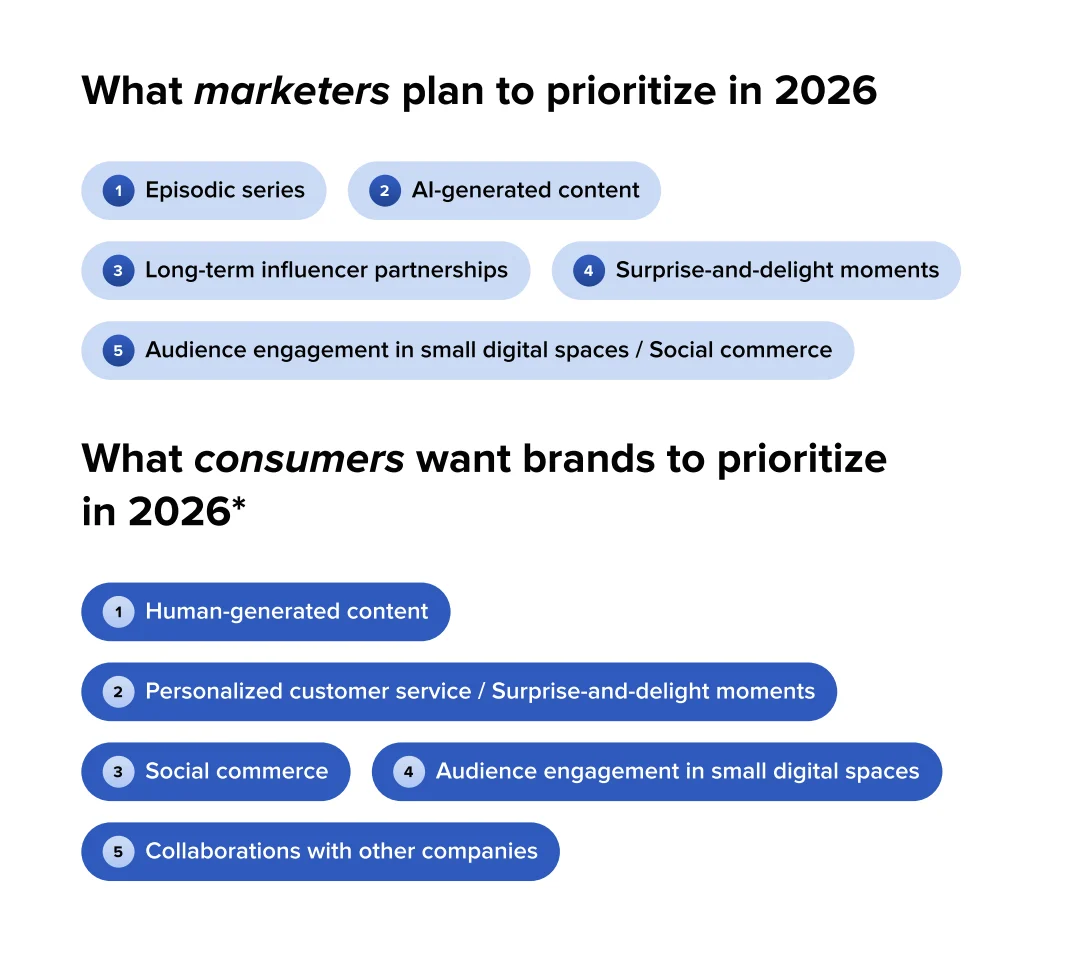
The data supporting this move is not just anecdotal; it is foundational. According to Sprout Social’s 2026 Content Strategy Report, which surveyed 2,300 consumers and 1,200 marketers, episodic series have officially become the top social priority for brands this year, eclipsing AI-generated content and long-term influencer partnerships.
However, there is a caveat. While marketers are clamoring for "entertainment," consumers are asking for "authenticity." The Sprout Social report highlights that consumers prioritize human-generated content above all else. Brands that attempt to automate their entertainment strategy often fail; those that build around a genuine, human voice succeed.
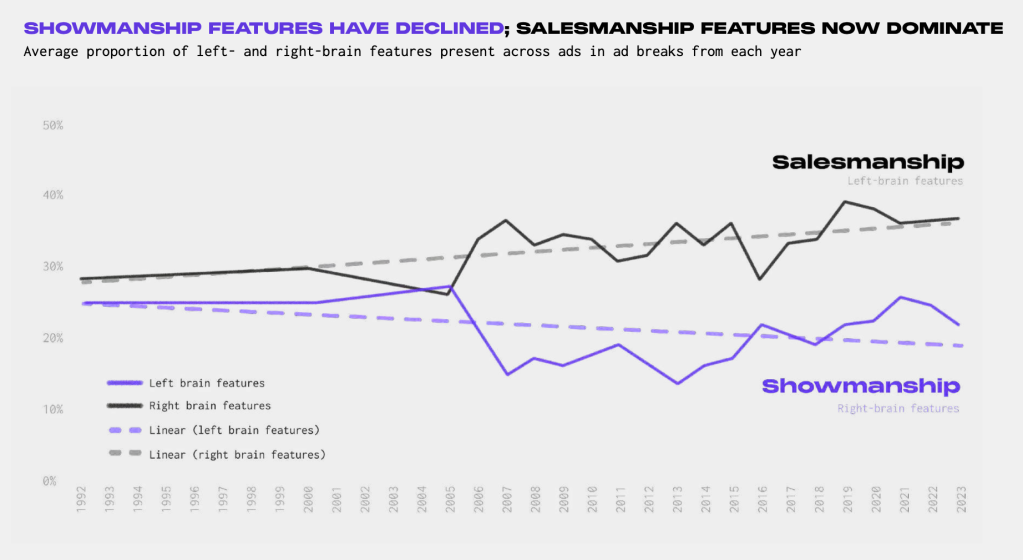
Dan Salkey, co-founder and strategy partner at the creative company Small World, notes that this shift has changed the math. "Brands that have an entertainment-first strategy have now got a two-to-four times multiplier on their effects," Salkey explained. Small World’s analysis of System 1 data shows that when marketers focus purely on product features rather than the interests of their audience, they lose the ability to capture long-term brand equity.
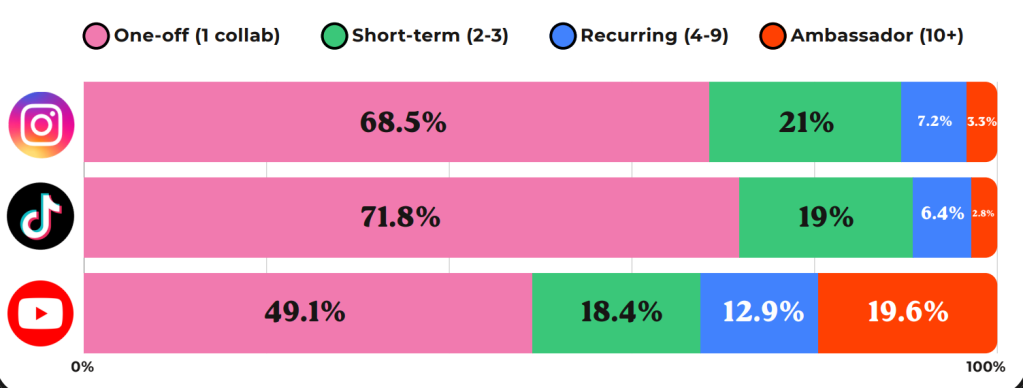
Furthermore, the "short-termism" that has plagued the industry is quantified by the Influencer Marketing Factory. Their 2026 report reveals that over 71% of brand-creator deals on TikTok end after a single collaboration. This lack of continuity is the antithesis of brand building. Owned, sustained content relationships compound value, whereas one-off sponsored posts essentially evaporate the moment the budget is spent.
Official Responses and Industry Insights
The leadership at major agency networks is beginning to acknowledge that the industry’s obsession with short-term returns has come at a high cost. Will Swayne, global president of media at Dentsu, points out that while the evidence for brand-building is "irrefutable," the real challenge lies in corporate culture.
"It is irrefutable now and people see the importance of it, but breaking the behavior inside of client organizations by focusing on those short-term returns is the challenge," Swayne stated.
The industry’s struggle is further illustrated by the work of consultant Michael Farmer. His research indicates that the price of creative agency work has plummeted by 75% in real terms over the last 33 years. When agencies accept scopes of work disconnected from outcomes, or when holdcos give away creative services to protect media trading margins, the result is a devaluation of the very thing meant to drive growth. Farmer’s tracking shows that 40 out of 60 major advertisers have grown below GDP for 15 years—a direct consequence of ineffective, short-term creative work.
Implications: The Death of the "Sales Pitch"
The implications for the marketing industry are profound. We are witnessing the end of the "interruption" model. In an era where consumers possess infinite choice and low tolerance for traditional ads, the brand that wins is the brand that stops asking for attention and starts earning it.
1. The Death of the Single-Post Campaign
The era of the "one-off" influencer deal is ending. Brands are realizing that sustained, episodic relationships are the only way to build trust. Moving forward, we should expect fewer vanity metrics and more focus on retention and community building.
2. The Rise of the In-House Studio
As brands take more control over their entertainment output, the role of the creative agency will shift. Agencies will need to provide more than just execution; they will need to provide the strategic infrastructure for brands to act as media companies.
3. The Re-Prioritization of "Feeling" over "Clicking"
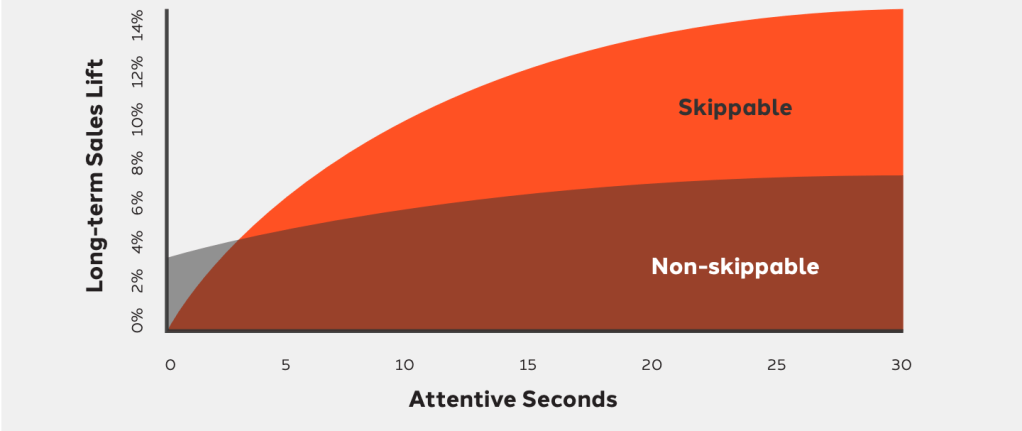
Data from Dentsu’s Brand Reset study confirms that voluntary attention—ads that people choose to watch—outperforms forced, non-skippable ads. The lesson is clear: if you force a consumer to watch, you are creating a negative association. If you provide content that makes them feel something, you create a brand advocate.
4. Long-Term Financial Accountability
The disconnect between marketing output and revenue growth is being scrutinized by CFOs. As the data linking long-term creative effectiveness to GDP-beating growth becomes more visible, the "short-termism" that followed the 2008 financial crash will likely be seen as a temporary, albeit expensive, detour in the history of advertising.
Conclusion: A New Frontier
The transition to entertainment-first marketing is not merely a trend; it is a survival strategy. As the digital landscape continues to evolve, the distinction between "advertising" and "entertainment" will continue to blur until it disappears entirely.
Marketers have all the evidence they need to change. The Binet and Field canon, the Dentsu attention research, and the glaring reality of stagnant revenue growth all point toward the same conclusion: stop trying to force the audience to care about your product, and start creating something that they would choose to engage with even if they weren’t buying anything at all.
The companies that succeed in the next decade will not be the ones with the largest media spend, but the ones with the most compelling stories to tell. The "soap opera" is back—and this time, it’s digital.










No comments yet. Be the first to join the conversation!