Asro
Asro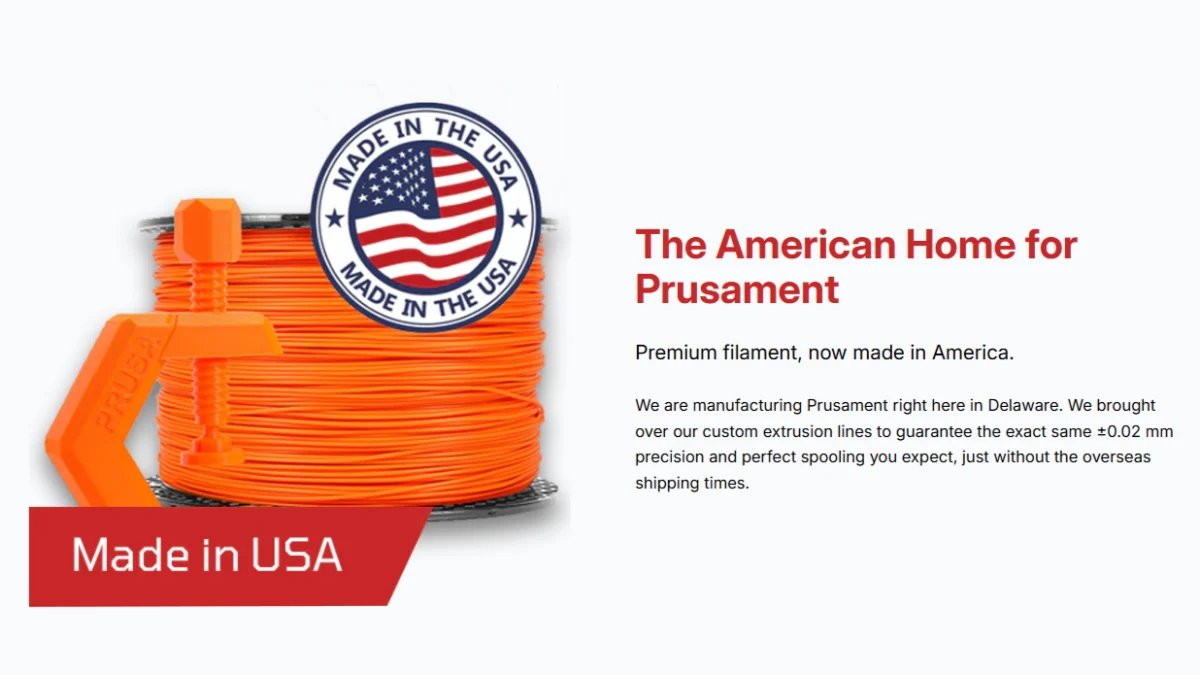
The global 3D printing landscape is undergoing a significant consolidation as Czech-based industry giant Prusa Research completes the integration of its American subsidiary. Formerly known as Printed Solid—the Delaware-based filament manufacturer and retailer acquired by Prusa in 2022—the entity has officially rebranded as Prusa USA, Inc.
This transition represents more than a mere change in signage. It signals a strategic shift in how one of the world’s most influential 3D printing companies interacts with the North American market. As the industry matures, the move toward localizing production, support, and fulfillment has become a cornerstone of Prusa’s strategy to maintain its dominance against an influx of low-cost, high-volume competitors originating from overseas.
The Chronology of an Acquisition
The relationship between Prusa Research and Printed Solid began long before the 2022 acquisition. For years, Printed Solid served as a vital U.S. distributor for Prusa’s popular desktop 3D printers, providing a reliable point of contact for American hobbyists and professional users alike.
When Prusa Research announced its acquisition of the Delaware company in 2022, it was hailed as a logical step to shorten supply chains and offer more localized customer service. However, the integration process was not without its internal challenges.
In early 2025, the company faced a leadership transition when former CEO David Randolph stepped down. This move prompted Josef Prusa himself to take emergency command of the U.S. operations, providing stability during a period of transition while the search for new leadership commenced. Shortly thereafter, in a separate structural change, Chief Sales and Marketing Officer Chris Pelesky also exited the company. Despite these departures, both veterans remain fixtures in the industry: Randolph has moved on to helm the innovative chocolate 3D printer startup Cocoa Press, while Pelesky continues to drive the community forward as the lead organizer of 3D Printopia, a major consumer-focused expo scheduled for Philadelphia this fall.
Today, the rebranding to Prusa USA, Inc. marks the final step in this organizational evolution. The company will operate as "Printed Solid, a Prusa Company," ensuring continuity for long-term customers while aligning fully with the Prusa brand identity.
Strategic Implications: Why "European-American"?
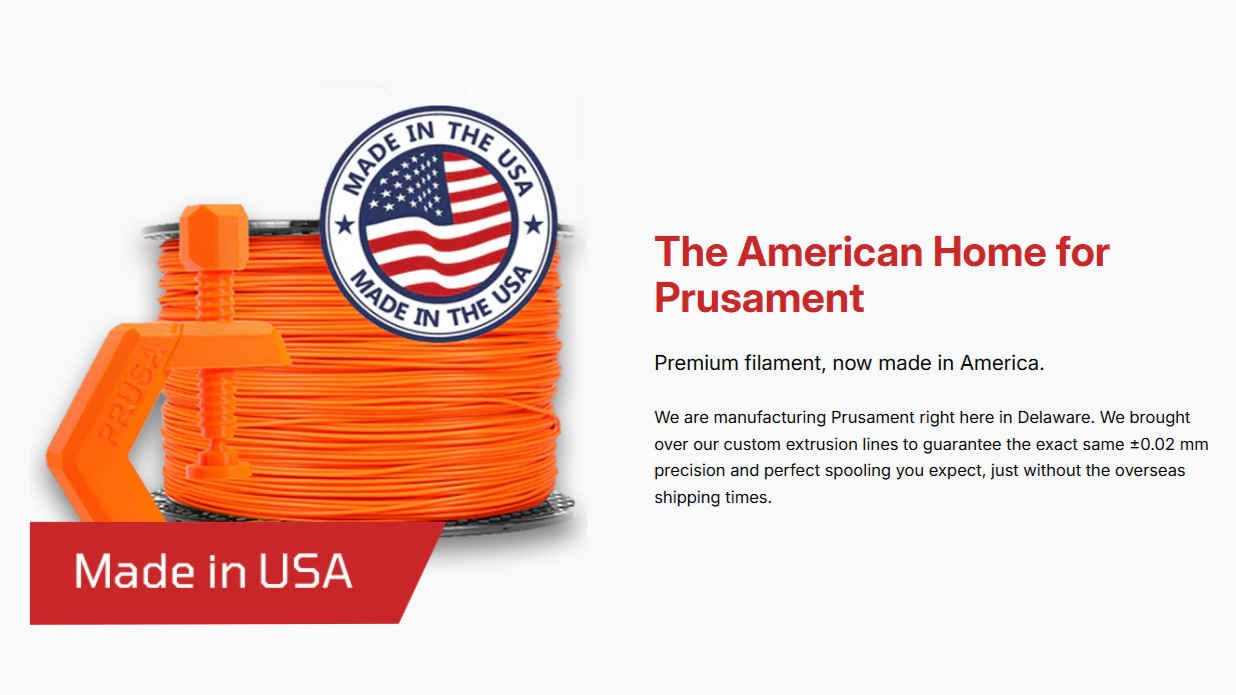
The most immediate impact of this rebranding is the shift in how Prusa defines its manufacturing footprint. The company now markets itself as a "European-American" entity, leveraging its massive 100,000-square-foot facility in Wilmington, Delaware.
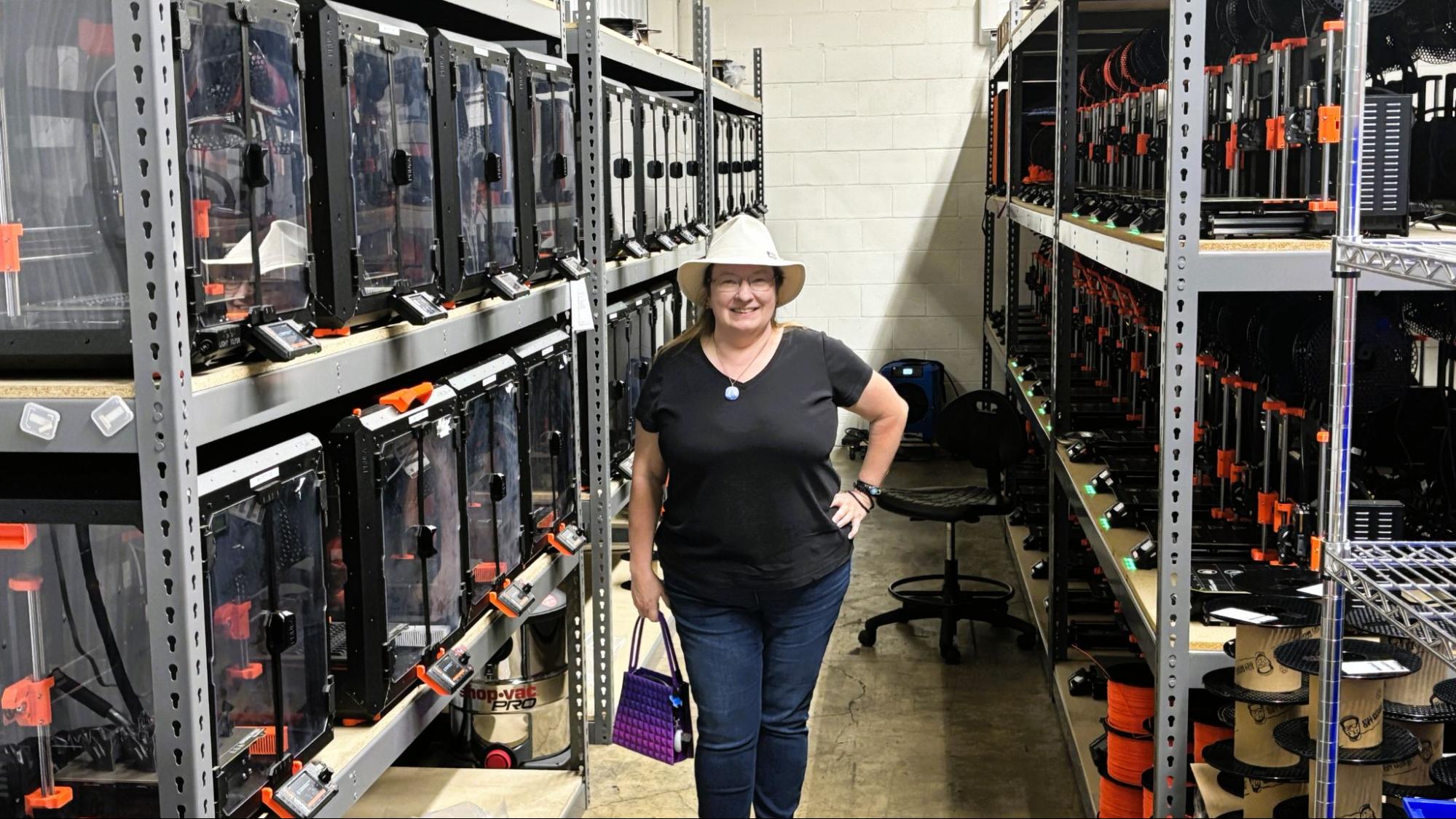
This facility functions as a dual-purpose engine. It serves as a secondary print farm capable of producing both Prusa 3D printers and high-quality filament (Prusament and the popular "Jessie" line). While these machines are not yet fully "Made in the USA"—as certain critical components are still sourced from the primary factory in Prague—the facility is a critical hedge against global supply chain volatility. By manufacturing in Delaware, Prusa can circumvent the long shipping times and potential tariffs that frequently plague international hardware distribution.
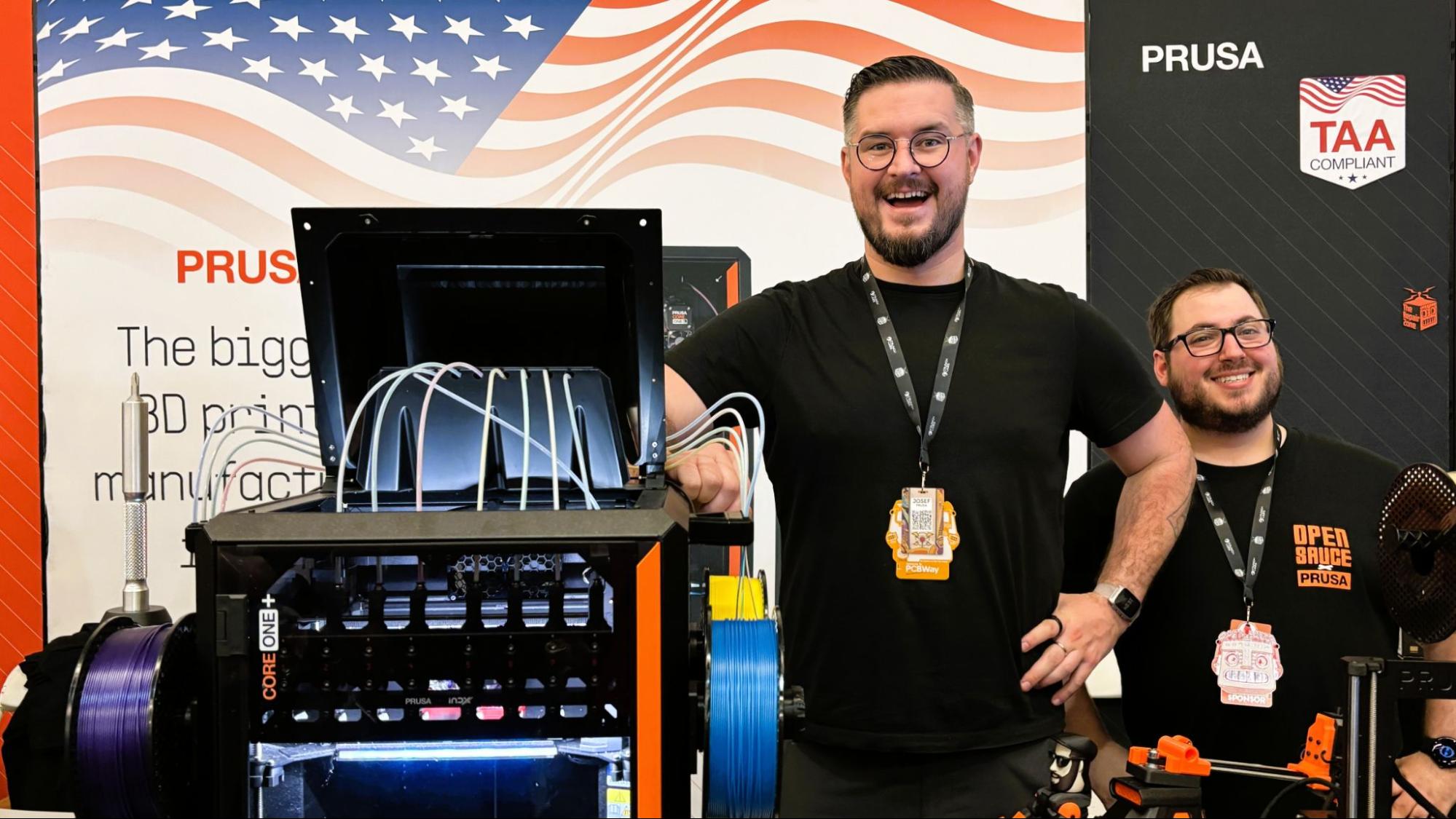
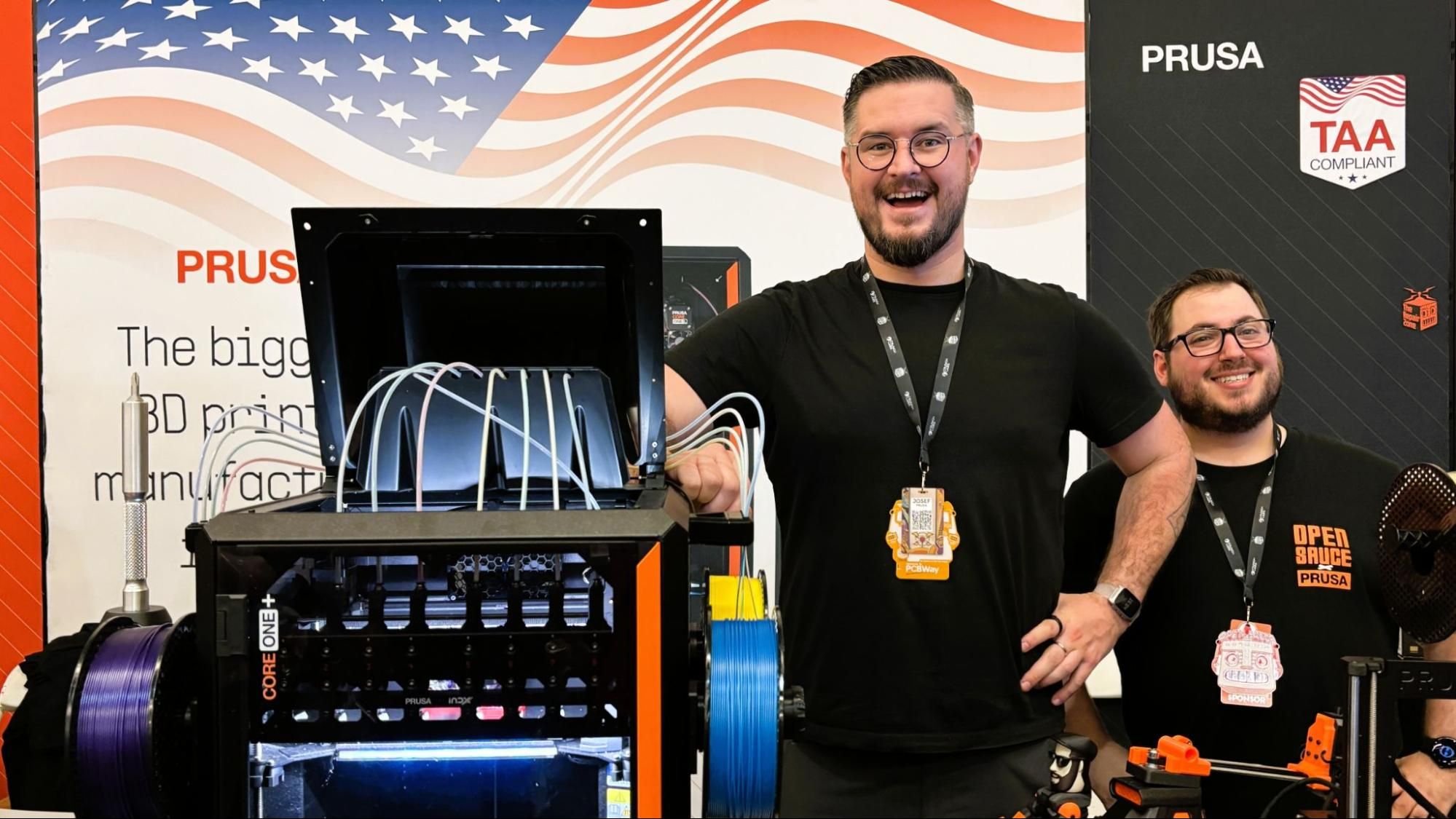
"We wanted to be closer to our customers," Josef Prusa stated during the recent Open Sauce event. "Expanding to America was the natural next step to support the most important market in the world."
Operational Data and Market Presence
The scale of Prusa’s operations is significant. The company currently ships well over 10,000 printers monthly, split between its European and American production hubs. While this figure is impressive, it is dwarfed by the sheer output of Chinese competitors who dominate the low-cost segment of the 3D printing market.
However, Prusa is not chasing the race to the bottom. Instead, the Wilmington site functions as the official U.S. Service Center, offering in-house repair, maintenance, and technical support. This focus on long-term ownership and reliability is intended to differentiate the brand from manufacturers that prioritize disposable, low-cost machines. During a site tour of the Delaware facility, it was clear that the company is planning for long-term growth; while only three filament lines were fully operational as of early 2025, the massive floor space remains reserved for future expansion, suggesting that Prusa intends to significantly ramp up local production capabilities in the coming years.
Industry Tensions: Open Source vs. Regulation
The rebranding of Prusa USA comes at a delicate time for the additive manufacturing industry. As 3D printing becomes more accessible, the technology has found itself in the crosshairs of state and federal regulators.
Across the United States, several legislative bills have been introduced, aiming to impose government oversight on 3D printer manufacturers. Many of these bills propose mandates that would require the installation of "blocking technology" or "spyware" on new printers to prevent the manufacturing of illicit items, such as firearm parts.
Prusa Research has positioned itself as the polar opposite of this trend. The company maintains a staunch commitment to Open Source principles, the "Right to Repair" movement, and the belief that end-users should have total control over their hardware. This philosophy has made Prusa a preferred choice for sensitive environments, including U.S. government agencies and military facilities that prioritize security and auditability over closed-source, cloud-dependent hardware.
The irony of the current situation is not lost on the industry. Prusa’s new home, Delaware, has recently seen the introduction of House Bill 399, which seeks to mandate restrictive technology on 3D printers. As Prusa USA establishes its footprint in the state, it finds itself in a unique position to act as a vocal advocate for the industry, lobbying against measures that would effectively dismantle the open-source nature of modern additive manufacturing.
The Road Ahead
The transition from Printed Solid to Prusa USA is a maturation milestone. For the average user, the day-to-day experience—ordering filament, seeking support, or purchasing an MK4S or a CORE One+—will remain largely unchanged. The company’s focus on high-quality engineering and user support remains constant.
However, the structural changes—new marketing leadership, a finalized U.S. identity, and an expanded manufacturing capacity—suggest that Prusa is preparing for a new era of competition. By localizing its presence in the U.S., Prusa is not just selling printers; it is positioning itself as a core component of the American maker ecosystem.
As the regulatory environment grows more complex, the presence of a major, pro-open-source manufacturer on American soil may prove to be the company’s most valuable asset. While the brand name has changed, the mission remains: to keep the 3D printing industry open, accessible, and firmly in the hands of the people who use the machines.
Summary of Key Developments:
- Rebranding: Printed Solid is now officially Prusa USA, Inc.
- Leadership: Josef Prusa retains his role as CEO; the company is actively integrating new internal leadership in marketing.
- Production: The 100,000-square-foot Delaware facility serves as a hub for both printer assembly and filament production (Prusament/Jessie).
- Market Strategy: The company is focusing on "European-American" status to provide faster support and fulfillment to the U.S. market.
- Political Landscape: Prusa is actively navigating increasing state-level regulations regarding "blocking technology" in 3D printers, standing in opposition to mandates that threaten open-source hardware.

 Nana Wu
 Ammar Sabilarrohman