

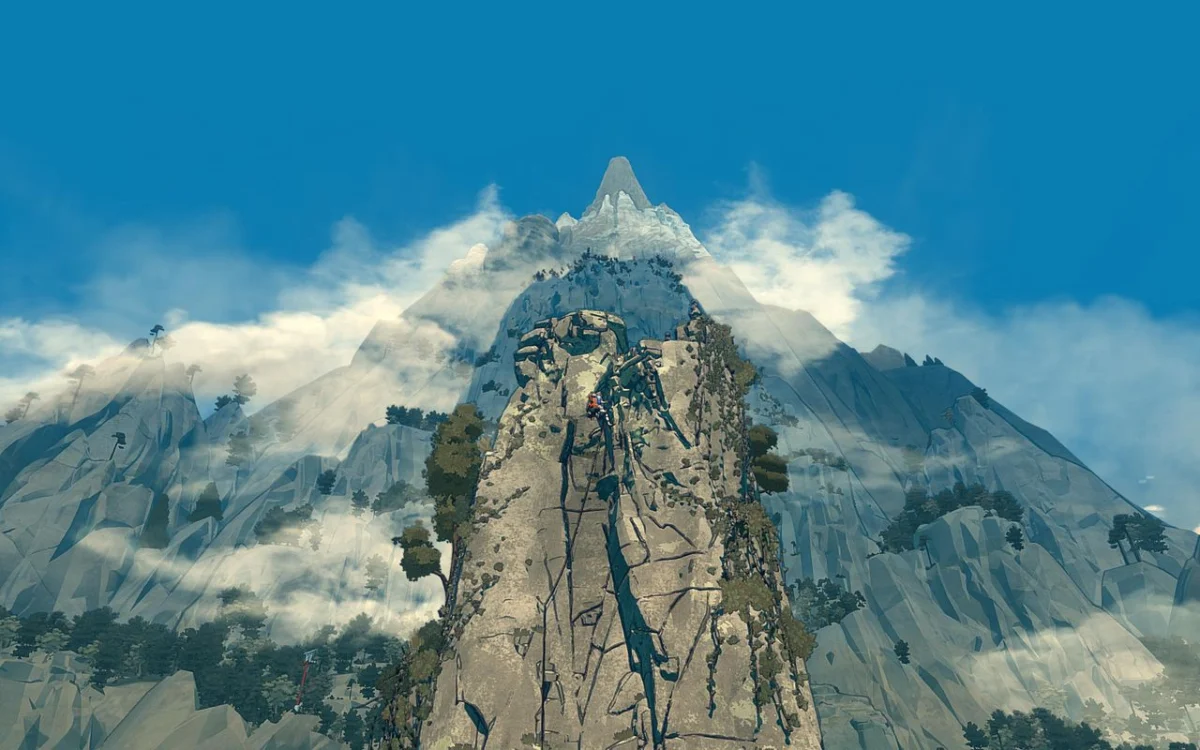
In the landscape of modern indie gaming, few titles have captured the meditative, high-stakes thrill of mountaineering quite like Cairn. Developed by The Game Bakers, the climbing simulator has carved out a unique niche by focusing on the raw, tactile struggle of the ascent rather than the combat-heavy tropes common in the genre. Now, in a novel bridge between the digital and physical worlds, the developers have introduced a feature that allows players to immortalize their specific, hard-earned routes on custom-printed T-shirts.
The Evolution of the Climbing Sim
Cairn hit the market in February to widespread critical acclaim, quickly establishing itself as a standout experience for those who prefer the quiet intensity of navigation over the frantic pace of traditional action games. By stripping away the "rage-inducing" mechanics often found in navigation-based titles—games like Death Stranding or the absurdist physics of Baby Steps—Cairn provides a serene, albeit demanding, environment where the primary antagonist is the mountain itself.
The gameplay centers on the player’s agency. While there are intended paths to the summit of Mount Kami, the game provides enough freedom for players to forge their own, often harrowing, routes. Whether you are a cautious climber seeking the path of least resistance or a daredevil attempting lines that would baffle even the most agile mountain goat, the game tracks every movement, every anchor, and every slip.
Chronology of a Success Story
The journey of Cairn from a niche concept to a commercial juggernaut is a testament to the power of well-executed, focused design.
- February Launch: The game officially released to the public, garnering immediate attention for its minimalist aesthetic and fluid, physics-based climbing controls. Critics praised its ability to turn navigation into a puzzle-solving experience without the frustration often associated with such mechanics.
- March Milestone: By the following month, The Game Bakers announced a significant milestone: the title had surpassed 500,000 copies sold. In the world of independent gaming, where visibility is a constant struggle, this figure is a resounding success, proving that there is a massive appetite for "slow" gaming experiences.
- The T-Shirt Integration: Following the success, the developers sought a way for players to commemorate their specific, unique journeys. The recently added "Extra" menu feature allows players to generate a visual representation of their completed ascent—a topographical map of their path—which can then be ordered as a custom-printed T-shirt.
- Future Outlook (Summer): The momentum is set to continue through the summer months, with the studio confirming the arrival of the first free DLC, titled On the Trail, which promises to expand the game’s scope and introduce new challenges for veteran climbers.
Supporting Data: Why Players Resonate with ‘Cairn’
The appeal of Cairn lies in its "human" touch. Unlike many games that rely on automated pathfinding or flashy UI elements to guide the player, Cairn forces the user to engage with the topography. The data generated during a session is not just a high score or a completion timestamp; it is a personalized history of a struggle.
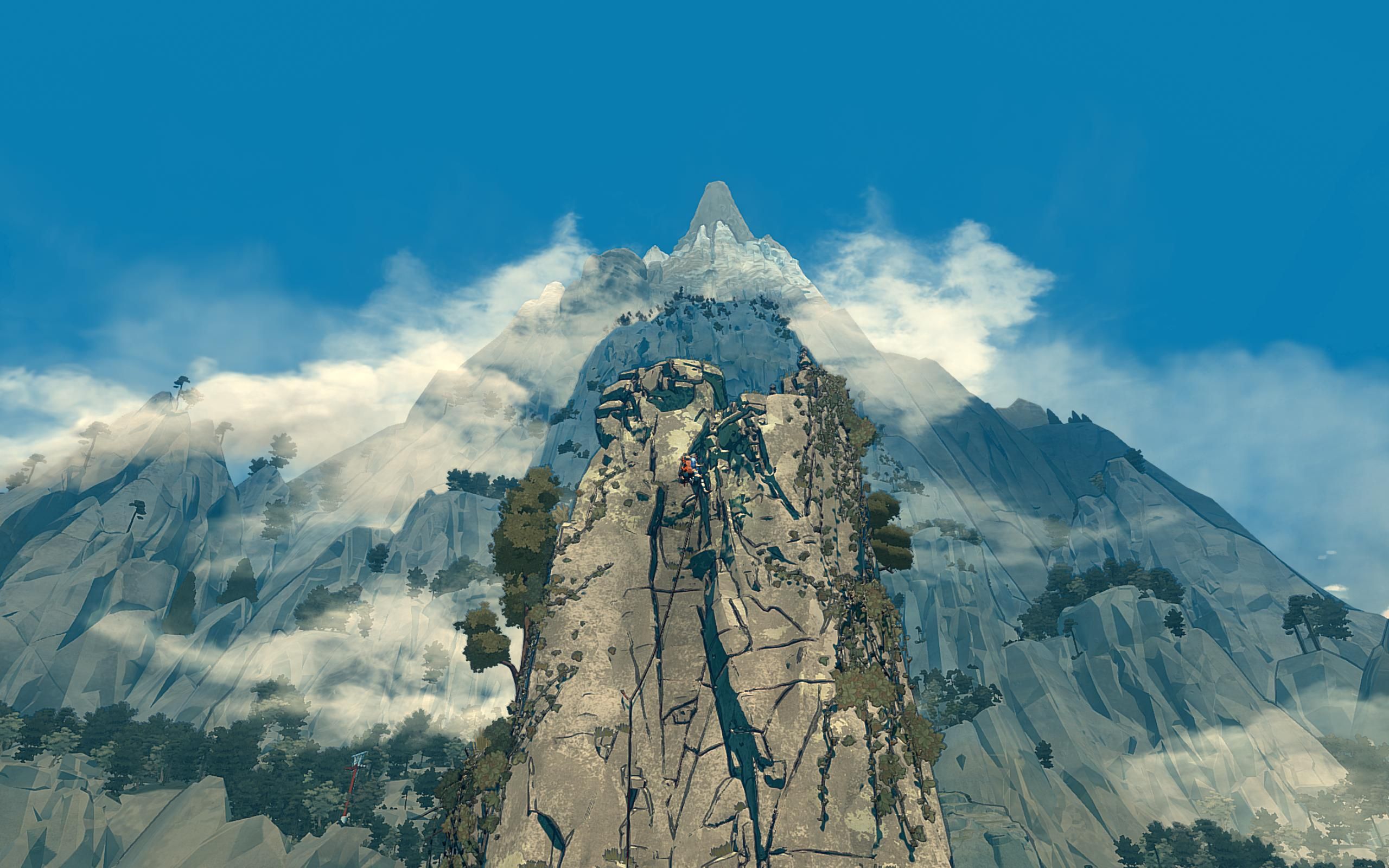
The ability to export this data to a physical garment is a clever marketing and community-building tactic. In the age of digital screenshots that get buried in social media feeds, a physical artifact serves as a badge of honor. It transforms a private gaming achievement into a tangible object, effectively creating a "merch" ecosystem where the user is the creator. It is important to note, however, that this feature is exclusive to those who have successfully reached the summit; casual players who have only made it halfway up Mount Kami are excluded, adding a layer of exclusivity to the apparel.
The "Human" Element in Digital Achievement
One of the most poignant aspects of the Cairn experience is the deliberate lack of traditional social validation. As noted in initial reviews, sharing digital accomplishments on the internet often leads to toxic interactions or cold, impersonal feedback. By opting for a physical, offline memento, The Game Bakers are catering to the player’s internal sense of accomplishment rather than external validation.
This shift reflects a broader trend in the gaming industry: the move toward "intentional" play. Players are increasingly seeking experiences that offer deep personal satisfaction. By providing a tool that allows players to wear their success, the developers are validating the hours spent analyzing rock faces, managing stamina, and planning the next handhold.
Implications for the Indie Industry
The success of Cairn and its innovative post-launch support raise several questions about the future of digital-to-physical merchandise in indie gaming.
1. Personalization as a Premium Feature
The model used by The Game Bakers suggests that players are willing to pay for items that are inherently unique to their personal playthroughs. This moves beyond generic branding—like a logo on a T-shirt—and into the realm of "bespoke" gaming merchandise. If other developers follow suit, we may see a surge in platforms that allow players to export game stats into physical goods, from 3D-printed avatars to custom-mapped gear.
2. Longevity and Post-Launch Engagement
The announcement of the On the Trail DLC serves as a reminder that a game’s lifecycle does not end at launch. By keeping the community engaged with both new content and novel community-focused features (like the T-shirt creator), developers can keep their titles in the public consciousness long after the initial review cycle has passed.
3. The "Anti-Rage" Philosophy
The success of Cairn proves that there is a substantial, untapped market for games that avoid the "rage-bait" design loop. While high-difficulty, punishing games (the "Soulslike" or "precision platformer" sub-genres) remain popular, Cairn demonstrates that a game can be difficult and demanding without being cruel. Its focus on the meditative nature of climbing—the rhythm, the breathing, and the deliberate movement—has resonated with a demographic that may otherwise be burned out by the constant intensity of modern AAA titles.
Conclusion: Reaching the Summit
Cairn has managed to do what few games achieve: it has successfully turned a digital simulation into a personal narrative. By allowing players to print their exact ascent paths onto clothing, the developers have provided a satisfying, permanent conclusion to the struggle of the climb.
As the community prepares for the On the Trail expansion this summer, the legacy of the game continues to grow. Whether you are a casual player enjoying the views or a dedicated climber looking to etch your name into the history of Mount Kami, the game stands as a testament to the beauty of the struggle. It is a rare example of a title that respects the player’s time, honors their effort, and gives them something worth holding onto—even if that something is just a T-shirt that tells the story of how they conquered the mountain.











No comments yet. Be the first to join the conversation!