

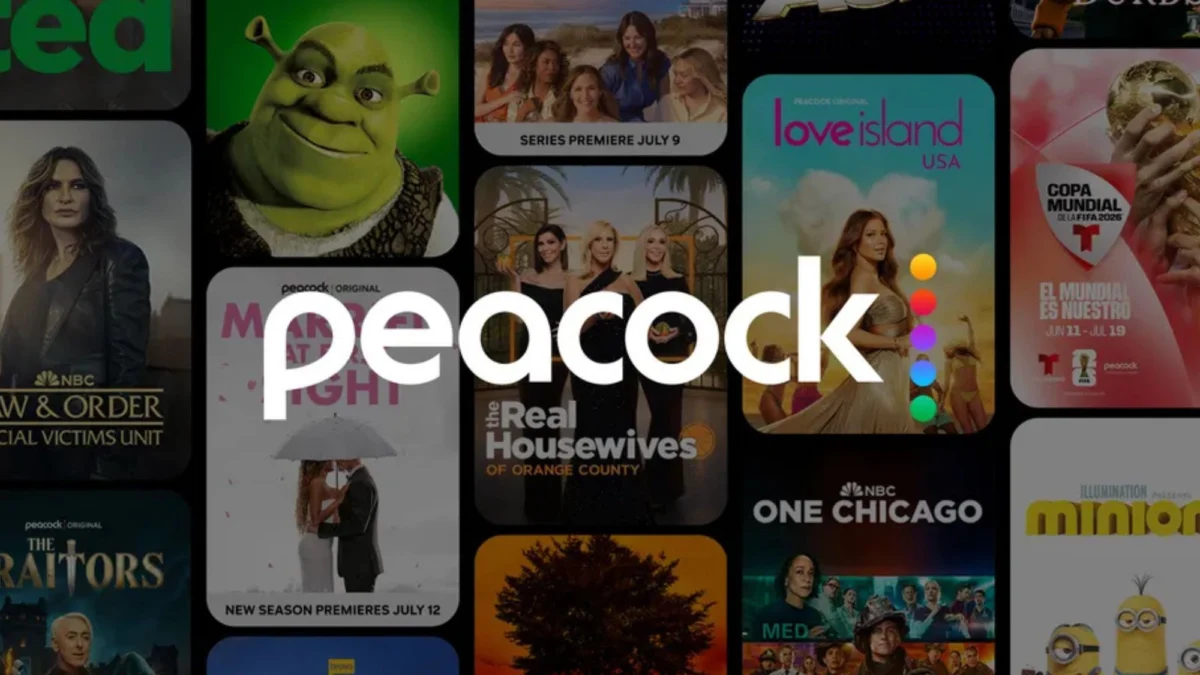
In a move that underscores the ongoing transformation of the digital media landscape, YouTube has officially integrated Peacock Premium Plus into its Primetime Channels ecosystem. This strategic expansion allows users to subscribe to and stream NBCUniversal’s premium content directly within the YouTube interface, effectively positioning the platform as a centralized "super-aggregator" for the modern cord-cutter. As the digital ecosystem converges, the friction of switching between disparate apps is being replaced by a unified, streamlined viewing experience.
Main Facts: What the Integration Means for Viewers
The integration of Peacock Premium Plus into YouTube Primetime Channels is more than a simple partnership; it is a major infrastructure play. By hosting Peacock directly within YouTube, the platform eliminates the need for users to exit their primary video app to access NBCUniversal’s expansive library.
Key takeaways of this integration include:
- Direct In-App Subscription: Users can sign up for Peacock Premium Plus without leaving the YouTube environment, using their existing Google billing information.
- Unified Interface: Whether accessing content via a mobile device, tablet, or connected TV, the Peacock library is now accessible through the YouTube "Movies & TV" tab.
- Full Content Access: Subscribers gain access to the complete Peacock Premium Plus catalog, including live sports, original programming, and the extensive NBC and Bravo back-catalog.
- Pricing Parity: The subscription cost is set at $16.99 per month, mirroring the direct-to-consumer price offered by Peacock, ensuring that convenience does not come at a premium price point.
Chronology: The Evolution of YouTube Primetime Channels
The journey toward this integration began years ago as YouTube recognized that its massive user base was increasingly treating the platform as a primary television substitute rather than just a repository for short-form content.
- The Launch (2022): YouTube officially launched Primetime Channels, initially partnering with major services like Paramount+, AMC+, and Vix. The goal was to solve "app fatigue," a common complaint among consumers overwhelmed by the need to navigate between dozens of individual streaming applications.
- Expansion Phase (2023–2025): YouTube incrementally added powerhouses like Max (formerly HBO Max) and Crunchyroll to the fold. Each addition was designed to capture specific demographics, from prestige drama fans to anime enthusiasts.
- The FIFA World Cup Catalyst (2026): The integration of Peacock arrives at a pivotal moment. With the FIFA World Cup 2026 currently dominating global attention, the inclusion of Peacock—which holds significant Spanish-language broadcasting rights via Telemundo—serves as a massive draw for sports fans who prioritize ease of access during live events.
Supporting Data: The Rise of Aggregation
The move to consolidate streaming services into a single hub is backed by shifting consumer behaviors. According to recent industry data, the average American household now subscribes to more than four streaming services. This fragmentation has created a "search and discovery" crisis, where users spend an average of 10 to 15 minutes just deciding what to watch and which app to open.
YouTube’s Primetime Channels addresses this by utilizing Google’s industry-leading recommendation algorithm. When a user browses their YouTube homepage, they are no longer just seeing viral clips; they are seeing content suggestions from their subscribed Primetime Channels. For Peacock, this means higher visibility for their original series and live sports, as their content is now surfaced alongside the billions of hours of content already hosted on YouTube.
Furthermore, the technical stability of the YouTube infrastructure is a major selling point. By offloading the streaming burden to YouTube’s global Content Delivery Network (CDN), NBCUniversal potentially benefits from reduced latency during high-traffic events, such as the FIFA World Cup or Sunday Night Football.
Official Responses and Strategic Implications
Representatives from both YouTube and NBCUniversal have framed this partnership as a consumer-first initiative. The messaging from both camps emphasizes "frictionless entertainment."
"Our goal is to make the experience of watching your favorite content as seamless as possible," a spokesperson for YouTube noted during the announcement. "By bringing Peacock Premium Plus into the Primetime Channels family, we are helping our users spend less time navigating menus and more time enjoying the content they love."
From NBCUniversal’s perspective, the partnership is a vital distribution strategy. By leveraging YouTube’s massive reach—which boasts over two billion monthly active users—Peacock can tap into a wider audience base, particularly those who are already entrenched in the Google ecosystem.
The Sports Advantage
For soccer fans, the integration is particularly timely. The FIFA World Cup 2026 is a massive viewership event, and Peacock’s exclusive Spanish-language rights for the tournament via Telemundo coverage makes it a must-have for a specific, high-intent audience. By offering this directly on YouTube, Peacock is effectively lowering the barrier to entry for fans who might not have wanted to download a separate app just for the duration of the tournament.
Implications: The Future of Streaming
The integration of Peacock into YouTube marks a broader shift toward "The Bundle 2.0." For years, the streaming industry saw a proliferation of standalone apps. Now, the pendulum is swinging back toward consolidation.
1. The Death of App Fatigue
The primary implication for the consumer is the death of "app hopping." As more services join Primetime Channels, the television experience will eventually return to the simplicity of the cable era, but with the flexibility of digital. Users can manage all their subscriptions in one place, cancel with a click, and unify their billing cycles.
2. A Shift in Discovery
Discovery is the next battleground in streaming. With thousands of shows available, the platforms that control the "front door" hold the most power. By integrating into YouTube, Peacock gains the benefit of YouTube’s search and recommendation prowess. A user watching a highlight clip of a Premier League match on YouTube might now be one click away from a live broadcast of a game on Peacock.
3. The Ad-Supported Reality
It is important to note the fine print regarding the $16.99 price point. While the plan is marketed as "Premium Plus," it remains a hybrid model. Users will still encounter advertisements during live events and specific segments of programming. This reflects the industry’s pivot away from purely ad-free models toward a more sustainable, hybrid revenue stream. As the streaming market matures, advertisers are demanding more visibility, and YouTube’s ad-tech stack is arguably the most sophisticated in the world.
4. Competitive Pressure on Other Platforms
This move puts immense pressure on other streaming aggregators, such as Amazon Prime Video Channels and Apple TV Channels. As YouTube continues to add high-value partners like Peacock, it creates a "network effect." The more services that join the platform, the more valuable the platform becomes to the consumer, making it harder for standalone streaming apps to maintain direct relationships with their users.
Conclusion: A New Standard for Digital TV
The partnership between YouTube and Peacock is a microcosm of the current state of media. We have moved past the "gold rush" phase of streaming, where every network built its own siloed application, and into an era of utility and aggregation.
For the average viewer, this is an unequivocal win. It restores a level of sanity to the digital living room, turning the YouTube app into a comprehensive entertainment portal. As we look toward the remainder of the World Cup and the upcoming fall television season, the convenience of having live sports, prestige originals, and classic movies under one digital roof will likely become the standard expectation for viewers worldwide. YouTube is no longer just a place to watch videos; it is rapidly becoming the home of television itself.











