Pevita Pearce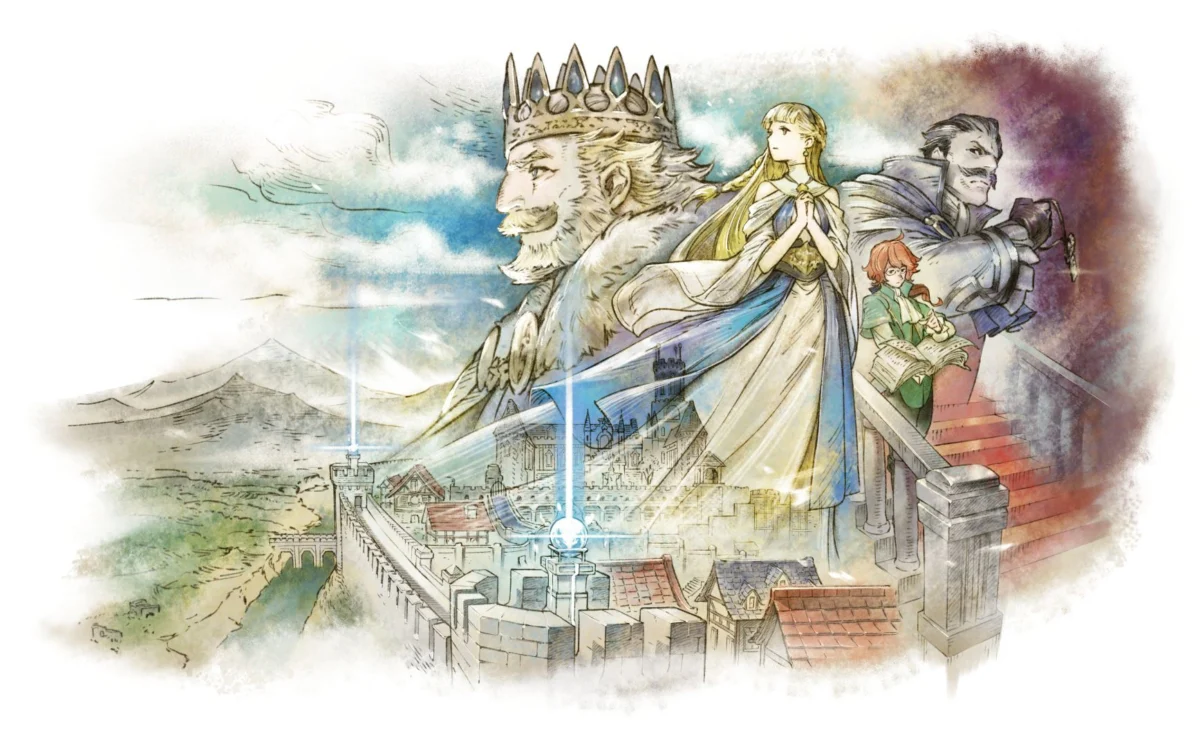
Published: Jun 17, 2026, 8:00 AM EDT
By Jen Glennon
In a gaming landscape increasingly dominated by sprawling open worlds, endless live-service offerings, and cinematic epics that demand hundreds of hours, a refreshing counter-narrative is emerging. This past week, while the gaming world buzzed with revelations from industry giants – new trailers for Final Fantasy 7 Revelation, Kingdom Hearts 4, and Persona 6 – it was a comparatively humble title that unexpectedly captured significant attention at Summer Game Fest. The surprise reveal of Final Fantasy Resonance, an HD-2D upcycling of a former mobile game, signaled a growing appetite for focused, mid-sized experiences that hark back to the golden eras of 16- and 32-bit gaming. Standing at the forefront of this burgeoning trend is The Adventures of Elliot: The Millennium Tales, a game that exemplifies the "less is more" philosophy with remarkable grace and charm, proving that sometimes, the greatest adventures aren’t the largest ones.
Main Facts: Unpacking "The Adventures of Elliot: The Millennium Tales"
Co-developed by Team Asano, a revered internal studio at Square Enix known for its dedication to classic RPG sensibilities, and Claytechworks, "The Adventures of Elliot" feels less like a new release and more like a cherished, long-lost SNES or PlayStation-era classic unearthed for the first time. This action RPG doesn’t aim to revolutionize the genre; instead, it refines and celebrates its foundational pillars, delivering an experience that is both familiar and deeply satisfying.
A Nostalgic Core in a Modern Shell
At its heart, "The Adventures of Elliot" is an homage to a bygone era, meticulously crafted to evoke the magic of 16-bit and 32-bit action RPGs, particularly drawing inspiration from beloved titles like The Legend of Zelda: A Link to the Past and Secret of Mana. The game’s design prioritizes a tightly paced narrative and gameplay loop, avoiding the bloat often associated with contemporary releases. With an estimated runtime of just 25 hours, it offers a complete, self-contained adventure that respects the player’s time while still inviting exploration.
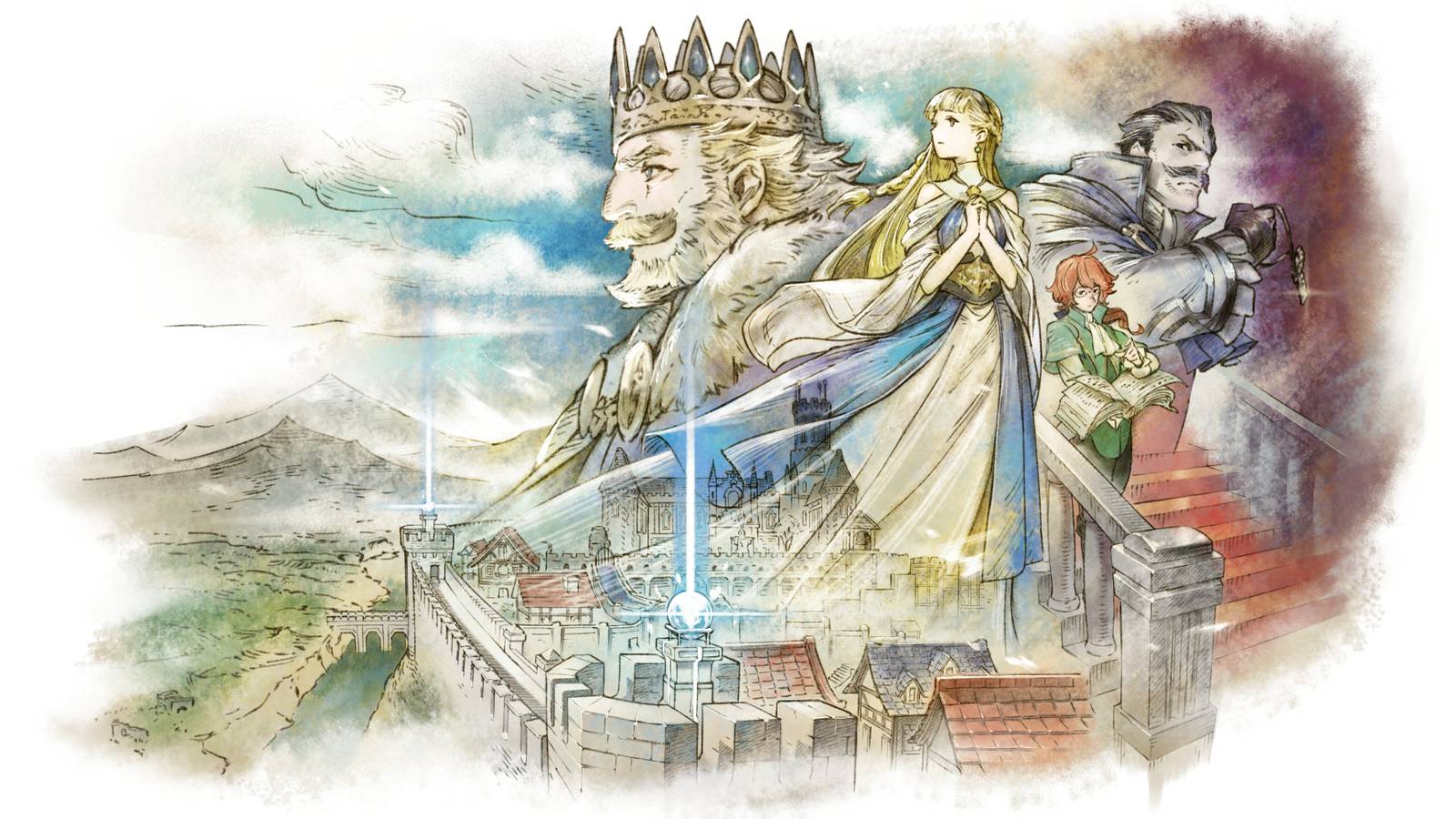
The game’s visual presentation and musical score are immediate standouts, conjuring images of a vibrant, hand-drawn storybook brought to life. The graphics blend classic pixel art aesthetics with modern flourishes, creating a timeless appeal. This HD-2D approach, similar to Final Fantasy Resonance, demonstrates a commitment to marrying nostalgic art styles with contemporary production values, providing crisp, detailed environments and character models that pop on modern displays. The accompanying soundtrack, full of whimsical and heroic melodies, further immerses players in its enchanting fairy-tale world.
Elliot’s Wholesome Journey
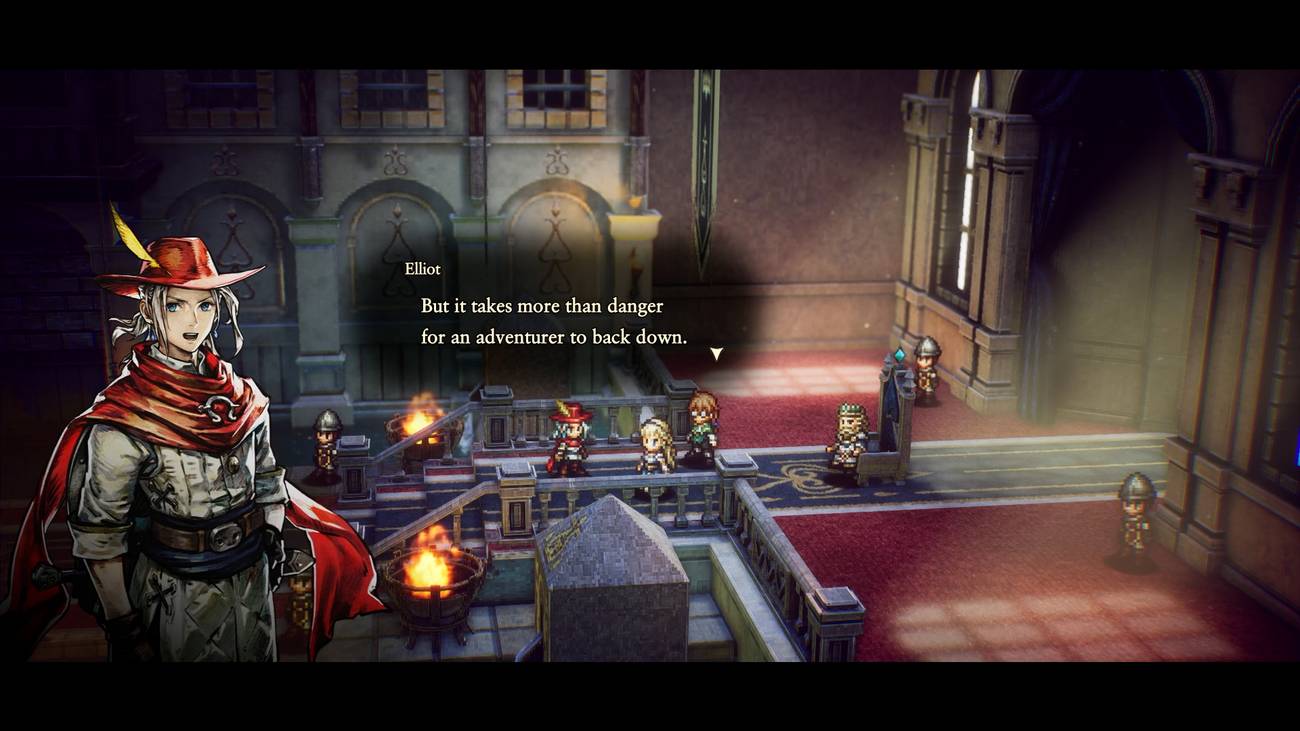
Central to the game’s charm is its protagonist, Elliot, whose characterization is a deliberate departure from the brooding, complex anti-heroes often found in modern RPGs. Elliot is presented as an unambiguously chipper and earnest "boy scout" figure, a kindly big-brother type who volunteers for quests not for glory or riches, but out of a genuine desire to help. The narrative opens on a refreshingly mundane task – retrieving a lost comb for an elderly gentleman – before escalating into a grander, time-hopping quest to thwart a villain seeking forgotten magic. This Ghibli-esque earnestness permeates the storytelling, initially feeling a little naive but ultimately winning over players with its unwavering positivity and simple, heartfelt messages.
Elliot’s unwavering optimism is a guiding light throughout the game. His willingness to openly discuss his time-traveling exploits with anyone he meets, including pivotal historical figures, speaks to the game’s lighthearted approach to its fantastical elements. There are no dark, existential crises or moral ambiguities plaguing our hero; instead, challenges are met with determination and a belief in the inherent goodness of the world. This narrative choice provides a welcome respite from the often weighty themes prevalent in other major RPG franchises, offering a genuinely uplifting experience.
Innovative Mechanics and Companion Dynamics
"The Adventures of Elliot" distinguishes itself through its engaging action RPG combat and exploration mechanics, which lean heavily into the "Zelda-like" tradition. Elliot’s arsenal expands throughout his journey, introducing classic tools such as bombs for breaking cracked walls, a hammer for driving stakes, and a boomerang or arrow for triggering distant switches. The game’s emphasis on using these tools to solve environmental puzzles and unlock new areas fosters a satisfying sense of progression and discovery.
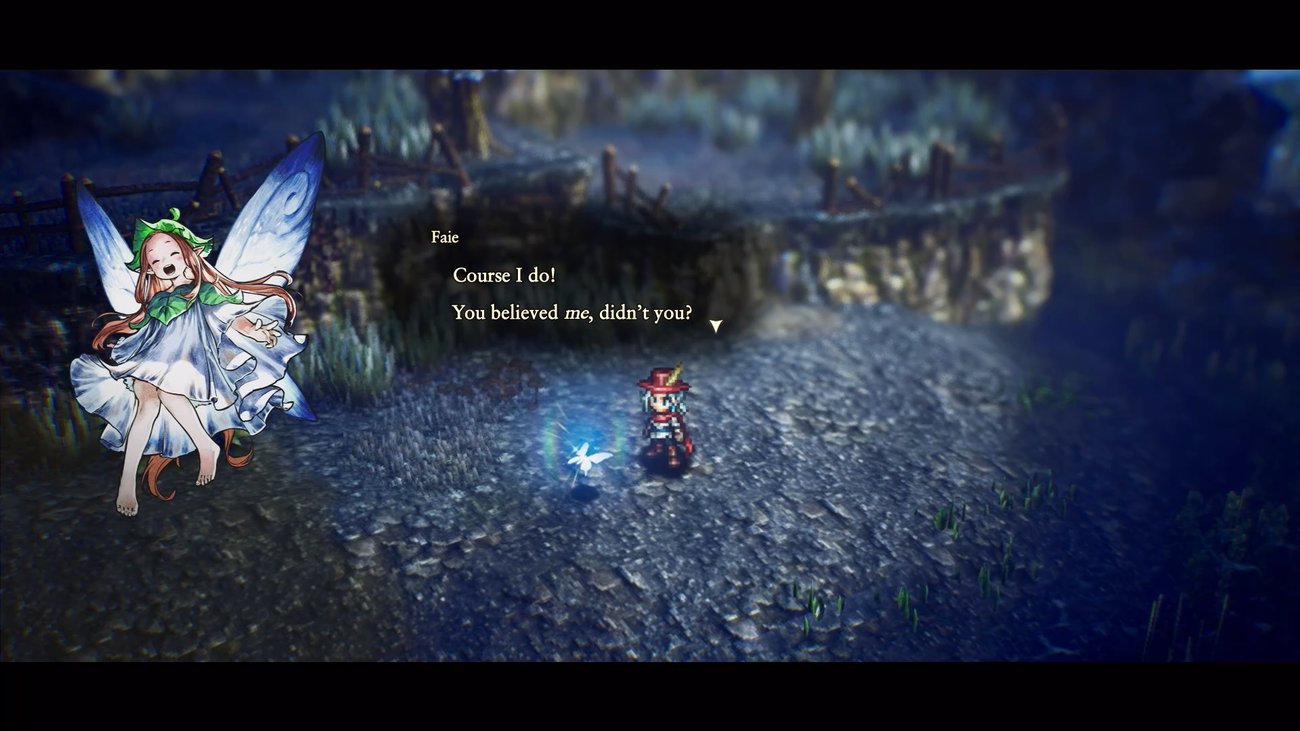
Elliot is not alone in his quest; he is accompanied by Faie, his fairy sidekick, who possesses a unique set of abilities that are crucial for both combat and puzzle-solving. Faie can illuminate dark spaces with her torch-lighting skill, warp Elliot across vast gaps, and even create an illusory double of Elliot to aid in tactical situations. While Faie’s penchant for chatter has been noted (and humorously addressed with an in-game option to reduce her dialogue), her contributions are invaluable, offering strategic depth and utility that complements Elliot’s physical prowess.
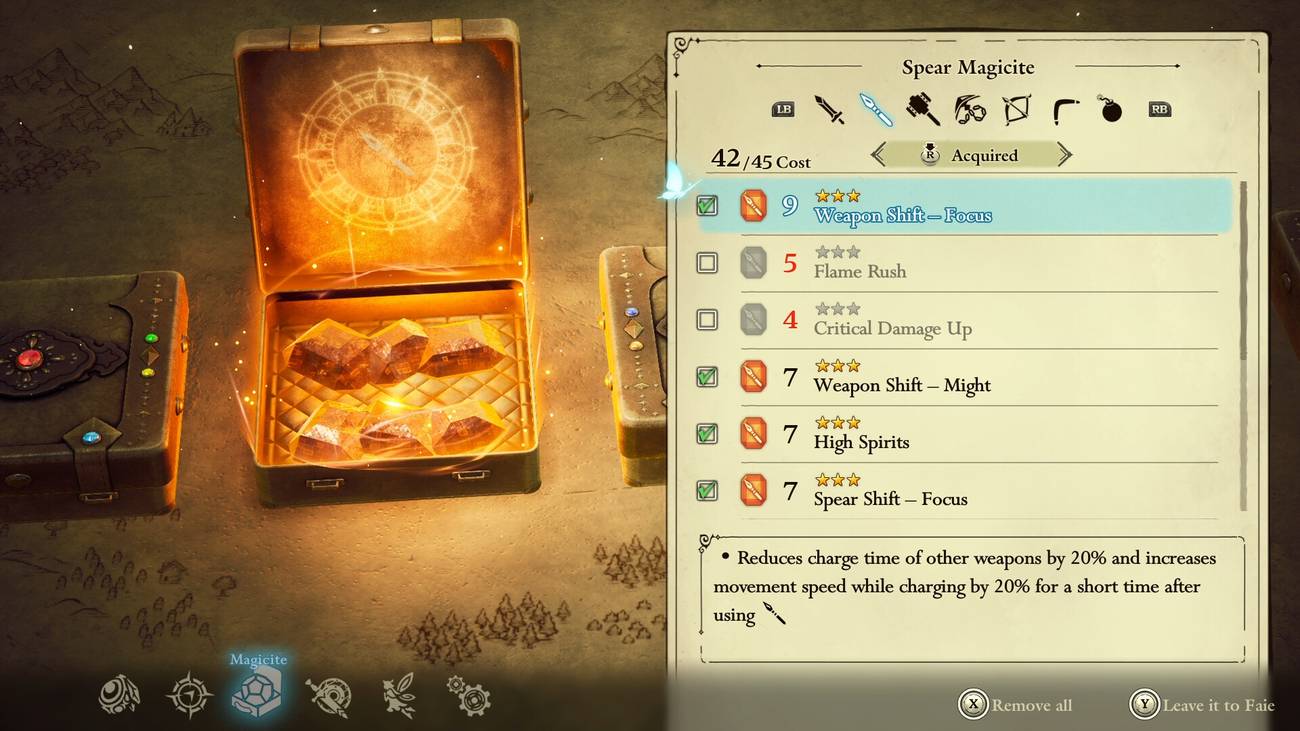
Combat customization is further enhanced by the "magicite" system. Players can discover and equip magicite shards to their weapons, creating randomly generated accessories that boost stats or alter abilities. This system allows for significant strategic depth, enabling players to fine-tune their loadouts to suit different combat scenarios. Whether it’s increasing boomerang count, delaying bomb detonations, or adding elemental attributes to weapons, magicite encourages experimentation and rewards creative thinking, ensuring that no two players’ combat styles will be exactly alike.
Chronology: The Road to Release
The journey of "The Adventures of Elliot: The Millennium Tales" to its release on June 18, 2026, is a testament to the evolving landscape of game development and player expectations.
Pre-Announcement Buzz and Development History
While "The Adventures of Elliot" was not a game shrouded in years of cryptic teasers like some AAA titles, its development by Team Asano and Claytechworks generated quiet anticipation among discerning RPG fans. Team Asano, lauded for its work on critically acclaimed turn-based titles like Octopath Traveler and the tactical RPG Triangle Strategy (2022), had cultivated a reputation for crafting games with deep mechanics, engaging narratives, and distinctive art styles. The move into the action RPG subgenre for "Elliot" marked a notable, yet exciting, departure for the team, hinting at a desire to apply their proven design philosophies to a different gameplay paradigm. Whispers of a new "classic-inspired" project from the studio began to circulate in early 2026, building a subtle undercurrent of excitement.
Summer Game Fest 2026 Reveal
The official unveiling of "The Adventures of Elliot" at Summer Game Fest 2026 was strategically timed. Positioned alongside the monumental announcements for Final Fantasy 7 Revelation, Kingdom Hearts 4, and Persona 6, and particularly following the buzz around Final Fantasy Resonance, "Elliot" carved out its own niche. Its trailer, showcasing vibrant HD-2D graphics, fluid action combat, and a charming protagonist, immediately resonated with attendees and viewers. It stood out not by attempting to overshadow the larger titles, but by offering a refreshing alternative – a focused, heartfelt adventure that promised quality over sheer scale. The enthusiastic reception underscored a growing segment of the gaming community yearning for experiences that prioritize tight design and narrative cohesion over expansive, often overwhelming, content.
Pre-Release Demos and Critical Previews
Following its impactful reveal, a limited pre-release demo of "The Adventures of Elliot" was made available to select press and content creators. These early impressions solidified the game’s appeal, highlighting its intuitive controls, clever puzzle design, and engaging boss encounters. Previews consistently praised the game’s ability to capture the essence of its classic inspirations while offering modern conveniences. The dialogue surrounding Faie’s talkativeness also emerged during this period, demonstrating the game’s distinct personality and the developers’ willingness to address player feedback even before launch, by including an option to mitigate her chatter. This transparency and responsiveness further endeared the game to a burgeoning fanbase.

Launch and Immediate Reception (June 18, 2026)
Set to launch on June 18, 2026, across Nintendo Switch 2, PlayStation 5, Windows PC, and Xbox Series X, "The Adventures of Elliot" is poised to capitalize on its positive pre-release momentum. The multi-platform release ensures a wide audience can access this charming adventure, a strategic move by Square Enix to maximize its reach. Initial player feedback, following the review period, suggests a strong reception, particularly from those seeking a satisfying RPG experience that doesn’t demand hundreds of hours or an encyclopedic knowledge of lore. The consensus points to a game that delivers on its promise of nostalgic charm and modern playability, cementing its place as a standout title of the year.
Supporting Data: The Case for "Mid-Sized" Gaming
"The Adventures of Elliot" doesn’t merely exist within the current gaming ecosystem; it actively contributes to a significant shift in player preferences and industry trends, championing the "mid-sized" experience.
Industry Trends: Beyond AAA Bloat
For years, the gaming industry has been characterized by an escalating "arms race" for scale. Developers poured vast resources into creating gargantuan open worlds, endless side quests, and live-service models designed to keep players engaged indefinitely. While these titles often deliver breathtaking experiences, they can also lead to player fatigue, a sense of overwhelming obligation, and a lack of true completion. Many players now report feeling burnt out by games that demand hundreds of hours to see their credits roll, or that constantly push new content updates.
"The Adventures of Elliot" offers a potent antidote to this "AAA bloat." Its 25-hour runtime is a deliberate design choice, allowing for a focused, curated experience where every element feels purposeful. This aligns with a growing desire among players for "comfort games" – titles that offer a complete, satisfying journey without the commitment of a second job. The sentiment "more isn’t always more" perfectly encapsulates the appeal of "Elliot," demonstrating that depth and enjoyment can be found in conciseness, not just expansiveness.
The HD-2D Phenomenon and Niche Appeal
The success of titles like Octopath Traveler and the excitement around Final Fantasy Resonance underscore the enduring appeal of the HD-2D graphical style. This aesthetic, which blends meticulously crafted pixel art characters and environments with modern lighting, depth-of-field effects, and dynamic camera angles, offers a powerful blend of nostalgia and contemporary polish. It taps into the visual language of classic RPGs while leveraging current hardware capabilities to create something visually fresh and distinct.
"The Adventures of Elliot," with its own vibrant storybook aesthetic, slots perfectly into this "HD-2D phenomenon." It caters to a significant niche: players who fondly remember the visual charm of 16-bit and 32-bit games but appreciate the clarity and fidelity that modern technology affords. This style is not just a visual gimmick; it’s a statement about valuing art direction and atmosphere over hyper-realism, creating a unique identity that helps "Elliot" stand out amidst a sea of graphically intensive blockbusters. Its action RPG gameplay within this framework further diversifies the HD-2D portfolio, proving the versatility of the style beyond turn-based combat.
Comparative Analysis: Echoes of Classics
The comparisons to Secret of Mana and The Legend of Zelda: A Link to the Past are not made lightly; they speak to the core design philosophy of "The Adventures of Elliot." Like these revered classics, "Elliot" foregoes an experience-based progression system, meaning random encounters are generally less about grinding for levels and more about engaging with the environment. This design choice shifts the focus from stat accumulation to strategic thinking, particularly during boss battles.
The game encourages players to experiment with their entire toolkit and Faie’s abilities, rather than relying on a single powerful attack. Boss encounters are designed as puzzles themselves, requiring players to identify vulnerabilities and creatively apply their skills – deflecting attacks with a shield, exploiting elemental weaknesses with Faie’s torch, or confusing enemies with an illusory double. This emphasis on player skill and creative problem-solving over raw power is a hallmark of the games that inspired "Elliot," offering a challenging yet rewarding combat experience that rewards ingenuity. The lack of an XP grind also means players are more likely to engage with the world and its puzzles for their inherent enjoyment, rather than as a means to an end.
Official Responses: The Developers’ Vision
The success and unique appeal of "The Adventures of Elliot" are deeply rooted in the vision of its developers, Team Asano and Claytechworks, and the broader strategy of its publisher, Square Enix.
Team Asano’s Design Philosophy
Team Asano has consistently demonstrated a commitment to crafting focused, high-quality RPG experiences. Their previous successes with Octopath Traveler and Triangle Strategy showcased a dedication to robust mechanics, compelling narratives, and distinct artistic styles. "The Adventures of Elliot" marks their first foray into the action RPG genre, a notable shift from their established turn-based and tactical roots. This move, however, appears to be a natural extension of their core design philosophy: to create games that are tightly paced, mechanically varied, and broadly approachable without sacrificing depth.
The game’s design, which emphasizes exploration, puzzle-solving, and strategic combat over endless grinding, reflects a conscious choice to deliver a fulfilling experience within a manageable scope. Even the decision to include an option to reduce Faie’s dialogue, while seemingly minor, speaks volumes about the team’s responsiveness to player feedback and their commitment to ensuring a smooth and enjoyable experience for all. It underscores a philosophy that prioritizes player agency and comfort, allowing players to tailor aspects of the game to their liking. This meticulous attention to player experience is a hallmark of Team Asano’s work, ensuring that "Elliot" feels both lovingly crafted and thoughtfully designed.
Square Enix’s Strategy for Diverse Portfolios
For a major publisher like Square Enix, known globally for its colossal franchises like Final Fantasy and Kingdom Hearts, investing in titles like "The Adventures of Elliot" represents a crucial strategic diversification. While the company continues to develop and promote its tentpole AAA releases, it also recognizes the importance of nurturing smaller, innovative projects that cater to different market segments and creative visions.
"The Adventures of Elliot" fits perfectly into this strategy by offering a distinct alternative to the publisher’s more epic, narrative-heavy offerings. It allows Square Enix to tap into the growing demand for nostalgic, mid-sized experiences without cannibalizing its larger franchises. By supporting Team Asano’s foray into action RPGs and embracing the HD-2D aesthetic, Square Enix demonstrates a willingness to experiment and back projects that, while not having the same budget or marketing as a Final Fantasy title, still possess significant artistic merit and commercial potential. This balanced portfolio approach ensures that Square Enix can appeal to a broader spectrum of gamers, from those seeking grand, sprawling sagas to those yearning for focused, charming adventures. It highlights an understanding that a healthy gaming ecosystem thrives on variety and innovation at all scales.
Implications: What "Elliot" Means for the Future of Gaming
"The Adventures of Elliot: The Millennium Tales" is more than just a well-received game; it carries significant implications for how players and developers might perceive and shape the future of interactive entertainment.
Redefining RPG Expectations
"The Adventures of Elliot" challenges the prevailing notion that an RPG’s value is directly proportional to its length or the sheer volume of its content. By offering a compact, 25-hour adventure that feels complete and deeply satisfying, it argues for a re-evaluation of what constitutes a "full" RPG experience. In an era where many players struggle to finish games due to time constraints or fatigue from endless grind, "Elliot" presents a compelling case for quality over quantity.
This game could inspire a new wave of RPGs that prioritize tight pacing, focused narratives, and meaningful mechanics over expansive, often empty, open worlds. It suggests that a more curated, intense experience, where every puzzle, boss fight, and story beat feels purposeful, can be far more memorable and impactful than a sprawling saga that eventually wears out its welcome. "Elliot" demonstrates that true value lies in the depth of engagement and the emotional resonance of the journey, not just the number of hours clocked.
The Enduring Appeal of Nostalgia and Innovation
The success of "Elliot" reinforces the powerful allure of nostalgia, particularly when it’s blended with thoughtful innovation. It’s not simply a retro clone; it’s a game that understands the core appeal of SNES and PS1-era classics – their sense of wonder, clever design, and accessible mechanics – and enhances them with modern sensibilities and graphical polish. The HD-2D aesthetic, for instance, is a perfect example of this synthesis, offering a familiar yet fresh visual experience.
This blending of old and new provides a blueprint for future game development. It suggests that developers don’t need to reinvent the wheel to create compelling experiences; sometimes, a deep understanding of what made classic games great, combined with contemporary design principles and technological capabilities, can yield truly exceptional results. "Elliot" proves that the "retro-inspired" genre still has immense untapped potential for evolution, moving beyond simple imitation to genuine innovation.
A Blueprint for Accessible Adventure
One of "The Adventures of Elliot’s" most significant implications is its role as a blueprint for accessible adventure. The game’s design prioritizes player convenience and comfort, making it incredibly easy to pick up and play. Features like its generous fast-travel system, both within and outside dungeons, mitigate potential frustrations often associated with revisiting locations or retracing steps. Faie’s prompts, indicating when there’s nothing left to find in an area, further streamline the experience, preventing wasted time and unnecessary confusion.
This accessibility extends to its structure, allowing for meaningful progress even in shorter play sessions. Unlike massive open-world games that often require dedicated blocks of time, "Elliot" can be enjoyed in 30-minute bursts, making it ideal for players with busy schedules or those who prefer bite-sized gaming. This "easy to pick up and hard to put down" quality makes it an attractive option for a broad audience, including those who might feel overwhelmed or alienated by the sheer demands of current AAA titles. "Elliot" showcases how thoughtful design can make a deep and engaging RPG experience welcoming to everyone.
Conclusion: A Bright Future for Compact Adventures
"The Adventures of Elliot: The Millennium Tales" stands as a vibrant testament to the enduring power of well-crafted, focused gaming experiences. In a week brimming with colossal announcements, Elliot’s earnest charm, tight design, and nostalgic yet fresh approach cut through the noise, capturing the hearts of critics and players alike. It is a game that doesn’t strive for revolutionary scale but instead perfects the art of the compact adventure, delivering a narrative that feels both grand and intimate within its manageable 25-hour runtime.
While the game’s time-travel mechanics could have offered deeper interactive consequences, this minor quibble is easily overshadowed by its numerous strengths: engaging action combat, clever puzzles, a genuinely endearing protagonist, and a world brimming with storybook wonder. For those with fond memories of Secret of Mana or A Link to the Past, or simply for anyone craving a satisfying, complete RPG experience that respects their time and offers pure, unadulterated joy, "The Adventures of Elliot" is an unreserved triumph. It not only delivers a fantastic adventure but also reaffirms a vital truth in the gaming world: sometimes, less truly is more.
The Adventures of Elliot comes to Nintendo Switch 2, PlayStation 5, Windows PC, and Xbox Series X on June 18. The game was reviewed on Switch 2 using a prerelease download code provided by Square Enix. You can find additional information about Polygon’s ethics policy here.


 Lina Irawan
 Sagoh
Sagoh