

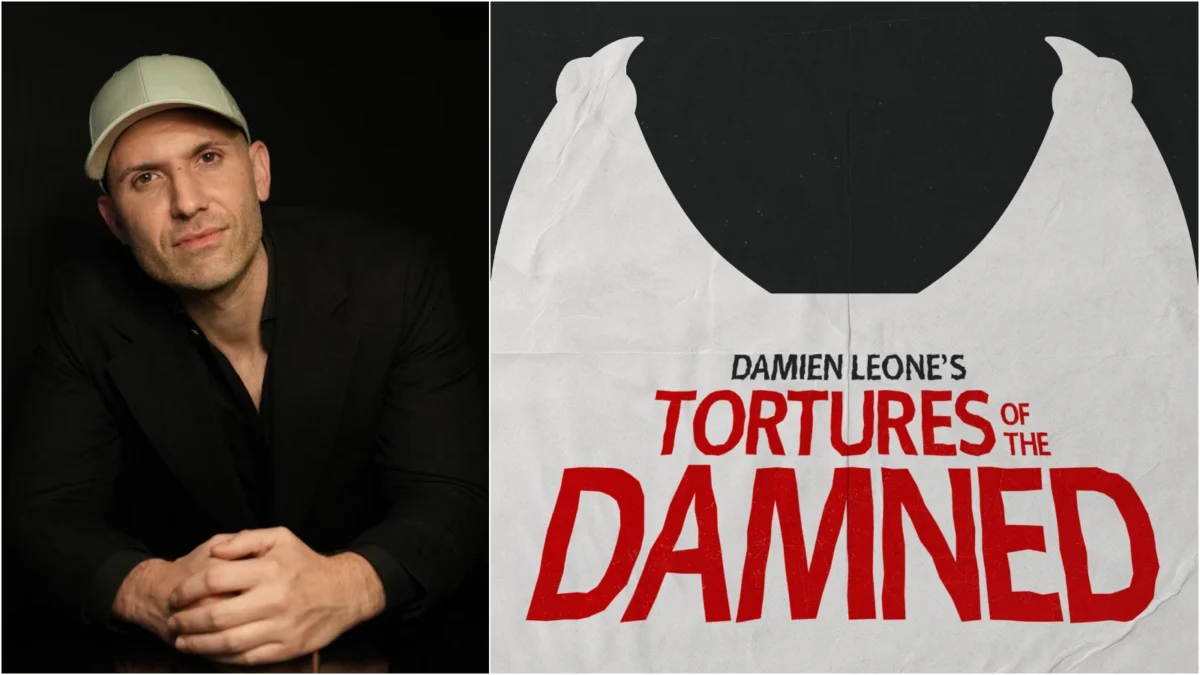
In a significant industry development that highlights the shifting power dynamics of the modern horror landscape, Damien Leone—the visionary director who transformed the Terrifier franchise from a low-budget passion project into a global box-office juggernaut—has officially inked a deal with Lionsgate. This new partnership marks a major milestone for the filmmaker, who will step away from the blood-soaked streets of Miles County to helm an original horror project titled Tortures of the Damned.
Crucially, this deal sees Leone collaborating with none other than horror royalty Sam Raimi. While the Terrifier series remains a staple of independent, unrated horror, this transition to a major studio environment signals a new chapter for both Leone and the genre itself, which has increasingly become the bedrock of theatrical profitability in a volatile cinema market.
The Genesis of a New Nightmare
The partnership, announced this week, will see Leone writing, directing, and producing Tortures of the Damned. While specific plot details are currently being kept under tight wraps, the project is expected to carry the same visceral, uncompromising DNA that has defined Leone’s career thus far.
Lionsgate has confirmed that this collaboration will commence once Leone concludes his work on Terrifier 4, which is currently in the pre-production phase. For fans of the franchise, this ensures that Art the Clown’s reign of terror is far from over, even as Leone expands his creative horizons with the backing of a major studio.
The production team behind Tortures of the Damned is formidable. Raimi and his longtime producing partner Rob Tapert will oversee the project through their renowned Ghost House label. On the studio side, Lionsgate executives Scott O’Brien and Pavan Kalidindi are set to spearhead development, while Romel Adam and Jose Cañas will represent Ghost House’s interests, serving as executive producers.
A Chronology of the ‘Terrifier’ Phenomenon
To understand why a major studio like Lionsgate is betting on a filmmaker known for ultra-gory, unrated slashers, one must look at the meteoric, often unprecedented trajectory of the Terrifier brand.

- 2016: The Humble Beginning: The original Terrifier was released with a limited footprint, making little immediate impact on the mainstream market. It was a cult film in the truest sense—a gritty, independent effort that found its audience primarily through word-of-mouth and home media.
- 2022: The Paradigm Shift: The release of Terrifier 2 proved to be a watershed moment. Produced by Cineverse with an incredibly lean marketing budget, the film defied all conventional logic. It bypassed traditional blockbuster marketing channels and relied on the fervor of a burgeoning digital fanbase. It went on to gross $15.8 million worldwide, proving that a high-intensity, unrated slasher could dominate the conversation during the October theatrical window.
- 2024: Global Domination: With the release of Terrifier 3, the franchise firmly cemented itself as a cultural phenomenon. The film shattered expectations, grossing $90 million worldwide. This figure is staggering, particularly for an unrated production that relies on practical effects and a "no-holds-barred" approach to violence that typically alienates major distributors.
The Ethics and Challenges of the ‘Unrated’ Auteur
Damien Leone’s rise has not been without its share of controversy. The Terrifier films are defined by extreme, often sexualized violence, a stylistic choice that has sparked heated debates regarding the depiction of women in horror.
In an interview with IndieWire in October 2024, Leone addressed these criticisms directly. He defended his work by pointing to the character of Sienna Shaw, portrayed by Lauren LaVera, whom he characterizes as a resilient and empowering "final girl." Leone argues that the extreme nature of the villains in his films serves to highlight the strength of his protagonists, rather than demean them.
However, the discourse surrounding the franchise has also entered the legal arena. Recent reports have highlighted a breach-of-contract lawsuit filed against Leone by some of the actresses who have appeared in the franchise, alongside various disputes involving production staff and creative contributors. As Leone moves into the studio system, these organizational and legal challenges will likely be subject to a much higher level of scrutiny than they faced during his independent years.
Official Responses and Strategic Implications
For Lionsgate, the decision to bring Leone into the fold is a calculated move to capitalize on his unique brand of audience engagement. Erin Westerman, president of the Lionsgate Motion Picture Group, expressed immense enthusiasm regarding the partnership in a formal statement:
"We’re incredibly proud and excited to be partnering with Damien Leone on his first original film after the beloved Terrifier series. I join the huge contingency of horror fans—and Damien fans—inside Lionsgate who have been following his work and cheering him on. Damien is a true genre auteur with a singular vision, and we’re thrilled to help bring this bold new project to the screen while continuing to build on the incredible connection he has with fans around the world."
The strategic logic here is clear: Lionsgate is looking to leverage Leone’s proven ability to turn a dedicated online following into actual ticket sales. By providing him with a wider platform and the resources of Ghost House, they are effectively betting that his "singular vision" can scale up without losing the edge that made it successful in the first place.

The Role of the Ghost House Legacy
The involvement of Sam Raimi adds a layer of prestige and technical expertise that could prove transformative for Leone. Raimi, who revolutionized the genre with The Evil Dead and has since become a titan of both independent and blockbuster horror, is currently busy with his own directorial projects, including the thriller Send Help and a remake of the classic horror film Magic.
Raimi’s participation suggests that the studio is treating Tortures of the Damned as a priority intellectual property. For Leone, the mentorship and institutional support of a veteran like Raimi could provide the professional structure needed to navigate the demands of a larger, more complex production schedule.
Future Outlook: The Intersection of Art and Commerce
The transition of a director from the fringes of the indie horror scene to the center of a major studio’s slate is rare, especially when that director’s primary output consists of films that refuse the MPA rating system. Usually, such films are considered "unreleasable" by traditional studio standards.
However, the success of the Terrifier franchise has proven that there is a massive, underserved demographic of horror fans who are tired of the sanitized, PG-13, or soft-R horror that has dominated multiplexes for the last decade. Lionsgate is essentially betting that this audience is large enough to sustain a more "elevated" or at least more "extreme" tier of studio-backed cinema.
As Terrifier 4 moves through pre-production, all eyes will be on how Leone balances his commitment to his independent roots with the professional requirements of his new studio partners. If Tortures of the Damned succeeds, it could set a new precedent for how indie horror filmmakers are integrated into the Hollywood ecosystem. If it struggles, it may serve as a reminder that the "indie spirit" of the Terrifier franchise is intrinsically tied to its independence.
For now, the industry watches with baited breath. Leone has successfully weaponized the horror genre against the traditional gatekeepers of cinema, and in a twist that would feel right at home in a horror screenplay, those very gatekeepers have now handed him the keys to the kingdom. Whether he chooses to burn the house down or build a new foundation, Damien Leone has undoubtedly secured his place as one of the most influential figures in contemporary horror.











No comments yet. Be the first to join the conversation!