Asep Darmawan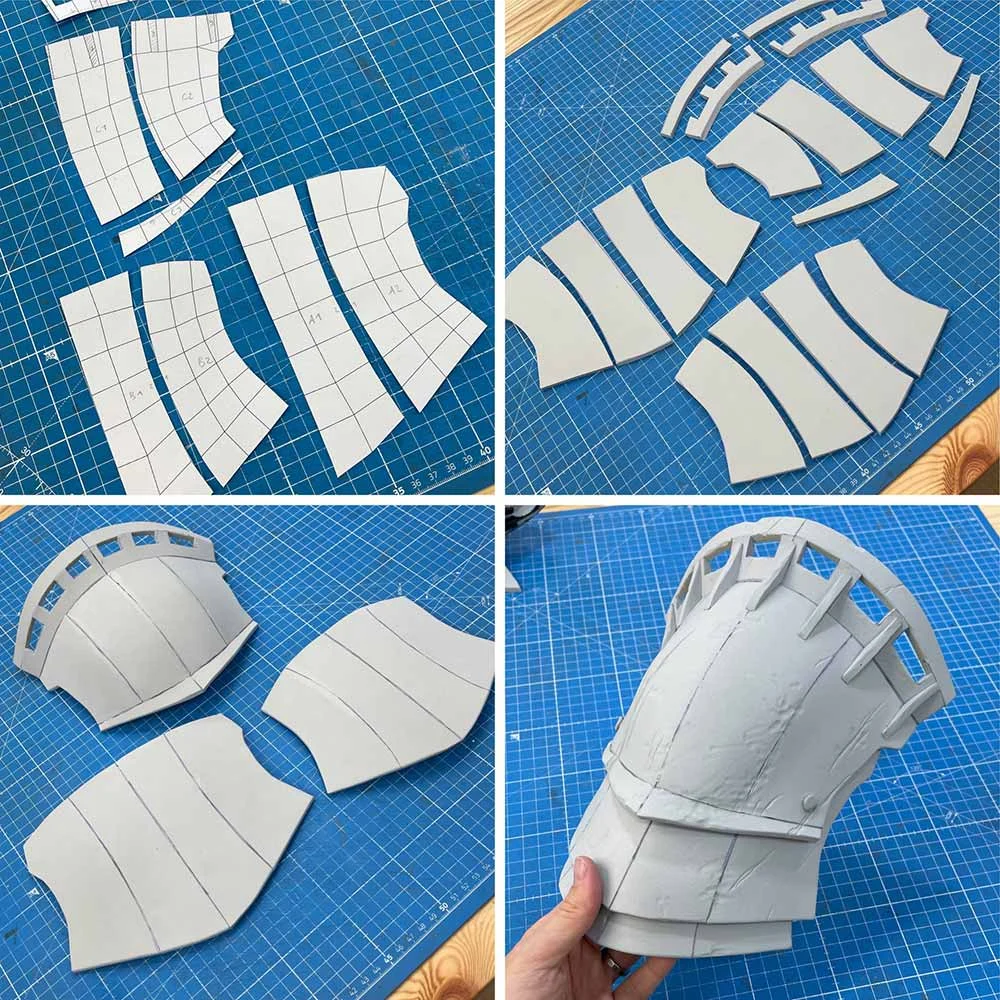
Main Facts: A Collaboration of Craft and Chaos
When Gearbox and Gunfire Games approached the renowned cosplay duo Kamui Cosplay to celebrate the launch of Remnant II, the objective was clear: bring the game’s gritty, post-apocalyptic aesthetic to life. The result was a stunning, high-fidelity reproduction of the "Gunslinger"—the game’s signature DPS-heavy, cowboy-inspired archetype.
The project served as a masterclass in hybrid craftsmanship, blending traditional sewing, high-tech 3D modeling, and advanced electronics integration. The centerpiece of the build was the "Merciless Blaster," a complex, organic-looking weapon characterized by pulsating demon eyes and vine-like geometry. This collaboration highlights the growing bridge between digital game development and the physical artistry of the global cosplay community, proving that even the most fantastical designs are achievable through a combination of engineering, artistic vision, and modern fabrication techniques.

Chronology: The Evolution of a Build
Phase 1: Planning and Prototyping
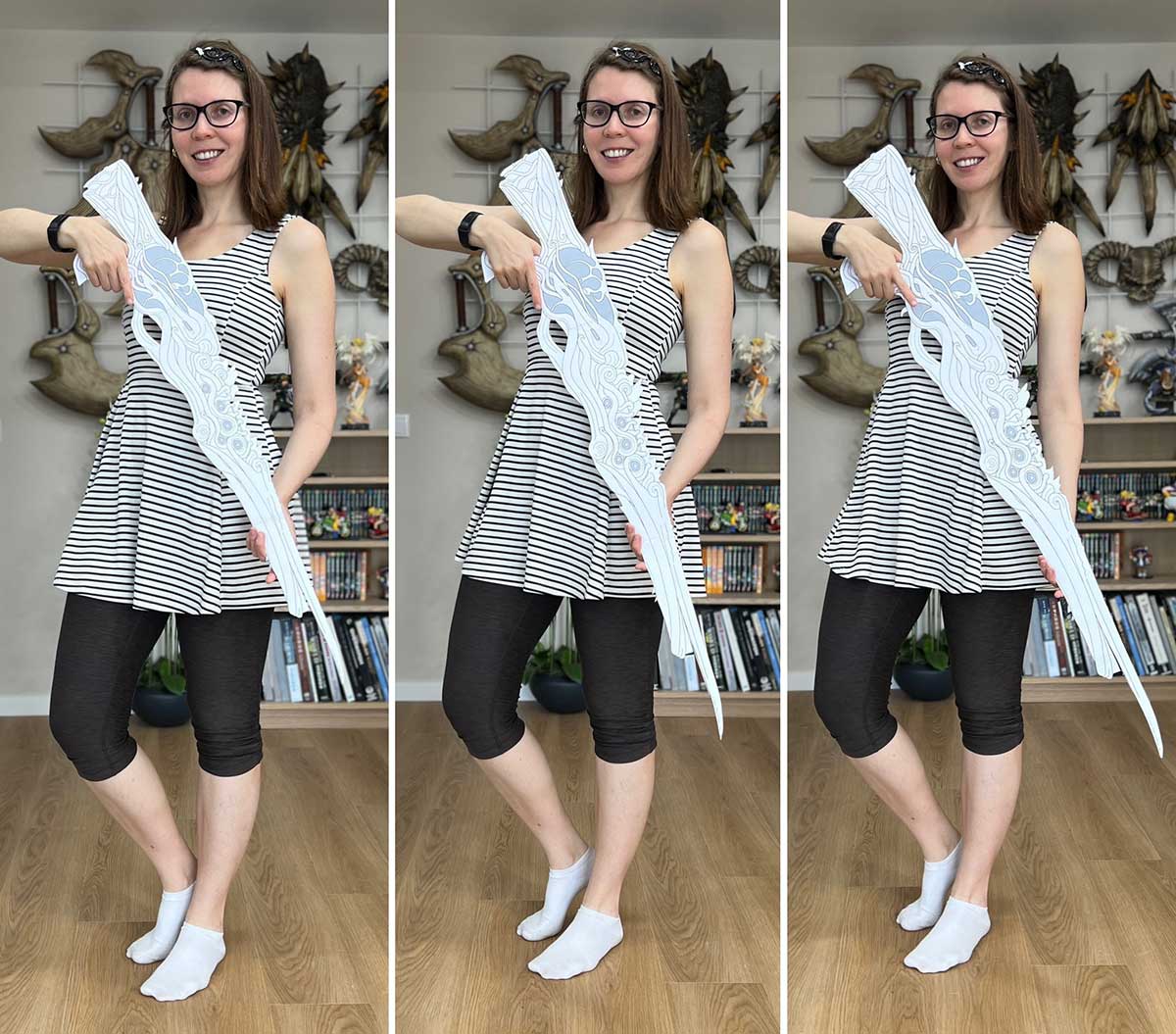
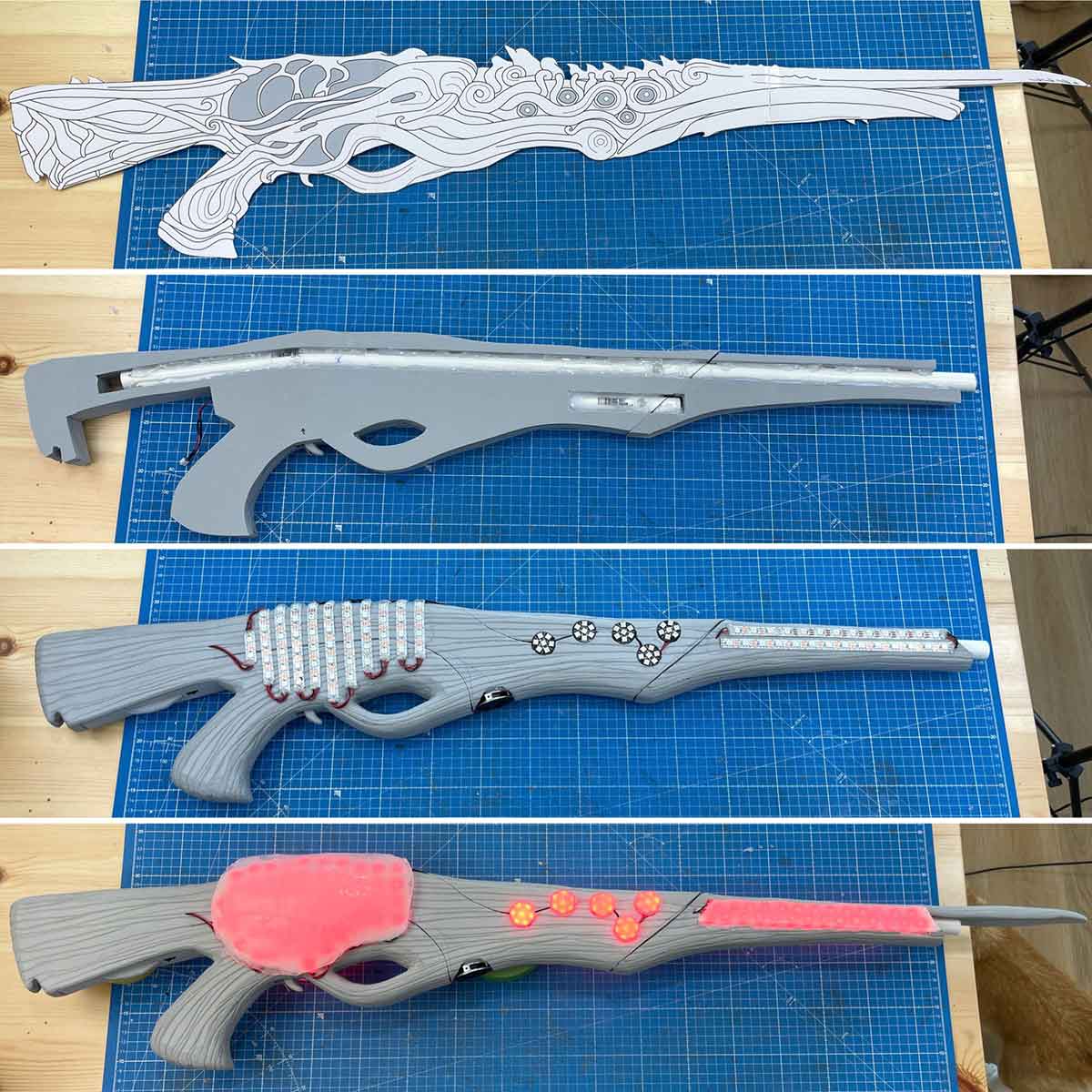
The journey began with an intensive research phase to capture the unique silhouette of the Gunslinger. Recognizing that visual estimation often leads to skewed proportions, the team utilized a systematic approach. Husband and partner, Benni, drafted detailed blueprints, which were then printed as three-dimensional paper "dummies" of varying scales. This allowed for precise calibration of the weapon’s size against the human frame before a single piece of foam was cut.
Phase 2: Building the Merciless Blaster
The construction of the Merciless Blaster relied on a sturdy internal skeleton of non-plasticized PVC pipe, which was heat-formed to match the weapon’s ergonomic curvature. Once the core was established, high-density EVA foam was layered to build up the thickness.
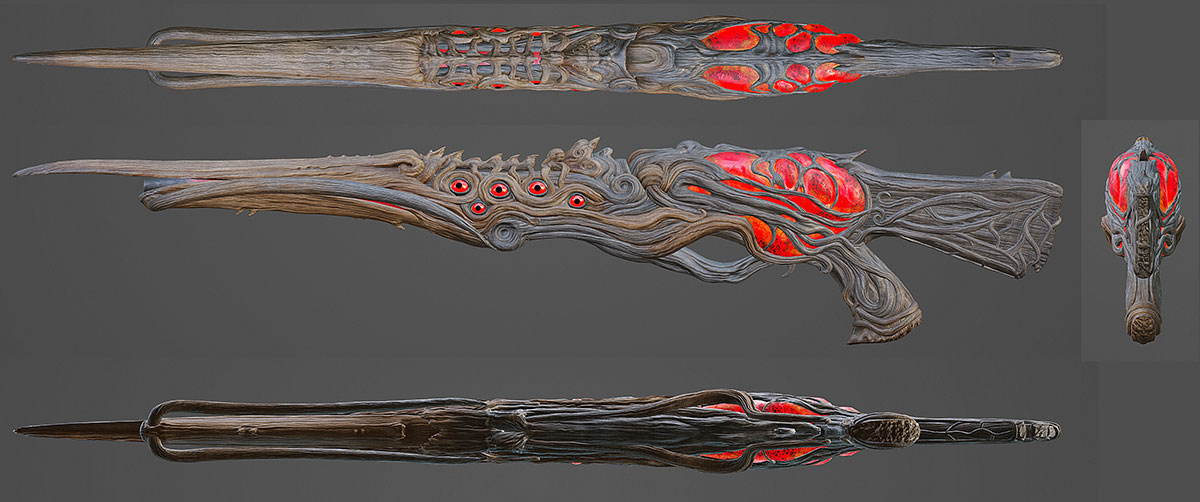
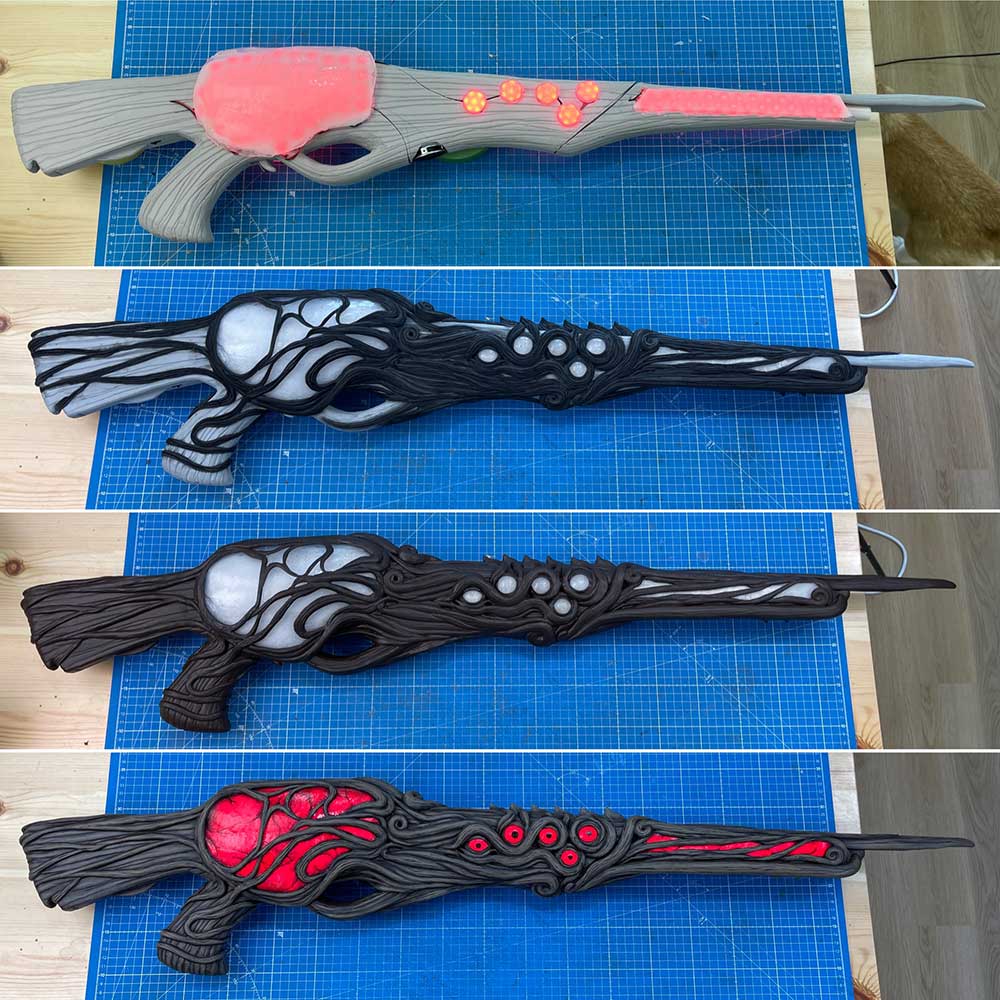
The project’s most ambitious technical feature was the integration of addressable RGB LED strips. The team selected 60-LED-per-meter strips, identified as the "sweet spot" for balancing visual intensity with power efficiency. The electronics were programmed to animate the blaster’s ten "eyes," creating a lifelike, pulsing effect. To achieve the diffuse, bioluminescent glow, the team utilized translucent thermoplastic pallets, which perfectly mimicked the weapon’s in-game magical aura.
Phase 3: Sculpting and Surface Detail
The organic, vine-like aesthetic of the blaster required a material capable of intricate molding. The team turned to foam clay, a versatile medium that air-dries to a firm finish, allowing for subsequent sanding and rotary tool detailing. After sculpting the "vines," the blaster was primed with three coats of Flexbond to create a flexible, durable surface before the final paint application.
Phase 4: Costume Assembly and Weathering
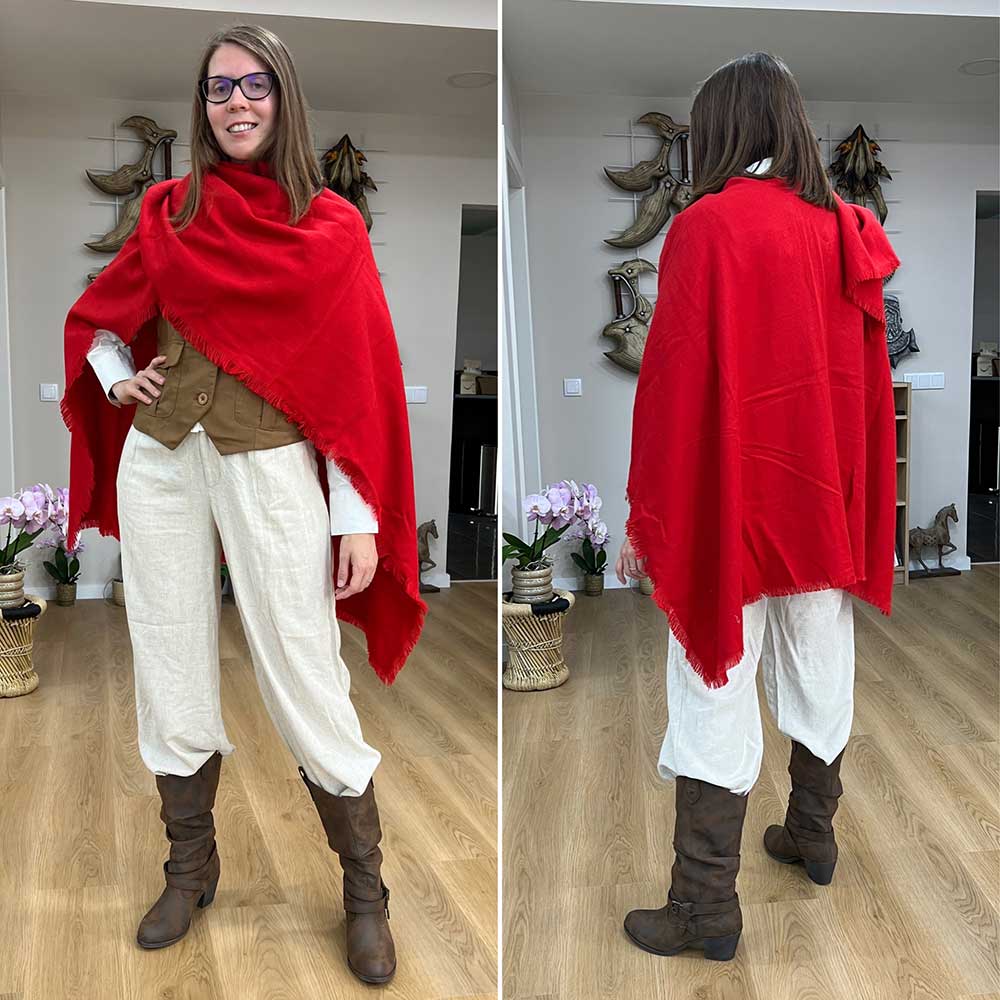
Unlike traditional cosplay, which often involves extensive custom sewing, the Gunslinger costume prioritized "repurposing." The team sourced existing garments—a red poncho, a brown vest, a white blouse, and linen trousers—which were then subjected to an aggressive weathering process. Dyes, acrylic smears, and tactical cuts were used to simulate years of exposure to a hostile, post-apocalyptic environment.
Phase 5: The 3D Armor Pipeline
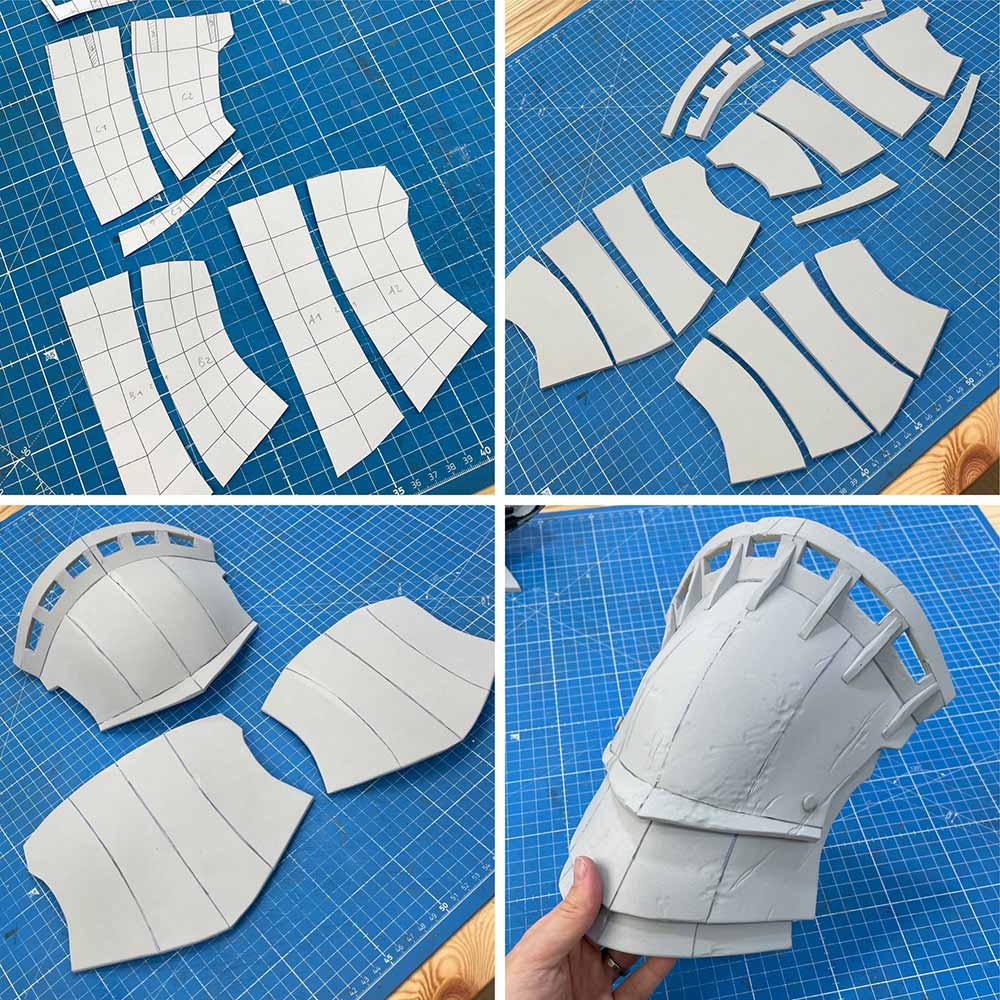
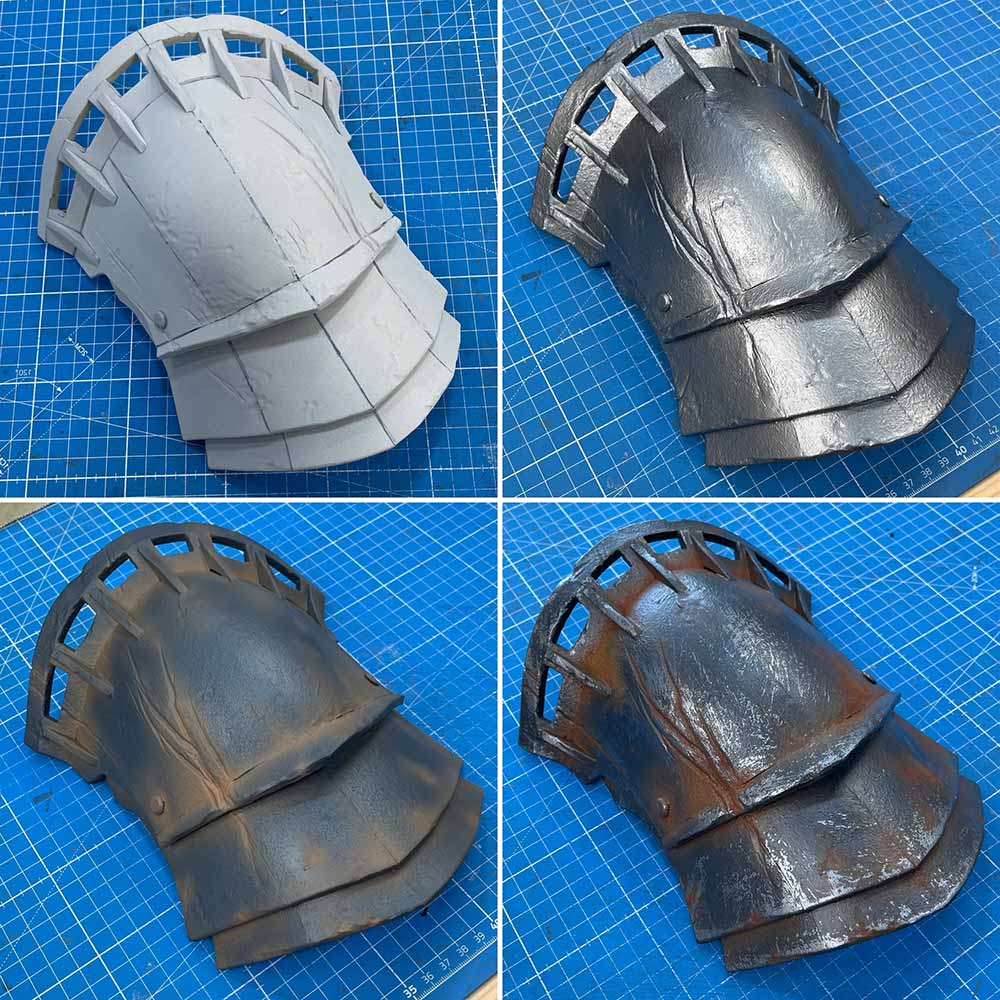
For the armor plating, the team transitioned to digital fabrication. By importing in-game screenshots into the 3D software Blender, Benni generated precise, flat patterns using a technique similar to Pepakura. These digital designs were printed, traced onto black EVA foam, and assembled with contact cement. The final touch involved using a Dremel rotary tool to carve in "battle damage," providing a realistic wear-and-tear aesthetic that sold the illusion of authentic, rusted metal.
Supporting Data: Techniques and Materials
The success of this build relied on a specific suite of professional-grade tools and materials. Key elements included:
- Fabrication: High-density EVA foam (85 kg/m³) was the primary structural material for armor, chosen for its superior heat-retention properties.
- Electronics: Adafruit NeoPixel addressable RGB LED strips were used for the lighting rig, controlled by custom firmware to simulate the weapon’s pulsing heart effect.
- Weathering Chemistry: To avoid the complexity of chemical oxidizing agents, the team developed a "faux-rust" technique using a mixture of brown, orange, and yellow acrylics combined with texture paste.
- Painting: Vallejo airbrush colors provided the necessary range of metallic shades, while a hairspray-resist technique was employed to create the chipped-paint look, allowing for the controlled removal of top-layer paint to reveal a metallic base.
Official Responses and Creative Vision
The partnership between the developers of Remnant II and the cosplay community represents an increasing trend in video game marketing. By commissioning high-end replicas, developers provide fans with a tangible connection to their virtual worlds.
In their making-of documentation, the creators emphasized that the "post-apocalyptic" look is not about perfection, but about the story told through the costume. Every scratch in the foam, every smear of "dirt" on the linen, and every flicker of the LED eyes is a narrative device. The creators noted that, for this specific project, the most satisfying aspect was the "before and after" transition—watching raw, black foam transform into convincing, heavy-duty gear within a matter of hours.
Implications: The Future of Cosplay Fabrication
This project offers several takeaways for the future of hobbyist and professional cosplay:
1. The Democratization of 3D Modeling
The use of Blender to create patterns from in-game assets marks a shift away from physical trial-and-error. By leveraging 3D software, cosplayers can ensure perfect fit and symmetry, effectively bypassing the limitations of paper-based prototyping. This technique is becoming the gold standard for high-accuracy cosplay.
2. Hybridization of Media
The Gunslinger build demonstrates that the most effective costumes are often those that mix high-tech fabrication with low-tech scavenging. The combination of 3D-modeled armor and thrifted, dyed clothing creates a level of visual depth that is difficult to achieve when using only one method.
3. Sustainability and Resource Management
The project serves as a case study in efficient resource management. By using 60-LED-per-meter strips rather than higher-density alternatives, the creators successfully optimized battery life and power consumption—a crucial factor for costumes intended to be worn at conventions for extended periods.
4. The Role of "Lost Places" in Photography
The final presentation of the costume was not limited to the workshop; the decision to photograph the Gunslinger at an abandoned fish farm on Madeira demonstrates the importance of environmental context. Selecting a location that mirrors the game’s aesthetic elevates the cosplay from a costume to a piece of visual storytelling, effectively bridging the gap between digital content and real-world photography.
Conclusion
The Remnant II Gunslinger project is more than just a promotional stunt; it is a demonstration of how modern tools like 3D printing, foam clay, and addressable LEDs are pushing the boundaries of what is possible in DIY costuming. As game worlds become more visually complex, the tools required to replicate them have evolved in lockstep, turning every cosplayer into a mix of engineer, sculptor, and historian. Whether through the clever use of faux-rust techniques or the sophisticated integration of electronics, this build serves as an inspiring blueprint for creators looking to bring their favorite digital heroes into the physical realm.

 Siti Muinah
 Azzam Bilal Chamdy