When Gunfire Games and Gearbox Publishing unveiled Remnant II, the gaming world was immediately captivated by the game’s gritty, surreal, and deeply textured post-apocalyptic aesthetic. Among the various character archetypes, the Gunslinger—a high-DPS, Western-inspired survivor—stood out as a masterpiece of design. Recently, professional cosplayer Kamui Cosplay took on the ambitious challenge of bringing this character to life. This project serves as a masterclass in modern prop-making, blending high-tech 3D modeling with traditional fabrication and expert-level weathering techniques.
Main Facts: A Convergence of Craft and Gaming
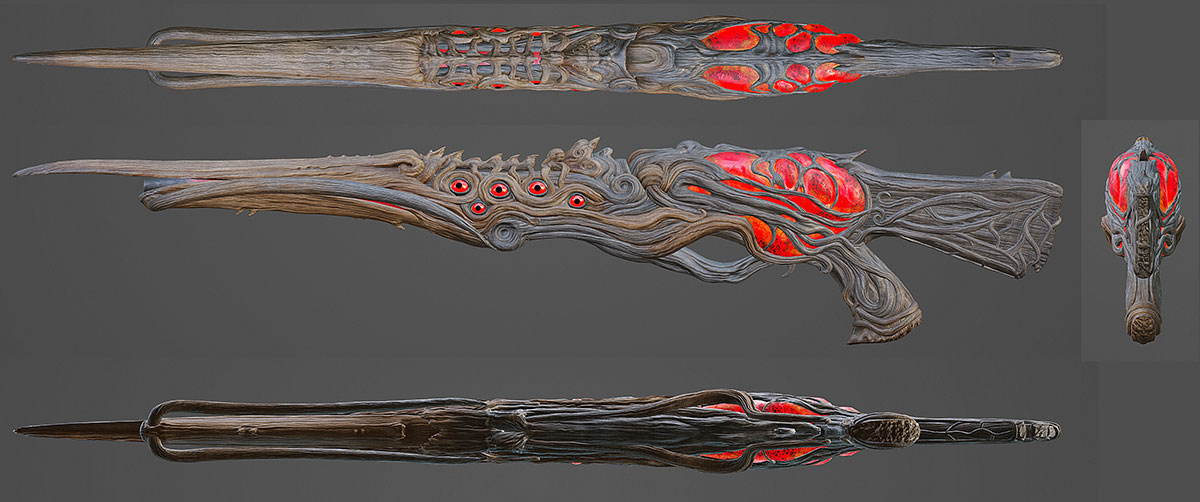
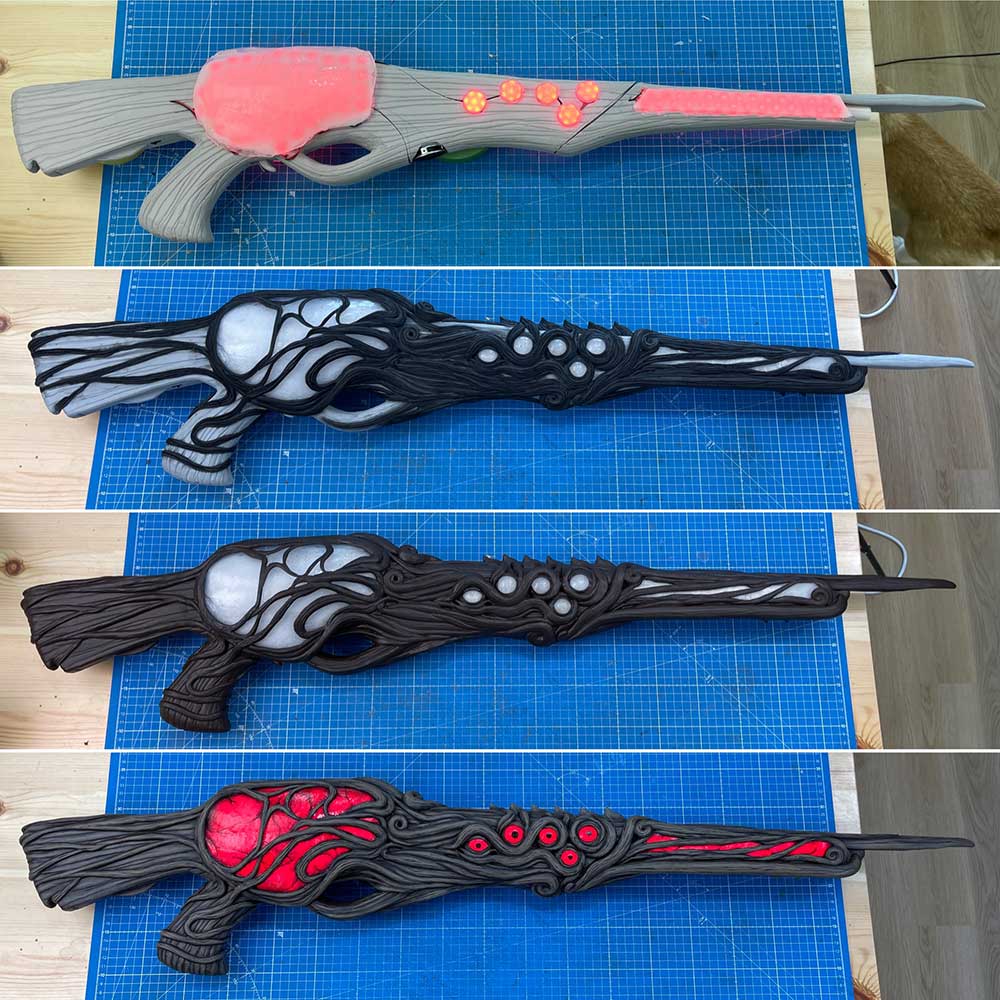
The Remnant II Gunslinger project was not merely a costume build; it was an exercise in technical replication. The centerpiece of the build was the "Merciless Blaster," a weapon defined by its organic, vine-like structure and pulsing, demonic aesthetic. The project utilized a hybrid approach:

- Weapon Fabrication: Built from PVC piping and high-density EVA foam, incorporating complex LED animation.
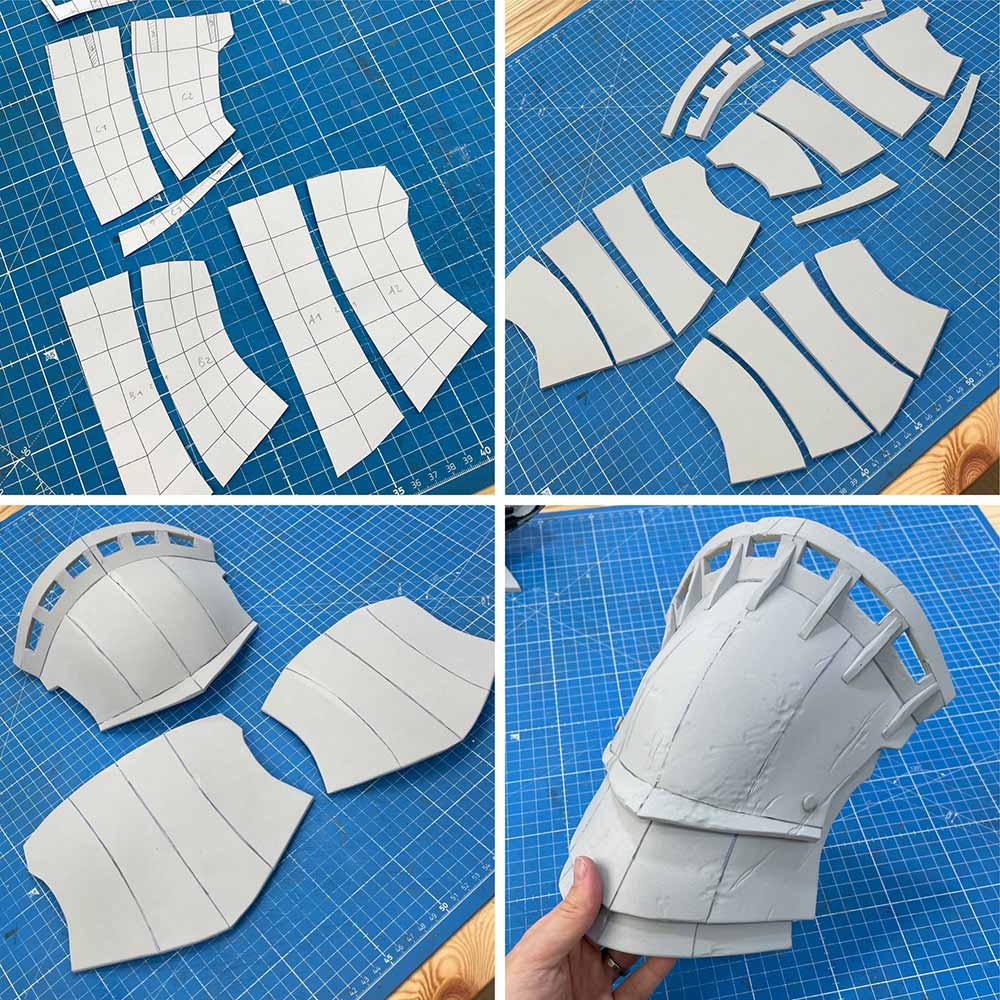
- Armor Construction: Engineered via 3D modeling software (Blender) and converted into physical foam patterns.
- Fabric Manipulation: Eschewing traditional sewing for a "scavenger" aesthetic, the team opted to source and heavily distress existing garments.
- Weathering Techniques: A combination of layered acrylics, hairspray-resist methods, and custom-mixed texture pastes to simulate decades of decay.
Chronology: The Lifecycle of a Build
Phase I: Blueprinting and Weapon Engineering
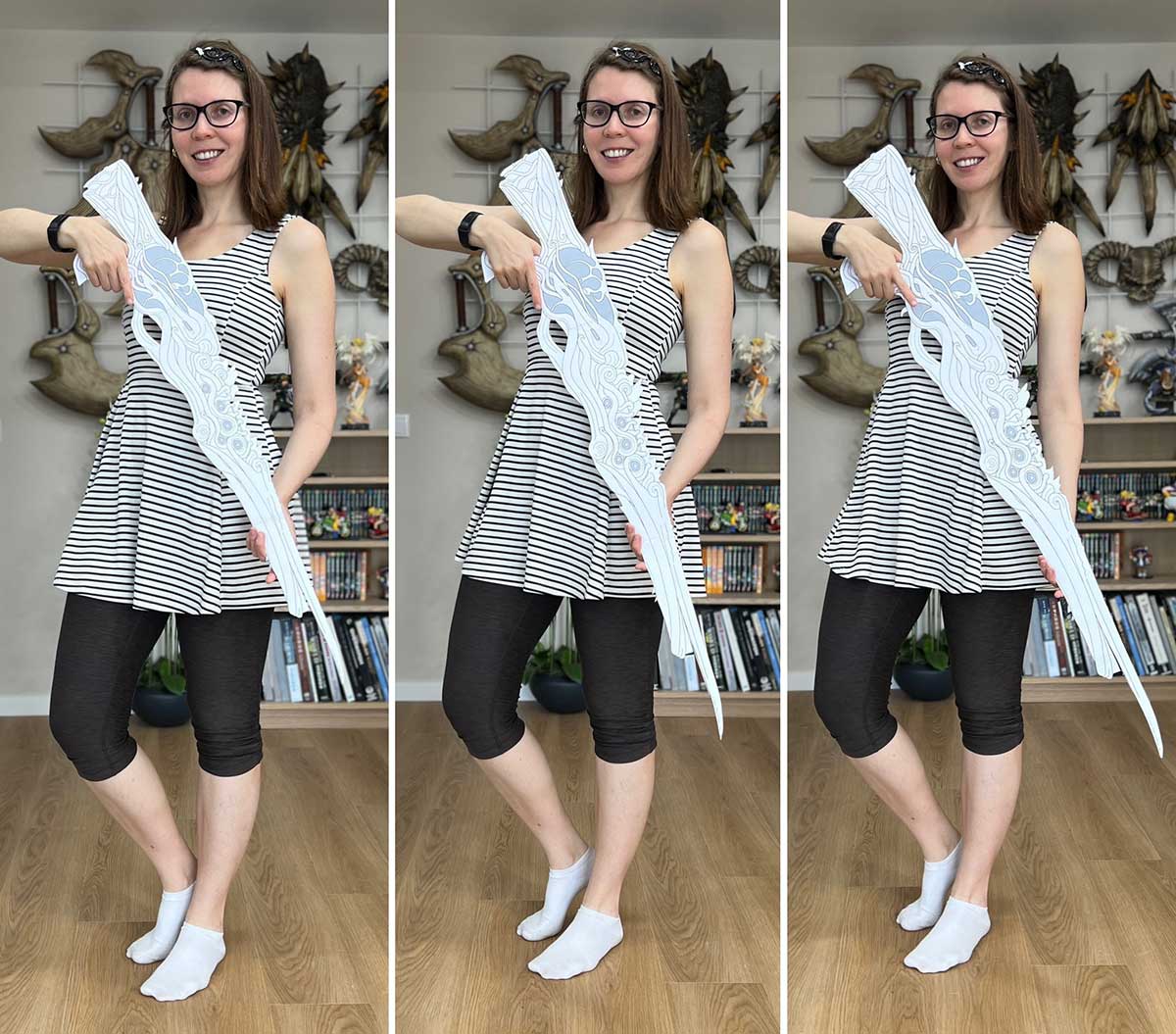
Every great prop begins with scale. The team started by creating three paper dummies at varying scales to determine the ideal proportions of the Merciless Blaster relative to a human silhouette. Once the scale was finalized, Benni, the project’s lead technical designer, drafted a detailed blueprint.
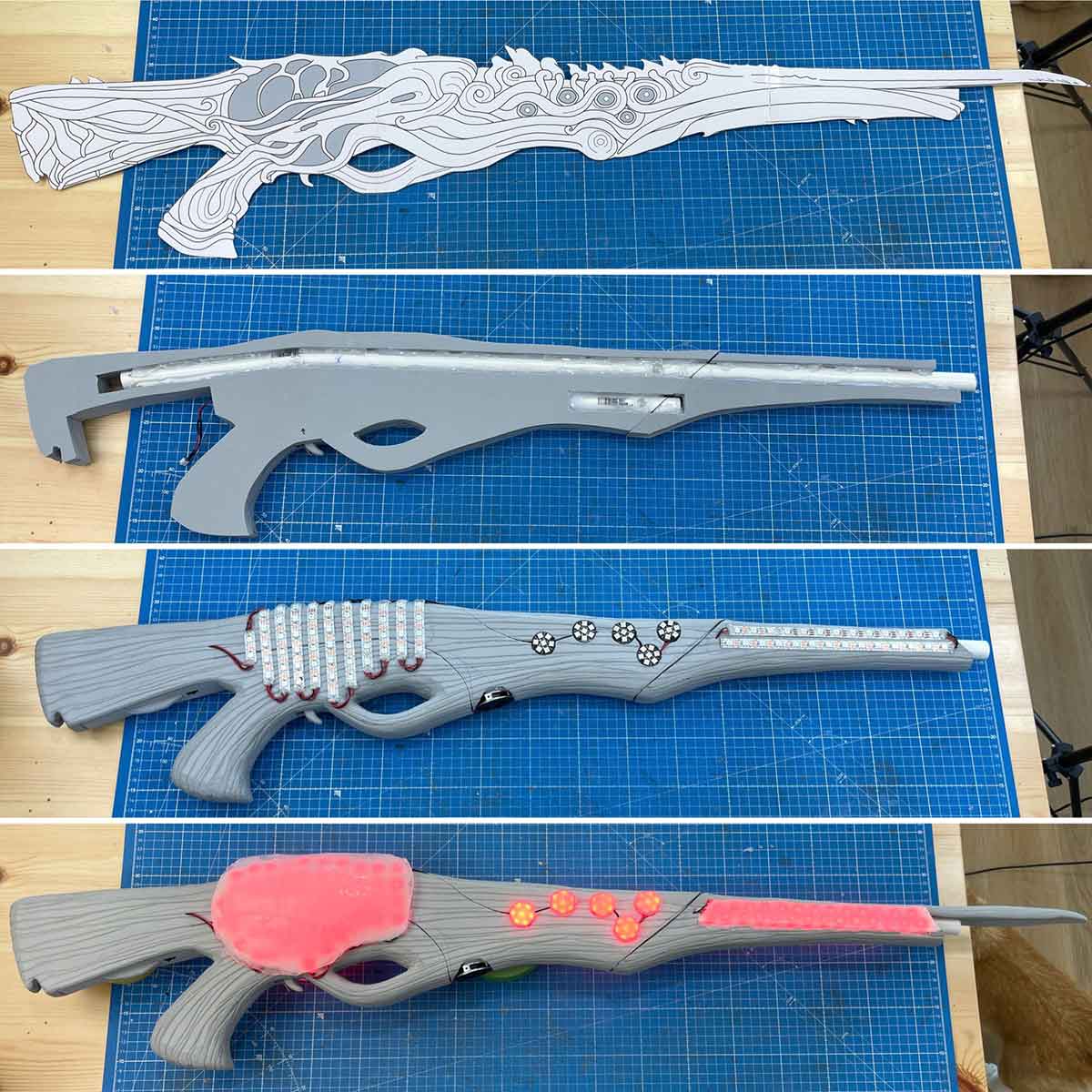
The structural foundation of the blaster was a non-plasticized PVC pipe, heat-shaped to match the weapon’s iconic curve. High-density EVA foam was then layered over the pipe to build volume. The integration of electronics was planned early, as the weapon required a functional trigger mechanism capable of activating both sound and light. Addressable RGB LED strips—specifically chosen for their balance of 60-LED-per-meter density and power efficiency—were embedded throughout the build to create the "pulsing heart" effect, with thermoplastic pellets used as diffusers for the blaster’s ten "eyes."
Phase II: Sculpting the Organic
With the mechanical base set, the team moved to the exterior detailing. Using high-density foam clay, the team sculpted the vine-like protrusions that give the Merciless Blaster its signature silhouette. Foam clay is a revolutionary material in the cosplay industry, allowing for organic, fluid shapes that air-dry into a surface suitable for sanding, rotary tool detailing, and priming. After drying, the piece received three layers of Flexbond primer to ensure the surface was ready for the final paint application.
Phase III: The Armor and the "Scavenger" Aesthetic
For the costume itself, the goal was to capture the essence of a world left behind. Eschewing the pristine nature of a sewing machine, the team sourced pre-existing items—a red poncho, a brown vest, a white blouse, and linen trousers—and treated them as a canvas for destruction.
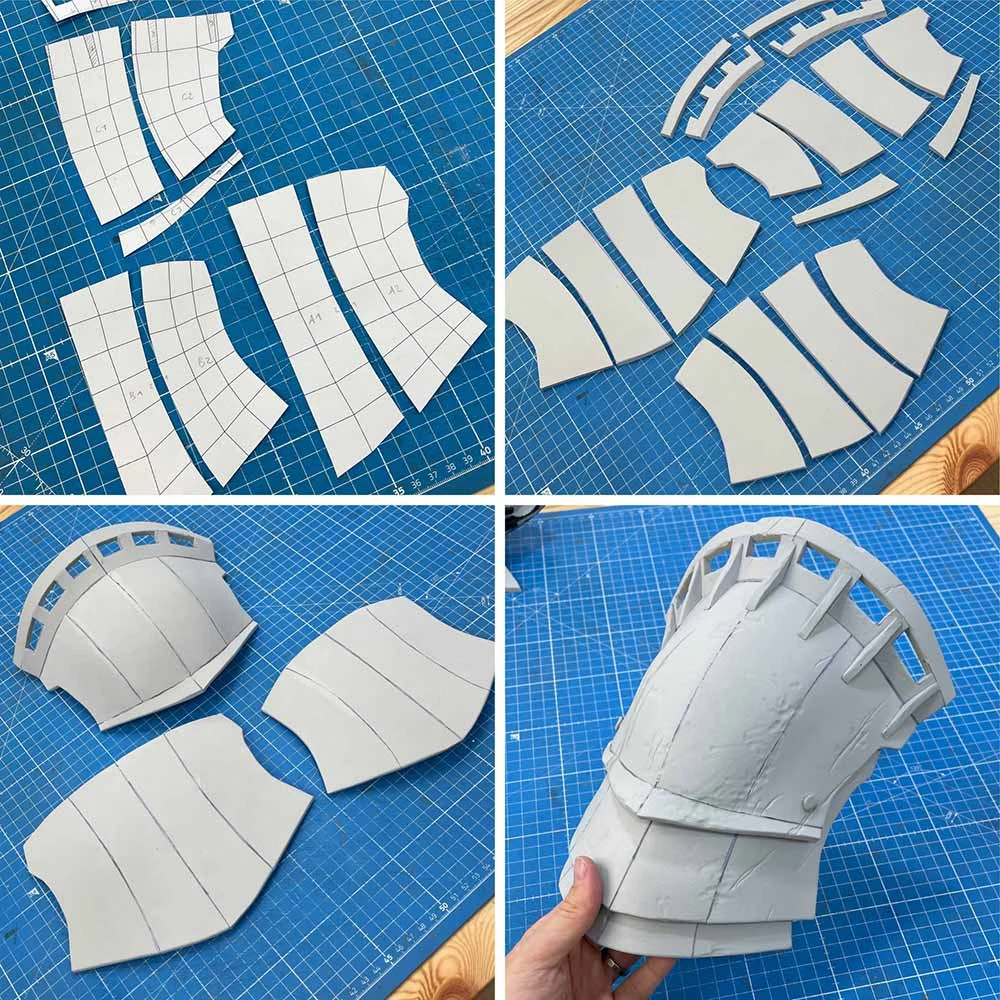
The armor components were designed in Blender, a 3D modeling suite, and then flattened using a Pepakura-style workflow to create printable foam patterns. This process ensures perfect anatomical fit, a significant upgrade from the traditional, time-consuming method of hand-drafting paper patterns. The armor was cut from black EVA foam, glued with contact cement, and heavily modified with a rotary tool to create battle damage and surface texture.
Supporting Data: The Science of Weathering
The final, and perhaps most critical, phase was the "rusting" process. To avoid the environmental hazards of chemical oxidation, the team perfected a multi-layered acrylic method:
- Base Coat: A layer of high-quality metallic silver.
- The Resist: A light misting of hairspray, which prevents the subsequent layer from fully bonding.
- The Overcoat: A layer of dark silver and brown.
- The Reveal: Using warm water and a metal sponge, the team gently scrubbed the top layer, causing it to flake away and reveal the "raw" metal beneath.
For the final touch, they created a custom texture paste by mixing brown, orange, and yellow acrylic pigments with a thickening agent. This was dabbed onto the armor to simulate accumulated oxidation, providing a level of depth that makes the foam indistinguishable from actual corroded steel under standard lighting conditions.
Official Responses and Industry Context
The release of Remnant II has sparked a significant trend in the cosplay community toward "organic-tech" builds. Developers have noted that the intricate design of the game’s assets—specifically the blending of natural forms like vines and demon eyes with mechanical weaponry—is intentionally designed to be difficult to replicate, making the successful execution of this project a notable feat of craftsmanship.
Industry experts suggest that the rise of 3D modeling in cosplay, as demonstrated by the use of Blender and digital pattern-making, is closing the gap between game assets and physical reality. Where early prop-makers relied on guesswork and paper prototypes, the current generation of cosplayers is utilizing the same digital geometry as the game developers themselves.
Implications for the Cosplay Community
The Remnant II Gunslinger project highlights three critical shifts in the hobby:
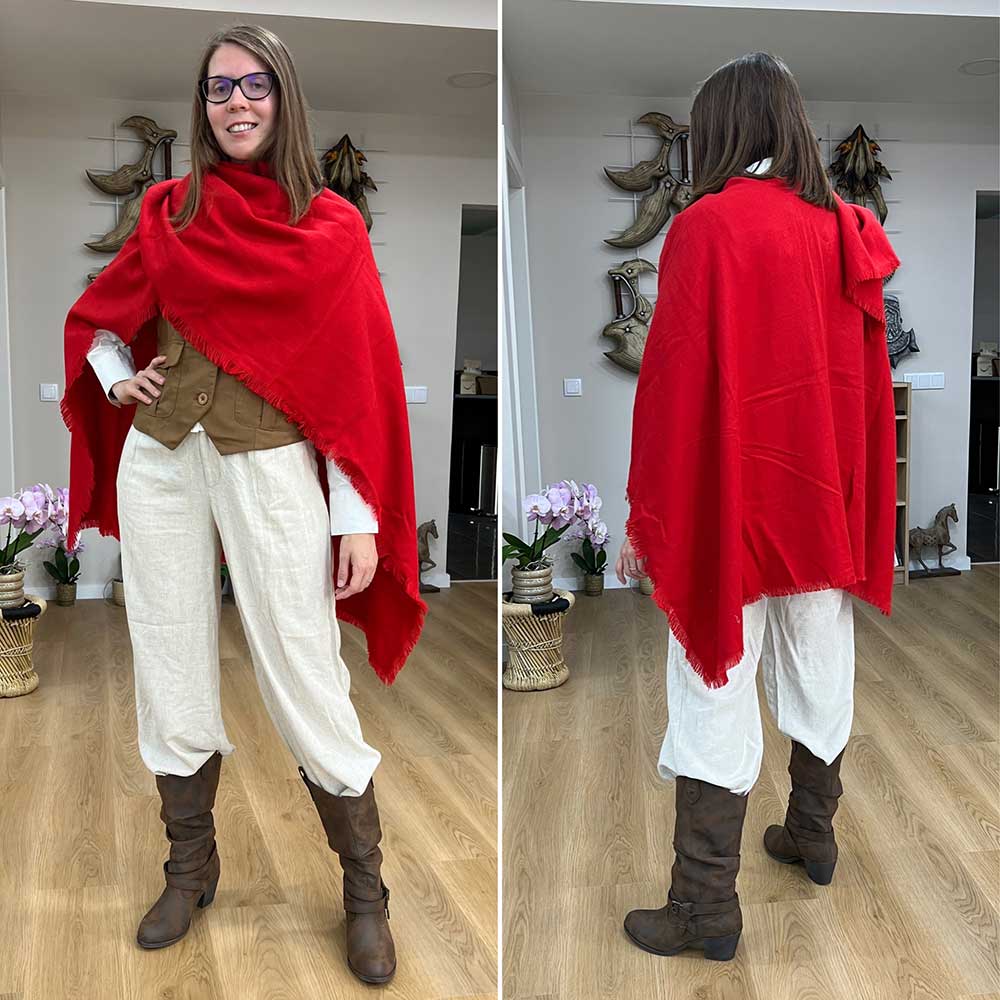
- The Death of the Sewing Machine: In post-apocalyptic costume design, the "perfect stitch" is often the enemy of the "believable aesthetic." By focusing on sourcing, dyeing, and destroying existing clothing, makers can achieve a more authentic, gritty appearance than by starting from raw fabric.
- Digital Integration: The use of Blender to create armor patterns is no longer an "advanced" technique; it is becoming the standard. The ability to simulate how a piece will sit on a body before a single cut is made in foam saves time, money, and material.
- Electronics as Art: The inclusion of lighting effects is shifting from a "bonus" to a mandatory component of high-tier props. The use of addressable LEDs and custom diffusion techniques elevates a prop from a static display piece to an interactive performance prop.
A Lesson in Resilience
The final photoshoot, conducted at an abandoned fish farm in Madeira, was the perfect backdrop for the character. The juxtaposition of the weathered, rusted costume against a decaying, paint-chipped truck underscored the philosophy behind the build: that the beauty of a costume lies in its history.
For those looking to replicate this level of detail, the project serves as a roadmap. It proves that with a combination of modern 3D tools, traditional sculpting materials like foam clay, and an eye for the "story" behind the damage, the most complex video game designs are well within reach of the dedicated creator.
Whether one is a veteran of the craft or a novice looking to begin their first build, the takeaway is clear: success in cosplay is found in the intersection of digital precision and the willingness to get your hands dirty. As the industry continues to evolve, the tools of the trade will change, but the core requirement—the passion to bring a virtual world into the physical one—remains the driving force of the community.