Neng Nana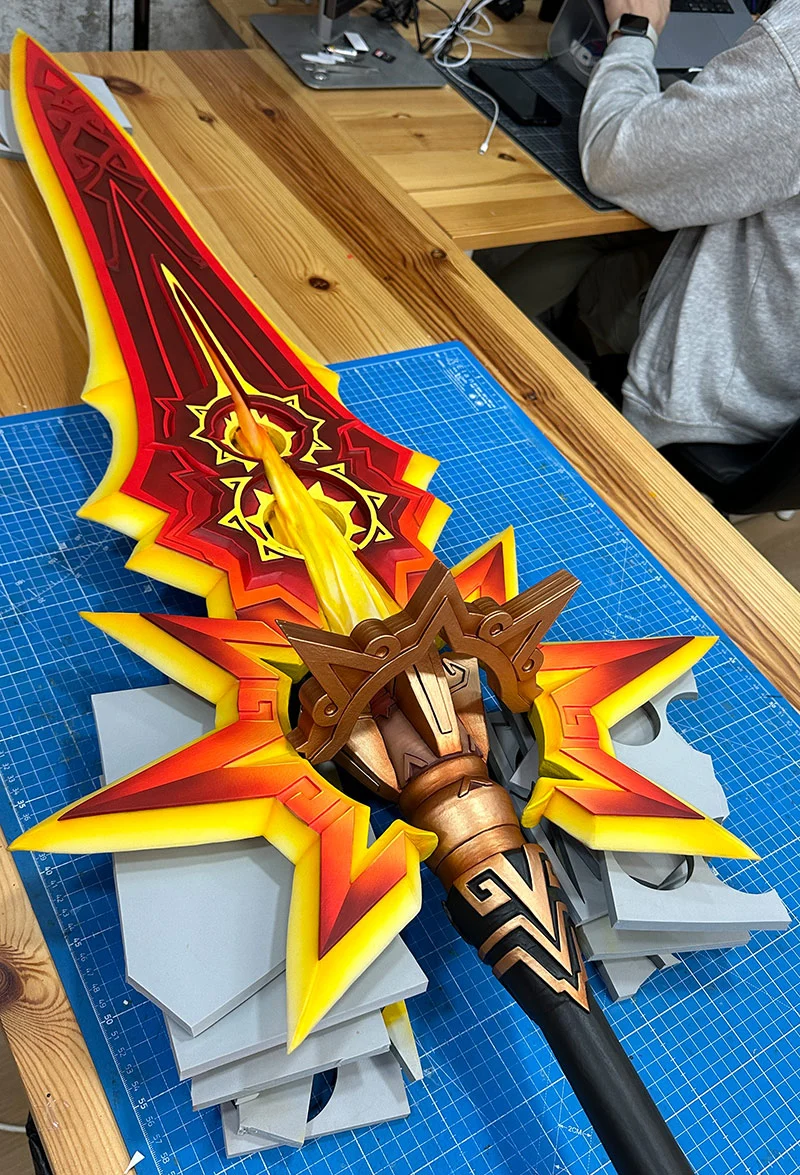
Cosplay is an art form that demands the intersection of engineering, artistry, and unwavering patience. For renowned creator Kamui Cosplay, the pursuit of bringing digital fantasies into the physical realm has always been defined by a commitment to high-fidelity materials and cutting-edge electronics. In a recent high-profile collaboration, Kamui was tapped by HoYoverse to celebrate the debut of Mauvika, the formidable Fire Archon of Natlan in Genshin Impact. The centerpiece of this partnership was a monumental undertaking: the physical recreation of Mauvika’s iconic, flame-imbued greatsword, A Thousand Blazing Suns.
This project represents more than just a promotional stunt; it serves as a masterclass in modern prop-making, utilizing everything from 3D model extraction to complex LED programming. The finished sword, which stands as a testament to the creator’s technical prowess, bridges the gap between the hyper-stylized world of Teyvat and the reality of workshop-based fabrication.

The Blueprint: Translating Digital Geometry to Physical Form
Every great build begins with a foundation, and for A Thousand Blazing Suns, the process started with data acquisition. To ensure the weapon was as accurate as possible, Kamui turned to the official 3D assets provided by HoYoverse via aplaybox.com. While the process of navigating non-English databases and Chinese nomenclature is admittedly daunting, it is a necessary hurdle for those seeking high-fidelity accuracy. By leveraging translation tools, creators can extract the character’s base files, which are instrumental in mapping out the weapon’s dimensions.
The 3D model is essential for more than just aesthetics; it acts as the primary tool for determining scale. In the game, Mauvika’s sword possesses the exaggerated proportions typical of fantasy designs—a trait that, while visually striking in a virtual environment, can be unwieldy when constructed for a human cosplayer. Kamui made the strategic decision to scale the sword down to a two-meter length. While technically smaller than the in-game original, this adjustment ensures the prop feels "natural" when carried, balancing visual impact with practical maneuverability. This phase concluded with the development of a comprehensive blueprint, now available to the public, which serves as a roadmap for aspiring builders.

Chronology of a Masterpiece: From Foam to Fire
The construction of the sword was a rigorous seven-day process that required absolute dedication. The project was split into four distinct phases: structural core, foam assembly, electronics integration, and the high-stakes paint application.
Phase 1: Structural Integrity and Core Assembly
Given the sheer size of the blade, stability was the primary concern. Kamui opted for a robust PVC pipe as the internal spine of the sword, ensuring the prop could withstand the rigors of motion without warping or collapsing. Surrounding this core, 10mm high-density EVA foam was layered to build up the bulk of the weapon. The rocket-engine aesthetic of the central core—a signature element of Mauvika’s design—provided the perfect cavity to house the internal wiring, effectively hiding the technical components within the grip.

Phase 2: Precision Cutting
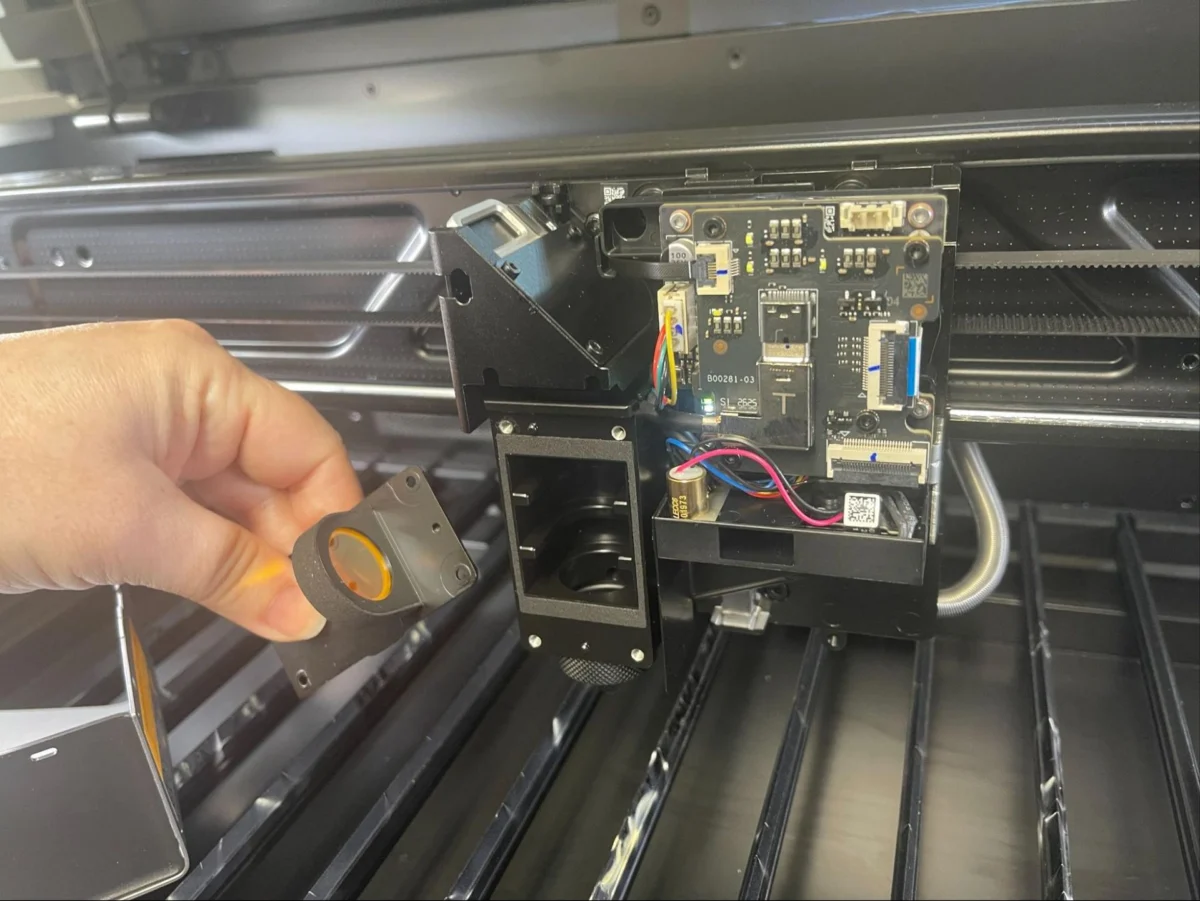
While manual cutting is a hallmark of the craft, the timeline of this collaboration necessitated speed and clinical precision. Kamui utilized a CO2 laser cutter to process the foam sheets. By converting the digital blueprint into vector files, the laser ensured that every angle and joint was perfectly symmetrical. However, as the creator notes, the use of high-end machinery does not necessarily simplify the process; it merely shifts the labor from physical cutting to digital preparation.
Phase 3: The Electronic Heartbeat
The most ambitious aspect of the sword is its lighting system. To mimic the "burning" fire effect seen in Genshin Impact, Kamui integrated 300 individual digital RGB LEDs. Using an Adafruit Feather M4 Express paired with a Prop-Maker FeatherWing, the sword was programmed to pulse with a fiery, molten animation. The most impressive technical flourish occurs during motion: the sword is programmed to respond to impact. When struck against the ground, the pulsing animation is interrupted, causing the entire blade to flare into a brilliant white light. This level of interaction turns a static prop into a dynamic piece of performance art.

Phase 4: The Marathon of Color
The painting process proved to be the most stressful stage of the build. Because the sword features translucent sections meant to diffuse the LED light, the painting had to be methodical. Utilizing an airbrush and high-quality metallic Vallejo paints, the team had to mask off sections with painter’s tape, a process that is as tedious as it is critical. Because the tape risks damaging the layers beneath, the window for application is narrow—forcing a 12-hour, overnight "sprint" to complete the work before the adhesives could compromise the finish. The final details were applied by hand, utilizing high-pigmentation acrylics and fine brushes to add the battle-worn texture and intricate filigree that defines the Fire Archon’s aesthetic.
Supporting Data and Professional Methodology
The technical success of this project relies on a specific ecosystem of materials and tools. Kamui’s methodology is rooted in the "Book of Light and Sound Effects" philosophy—a systematic approach to prop building that favors reliability and repeatability.

- Materials: 10mm EVA foam for structural integrity; 10mm LED-diffusing foam for the glowing elements.
- Electronics: Adafruit NeoPixel strips (300 pixels total); Adafruit Feather M4 Express controller.
- Finishing: Vallejo Model Air metallic colors, applied via Iwata Eclipse HP-CS airbrush.
- Adhesives: Contact cement for foam bonding, paired with premium-grade painter’s tapes (FrogTape and Tamiya) to preserve the delicate paint layers.
This equipment list highlights a transition in the cosplay industry where hobbyists are increasingly adopting professional-grade tools—laser cutters, programmable microcontrollers, and high-end airbrushing systems—to bridge the gap between amateur craft and professional studio-quality props.
Official Collaboration: The HoYoverse Partnership
The collaboration between Kamui Cosplay and HoYoverse underscores a significant trend in the gaming industry: the formalization of the creator economy. HoYoverse, recognizing the marketing power of high-end cosplay, proactively reached out to leverage Kamui’s reputation for technical accuracy.

By commissioning creative videos that document the "making-of" process, HoYoverse effectively utilized the cosplay community as a vehicle for organic, high-engagement marketing. This partnership is mutually beneficial; it provides the creator with the resources to pursue ambitious projects, while the developer gains access to a dedicated, skilled audience that values the artistic integrity of their character designs. The result is a marketing campaign that feels like a celebration of the fandom rather than a standard corporate advertisement.
Implications for the Future of Cosplay
The creation of A Thousand Blazing Suns is a harbinger of where the cosplay medium is headed. We are seeing a move away from simple costume fabrication toward full-scale industrial design. The reliance on 3D software, vector-based cutting, and advanced C++ programming for LED arrays reflects an era where a cosplayer must be a polymath—part tailor, part engineer, and part digital artist.

Furthermore, the public nature of these collaborations suggests that game developers are increasingly viewing cosplayers as "brand ambassadors" who add value to the longevity of a title. By providing access to high-quality 3D assets and encouraging the creation of professional props, companies like HoYoverse are not just selling a game; they are cultivating a living, breathing ecosystem of creators who keep the game’s aesthetic relevant long after a new character launch.
As for Kamui Cosplay, the success of this project confirms that even as the scale and technical complexity of props increase, the core ethos remains the same: the drive to bring the impossible to life. With the sword now complete and the project documented for the world to see, the bar for fan-created props has been set significantly higher. For those looking to follow in these footsteps, the message is clear: study your blueprints, master your electronics, and prepare for a very long night of painting.

 Siti Muinah
 Azzam Bilal Chamdy