

In the vanguard of sustainable design, a radical shift is occurring: the transition from "waste" to "wonder." As designers increasingly experiment with unconventional materials—sculpting gowns from grass roots, harvesting sequins from algae, and weaving discarded electrical wires into delicate lace—the boundaries of what constitutes "fabric" are being pushed to their absolute limits. The latest breakthrough, however, transcends mere aesthetic novelty. Researchers and designers at Aalto University in Finland have successfully transformed the timber remains of a 300-year-old wooden shipwreck into a high-fashion, wearable garment. This achievement is not merely a triumph of chemical engineering; it is a profound philosophical statement on the circular economy and our cultural relationship with history.
The Hahtiperä Discovery: A Historical Anchor
The story begins not in a laboratory, but beneath the pavement of a bustling Finnish city. In 2019, construction crews working on hotel renovations in Oulu, Northern Finland, struck an unexpected obstacle: the remnants of a 17th-century wooden vessel buried deep beneath a parking lot.
The find, dubbed the "Hahtiperä wreck," was identified as the oldest shipwreck of its kind ever discovered in the region. Given its historical significance, the Finnish Heritage Agency intervened, overseeing the delicate excavation of the seven-by-20-meter vessel. While the primary structure was slated for preservation, a wealth of fragmented wood—deemed unsuitable for the main exhibit—was set to be discarded. It was at this juncture that the Bioinnovation Center at Aalto University recognized the latent potential within these splintered remains. Rather than allowing the centuries-old timber to end up in a landfill, the team secured the scraps, viewing them as a unique biological resource for a pioneering experiment in textile regeneration.

The Chronology of a Transformation
The journey from a waterlogged 17th-century hull to a lightweight, contemporary dress was a meticulous process requiring the integration of history, chemistry, and haute couture.
1. Recovery and Preparation (2019–2023): Following the discovery in Oulu, the wood underwent a rigorous assessment. Researchers had to ensure the timber was free of contaminants and suitable for chemical processing. The wood was carefully cleaned and prepared for the extraction of cellulose, the primary structural component of plant cell walls.
2. Pulping and Purification: The wood was shredded and chemically processed, effectively dissolving the solid material into a fine, workable pulp. This step was critical in breaking down the complex lignin and hemicellulose structures that had held the ship together for three centuries, isolating the high-quality cellulose fibers required for textile production.

3. The Ioncell Process: Central to this transformation is the patented "Ioncell" process, a breakthrough technology developed in collaboration with the University of Helsinki. Ioncell is an environmentally friendly method that utilizes an ionic liquid solvent to dissolve cellulose. Unlike traditional viscose production, which often relies on toxic chemicals like carbon disulfide, the Ioncell process is a closed-loop system. It recycles the solvent and transforms the wood pulp into a silky, high-strength fiber that is both biodegradable and exceptionally durable.
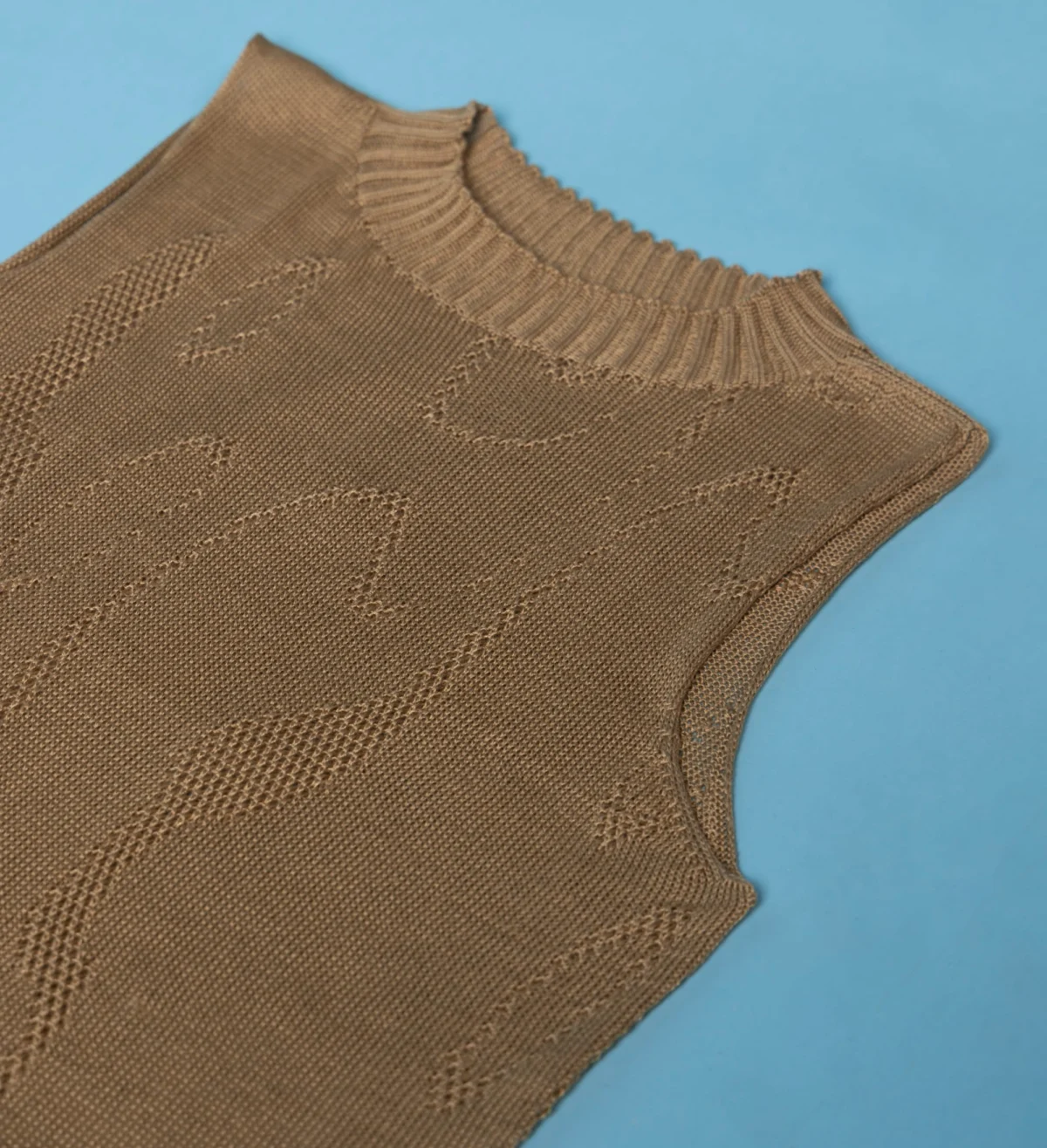
4. Fabrication and Design (2024–2025): Once the wood-derived yarn was spun, lecturer and designer Anna-Mari Leppisaari took charge of the physical construction. Using industrial machine-knitting technology, she crafted a seamless A-line dress. The resulting fabric features a natural, marbled aesthetic reminiscent of raw wood grain, a visual homage to its maritime origins. Remarkably, the final garment weighs less than one pound, challenging preconceptions about the heaviness of wood-based materials.
Supporting Data: The Sustainability Imperative
The fashion industry remains one of the world’s most significant polluters, responsible for an estimated 10% of global carbon emissions and vast quantities of textile waste. Projects like the Aalto shipwreck initiative provide vital data on the efficacy of circularity.

By repurposing cellulose—a ubiquitous material found in everything from paper and straw to industrial timber—Aalto University is demonstrating that high-performance fibers do not require virgin resources. The Ioncell process represents a significant reduction in water usage and chemical toxicity compared to cotton farming or conventional synthetic fiber production. Furthermore, the ability to "upcycle" ancient wood proves that even the most stubborn materials can be re-circulated into the economy, provided the infrastructure for chemical recycling exists. The project acts as a proof-of-concept, suggesting that we could eventually move toward a model where our buildings, ships, and furniture are viewed as "material banks" for the fashion of the future.
Official Perspectives: The Philosophy of Re-circulation
The project has drawn praise from both the scientific community and the arts sector, serving as a bridge between the two.
"Of course, a shipwreck is an exceptional case, but it’s also a story that makes people pause and appreciate materials in a new way," says Pirjo Kääriäinen, the lead designer behind the project. "If something this beautiful can be made from centuries-old wood, why do we keep throwing away materials that could still be circulated and reused?"

For Kääriäinen and her team, the dress is not just a garment; it is a catalyst for conversation. By wearing history, the public is forced to reckon with the disposable nature of modern consumerism. The Oulu Art Museum, which currently hosts one of the two dresses, has utilized the exhibit to explore themes of "the future of fashion," emphasizing that the materials of tomorrow will likely come from the unexpected corners of our past.
Furthermore, the Finnish Heritage Agency’s willingness to allow university researchers access to the Hahtiperä scraps highlights a growing trend of interdisciplinary cooperation between archaeologists and material scientists. This collaboration ensures that history is preserved not only in glass cases but through active, functional re-integration into the modern world.
Implications for the Future of Fashion
The implications of the Hahtiperä dress extend far beyond the runway. If cellulose can be extracted from centuries-old, water-logged wood, it confirms the versatility of the Ioncell process for a wide range of secondary raw materials.

Addressing Global Waste
The primary implication is the potential for mass-scale industrial adoption. If the fashion industry were to pivot toward wood-pulp-based fibers derived from waste streams (such as construction wood, agricultural residues, or recycled paper), the reliance on thirsty, pesticide-heavy crops like cotton could be significantly diminished.
The Cultural Shift
Perhaps more importantly, this project challenges the "fast fashion" mindset. When a consumer realizes that a dress has a provenance—that it was once part of a vessel that navigated the Baltic Sea three hundred years ago—the garment gains a narrative value. This emotional attachment is a key component of sustainable consumption; when we value the history and the labor behind a product, we are far less likely to treat it as disposable.
The Upcoming Exhibition
For those eager to witness this intersection of history and innovation, the second dress from the collection is scheduled to be displayed in September at Aalto University’s highly anticipated Designs for a Cooler Planet exhibition. This event serves as a platform for radical sustainable solutions, placing the shipwreck dress alongside other innovations in bio-based materials.

Conclusion: A New Horizon
The Hahtiperä shipwreck, once destined to be forgotten in a pile of construction debris, has found a second life as a piece of avant-garde art. By knitting together the fibers of the past with the technological promise of the future, Aalto University has provided a roadmap for a more sustainable industry.
As we look toward a future defined by resource scarcity and environmental urgency, the lesson from Oulu is clear: we are surrounded by materials that we have yet to truly see. Whether it is the roots beneath our feet or the wreckage of the centuries behind us, the potential for creation is limited only by our willingness to innovate. The Hahtiperä dress is more than a triumph of design—it is a reminder that in a circular world, nothing is truly lost, and everything has the potential to be reborn.











No comments yet. Be the first to join the conversation!