Siti Muinah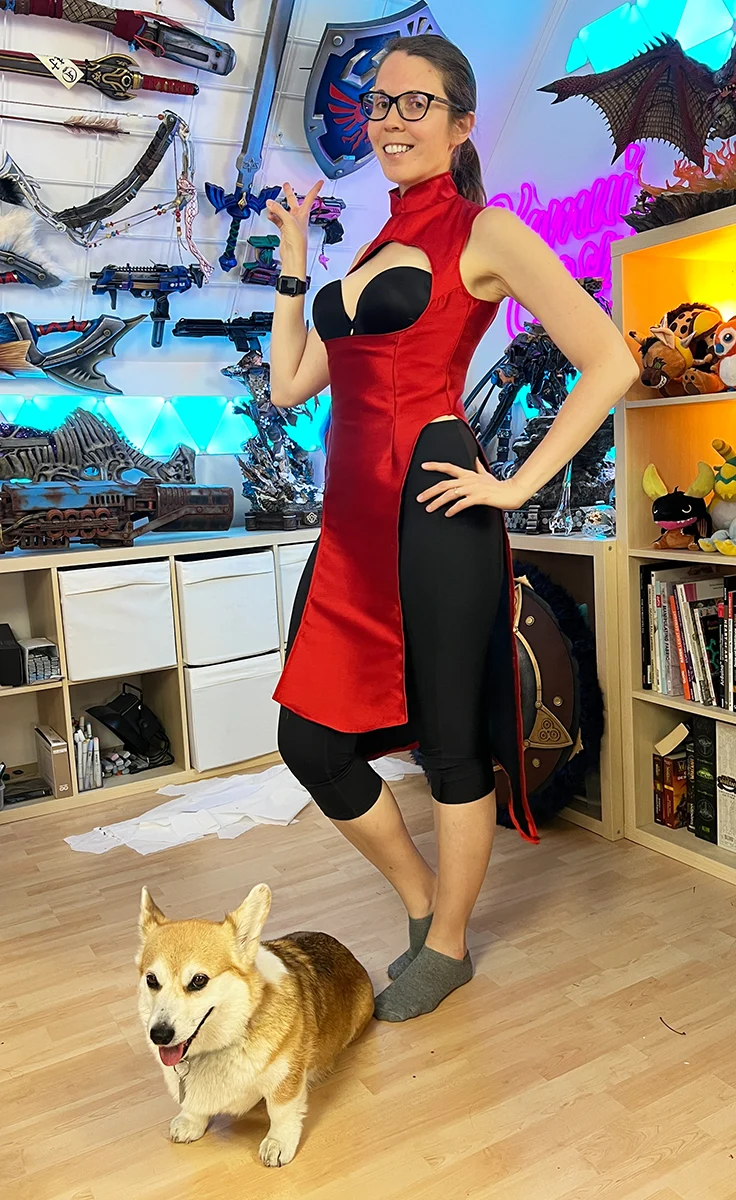
Introduction: The Convergence of Digital Fantasy and Artisanal Craft
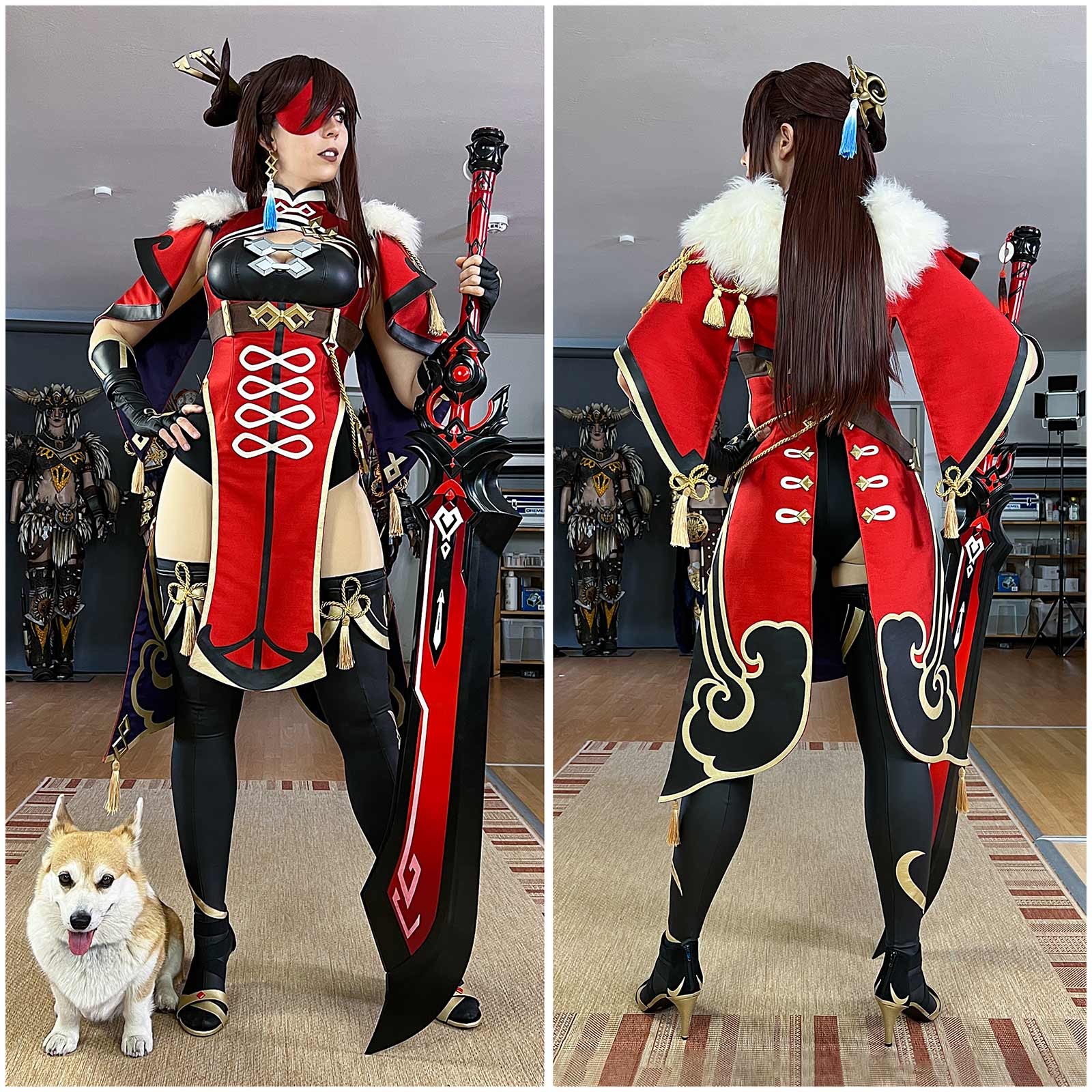
Since its global debut in 2020, HoYoverse’s Genshin Impact has transcended the boundaries of a typical action RPG, evolving into a cultural phenomenon that has redefined the intersection of digital aesthetics and real-world fashion. Among the game’s vast roster of characters, few possess the commanding presence of Captain Beidou, the legendary leader of The Crux fleet. For professional cosplayer Kamui Cosplay, the challenge of bringing the "Uncrowned Lord of Ocean" to life represented more than just a creative exercise; it was a high-stakes, eight-week technical marathon that pushed the boundaries of modern cosplay fabrication.

This project, commissioned to celebrate the character’s design, serves as a masterclass in modern costume engineering, utilizing a blend of traditional tailoring, laser-cutting technology, and virtual production techniques. As the barrier between game design and physical reality continues to thin, the story of this Beidou build highlights the immense dedication required to honor a character whose design is as complex as her lore.

The Genesis of a Captain: Research and Foundation
The journey began with a deep dive into the character’s anatomy. While mass-produced, low-cost replicas are readily available on the global market, they often fail to capture the structural nuances of Beidou’s attire. To ensure total fidelity, the project utilized the Games Fashion Archive, an invaluable resource that provides high-resolution 3D models of video game assets. This allowed for an unprecedented level of scrutiny regarding textures, layering, and color palettes.
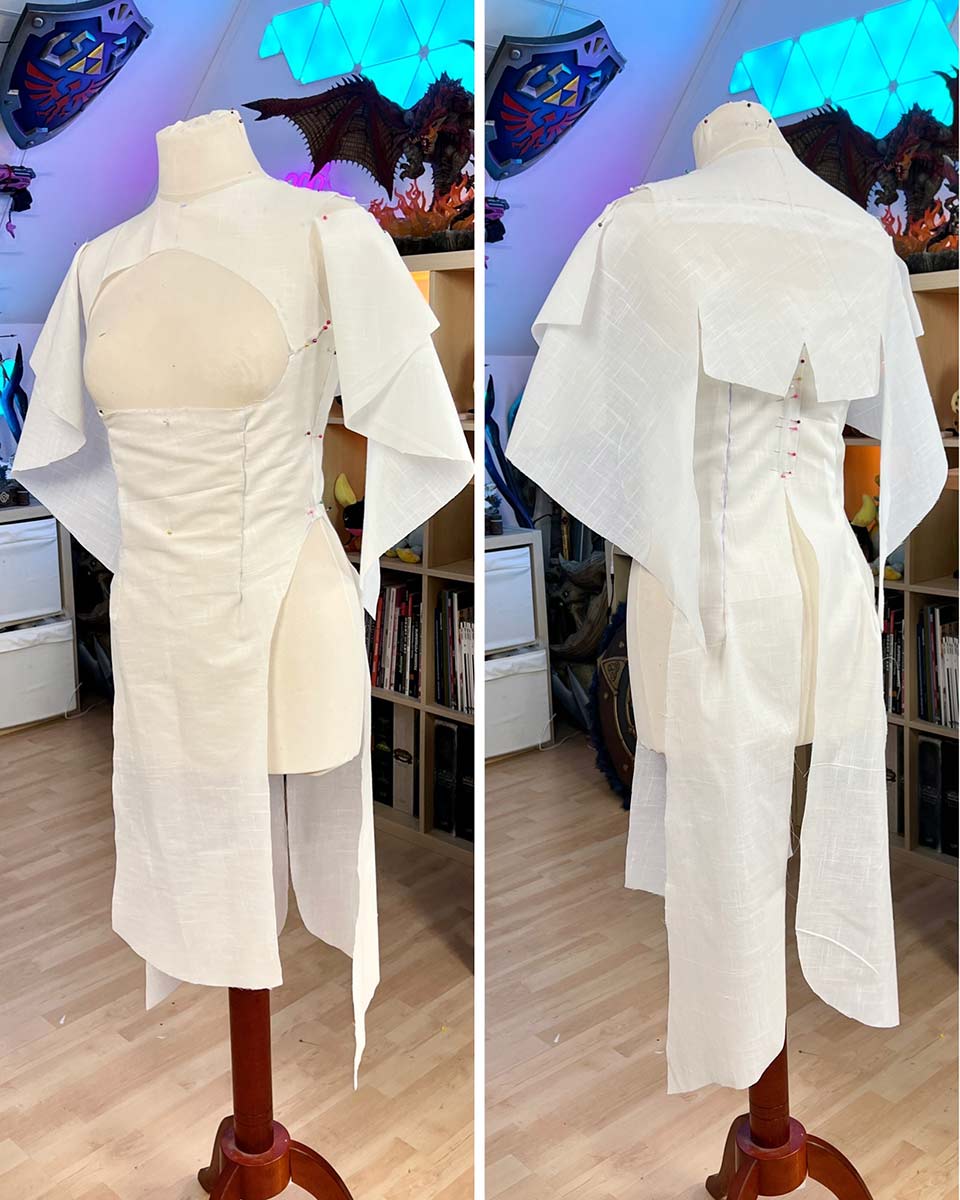
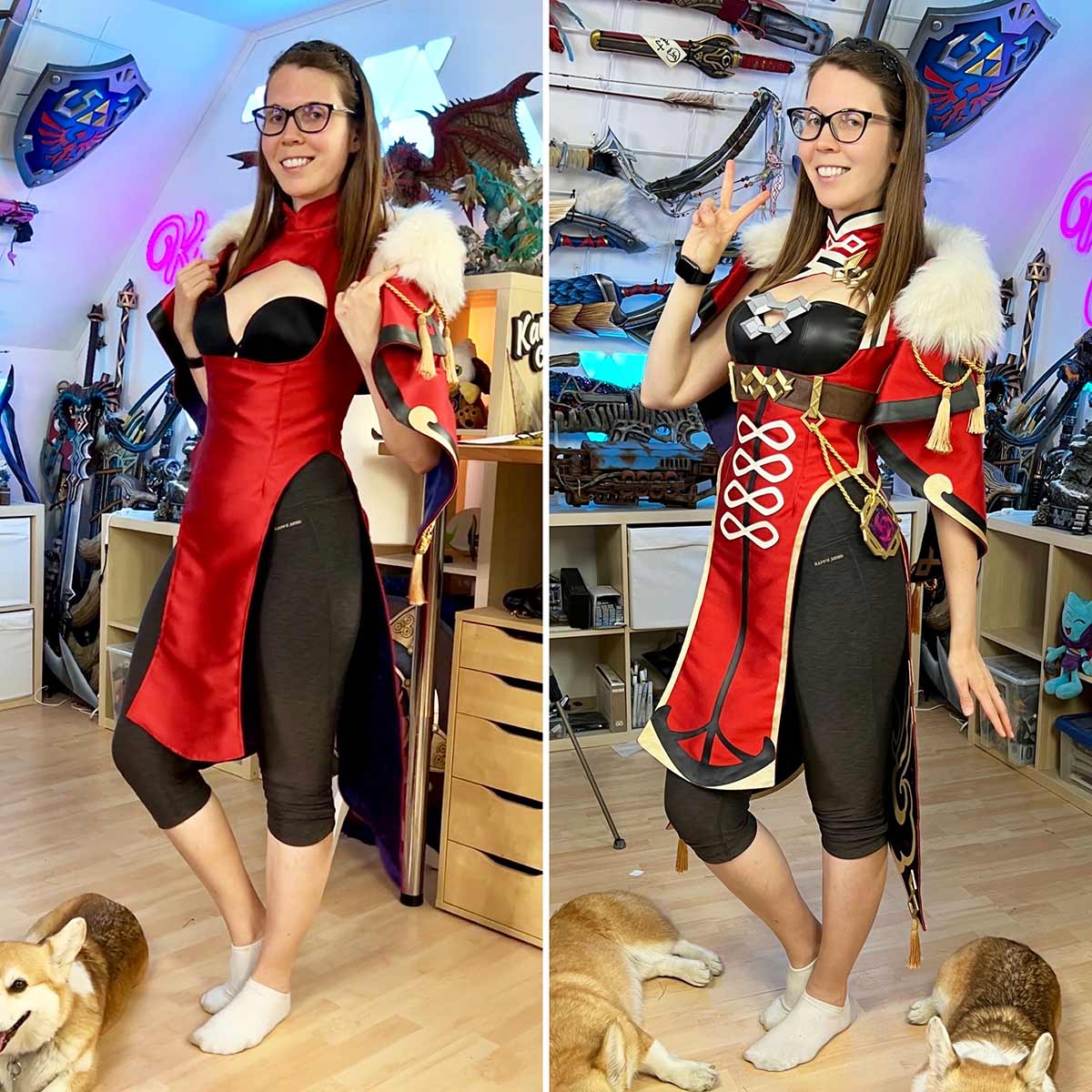
The foundation of the build relied on the "duct tape pattern" technique. This method, while labor-intensive, ensures an bespoke fit that standard patterns cannot achieve. By wrapping the body in duct tape to create a customized mannequin, the team was able to draft templates that accounted for the specific curvature of the character’s armor and robes. This process is essential for high-end cosplay, where the goal is not merely to mimic a look but to create a functional garment that can withstand the rigors of convention floors and long-form photography sessions.
Chronology of Construction: An Eight-Week Odyssey
The project was structured into distinct phases, each requiring specialized tools and materials.
Phase 1: Tailoring and Structural Assembly
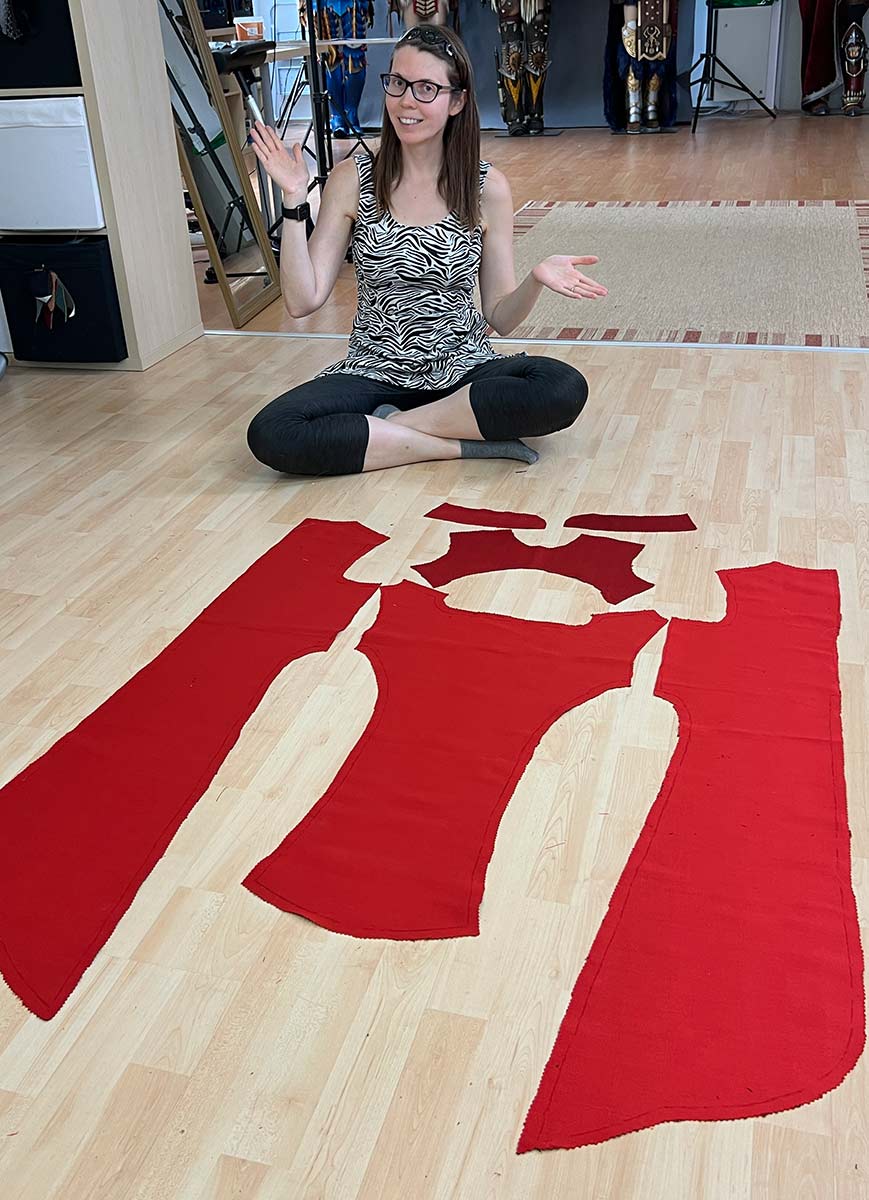
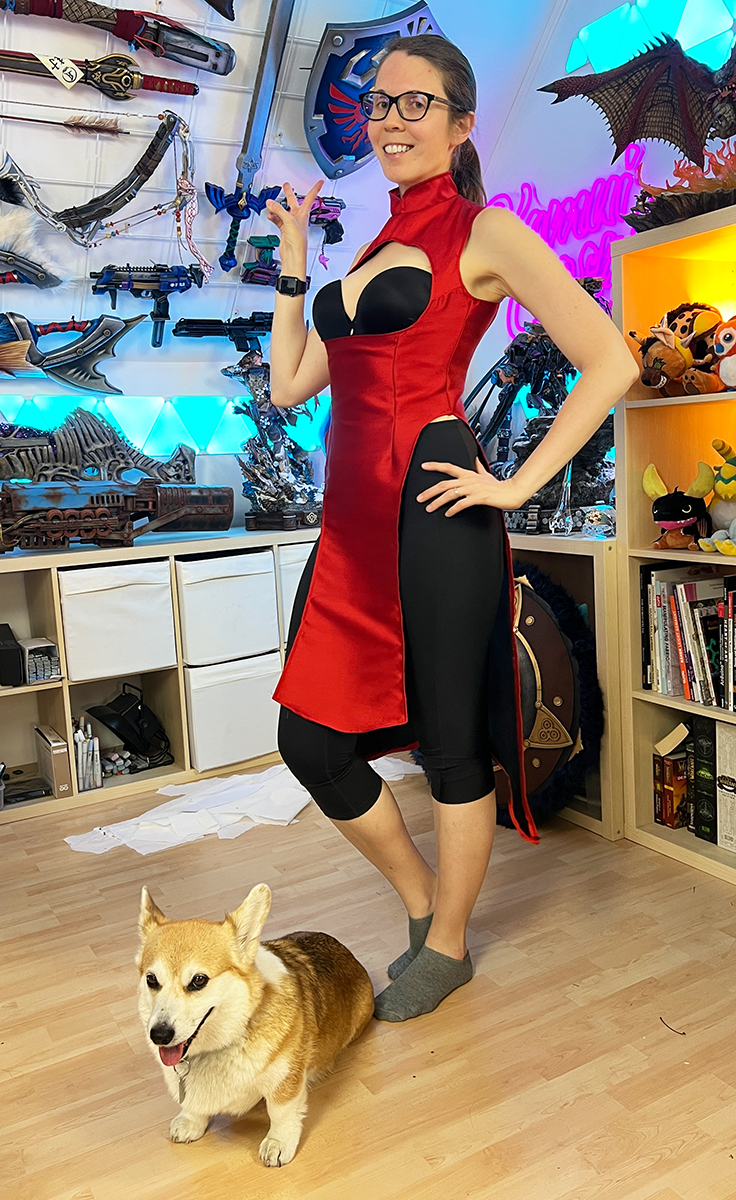
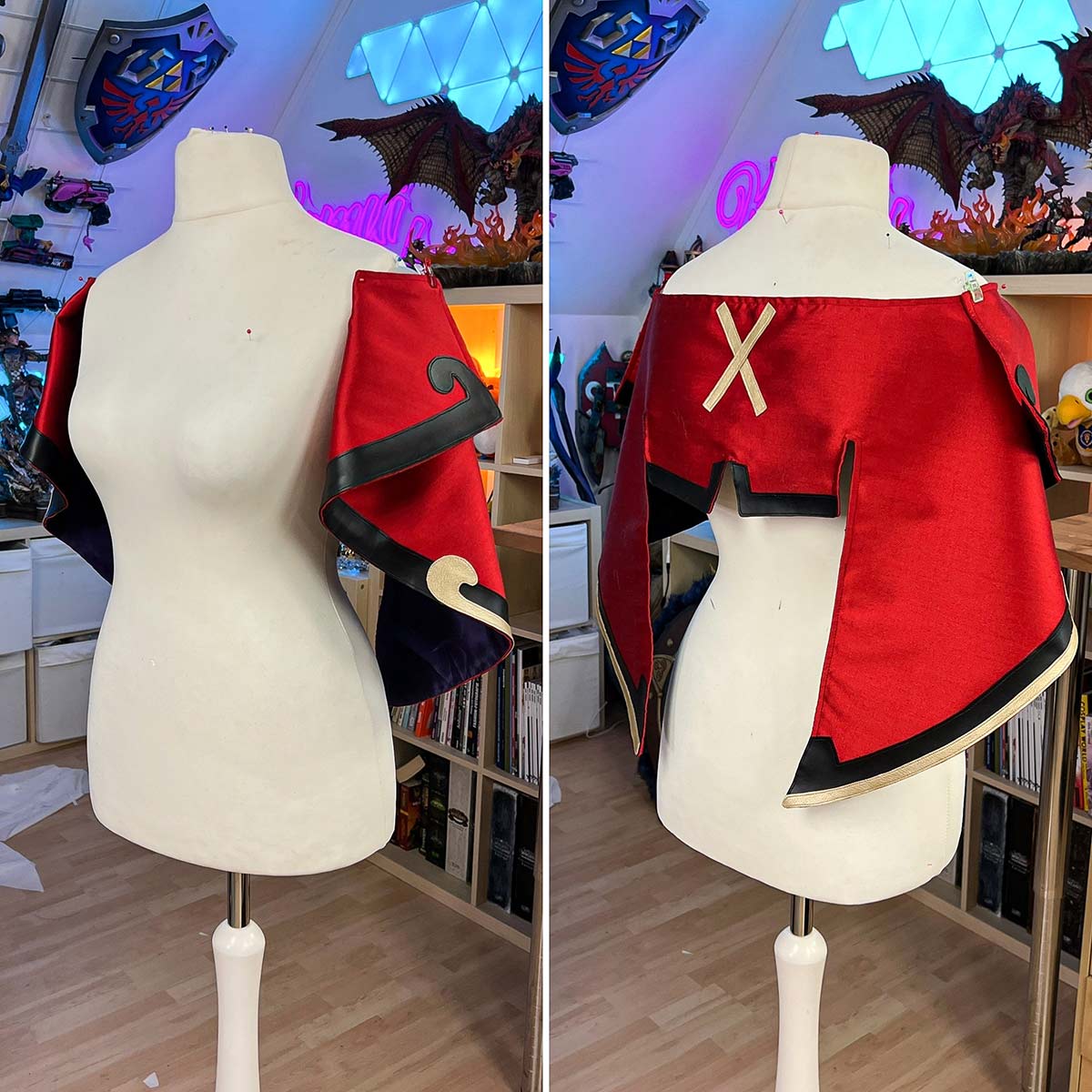
For the main body of the dress, the selection of material was critical. Eschewing the convenience of online fabric marketplaces, the search led to a local textile boutique in Düsseldorf, where a heavy, shimmering silk was chosen for its weight and ability to hold its shape. The sewing process utilized a dual-machine setup—a high-end Brother Innovis 550 SE for primary construction and a secondary machine for backup. The lesson here is clear: while specialized technology assists in speed, the core of successful costume design remains the accuracy of the pattern.
Phase 2: The Precision of Laser Technology
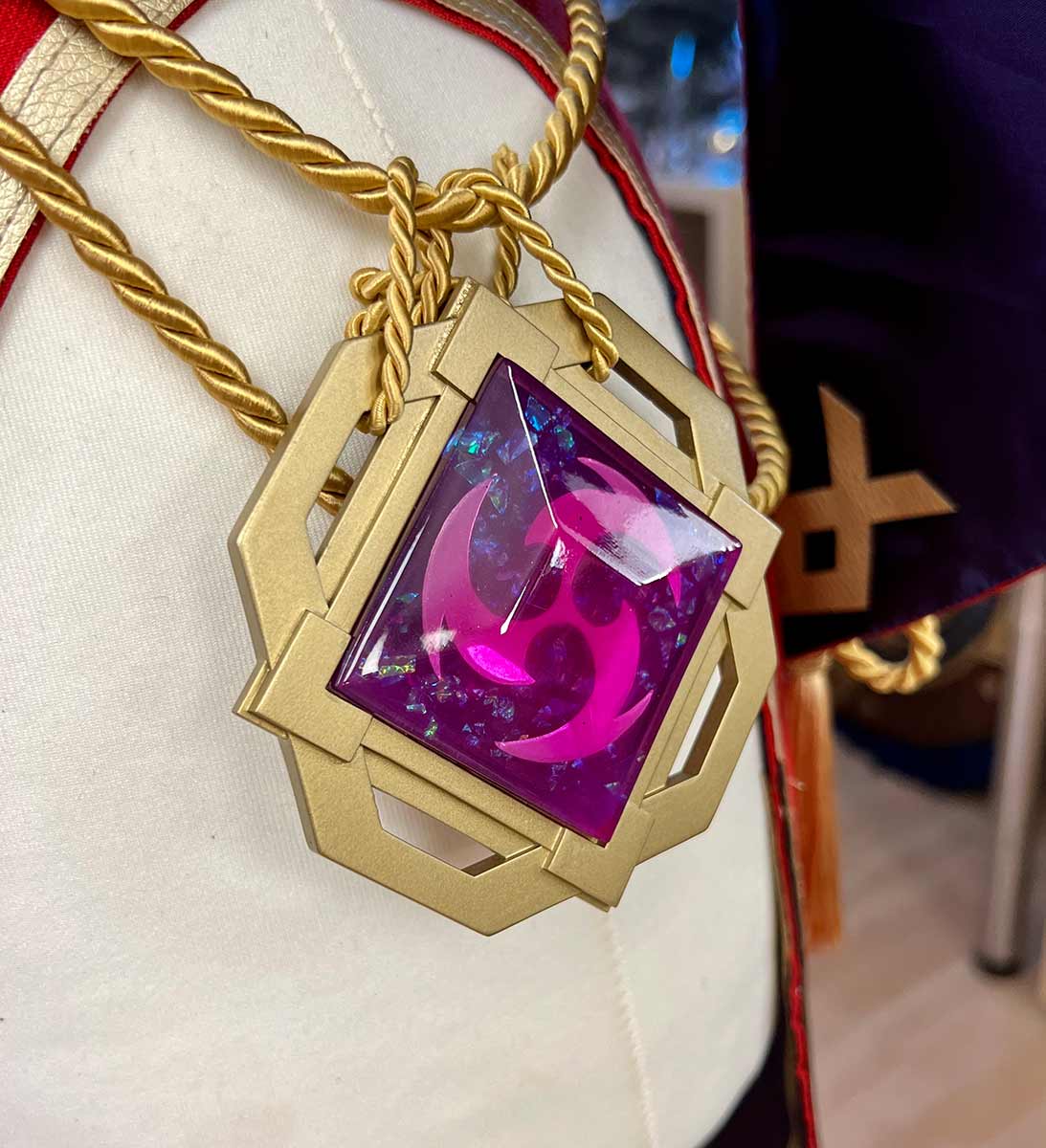
The intricate gold and black accents that define Beidou’s silhouette were not hand-cut, but rather precision-engineered using a Flux laser cutter. By translating 2D designs into vector files, the team achieved a level of geometric symmetry that would be nearly impossible to replicate by hand. This integration of modern fabrication tools—such as laser cutters and 3D printing—has become the industry standard for professional cosplayers.
Phase 3: The Blackcliff Slasher
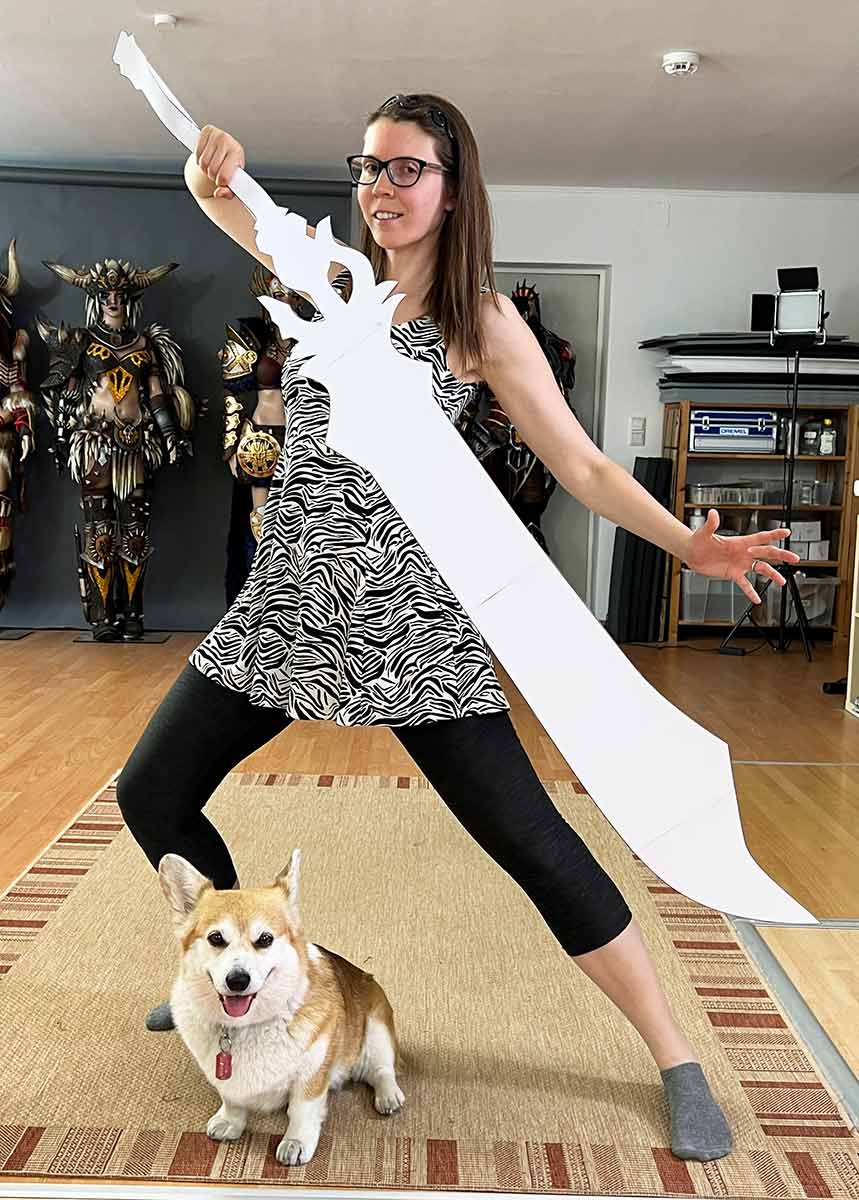
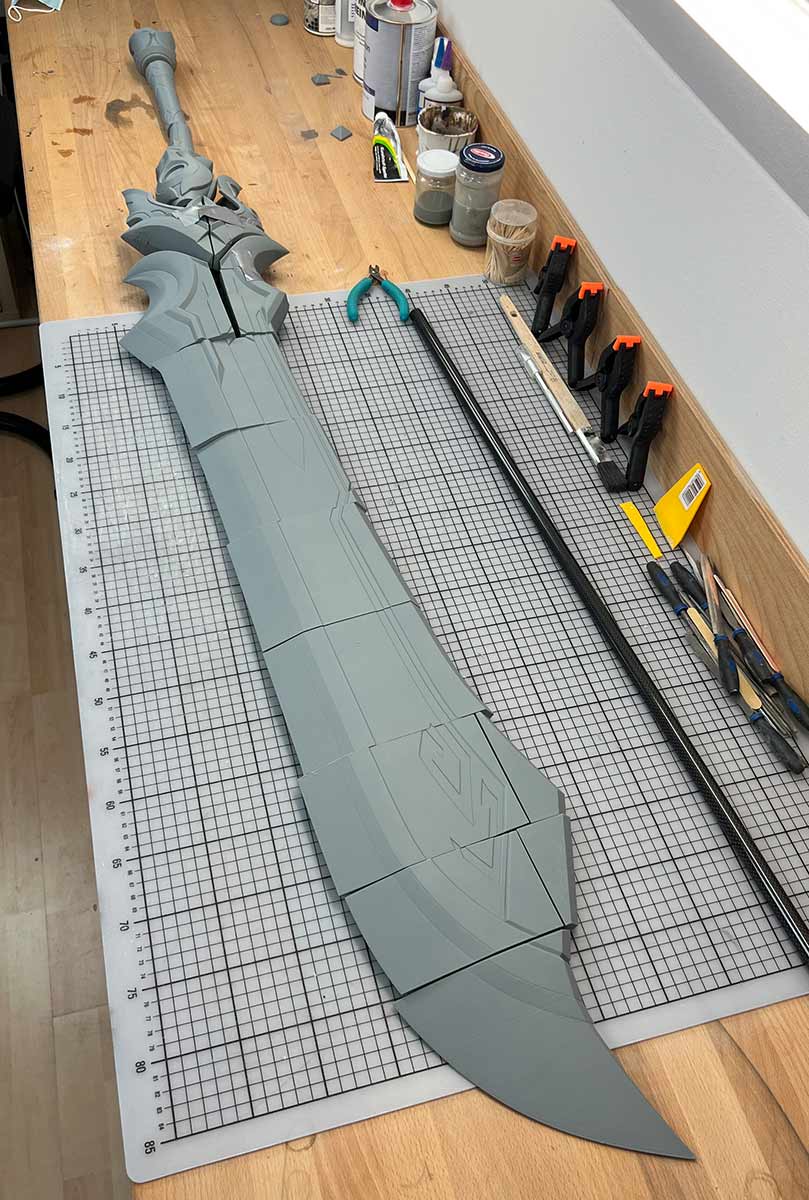
The centerpiece of the build was the iconic claymore, the Blackcliff Slasher. Standing at a scale that demands a physical presence, the sword was brought to life through 3D printing. The process began with a paper dummy to ensure proper scaling against the wearer’s frame. Once verified, the project moved to two Zortrax m200 3D printers, which ran for a grueling two-week cycle. Post-processing, which included assembly, priming, and meticulous sanding, required another three weeks of labor, utilizing airbrush techniques to achieve the weathered, metallic finish characteristic of the weapon.
Supporting Data: The Evolution of Cosplay Fabrication
The shift toward professional-grade fabrication in the hobbyist community is backed by the increased accessibility of technology. Ten years ago, a 3D printer of sufficient quality for prop-making was a significant financial investment. Today, platforms like the Elegoo Saturn or the Anycubic Photon series have democratized resin and FDM printing, allowing creators to produce high-resolution, lightweight, and durable components.
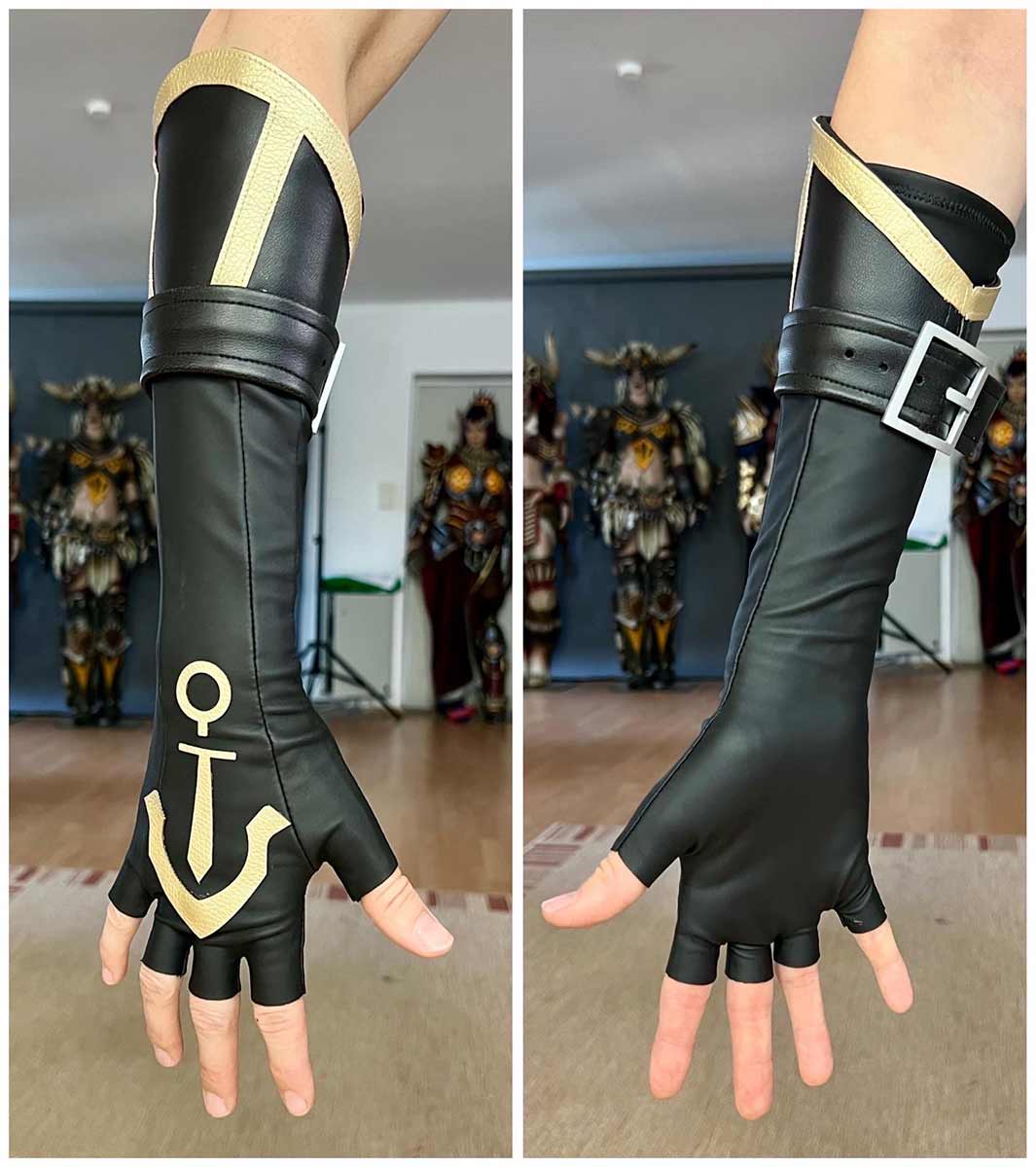
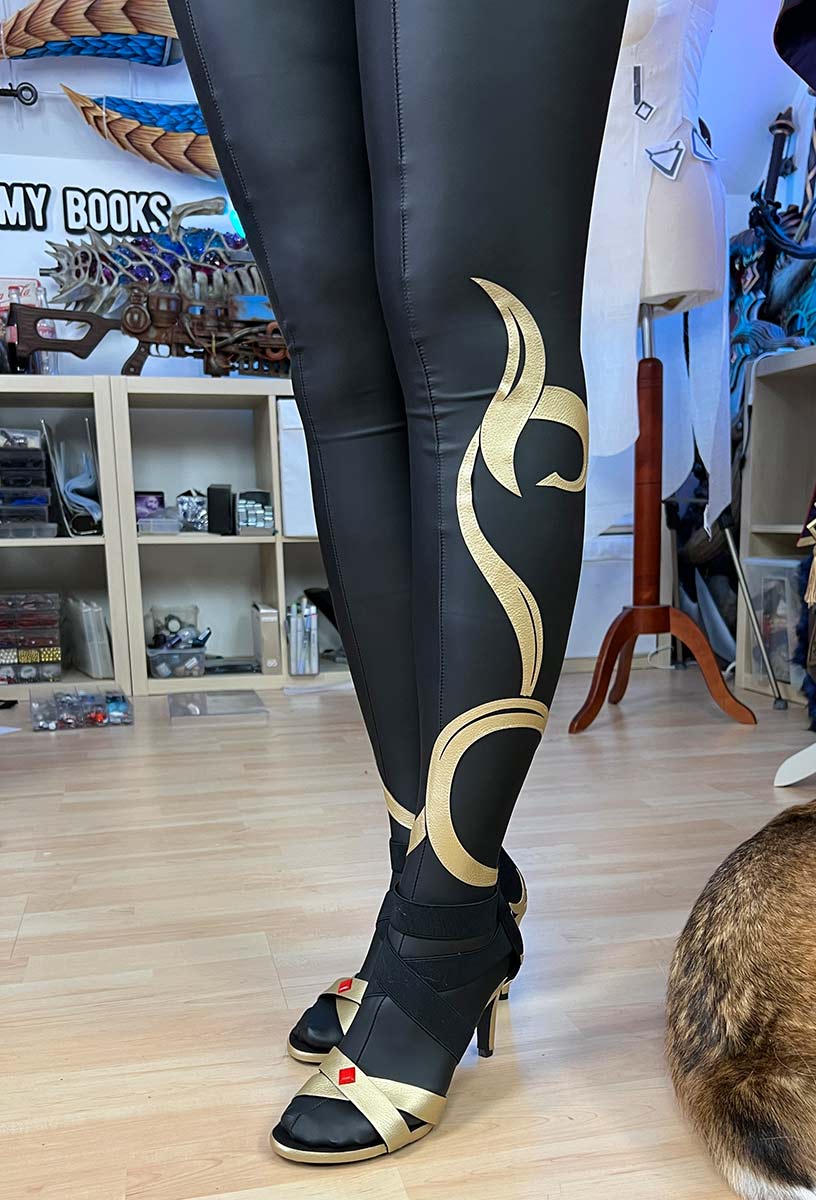
Furthermore, the integration of chemical bonding agents has revolutionized the durability of costumes. The use of specialized fabric glues, such as Guetermann’s HT2, allows for the permanent bonding of vinyl to textile and foam—a necessity when dealing with the high-stress areas of a costume, such as gloves and footwear. The "pants-stocking" hybrid technique, where the garment is anchored to a shaping legging, is a common industry secret for ensuring that complex silhouettes remain static during movement.
Official Responses and Creative Adjustments
A pivotal moment in the project’s development involved a unique modification to the character’s design. Due to a personal visual impairment, the original placement of Beidou’s eyepatch—which covers the eye required for navigation and depth perception—posed a significant safety risk for a crowded convention environment.
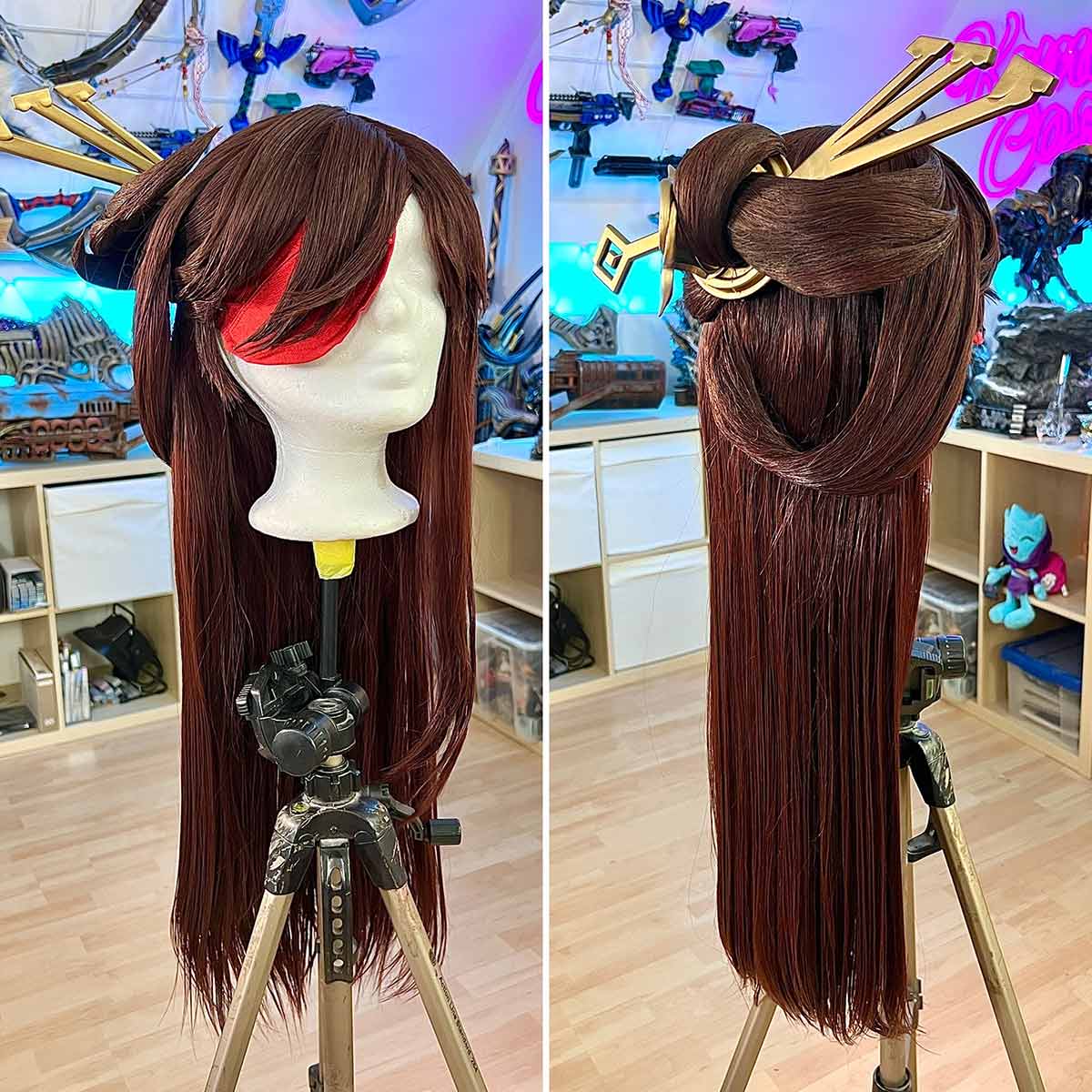
In a transparent dialogue with the developer, HoYoverse, the team proposed a "mirroring" of the character’s design. This creative concession allowed the eyepatch, wig styling, and accessory placement to be flipped. This interaction underscores a growing trend in the gaming industry: the recognition of cosplayers as brand ambassadors who bring intellectual property to life, and the willingness of developers to engage in collaborative problem-solving to ensure the safety and comfort of the creator.
Implications: The Future of Digital and Physical Synthesis
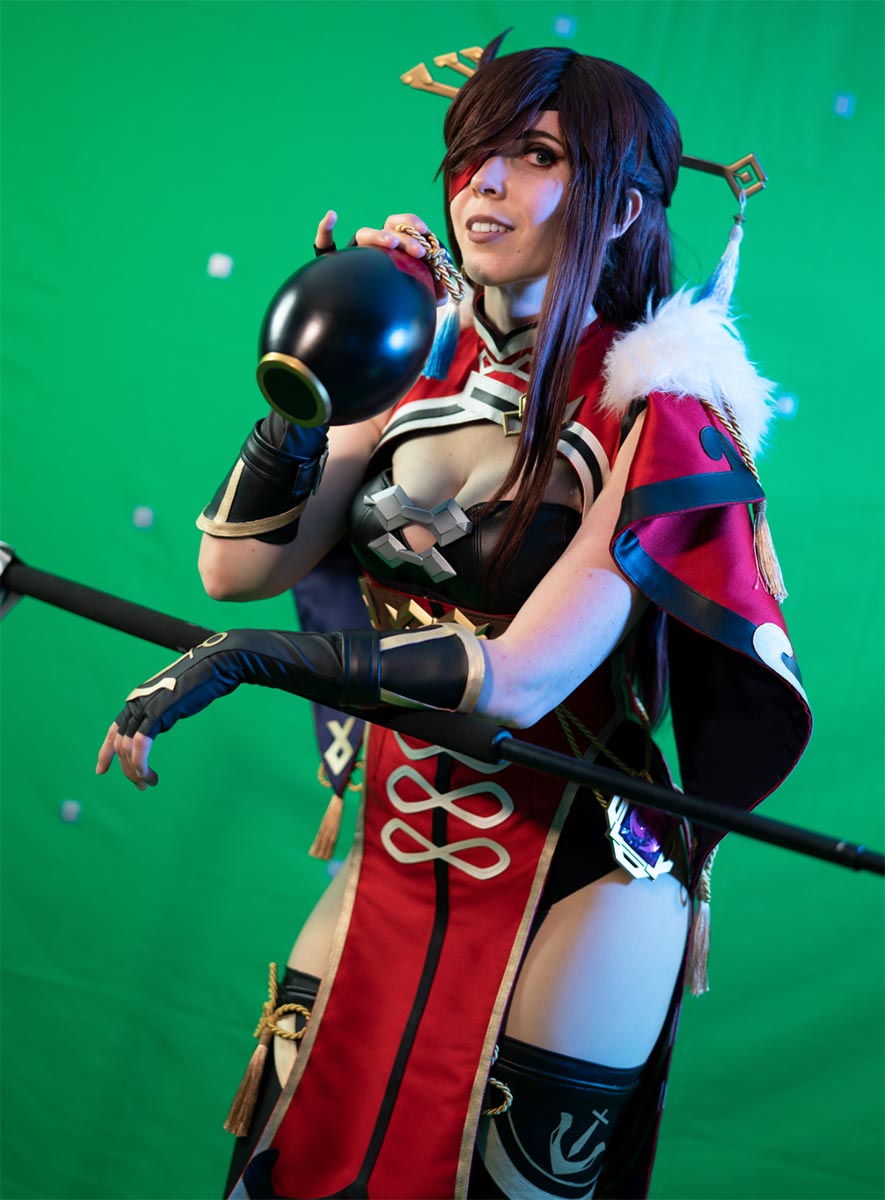
The final phase of the project involved a fusion of traditional photography and virtual production. By utilizing a green screen and rendering a custom environment in Unreal Engine, the team was able to place the physical costume into a high-fidelity recreation of Liyue. This technique represents the next frontier in cosplay content creation.
The implications are twofold:
- Accessibility of Locations: Creators are no longer bound by geography or the constraints of travel. They can transport their finished costumes into the exact environment of the source material.
- Post-Production Quality: The blending of physical craftsmanship with digital rendering results in a finished product that feels indistinguishable from high-end CGI, providing a significant boost to the narrative quality of the cosplay.
Conclusion: Is the Effort Justified?
The question remains: in an era where high-quality, pre-made costumes can be ordered with a single click, is the eight-week, multi-disciplinary approach still valid?
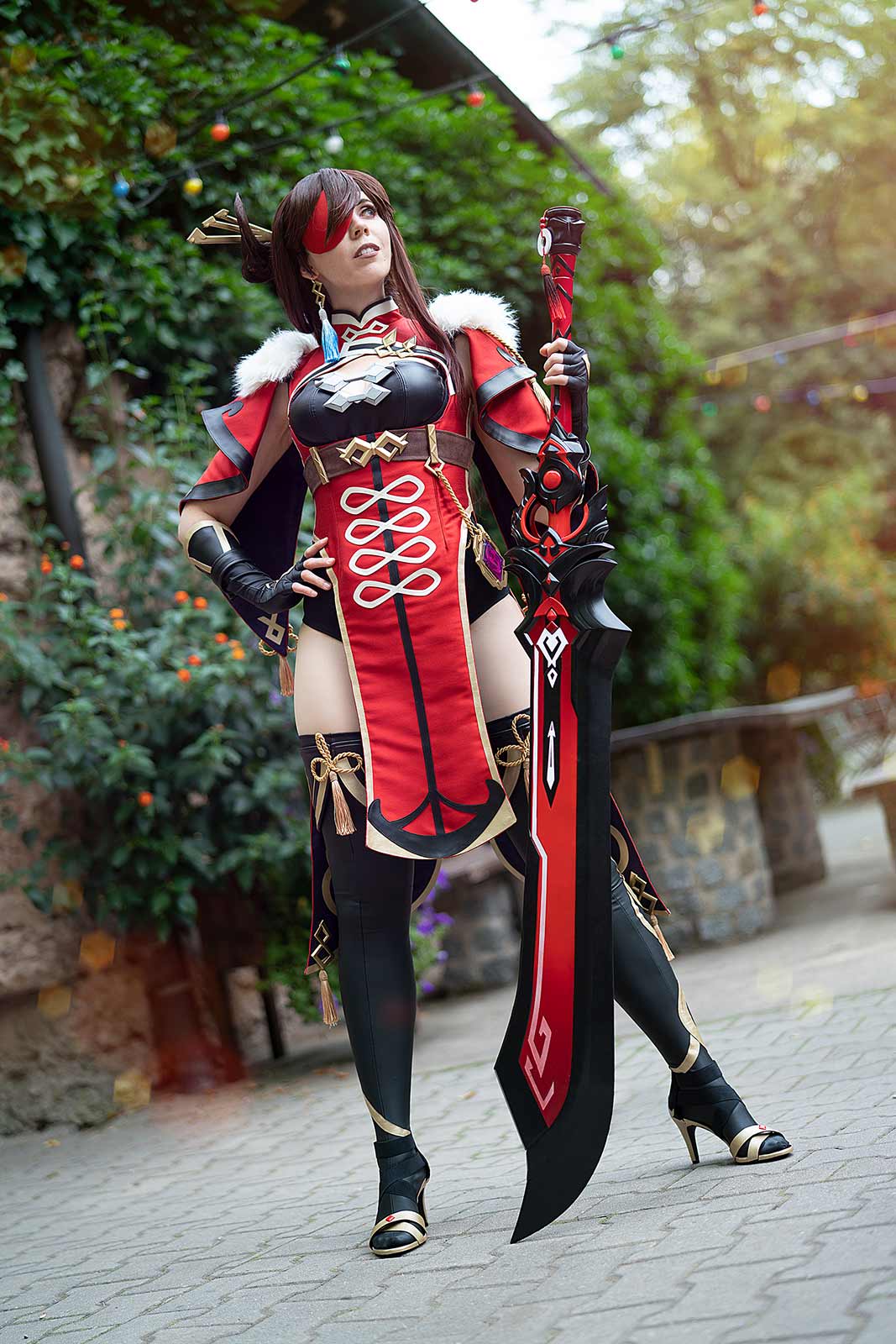
The answer lies not in the final product, but in the process. The Beidou project is a testament to the fact that cosplay has evolved into a legitimate branch of industrial design. By mastering CAD software, laser cutting, 3D printing, and complex tailoring, the modern cosplayer is effectively a "one-person production studio."
For the enthusiast, the value of creating from scratch is found in the intimacy of the craft—the understanding of how a material moves, how a weight balances, and how a character’s silhouette is constructed. As the lines between digital gaming and physical reality continue to blur, projects like this serve as a roadmap for the future of fan-driven creativity, proving that with enough technical rigor, the legends of Teyvat can indeed step into our world.

 Azzam Bilal Chamdy