

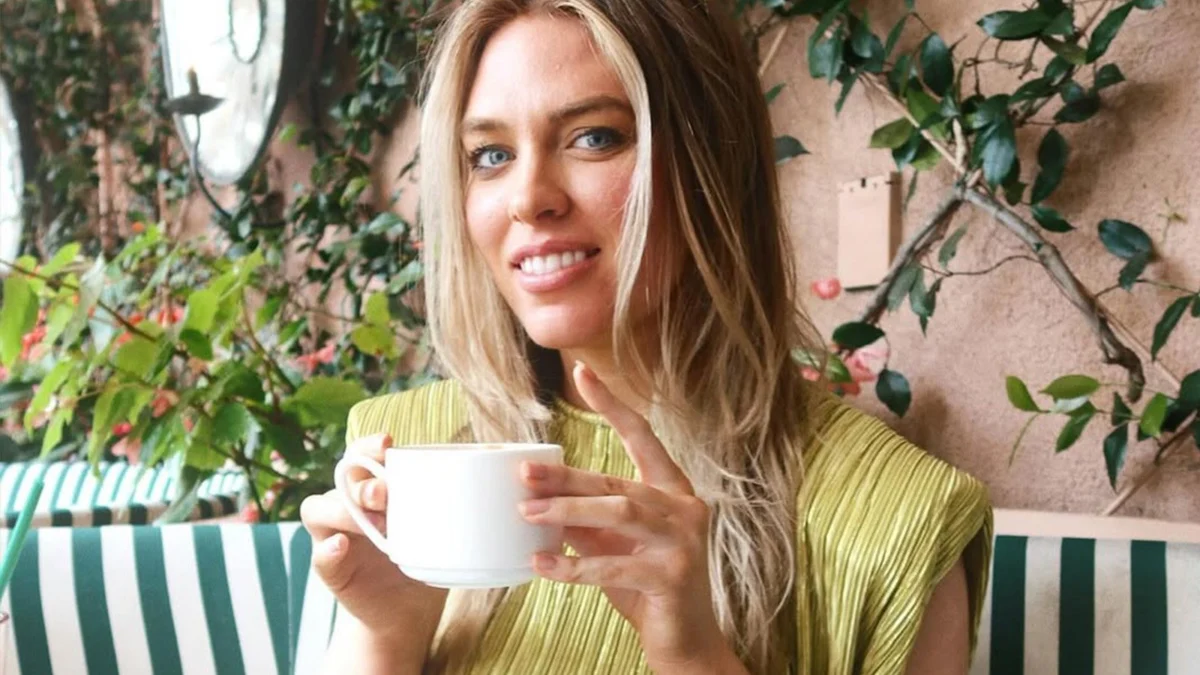
Main Facts: A New Legal Front in the Creator Economy
Popular Twitch streamer and content creator QTCinderella has officially declared war on "hate-farming" clip accounts. In a firm, unequivocal statement released on May 28, 2026, the streamer announced her intention to utilize DMCA (Digital Millennium Copyright Act) takedown notices to combat the proliferation of malicious, out-of-context content being used to harass her.
For years, the "clip-farming" industry—the practice of taking short, often decontextualized snippets of a streamer’s broadcast to drive engagement on platforms like X (formerly Twitter)—has been a gray area in the digital landscape. However, QTCinderella has drawn a hard line, labeling these specific accounts as "parasitic" and "bad faith actors." Her decision marks a significant shift in how high-profile creators are choosing to defend their reputations against the modern scourge of algorithmic rage-bait.
Chronology: From Grief to Litigation
The catalyst for this decision was deeply personal. QTCinderella had spent the better part of May 2026 away from the public eye, mourning the death of her dog, Swift, a companion of 15 years. Upon attempting to reintegrate into her professional life after this period of mourning, she was met with a barrage of targeted harassment.
- Early May 2026: QTCinderella enters a self-imposed social media hiatus to process the loss of her pet.
- Late May 2026: Upon returning to her online presence, she discovers that several high-traffic clip accounts have been systematically misrepresenting her past streams.
- May 28, 2026: QTCinderella posts an official statement on X, outlining her new legal policy regarding the unauthorized and malicious use of her intellectual property.
- June 2026 and Beyond: The streaming community watches as the precedent is set, with fans actively identifying and reporting accounts that engage in bad-faith editing of the creator’s content.
In her statement, she explicitly noted the emotional toll of returning to a digital environment that had become increasingly hostile during her absence. "I have been away from every aspect of the internet for the last few weeks actively grieving my best friend," she wrote. "To come back online to see parasitic… accounts hate-farming me… is something that I am setting my boundary on."
The "Hate Farming" Phenomenon: Anatomy of a Digital Problem
"Hate farming" is a predatory social media strategy where accounts harvest clips of streamers, edit them to remove context, and pair them with inflammatory captions to trigger negative engagement. Because algorithms on platforms like X reward high-comment, high-share posts—regardless of whether that sentiment is positive or negative—these accounts thrive on manufacturing outrage.
The Economics of Outrage
These accounts are not merely "fans" reposting content; they are often businesses operating on a scale that circumvents copyright law. By repurposing the labor of streamers to drive ad revenue or subscription sign-ups for their own channels, these accounts are effectively monetizing the harassment of the very people they are "clipping."
QTCinderella’s decision to move beyond mere blocking or reporting and into legal action is a strategic escalation. By utilizing the DMCA, she is leveraging federal copyright law to compel platforms to remove infringing content, a move that can lead to permanent account suspension for repeat offenders.
Supporting Data and Broader Industry Trends
QTCinderella is not the first creator to feel the sting of this trend, nor is she the first to consider legal action. The creator economy has been grappling with the "clip-industrial complex" for several years, but 2026 has seen a sharp increase in aggressive, defamatory, and fabricated content.
Precedents and Failed Deterrents
In April 2026, streamer Jasontheween threatened legal action against an X account that had falsely linked him and fellow creator Pokimane to a high-profile criminal investigation involving the artist D4vd. While the account eventually deleted the offending posts, the incident highlighted the ease with which massive, life-altering lies can be spread via "clip" formats.
Pokimane later addressed the issue, noting that while the legal route remains an option, it is often a long and arduous process that requires significant financial investment. The fact that creators are now collectively contemplating legal avenues suggests that the existing reporting tools provided by social media platforms are insufficient to curb the tide of misinformation.
Official Responses and Platform Adjustments
The social media landscape is beginning to acknowledge the problem, albeit slowly. Nikita Bier, the head of product at X, recently addressed the programmatic reuploading of content. In a series of posts, Bier admitted that the platform has identified numerous "large accounts" that exist solely to game the revenue-share program by stealing content from smaller creators.
"We are now identifying these posts and allocating the impressions entirely to their original creators," Bier stated. While this is a step toward protecting revenue, it does not necessarily address the issue of harassment or the malicious intent behind "hate-farming."
For creators like QTCinderella, the issue is not just about lost revenue; it is about the degradation of their public image and the mental health toll of constant, manufactured controversy. Her call to action—encouraging fans to tag offending accounts to streamline her legal team’s efforts—indicates a community-led movement to "clean up" the digital space.
Implications: The Future of Creator Rights
The legal battle QTCinderella is initiating has profound implications for the future of the internet. If she successfully utilizes the DMCA to strike down "malicious" (as opposed to just "unauthorized") clips, it could establish a legal standard that prioritizes a creator’s right to their digital persona over the "fair use" defenses often cited by clip-farm operators.
1. Shift in Copyright Enforcement
Historically, creators have been lenient with fan-made clips because they offer free publicity. However, the rise of "bad faith" editing has soured this relationship. We may see a future where creators require licensing agreements for anyone wishing to use their likeness or voice, effectively ending the era of "clip-farming" as a viable business model.
2. The Mental Health of Creators
The psychological burden of being a public figure is compounded when one is constantly fighting a war against misinformation. By taking a stand, QTCinderella is signaling to her peers that it is acceptable to protect one’s peace. The community response—which has been largely supportive—suggests a growing public fatigue with "rage-bait" content.
3. Platform Liability
As creators exert more pressure on social media companies, those platforms will be forced to choose between supporting the "engagement" generated by these hate-farms or protecting the high-value creators who drive traffic to their sites. If major streamers begin leaving platforms or taking them to court, the current model of passive moderation will likely collapse.
Conclusion: A Line in the Sand
QTCinderella’s decision to pursue legal action is a watershed moment for the creator economy. It marks the transition from a "Wild West" era of content sharing to a more mature, litigious, and protective phase. By labeling the practice as "bullsh*t" and refusing to tolerate the character assassination that comes with it, she is advocating for a digital environment where creators own the narrative of their own lives.
Whether this move will effectively dismantle the hate-farming industry remains to be seen. However, as more creators follow suit, the cost of manufacturing outrage may soon outweigh the benefits. For now, QTCinderella has set the boundary, and it is a clear message to the internet: content is not synonymous with consent, and malicious intent will no longer be met with silence.










No comments yet. Be the first to join the conversation!