

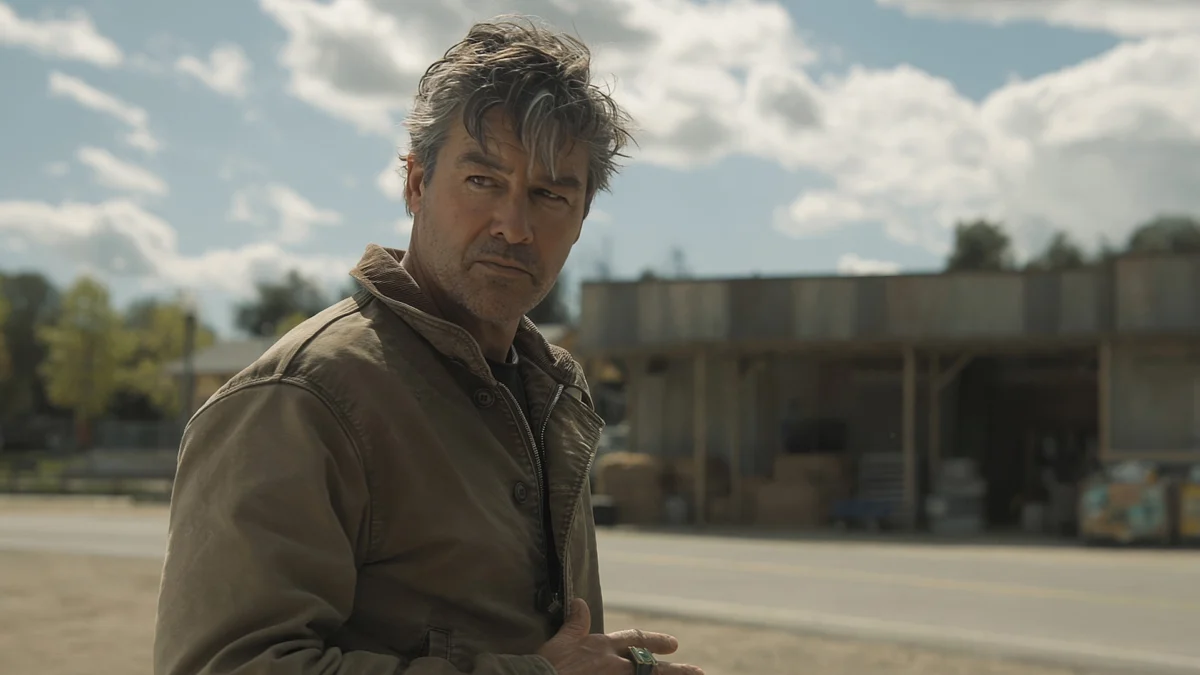
For decades, the Green Lantern Corps has been defined by a singular, daunting mantra: "In brightest day, in blackest night, no evil shall escape my sight." To wear the ring is to be a paragon of fearlessness. Yet, for the dedicated fanbase of DC Comics’ most sprawling intergalactic police force, the road to the upcoming HBO series Lanterns has been paved with a different kind of apprehension.
For months, the marketing surrounding the project felt oddly detached from the source material. Promos and press junkets leaned heavily into a "grounded mystery" aesthetic, frequently comparing the tone to the gritty, earthbound existentialism of True Detective. Even the marketing materials seemed hesitant to embrace the brand’s cosmic identity, with early teasers stripping the titular green hues from the title cards. However, the latest trailer has finally pulled back the curtain, signaling a course correction that promises to satisfy both the casual viewer and the die-hard space-opera aficionado.
A Galactic Expansion: What the New Footage Reveals
The latest Lanterns trailer serves as a visual feast, finally grounding the series in the sci-fi roots fans have been clamoring for. Beyond the atmospheric tension, we are treated to glimpses of Aaron Pierre’s John Stewart—a character long overdue for a definitive live-action portrayal—carrying the iconic power battery.
Eagle-eyed viewers were quick to spot Nathan Fillion reprising his role as Guy Gardner, bridging the continuity from Superman, and Ulrich Thomsen’s chilling portrayal of the legendary villain Sinestro within the confines of an Oan Sciencell. Most importantly, the color green has returned in full force. From the glowing constructs to the verdant ambient lighting of the corps’ headquarters, the aesthetic identity of the franchise is finally being honored.
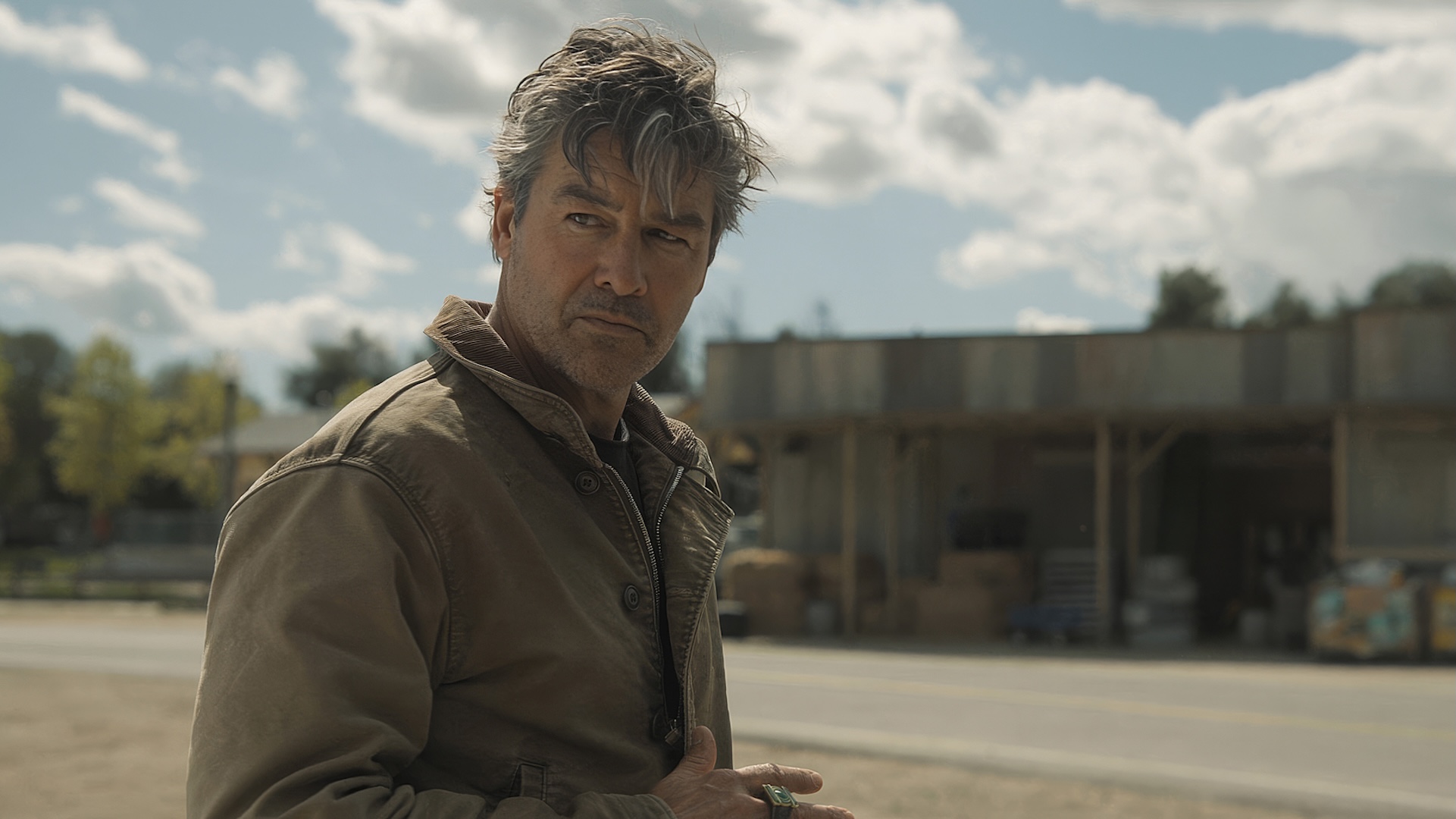
However, the centerpiece of the excitement remains the casting of Kyle Chandler as Hal Jordan. In a landscape often cluttered with origin stories and brooding reboots, Chandler’s portrayal offers something far more compelling: a seasoned, weary, yet undeniably magnetic veteran.
The Evolution of a Hero: A Chronological Look at Hal Jordan
To understand the weight of Chandler’s performance, one must look at the historical trajectory of Hal Jordan. Created by John Broome and artist Gil Kane, Jordan debuted in Showcase Comics #22 in 1959. He was the antithesis of the Golden Age’s Alan Scott; where Scott was a mystical, magic-wielding engineer, Jordan was a test pilot—a man of science and steel who stumbled into an alien legacy.
The Silver and Bronze Age "Hot-Shot"
In his early years, Jordan was the quintessential "cocky flyboy." Modeled after the suave, mid-century charm of Paul Newman, he was the face of the space age. He represented American optimism and the "right stuff" ethos. However, maintaining that level of perfection for over six decades proved difficult.
The Identity Crisis of the 70s and 80s
As comics moved into the 1970s, the "Green Lantern/Green Arrow" run by Dennis O’Neil and Neal Adams forced a reckoning. Jordan was portrayed as a "wet-blanket conservative," often clashing with his socially conscious peers. He was a man out of time, struggling to reconcile his authoritarian duties with a rapidly changing American social landscape. This era cemented the idea that Jordan was not just a hero, but a deeply flawed, often stubborn individual.
The Parallax Era and the Modern Renaissance
The 1990s pushed Jordan to his absolute breaking point, as he famously descended into madness, destroyed the Corps, and became the villainous entity known as Parallax. While later retcons restored his status as a hero, the baggage remained. For many modern readers, Jordan is a character defined by his ability to survive his own catastrophic failures.
Chandler’s Masterclass: Subverting the Archetype
The genius of Chandler’s performance in the Lanterns trailer lies in his age. We aren’t meeting the wide-eyed test pilot from Coast City; we are meeting a man who has seen the collapse of empires and the death of friends.
When we see Chandler’s Jordan effortlessly create a dollar bill out of thin air just to play a song on a jukebox, it signals a character who is comfortable with god-like power—perhaps too comfortable. There is a palpable friction in his interactions with the younger John Stewart. Jordan isn’t playing the role of the mentor because he wants to; he’s playing it because he’s the only one left who knows how.
This dynamic avoids the "grumpy mentor" trope by imbuing it with charm. Chandler brings a twinkle to his eye that suggests that while he is cynical about the job, he still possesses that fundamental, dangerous spark of heroism. It is a performance that bridges the gap between the reckless pilot of the 60s and the haunted veteran of the 2000s.
Supporting Data: Why Tone Matters
The hesitation regarding Lanterns in its early stages was rooted in a common industry pitfall: the desire to "elevate" superhero media by stripping away its "super" elements. While grounded character studies are welcome, the Green Lantern mythos is inherently cosmic. It requires the high-concept sci-fi trappings—the alien worlds, the ring-construct physics, and the vast political bureaucracy of the Guardians of the Universe—to function.
Market research and fan sentiment analysis suggest that audiences are suffering from "grounded fatigue." Shows like The Mandalorian and Andor have proven that high-budget, high-concept sci-fi can be just as emotionally resonant as a grounded crime drama. By finally embracing the green, the sci-fi setting, and the sheer weirdness of the Oan universe, HBO is positioning Lanterns to capture the imagination of a generation that has grown tired of street-level superhero stories.
Implications for the DC Universe
The success of Lanterns is pivotal for the future of the DC franchise under James Gunn and Peter Safran. As the first major television series intended to flesh out the cosmic side of this new cinematic universe, it carries the burden of establishing the "rules" for extraterrestrial life and intergalactic law.
If Chandler’s Jordan is the anchor, then the series succeeds or fails based on its ability to balance his personal redemption arc with the broader world-building required to launch a Green Lantern Corps franchise. Should this series hit the mark, we can expect to see the Green Lantern mythos expand into films, spin-offs, and potentially a multi-season saga that mirrors the scope of the Infinity Saga in the MCU, albeit with a darker, more prestige-television edge.
Conclusion: A Fearless Step Forward
We are still months away from the August 16, 2026, premiere, and many questions remain. How will the show handle the more controversial elements of Jordan’s history? How will it juggle the ensemble cast of various Lanterns?
Yet, for the first time since the project was announced, the prevailing emotion among the fanbase is no longer fear—it is anticipation. In Kyle Chandler, HBO has found an actor capable of carrying the weight of a franchise that has, for far too long, struggled to find its footing. He is the cocky flyboy, the seasoned veteran, and the man who makes a dollar bill with a ring just because he can. If this is the Hal Jordan we are getting, the future of the Green Lanterns looks brighter than it has in years.











No comments yet. Be the first to join the conversation!