Dwi Wanna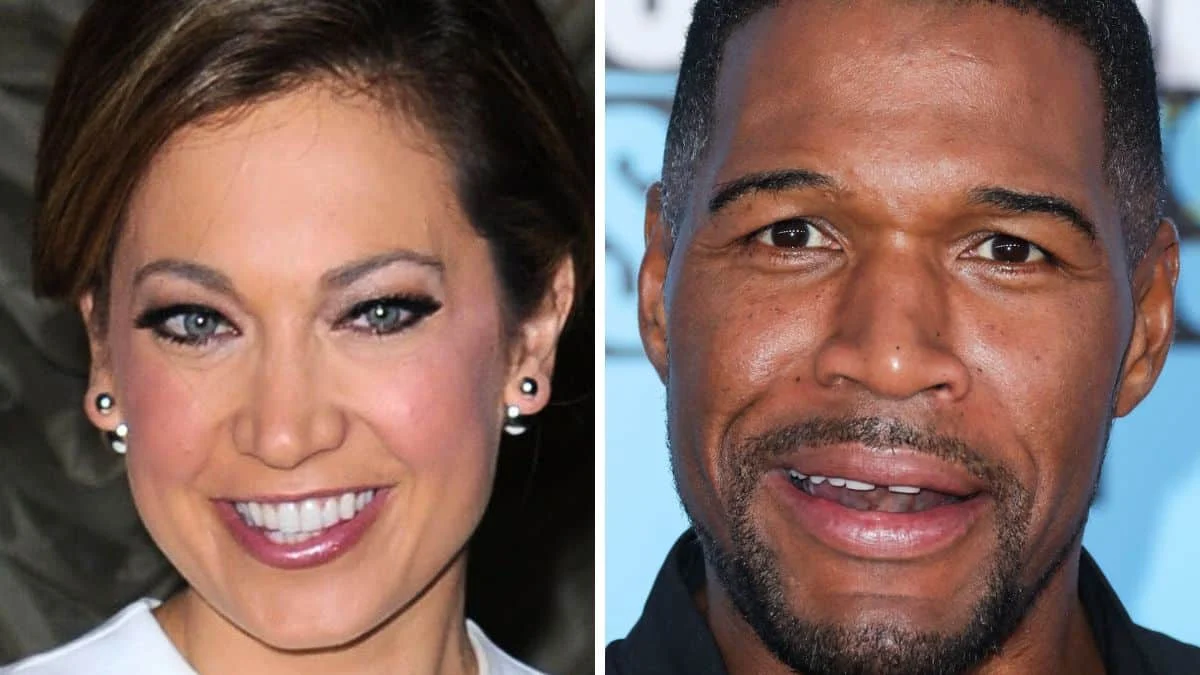
In the fast-paced world of morning television, few personalities balance the line between studio glamour and field-based peril as effectively as Ginger Zee. As the Chief Meteorologist for ABC News and Good Morning America (GMA), Zee has become a household name not just for her forecasts, but for her willingness to embed herself in the most volatile weather conditions on the planet. This week, Zee once again traded the controlled environment of New York City’s Times Square Studios for the unpredictable plains of the Midwest, heading into a zone of high meteorological risk.
The move comes amid a significant weather system threatening parts of Minnesota, Iowa, and Wisconsin. However, what caught the attention of fans as much as the storm itself was a lighthearted interaction between Zee and her colleague, Michael Strahan. As Zee prepared for her departure, a candid social media moment revealed the stark contrast between the duties of a studio anchor and the hazardous responsibilities of a field meteorologist, leading to a playful public invitation for Strahan to join the hunt for "the big one."
Main Facts: A Convergence of Severe Weather and Studio Banter
The core of this developing story lies in the serious meteorological threat currently facing the American Midwest. ABC News’ weather team identified a potent storm system capable of producing destructive winds, large hail, and, most significantly, strong tornadoes. Ginger Zee, acting in her capacity as Chief Climate Correspondent, made the executive decision to deploy to Minnesota to provide real-time coverage and expert analysis.
While the meteorological data is the primary concern for public safety, the human element of the GMA team provided a viral moment of levity. During an Instagram Reel recorded in the early morning hours at the Times Square Studios, Michael Strahan made an unexpected cameo. The interaction highlighted the mutual respect and the distinct professional boundaries between the two hosts. Strahan, a former NFL star turned broadcasting titan, candidly admitted his reluctance to trade the safety of the studio for the chaos of a tornado’s path, prompting Zee to later issue a "challenge" for him to join her on a future chase.
Chronology: From Early Morning Forecasts to the Minnesota Frontlines
The sequence of events began in the pre-dawn hours of Monday morning. As the city that never sleeps began to stir, Zee was already deep into the data, analyzing satellite imagery and pressure gradients that suggested a dangerous atmospheric setup in the Midwest.
The Morning Briefing and Social Media Announcement
At approximately 6:00 AM ET, Zee took to her Instagram account to provide her followers with a "behind-the-scenes" look at the day’s forecast. Standing in front of the high-definition displays at the ABC News weather center, she detailed the specific risks. She noted that while early morning rain in the Minnesota area might temporarily stabilize the atmosphere, the afternoon heat was expected to cause "destabilization," a process that provides the energy necessary for supercell thunderstorms to form.
The Strahan "Photobomb"
It was during this recording that Michael Strahan entered the frame. The interaction was unscripted and served as a testament to the chemistry of the GMA morning crew.
- The Dialogue: Strahan, noticing Zee’s intensity, remarked on her bravery. "Okay, you’re going right into the middle of it, as you always do," he noted, before adding with a grin, "And that’s why I stay here, cuz I’m not tough like Ginger."
- The Reaction: Zee laughed off the comment, maintaining her professional composure while acknowledging the humor in the situation.
The Departure
Following the live broadcast of Good Morning America, Zee and her production crew finalized their travel logistics. By midday, the team was en route to Minnesota, strategically positioning themselves to intercept the storm front. This move is part of ABC News’ commitment to "First Alert" coverage, ensuring that viewers in the path of the storm receive the most accurate, ground-level information possible.
The Social Media Challenge
Once the initial rush of travel began, Zee kept the momentum going on her Instagram Stories. Reposting the video of Strahan, she added a cheeky caption: “Since @michaelstrahan stumbled into my forecast today… maybe he should come with on the next tornado chase?” This post sparked a wave of fan engagement, with many viewers expressing a desire to see the "Odd Couple" of weather chasing in action.
Supporting Data: The Science Behind the Storm
The decision to deploy a Chief Meteorologist to the field is not made lightly; it is driven by data that suggests a significant threat to life and property. The current weather event is characterized by several high-risk factors:
- Atmospheric Instability (CAPE): Meteorologists were tracking high Convective Available Potential Energy (CAPE) values across the Iowa-Minnesota border. When combined with strong wind shear, these values indicate an environment where rotating thunderstorms (supercells) are likely.
- The "Red Zone": Maps shared by Zee highlighted a specific "red" area covering southeastern Minnesota, northern Iowa, and western Wisconsin. This region was identified by the Storm Prediction Center (SPC) as having an elevated risk for tornadoes (EF-2 or higher).
- The Timing Factor: The transition from a "stable" morning to a "volatile" afternoon is a classic setup for severe weather outbreaks. Zee’s reporting emphasized that the morning rain acted as a "cap" that, once broken by afternoon heating, would lead to explosive storm growth.
Zee’s role as a climate correspondent also means she looks at these events through a broader lens. The increasing frequency and intensity of severe weather events in regions like the Midwest are often discussed in the context of shifting climate patterns, a topic Zee has explored extensively in her documentaries and books.

Official Responses and Public Reaction
The response to Zee’s deployment and her interaction with Strahan has been overwhelmingly positive, reflecting the high level of trust the public places in her.
Audience Engagement
On social media, followers praised Zee for her dedication. Comments ranged from "Stay safe, Ginger!" to more analytical requests for specific local forecasts. The interaction with Strahan, however, added a layer of "infotainment" that resonated with the GMA audience. Fans on platforms like X (formerly Twitter) and Instagram began tagging Strahan, jokingly accusing him of being "scared" and encouraging him to accept Zee’s invitation.
The "New Show" Call
Interestingly, this event has reignited a recurring sentiment among viewers: the desire for Ginger Zee to host her own dedicated weather and climate program. Following her recent fill-in stints as a co-host on the main GMA desk, viewers have taken to comment sections to lobby ABC executives. They argue that her ability to explain complex science while maintaining a relatable, "tough" persona makes her one of the most versatile assets in modern news.
ABC News Strategy
While there has been no official statement from ABC News regarding a new show for Zee, the network continues to lean heavily into her field reporting. By allowing these "unfiltered" moments with Strahan to be shared on social media, the network effectively humanizes its anchors, building a bridge between the news desk and the digital audience.
Implications: The Evolving Face of Weather Journalism
The "Ginger Zee/Michael Strahan" moment is more than just a viral clip; it represents a significant shift in how news is consumed and delivered in the 21st century.
1. The Humanization of Science
For decades, meteorologists were seen as the "people in front of the green screen." Zee has pioneered a more visceral form of weather journalism. By showing the preparation, the travel, and the interactions with colleagues, she makes the science of meteorology more accessible. When she invites a non-scientist like Strahan into her world, she highlights the "toughness" required for the job, elevating the status of the profession.
2. Social Media as a Primary News Source
The fact that this story broke and gained traction on Instagram before it hit the evening news cycle underscores the importance of social media in modern journalism. For residents in Minnesota and Iowa, Zee’s Instagram Reels provided immediate, digestible warnings that complemented the formal broadcasts.
3. The Importance of Field Presence
In an era of satellite imagery and AI-driven models, some might argue that sending a reporter to a storm zone is unnecessary. However, Zee’s presence serves a dual purpose: it provides "ground truth" (verifying what the radar sees with what is actually happening on the ground) and it offers a psychological comfort to viewers. Seeing a trusted figure like Zee on the scene reinforces the seriousness of the warning.
4. The "Strahan Effect"
Michael Strahan’s reaction—admitting he prefers the studio—is the reaction of the average person. By playing the "everyman" in this scenario, he highlights Zee’s expertise and bravery. If Strahan were to actually join a chase, it would likely be one of the highest-rated segments in GMA history, merging the worlds of sports, entertainment, and hard news.
Conclusion
As Ginger Zee navigates the muddy backroads of the Midwest, tracking the rotation of clouds and the drop in barometric pressure, she carries with her the dual responsibility of a scientist and a storyteller. The playful banter with Michael Strahan serves as a reminder that even in the face of nature’s fury, the human connection remains vital.
Whether or not Strahan eventually takes Zee up on her offer to chase a tornado, the invitation itself has served its purpose: it has drawn eyes to a dangerous weather situation and highlighted the tireless work of the ABC News weather team. For now, Zee remains the "tough one," standing in the wind so that millions of viewers can stay safe, informed, and—thanks to her studio colleagues—occasionally entertained.


 Neng Nana
 Muslim