
 Ammar Sabilarrohman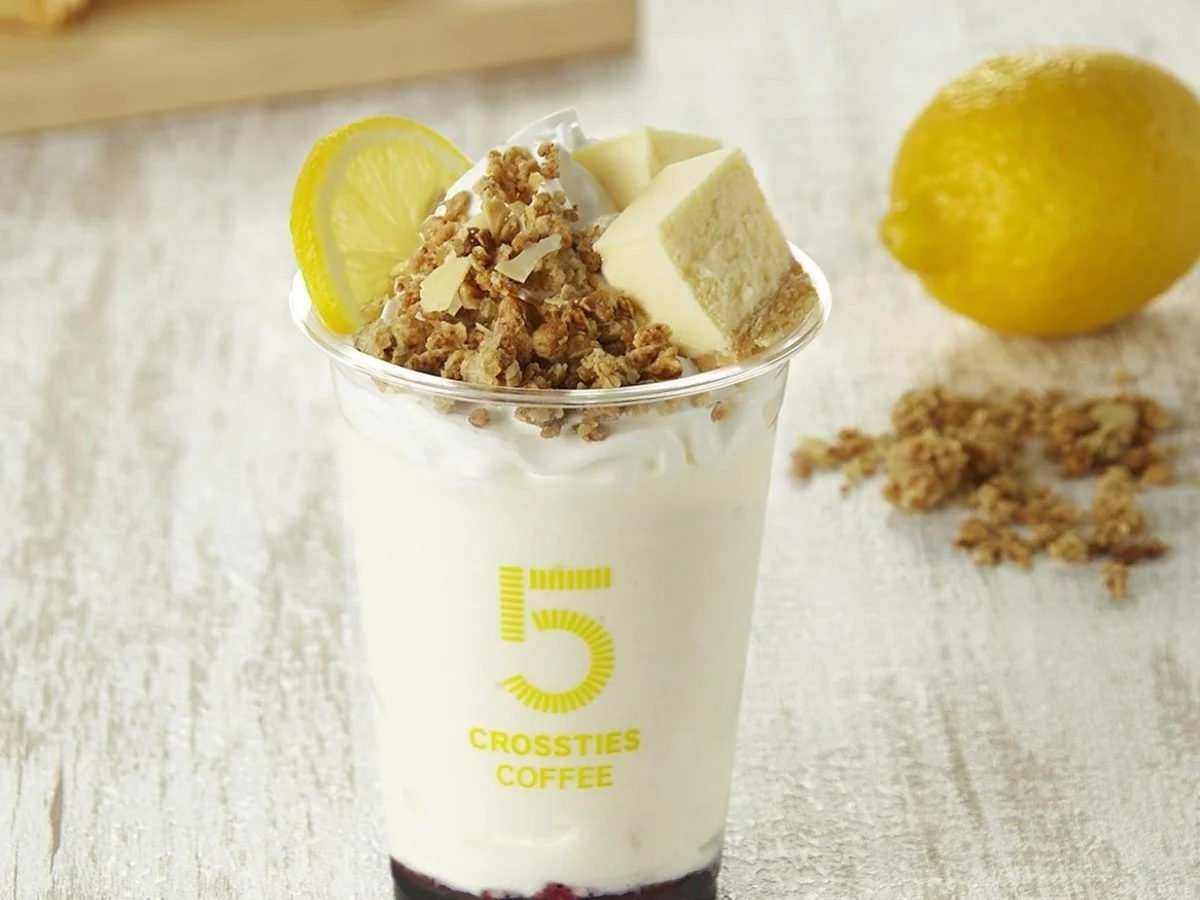
Japan has long been a global pioneer in the unconventional beverage market. From the neon-lit aisles of urban convenience stores to the ubiquity of vending machines tucked into quiet residential corners, the nation’s drink culture has consistently blurred the lines between hydration and sustenance. While the West might categorize a beverage as a simple coffee, soda, or juice, the Japanese market has spent decades pushing the boundaries of what constitutes a "drinkable" experience.
This tradition of culinary experimentation has recently yielded some truly surreal results. Consumers have grown accustomed to finding canned curry—a savory meal in a pull-tab container—and the divisive "Butter Drink," which tests the limits of liquid fat consumption. However, the latest entrant into this niche market suggests that the "drinkable" trend is moving away from shock-value gimmicks and toward sophisticated, gourmet craftsmanship.
Enter the 5 CROSSTIES COFFEE "Cheesecake Smoothie," a dessert-forward beverage that promises to revolutionize the way commuters interact with their favorite pastries.
Main Facts: The Cheesecake Smoothie Experience
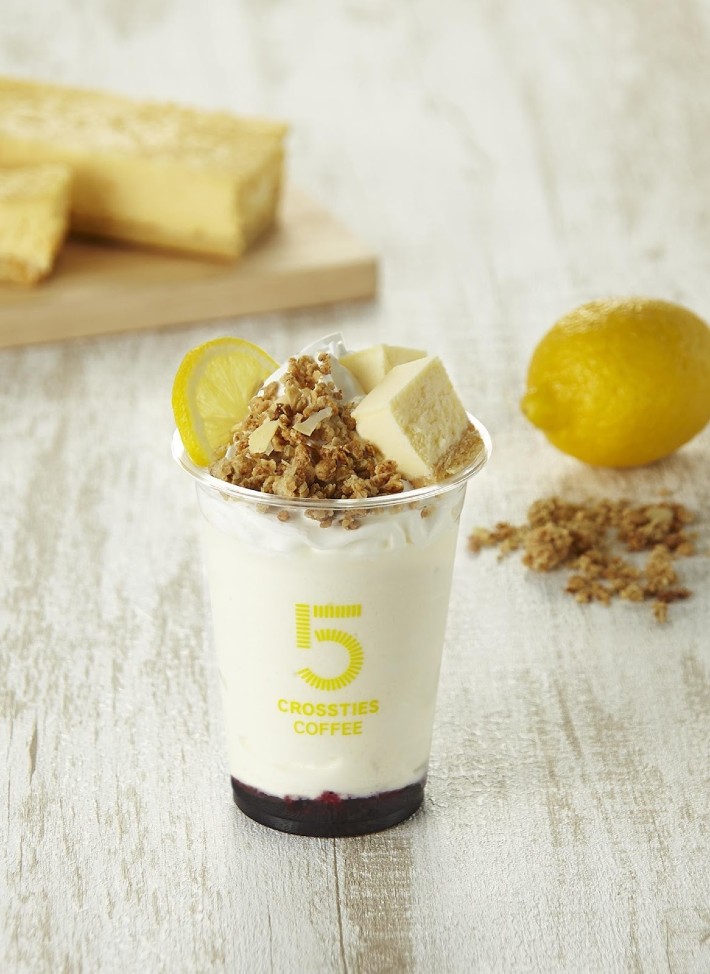
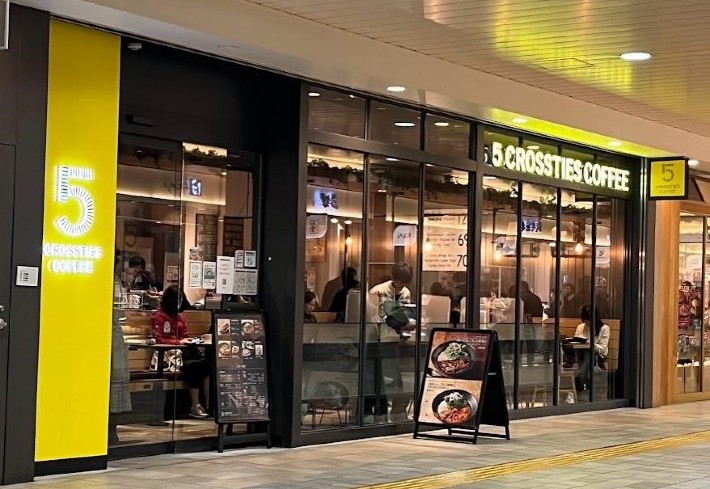
5 CROSSTIES COFFEE, a boutique café chain primarily situated within the high-traffic transit hubs of the Tokyo metropolitan area, has officially announced the launch of its seasonal Cheesecake Smoothie. Available from January 30 to April 30, this limited-edition offering aims to bridge the gap between a high-end bakery treat and a convenient, grab-and-go morning pick-me-up.
Unlike traditional smoothies that rely solely on fruit purees, the 5 CROSSTIES offering is a complex, multi-layered confection. The base consists of a velvety blend of blueberry jam and rich cream cheese, processed into a chilled smoothie consistency. However, the "drinkable" nature of the product is elevated by its artisanal toppings. Each cup is finished with generous crumbles of authentic cheesecake and a crunchy layer of granola, providing a textural contrast that mimics the experience of eating a dessert with a fork.
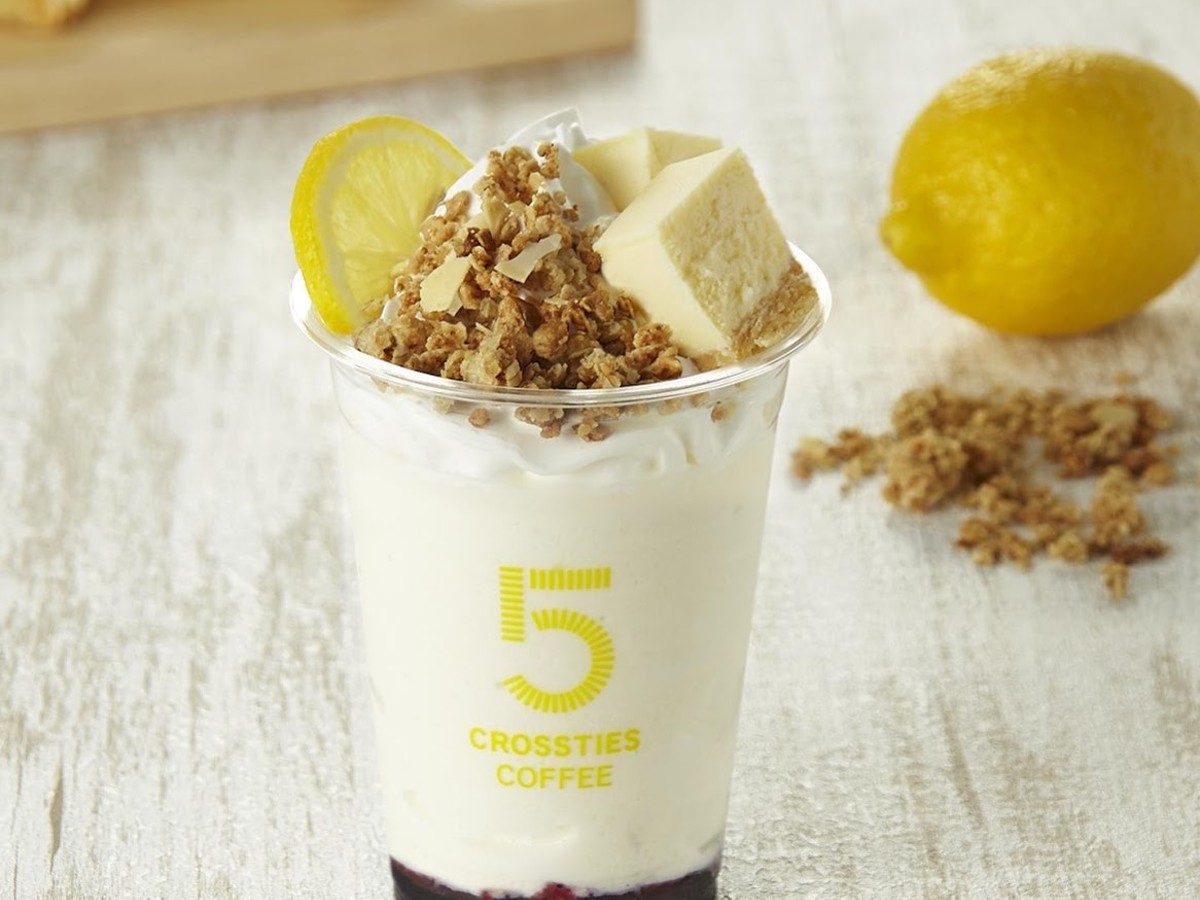
Perhaps most importantly, the beverage is designed with a nuanced flavor profile. According to the brand, the smoothie is balanced by a refreshing lemon finish, cutting through the density of the cream cheese to ensure the drink remains palatable despite its decadent ingredients. It is a calculated attempt to deliver the full sensory profile of a classic New York-style cheesecake within a portable, warm-cup presentation.
Chronology of a Culinary Evolution
To understand the significance of the Cheesecake Smoothie, one must look at the trajectory of the Japanese "drinkable food" market.
Early Days: The Utility Era
In the early 2000s, the "drinkable" trend was largely functional. It began with "jelly drinks"—vitamin-fortified, pouch-based supplements designed for salarymen and students who lacked the time to sit down for a traditional meal. These were not meant to be gourmet; they were meant to be efficient.
The Experimental Pivot
Around 2015, manufacturers began to experiment with flavor profiles that went beyond standard fruit and yogurt. This era saw the introduction of liquid soup vending machines, where hot corn potage or miso soup became the standard for winter commutes. This normalized the idea of "sipping" something that felt like a meal.
The "Bizarre" Frontier (2020–2022)
The pandemic-era obsession with novelty led to the rise of viral, social-media-friendly drinks. This included the infamous canned curry and the butter-infused beverages mentioned earlier. These products often served as "Instagram bait"—items purchased for their novelty rather than their sustained culinary appeal.
The Gourmet Transition (2023–Present)
The launch of the 5 CROSSTIES Cheesecake Smoothie marks a shift toward the "premium-casual" market. By utilizing the distribution network of JR-East station cafés, the brand is targeting a demographic that values high-quality ingredients but demands the convenience of a train-station environment. This is no longer about drinking a meal; it is about elevating a snack into a sophisticated, portable experience.
Supporting Data: Market Dynamics and Consumer Behavior
The success of a product like the Cheesecake Smoothie is not accidental; it is backed by shifting consumer behaviors in Japan’s urban centers.
- The "Time-Performance" Factor: In Japanese marketing, this is known as taipa (time-performance). Urban professionals in Tokyo spend significant portions of their day commuting. Products that offer a high-value experience in a low-time-investment format are consistently outperforming traditional sit-down café items.
- Seasonal Exclusivity: The three-month window (January to April) is a strategic choice. By limiting the product’s availability, 5 CROSSTIES creates a sense of "FOMO" (fear of missing out), which drives foot traffic to their six flagship locations.
- Price-to-Value Ratio: At 750 yen (approximately $5.70 USD at the time of launch), the drink is positioned at a premium price point compared to standard station coffee. However, market research suggests that consumers are willing to pay a premium for "dessert-as-a-drink" products that utilize recognizable, high-quality ingredients like cream cheese and artisanal granola, viewing it as a replacement for a more expensive sit-down dessert.
Official Responses and Strategic Vision
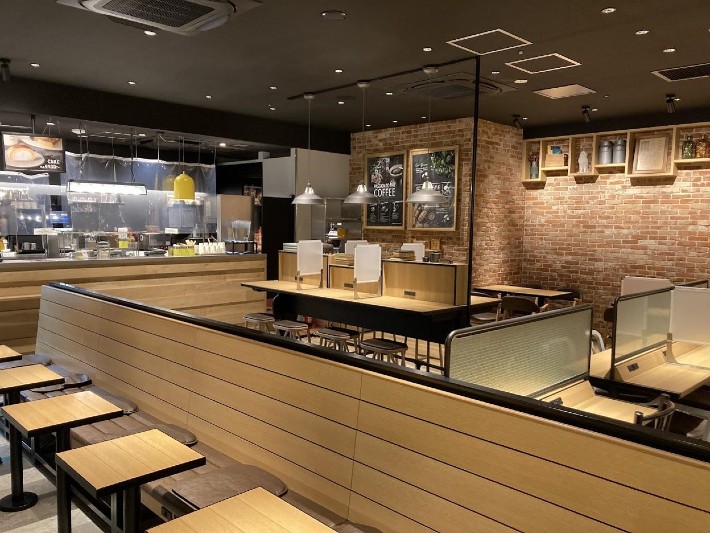
Representatives from 5 CROSSTIES COFFEE have framed the launch as a testament to their commitment to "station-side luxury." The brand, which operates under the JR-Cross retail umbrella, has focused on creating spaces that offer a reprieve from the frenetic energy of stations like Tokyo, Ueno, and Shibuya.
"Our goal was to translate the comfort of a café pastry into a format that fits the active lifestyle of our customers," a spokesperson stated. "We wanted to ensure that when a customer takes a sip, they aren’t just tasting a sugar-heavy smoothie, but the authentic balance of tart blueberry, savory cream cheese, and the bright acidity of lemon."
The company’s decision to limit the release to six specific locations—Kamakura, Gransta Tokyo, Ecute Ueno, Ecute Nippori, Ecute Edition Yokohama, and Shibuya Scramble Square—suggests a focus on high-volume, high-density hubs. By placing the product in these "Ecute" (a high-end transit mall brand) locations, they are catering to a demographic that equates these stations with quality.
Implications: The Future of "Drinkable" Foods
The Cheesecake Smoothie is more than just a seasonal menu item; it is a signal of where the Japanese food and beverage industry is heading.
The Blurring of Meal Categories
As we look toward the future, the distinction between "eating" and "drinking" will continue to dissolve. We are moving toward a "liquid-first" diet for the modern worker. The success of this smoothie suggests that consumers are increasingly comfortable with the idea of a "sippable dessert," which may lead to further innovations—perhaps drinkable tiramisu, liquid fruit tarts, or even savory gazpacho-style meal replacements that lean into gourmet flavor profiles.
The Sustainability of the Trend
While critics often dismiss these trends as transient, the economic reality is that "drinkable" desserts have proven to be resilient. They offer high margins for retailers and a low barrier to entry for consumers. As long as the Japanese transit system remains the heartbeat of the country’s workforce, there will be a sustained demand for products that bridge the gap between convenience and indulgence.
Challenges Ahead
However, the trend is not without its challenges. The primary hurdle for the "drinkable" industry remains nutritional perception. In an era where health-consciousness is on the rise, products that are high in sugar and fat, even when artisanal, may face scrutiny. The "refreshing lemon finish" mentioned in the product description is a clever marketing response to this, as it implicitly promises a lighter, more balanced experience than a traditional, heavy cheesecake.
Conclusion
The 5 CROSSTIES COFFEE Cheesecake Smoothie is a perfect synthesis of modern Japanese consumerism. It is efficient, indulgent, highly marketable, and undeniably creative. By taking the classic profile of a cheesecake and adapting it for the fast-paced environment of a train station, the brand has successfully elevated the "drinkable food" category from the shelf of a dusty vending machine to the menu of a sophisticated café.
For those passing through Tokyo’s major transit hubs between now and April, the opportunity to partake in this experiment is a reminder that in Japan, the culinary boundaries are not merely tested—they are rewritten one sip at a time. Whether this becomes a permanent fixture or remains a fleeting seasonal delight, it stands as a clear indicator of the ingenuity found in the most unlikely of places.


 Neng Nana
 Asro
Asro





