Laily UPN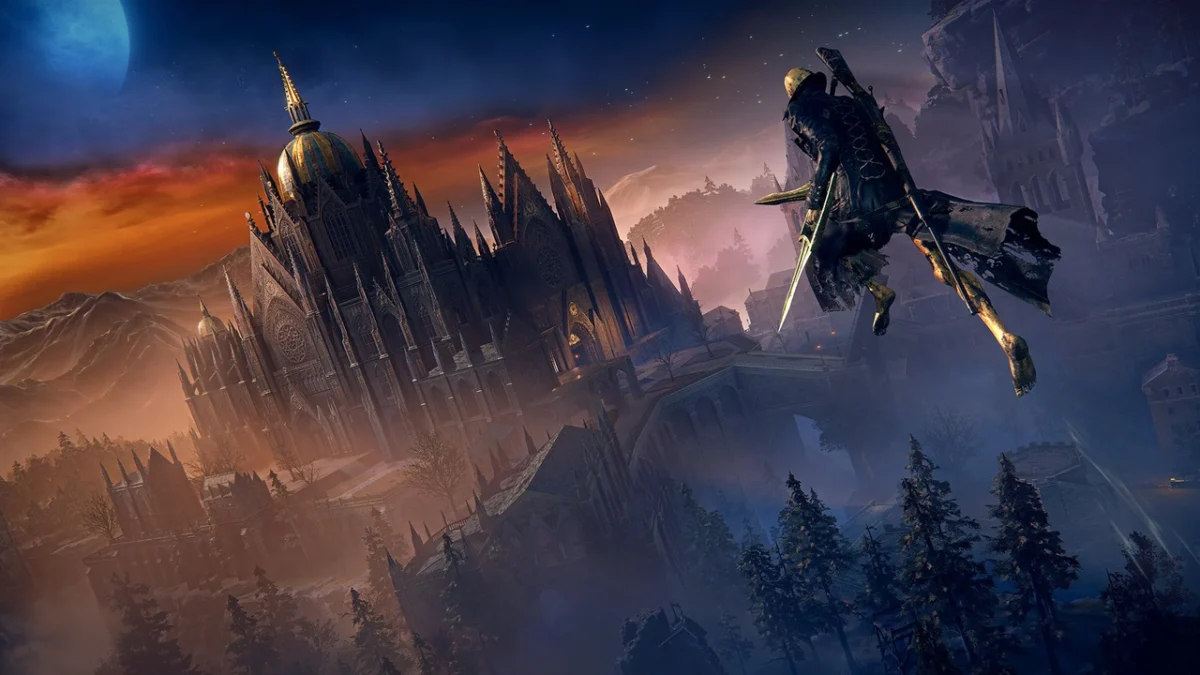
The announcement of a collaboration between Nintendo—a company synonymous with vibrant, family-centric gaming—and FromSoftware, the masters of high-stakes, uncompromising difficulty, felt like an anomaly when it first hit the headlines. However, as the industry gears up for the release of the Nintendo Switch 2 in 2026, this unexpected partnership has materialized into The Duskbloods, an ambitious online multiplayer exclusive that defies the conventions of both companies.
While the title’s gothic aesthetic and visceral blood-soaked imagery inevitably draw comparisons to FromSoftware’s magnum opus, Bloodborne, or the sprawling challenge of Elden Ring, The Duskbloods is a different beast entirely. After participating in an extensive network test, it is clear that Hidetaka Miyazaki and his team are experimenting with a new format—one that balances the studio’s signature esoteric design with the accessibility demands of a Nintendo-backed platform.
The Core Concept: A New Paradigm in PvPvE
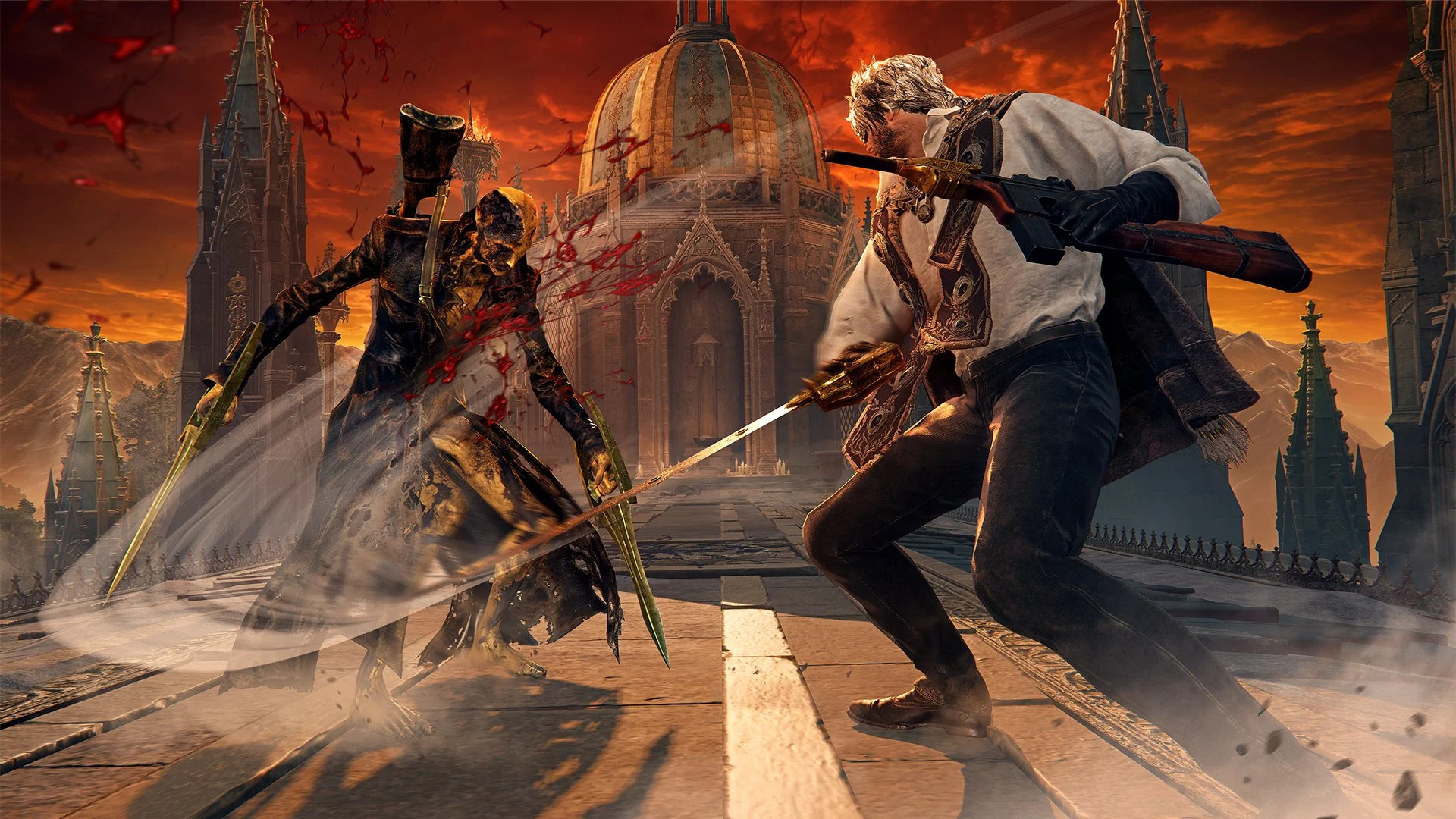
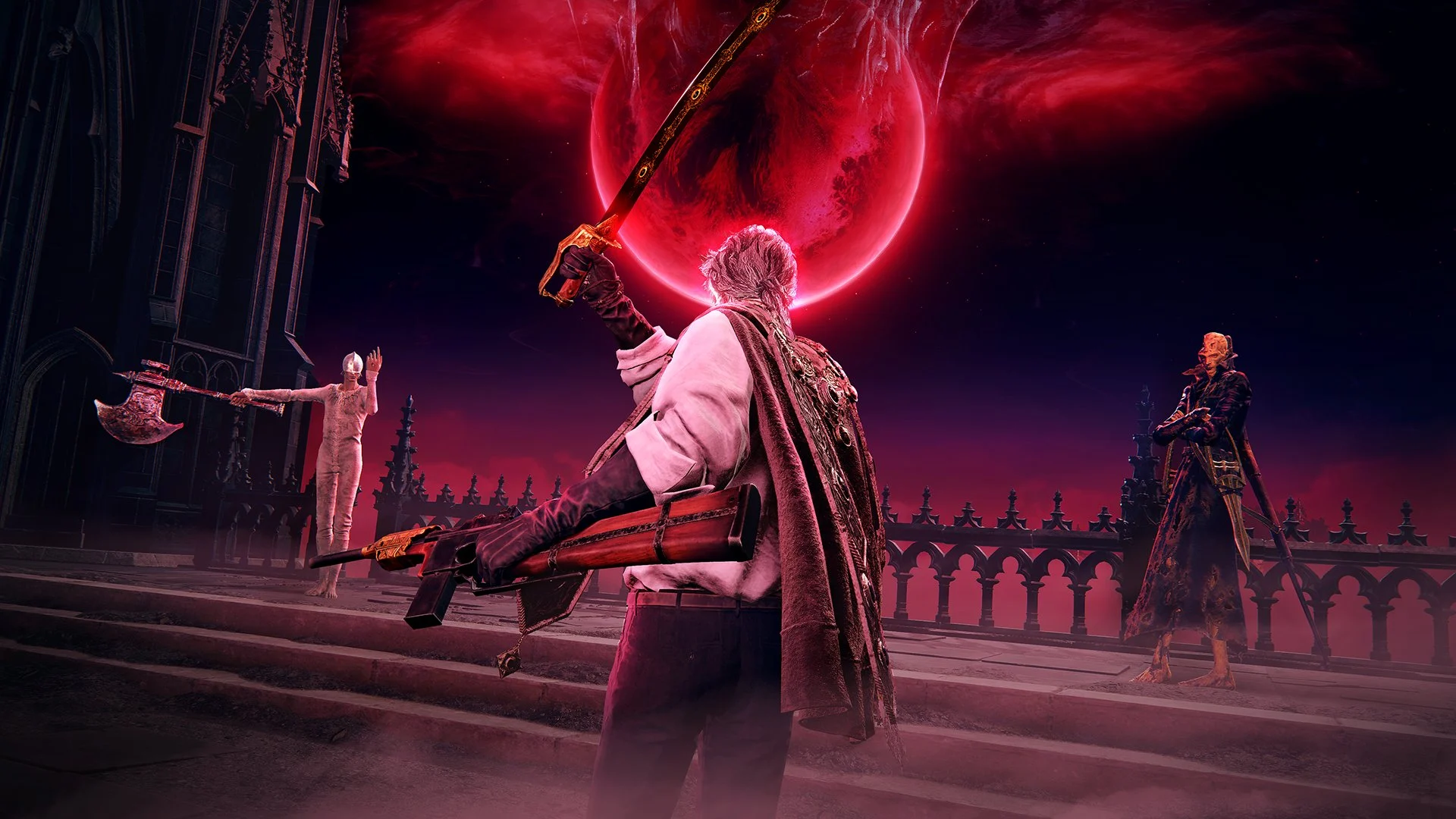
At its heart, The Duskbloods is a competitive multiplayer experience that shifts away from the traditional, solitary "soulslike" journey. Instead of the typical custom-character creation seen in Dark Souls, players step into the shoes of the "Bloodsworn"—a roster of preset, highly stylized characters vying for the elusive title of "First Blood."
This isn’t your standard Battle Royale. The game utilizes a layered "PvPvE" (Player vs. Player vs. Environment) structure. Matches are segmented into distinct phases, where players must accumulate "Virtue" to survive the periodic culls that thin the herd. Virtue can be earned by engaging in combat, exploring the decaying ruins of Lowanro City, or completing bizarre, time-sensitive objectives—such as scaling a towering clock tower to ring a bell before a rival can reach it. It is a frantic, high-mobility affair that rewards strategic positioning as much as raw combat skill.
The Cast: A Gallery of the Grotesque
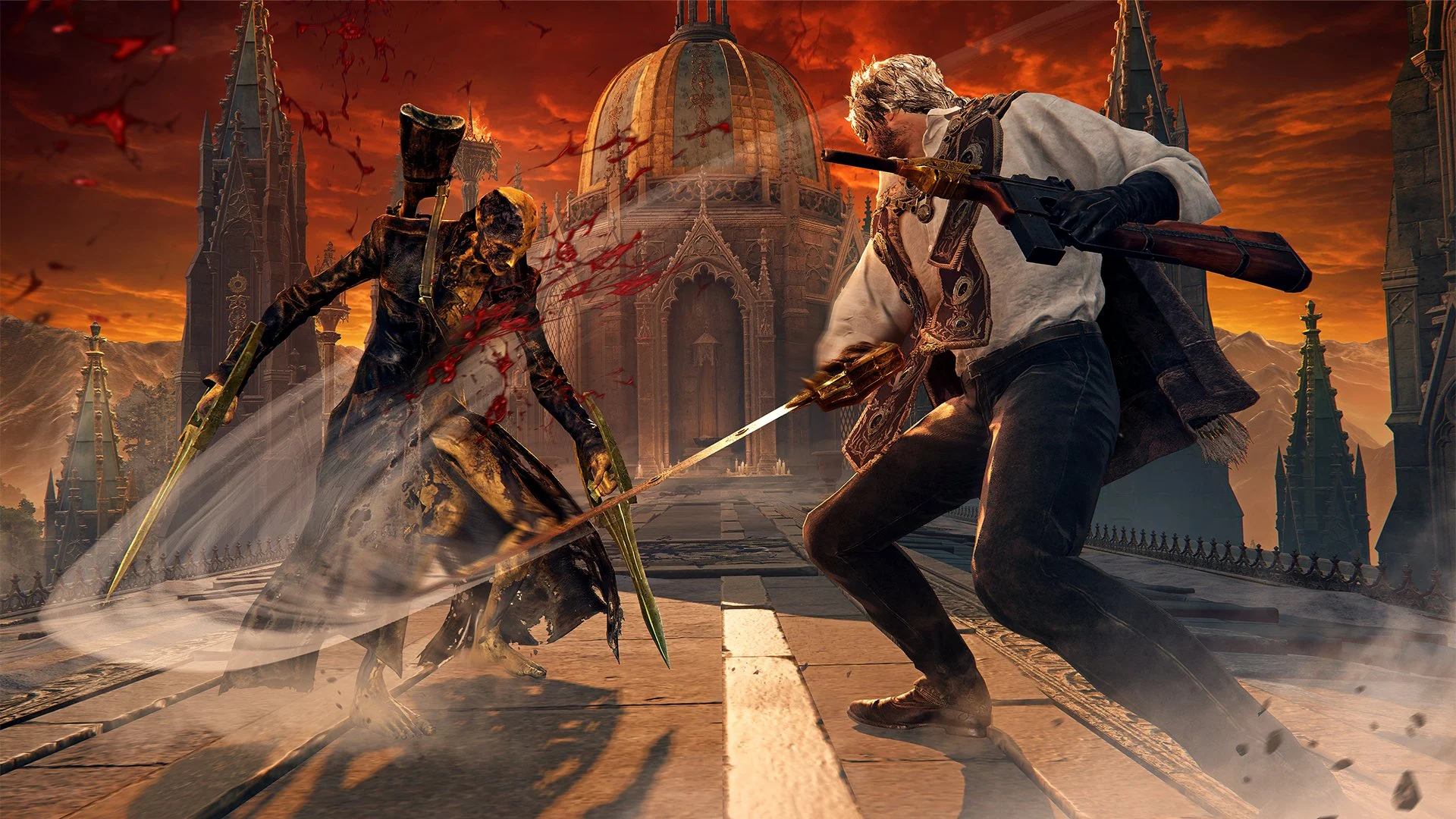
The character design in The Duskbloods marks a departure from the grounded archetypes of previous FromSoftware titles. The Bloodsworn are, in a word, "weirdos."
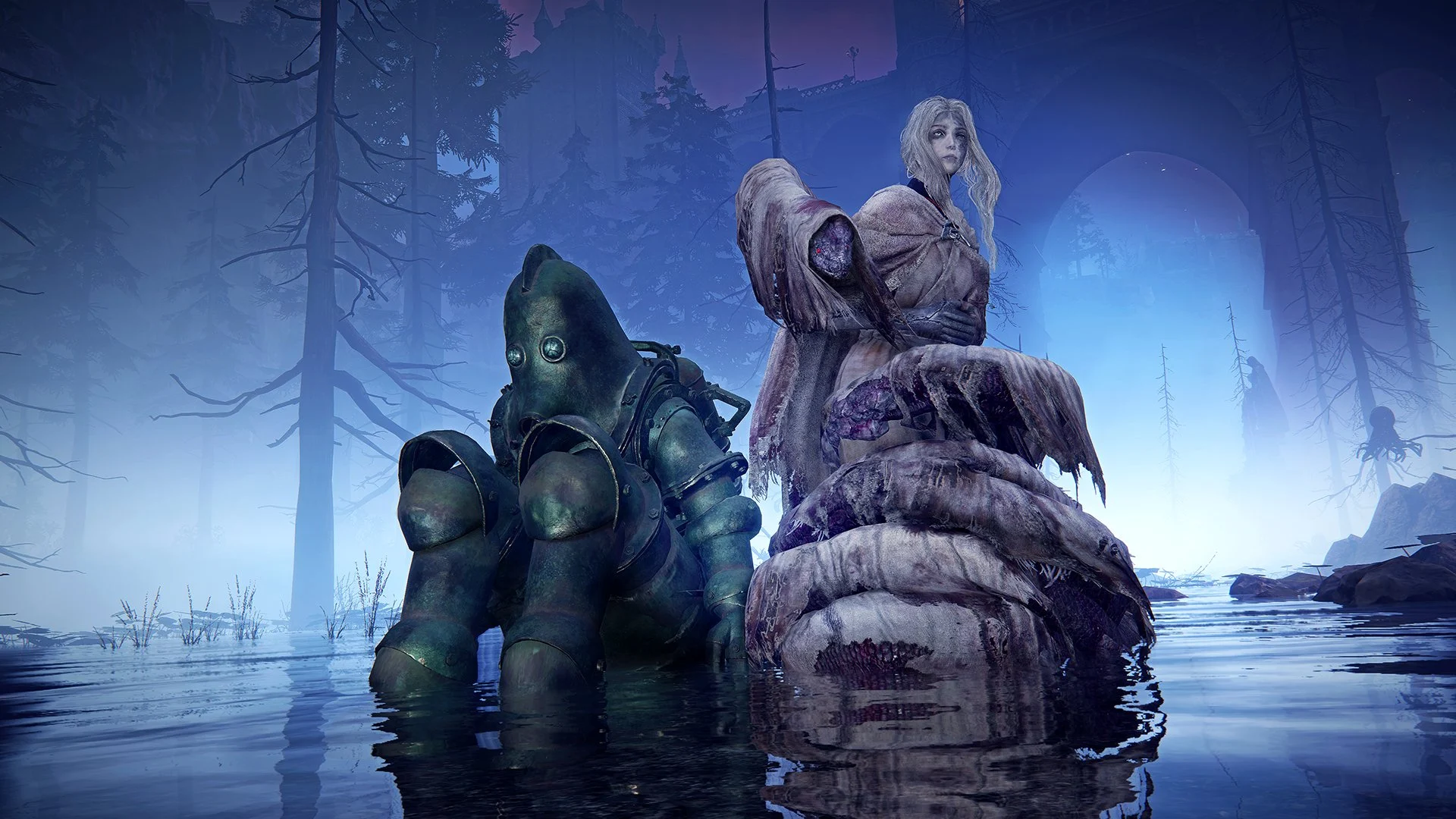
Take Albert, for instance. A rugged protagonist who would feel right at home in the Victorian nightmare of Yharnam. Contrast this with Sniper Layla, a character seemingly plucked from a post-nuclear wasteland, or Senator Samir Patres, a skeletal figure who possesses the inexplicable ability to shapeshift into a dinosaur mid-combat. Perhaps the most talked-about design is Zork, a steampunk automaton whose silhouette has already sparked intense discussion among the community regarding its mecha-inspired aesthetic.
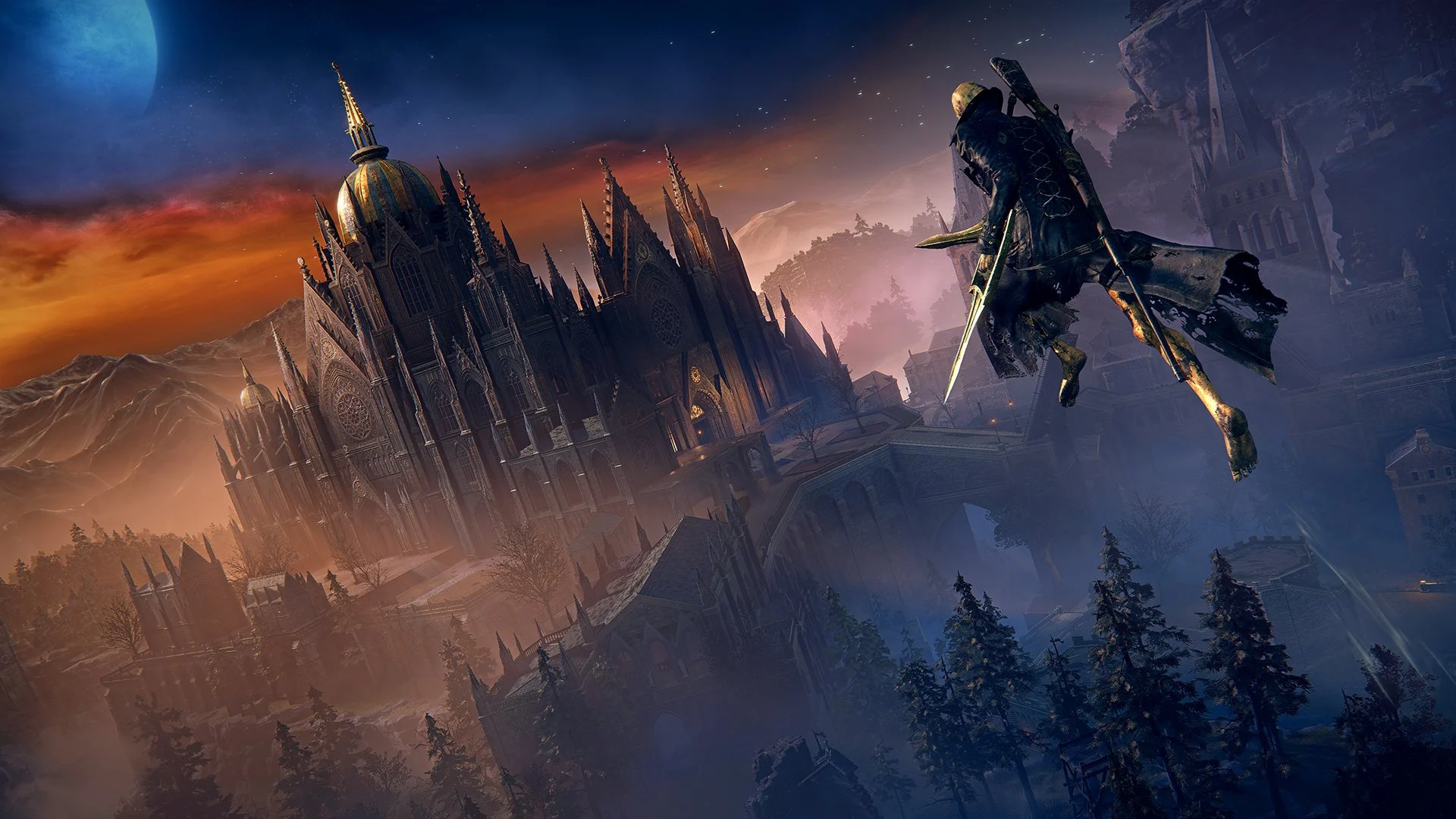
Adding to the chaos are the "Kin"—AI-controlled companions that can be summoned to provide tactical support. These entities are equally strange: from the immortal cockney urchin "Undead Marlowe" to the giant opera singer "Baritone," whose arias provide passive buffs to the player, the game leans into a surrealist, dark-fantasy absurdity that sets it apart from the more stoic tones of Elden Ring.
Chronology of Development and the Nintendo Partnership
The project began development shortly after the consolidation of the Elden Ring post-launch teams. According to internal reports, the collaboration was born out of a desire from Nintendo to leverage the Switch 2’s enhanced hardware to host a more mature, high-performance online service.
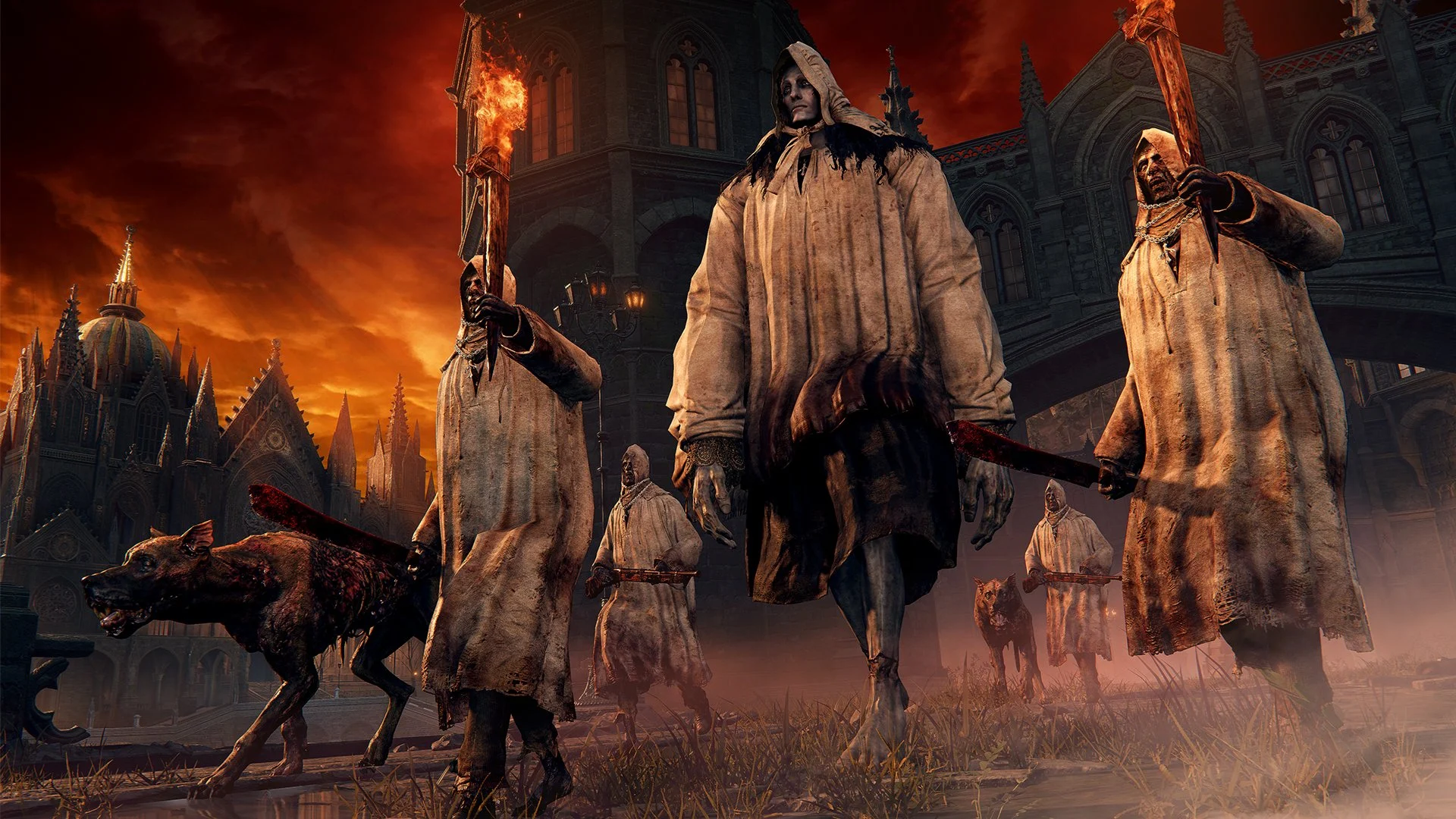
- Mid-2024: Initial concept art for "The Duskbloods" leaked, showing early environmental designs of Lowanro City.
- Early 2025: Nintendo officially confirms the partnership with FromSoftware during a private developer summit.
- Late 2025: The first public "Network Test" was conducted, allowing players to experience the game’s core mechanics, including the final arena combat.
- 2026 (Scheduled): Global release date for the Nintendo Switch 2.
Accessibility vs. Esotericism: The Design Balancing Act
One of the most persistent criticisms of FromSoftware’s catalog is the lack of onboarding. The Duskbloods represents a notable shift in philosophy. Recognizing the broader demographic of the Nintendo ecosystem, the developers have implemented a robust, unmissable tutorial system. Unlike the infamous, easily missed tutorial cave in Elden Ring, The Duskbloods ensures players understand the mechanics of stamina-free attacks, ranged combat, and the nuances of Virtue collection before the match starts.
However, the game remains stubbornly "FromSoft" in its complexity. The win conditions are often opaque, and the game rarely explains why a certain action results in a loss or gain of Virtue. This layer of mystery encourages community collaboration, as players must decipher the rules of the match in real-time, much like they would decipher a complex boss encounter in Dark Souls.
Official Responses and Creative Direction
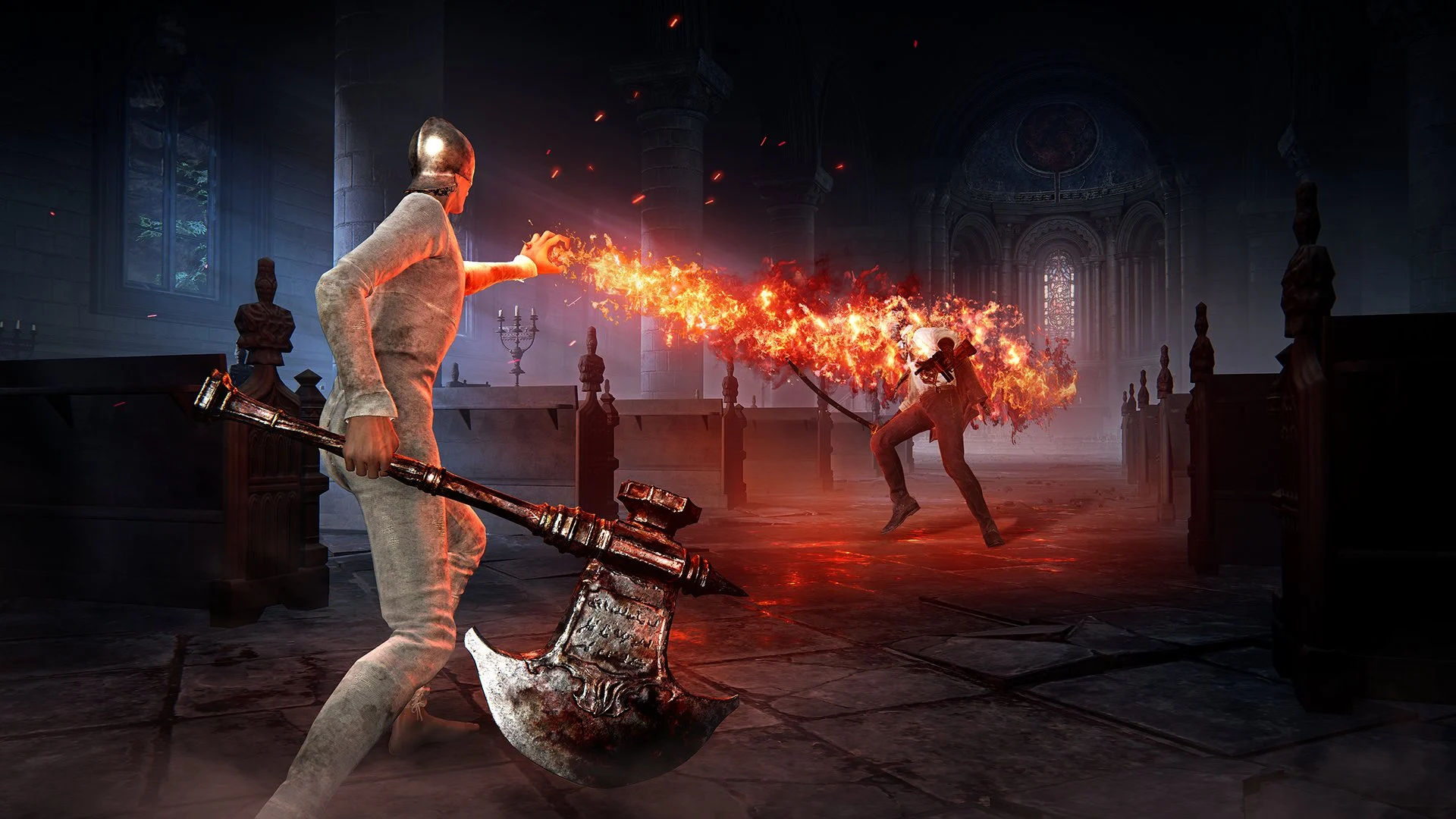
Hidetaka Miyazaki, in a recent interview, addressed the elephant in the room: the connection to Bloodborne. "The Duskbloods is a standalone entity," Miyazaki stated, explicitly distancing the title from Sony’s intellectual property. While legal constraints regarding the Bloodborne IP likely necessitate this separation, the visual DNA is undeniable.
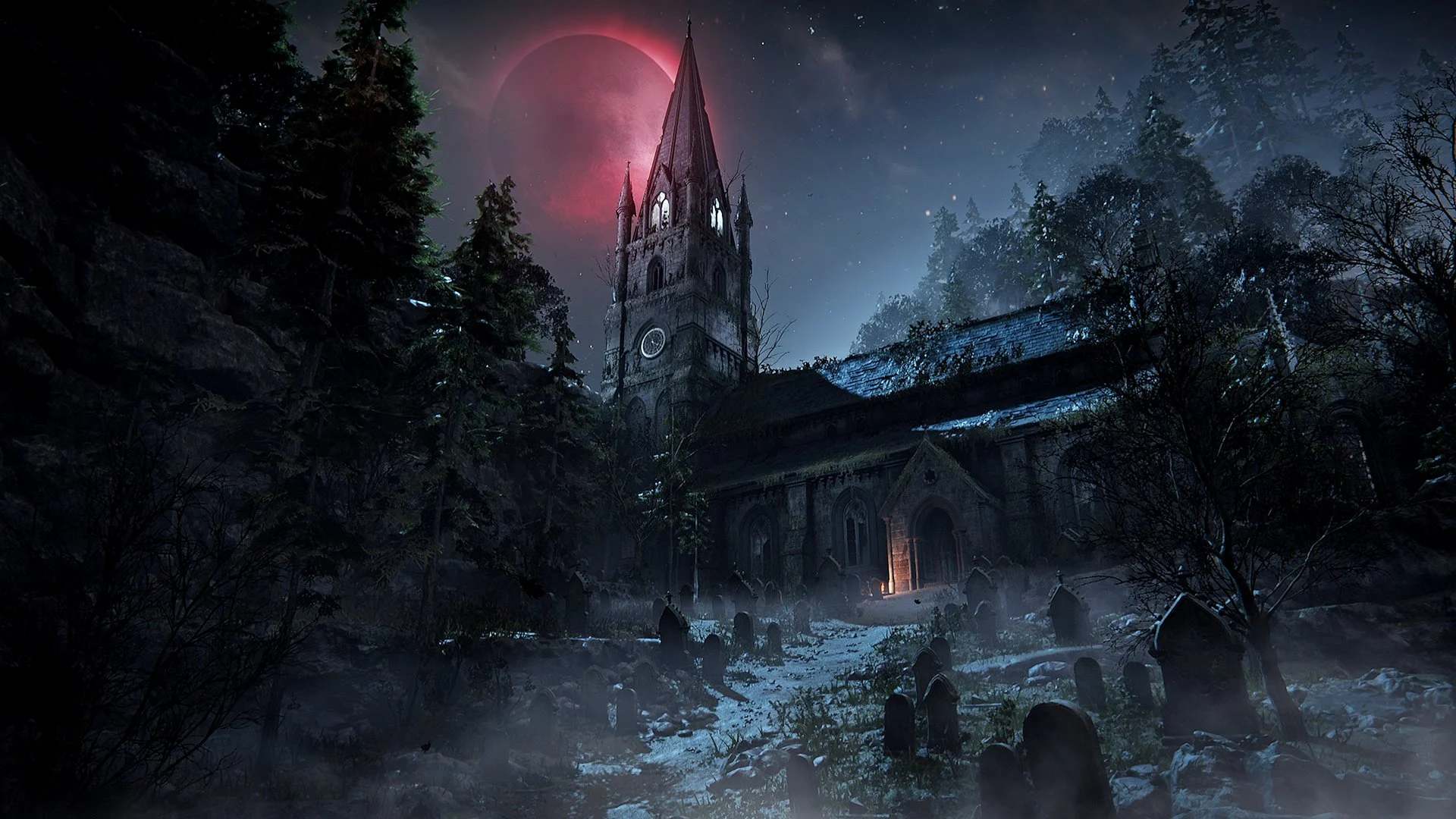
The sewers of Lowanro City are, for all intents and purposes, a spiritual successor to the labyrinthine drainage systems of Yharnam, complete with similar rat-infested hazards. Furthermore, the final-phase arena—a haunting, white-flowered battlefield—feels like a direct nod to the climatic rooftop encounters of past games. Rather than simple "asset recycling," this seems to be a deliberate design choice, allowing the team to iterate on environmental storytelling techniques they have honed over the last decade.
Technical Performance on the Switch 2
A critical aspect of the game’s viability is its technical performance. During the network test, The Duskbloods maintained a consistent 60 frames per second. This is a vital benchmark, as the game’s combat relies on high-mobility mechanics, including air-dashes and triple jumps, which would be unplayable at lower framerates.
The lock-on camera, however, remains a point of contention. While the game runs smoothly, the camera struggles to track rivals who utilize verticality, leading to moments of genuine disorientation during intense, multi-player skirmishes. Whether this is an intentional design choice to increase the "chaos factor" or a technical hurdle to be solved before launch remains to be seen.
Implications: A New Era for Nintendo?
The success or failure of The Duskbloods will have profound implications for Nintendo’s strategy moving forward. As the publisher, Nintendo is taking a risk by backing a multiplayer-only, dark-themed title.
If the game succeeds, it proves that the Switch 2 is a viable home for "hardcore" competitive titles that can coexist alongside Mario and Zelda. It also highlights a shift in Nintendo’s willingness to embrace more mature, esoteric themes. The pricing model, expected to be in the "mid-tier" range—similar to Splatoon—suggests that Nintendo is aiming for a persistent, service-based engagement model rather than a premium, one-off release.
Ultimately, The Duskbloods is a game that challenges the identity of both its developer and its publisher. It is a bold, bizarre, and undeniably difficult experiment that will test whether the "FromSoftware magic" can translate to a competitive, session-based format on a Nintendo console. For the fans who have spent years "getting good," it represents a new frontier; for everyone else, it is a fascinating, terrifying curiosity that promises to make the launch of the Switch 2 one of the most interesting events in recent gaming history.
Key Takeaways for Potential Players:
- Platform: Exclusive to Nintendo Switch 2.
- Genre: Competitive PvPvE (Player vs. Player vs. Environment).
- Combat: High mobility, ranged focus, stamina-free melee.
- Release Window: 2026.
- Accessibility: Improved tutorial systems, though the core mechanics remain cryptic and challenging.
As we await further details, one thing is certain: the streets of Lowanro City will be a bloodbath, and only those who can master the art of the "First Blood" will survive the dusk.

 Nana Wu
 Neng Nana