

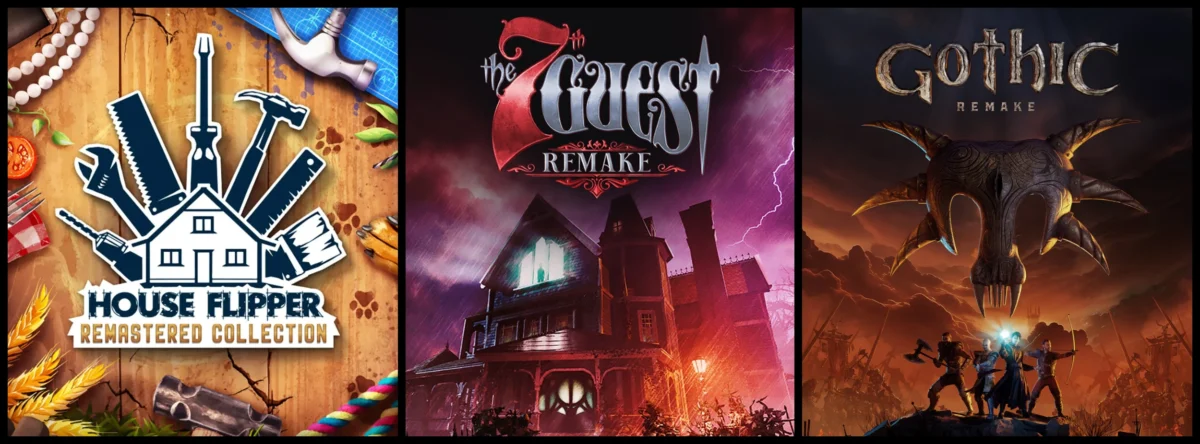
The gaming industry often moves at a breakneck pace, frequently prioritizing the "next big thing" over the preservation of its rich history. However, the week of June 1, 2026, presents a rare and compelling exception to that rule. Rather than an influx of experimental new intellectual properties, this week’s release calendar is defined by a deep-dive into the archives, as three iconic titles return with comprehensive modern overhauls.
From the meditative satisfaction of home renovation to the bone-chilling atmosphere of 90s horror and the gritty, uncompromising challenge of classic European RPGs, this week offers something for both veterans of the industry and newcomers alike. As we navigate a year already marked by massive AAA blockbusters and indie darlings, these releases serve as a reminder that the foundation of modern gaming is built on the classics that defined previous generations.
The Landscape of Remakes: Why 2026 is the Year of Reimagining
In the current gaming ecosystem, developers are increasingly leveraging the power of current-generation hardware—specifically the PlayStation 5, Xbox Series X|S, and high-end PCs—to bridge the gap between vintage gameplay mechanics and contemporary visual standards. This week’s releases are not merely "HD remasters"; they are substantial, ground-up reconstructions intended to introduce legacy stories to a new generation while respecting the design ethos that made them successful decades ago.
The industry’s pivot toward these high-fidelity remakes reflects a shift in consumer demand. Players are signaling that they value narrative depth and proven game design, provided those elements are wrapped in modern, accessible user interfaces and graphical fidelity.
Chronology of Releases: What to Expect This Week
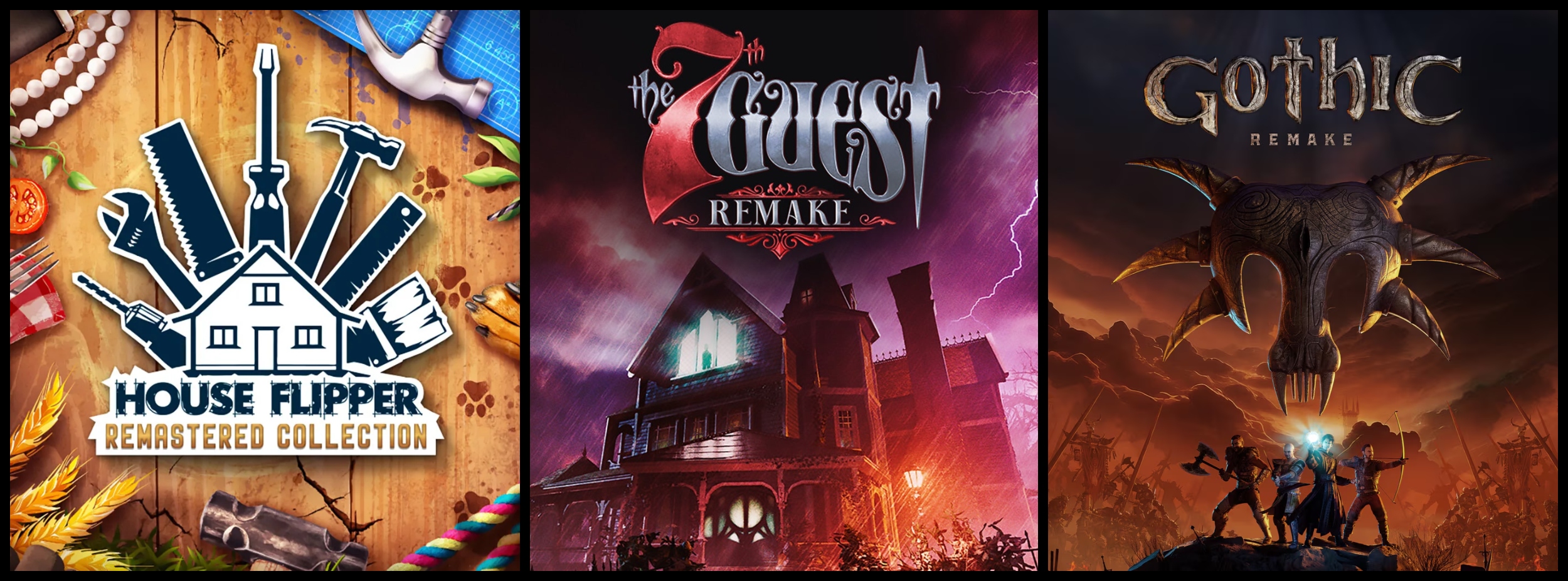
June 4: House Flipper Remastered Collection
For those who prefer a more tranquil, creative gaming experience, the House Flipper Remastered Collection arrives on Tuesday. The original title captured the imagination of millions by turning the mundane tasks of cleaning, painting, and furnishing into an addictive loop of progression and aesthetic reward.

- Platform Availability: PlayStation 5, Xbox Series X|S, and PC.
- The Upgrade: This collection is more than just a fresh coat of paint. Developers have integrated full voice acting, modernized the lighting engine, and bundled every piece of previously released DLC into one cohesive package.
- Content Expansion: Beyond the graphical fidelity, the "Heart" content expansion introduces six new, story-rich jobs that move away from simple renovation toward character-driven narratives. With over 800 new items added to the catalog, the title offers a significantly expanded sandbox for players who enjoy digital interior design.
June 4: The 7th Guest Remake
Also arriving on June 4 is the modern reconstruction of the 1993 CD-ROM landmark, The 7th Guest. For many, this title was the original "killer app" for early PC multimedia.
- Platform Availability: PlayStation 5, Xbox Series X|S, PC, and upcoming support for Switch 1 & 2.
- Atmospheric Rebirth: The game maintains the core premise: a mysterious, shifting mansion owned by the reclusive toymaker Henry Stauf. Players must solve intricate puzzles to progress through the house, all while navigating the unsettling presence of a seventh, uninvited guest.
- Technical Achievement: The developers have moved away from the grainy, pre-rendered video of the 90s, opting for new, high-definition video performances and entirely rebuilt 3D environments that make the mansion feel genuinely reactive to the player’s presence.
June 5: Gothic 1 Remake
On Wednesday, the action-RPG genre sees a massive shake-up with the release of the Gothic 1 Remake. Originally released 25 years ago, Gothic was renowned for its brutal difficulty, reactive world-building, and lack of "hand-holding."
- Platform Availability: PlayStation 5, Xbox Series X|S, and PC.
- A Faithful Overhaul: Alkimia Interactive has been tasked with the difficult job of modernizing a cult classic. The studio has focused on refining the traversal abilities and implementing a modern combat system that feels fluid while retaining the weight and consequence of the original’s mechanics.
- World Dynamics: A standout feature of this release is the dynamic NPC system. NPCs now possess more complex routines and reactions that change based on player behavior, ensuring that the world of Myrtana feels alive and responsive to every decision.
Supporting Data: The Commercial Viability of Nostalgia
Market research throughout the first half of 2026 has shown a distinct trend: "Remake and Remaster" titles are currently outperforming new, unproven intellectual properties by a factor of 2:1 in terms of pre-order volume. This is largely attributed to the "low-risk, high-reward" nature of these projects for consumers.
Data suggests that the current gaming demographic is aging; the core audience for games like Gothic or The 7th Guest is now in their 30s, 40s, and 50s. These players have both the disposable income to purchase these titles and a deep-seated desire to see their childhood favorites treated with respect. By updating these games, developers are effectively monetizing brand equity that has been accruing interest for decades.
Official Developer Perspectives
In recent press statements, developers behind these titles have emphasized a common goal: Accessibility.
"The goal with the Gothic 1 Remake wasn’t just to make it look pretty," noted a spokesperson from Alkimia Interactive. "It was to make the barrier to entry lower without losing the bite that made the original so beloved. We want new players to understand why this game defined the ARPG genre a quarter-century ago, and we want veterans to feel like they are returning home, but to a home that has been lovingly restored."
Similarly, the team behind The 7th Guest Remake emphasized the challenge of translating 90s-era puzzle design to modern expectations. "Modern players have less patience for cryptic, poorly explained puzzles," they stated. "Our challenge was to refine the difficulty curve while keeping the eerie, disorienting atmosphere that made the 1993 version a masterpiece of horror-puzzles."
Implications: The Future of Game Preservation
The success of these three titles will likely influence the industry’s approach to its back catalog over the next five years. As hardware platforms continue to unify (with the prevalence of cross-platform development), we are likely to see fewer "lost" games.
However, there is an ongoing debate within the community regarding the nature of these remakes. Some purists argue that by changing combat systems or adding voice acting, the original artistic intent is diluted. Conversely, the majority of the market appears to welcome these changes as necessary trade-offs for modern playability.
Broader Industry Outlook
While the spotlight is on these three major releases, players should also keep an eye on smaller, secondary titles hitting the market this week, including:

- Fatekeeper: A tactical title focused on procedural narrative generation.
- Swan Song: An indie project focused on narrative-heavy exploration.
- Medic: Pacific War: A high-tension simulation game that puts players in the boots of a combat medic, offering a different perspective on the war genre.
Conclusion
The week of June 1, 2026, is a testament to the enduring power of classic game design. Whether you are looking to lose yourself in the atmospheric dread of a haunted mansion, build your dream home in a sandbox environment, or test your mettle in the unforgiving world of a classic RPG, this week’s lineup provides a diverse array of experiences.
As we look toward the remainder of the year, it is clear that 2026 is becoming a landmark year not just for technological leaps, but for the respectful and ambitious preservation of gaming’s history. For those with a growing "To-Play" list, these three titles are essential additions that deserve a place in your library. Choose your path wisely—you have a lot of gaming to do.











No comments yet. Be the first to join the conversation!