Jia Lissa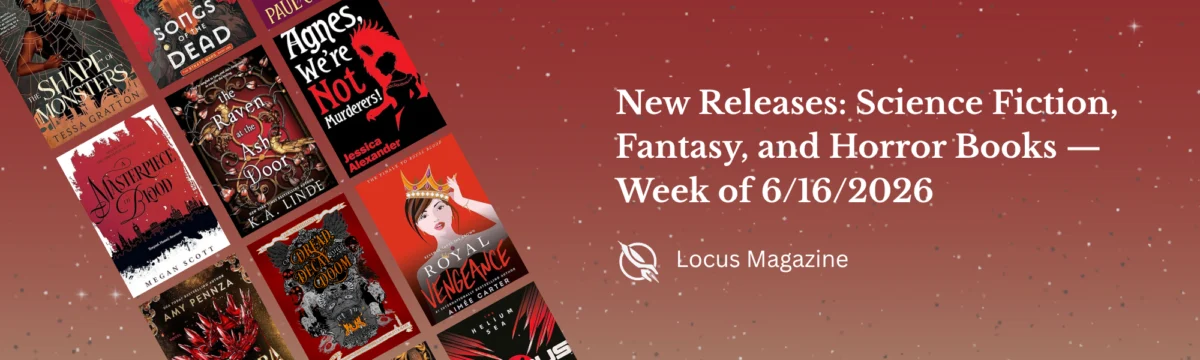
The landscape of speculative fiction is currently undergoing a renaissance, characterized by a bold synthesis of traditional genre tropes and innovative, experimental storytelling. As we reach the mid-point of 2026, the publishing industry has delivered a robust slate of titles for the week of June 16, 2026, that challenge the boundaries of science fiction, horror, and fantasy. From sprawling epic sagas to intimate, haunting novellas, this week’s releases reflect a diverse array of voices and thematic concerns.

Main Facts: A Diverse Literary Landscape
This week’s releases are defined by a notable trend toward "genre-shifting." Authors are increasingly rejecting the constraints of single-category labels, opting instead for narratives that blend noir with hard science fiction, or Egyptian mythology with Viking-inspired romantic fantasy.

Prominent publishers, including Tordotcom, Orbit, and Penguin Random House, have focused on heavy hitters and debut voices alike. Among the highlights is Peter F. Hamilton’s Exodus: The Helium Sea, a massive 752-page epic serving as a tie-in to the burgeoning science fiction gaming universe. Conversely, the week features shorter, punchy works like Jedediah Berry’s Kill All Wizards, a novella that kicks off the Barbaric Ledgers series, proving that short-form fantasy remains a vital commercial and creative force.

Chronology of Releases: June 16–21, 2026
The current week has seen a steady stream of arrivals, ensuring that bookstore shelves remain stocked with fresh content for every type of reader.

- June 16, 2026: The bulk of the week’s releases, featuring major titles such as Grace Curtis’s archaeological fantasy Heaven’s Graveyard, Amy Pennza’s vampire romance Dhampira, and the high-seas YA adventure Libertad by Cassandra James. Also debuting on this day are Guillermo Stitch’s experimental The Coast of Everything and Nathan Tavares’s dystopian romance The Disco at the End of the World.
- June 18, 2026: This date brings the satirical post-apocalyptic work of M. John Harrison, The End of Everything, as well as Megan Scott’s young-adult sequel, A Masterpiece in Blood.
- June 19, 2026: Allan Kaster presents the highly anticipated The Year’s Top Hard Science Fiction Stories 10, an anthology that acts as a vital index for the genre’s technical progress.
- June 21, 2026: Stephen Billias concludes the week with The Zen Time Traveler, a philosophical fusion of time-travel mechanics and 13th-century Chinese history.
Supporting Data: By the Numbers
The depth of this week’s releases is reflected in the sheer volume of production:

- Average Page Count: The releases range from the concise 114-page horror novella Alicia Is in the Basement (Santiago Eximeno & Alicia L. Alonso) to the monumental 760-page genre-defying opus The Coast of Everything by Guillermo Stitch.
- Format Diversity: Ebooks and audiobooks have become standard for nearly 90% of the titles listed, highlighting the industry’s push toward multi-platform consumption.
- Anthology Trends: The horror anthology Of Dread, Decay, and Doom, edited by Jendia Gammon and Gareth L. Powell, stands out for its collaborative scope, featuring 38 contributing authors—a testament to the community-driven nature of modern horror.
Genre Breakdown and Narrative Themes
Horror and Gothic Revivals
The horror genre is currently leaning into psychological and supernatural discomfort. Jessica Alexander’s debut, Agnes, We’re Not Murderers!, brings a fresh, queer-vampire perspective to the gothic tradition. Meanwhile, Craig DiLouie’s The Summer Fun Massacre pays homage to 1980s slasher tropes while maintaining a modern, suspenseful edge.

Science Fiction and the "Hard" Tradition
Science fiction remains preoccupied with the "Big Ideas"—planetary threats, police states, and the ethics of reincarnation. Amitav Ghosh’s Ghost-Eye explores the metaphysical implications of reincarnation in a world forever altered by memory, while Sarah Lariviere’s Live From the Afterlife uses the lens of a YA romance to critique modern surveillance and authoritarianism.

Fantasy: From Cozy to Epic
The fantasy sector is showing a stark contrast between "cozy" and "high-stakes." Becky Jenkinson’s debut, Wildflower, captures the burgeoning popularity of cozy fantasy with its magical florist protagonist. On the other end of the spectrum, Holly Race’s Six Savage Thrones continues a dense, multi-queen epic that demands high reader commitment.

Official Industry Outlook and Implications
The primary implication of this week’s release cycle is the continued blurring of the line between young-adult (YA) and adult fiction. Titles such as Libertad and Such a Lucky Girl are being marketed with a cross-generational appeal, indicating that publishers are banking on the fluidity of reader demographics.

Furthermore, the rise of gaming-tie-in literature—exemplified by the second installment of the Exodus series and Adrian Tchaikovsky’s graphic novel Salvation’s Child—suggests that speculative fiction is increasingly becoming a multimedia ecosystem. Books are no longer just standalone products; they are gateways into expansive intellectual properties (IPs) that span gaming, comics, and streaming.

The Role of Independent and Academic Presses
While major houses dominate the spotlight, presses like Sagging Meniscus (Stitch) and Tenebrous Press (Eximeno) are providing the necessary space for "niche" experimentation. These presses often carry the most high-risk, high-reward titles, such as The Coast of Everything, which functions as a meta-textual challenge to the very concept of a novel’s structure.

Sustaining the Future of Speculative Fiction
The vitality of this ecosystem is intrinsically linked to the health of the retail environment. As noted by industry advocates, the survival of the science fiction and fantasy community depends on the accessibility of these works. Independent bookstores remain the lifeblood of this genre, acting as curators in an age of algorithmic recommendation.

The Locus magazine, which provides the critical infrastructure for tracking these trends, continues to rely on community support. The current fundraising campaigns, such as the spring donation drive, are not merely administrative requests; they are essential efforts to keep the genre’s primary record-keeping and review systems paywall-free. Without such resources, the ability of fans and scholars to track the evolution of the genre from year to year would be severely diminished.

Final Summary
The week of June 16, 2026, serves as a microcosm for the broader state of literature: it is eclectic, ambitious, and deeply concerned with the intersection of history and imagination. Whether through the lens of a time-traveling poet or an archaeologist uncovering enchanted ruins, these authors are not just entertaining readers—they are defining the mythologies of the 21st century. As these books reach the market, they invite readers to look beyond the page and engage with the larger questions of agency, truth, and survival that permeate our current reality.

For those interested in exploring these titles further, please visit Bookshop.org to support local, independent bookstores.

 Layla Zulfa
 Ali Ikhwan