

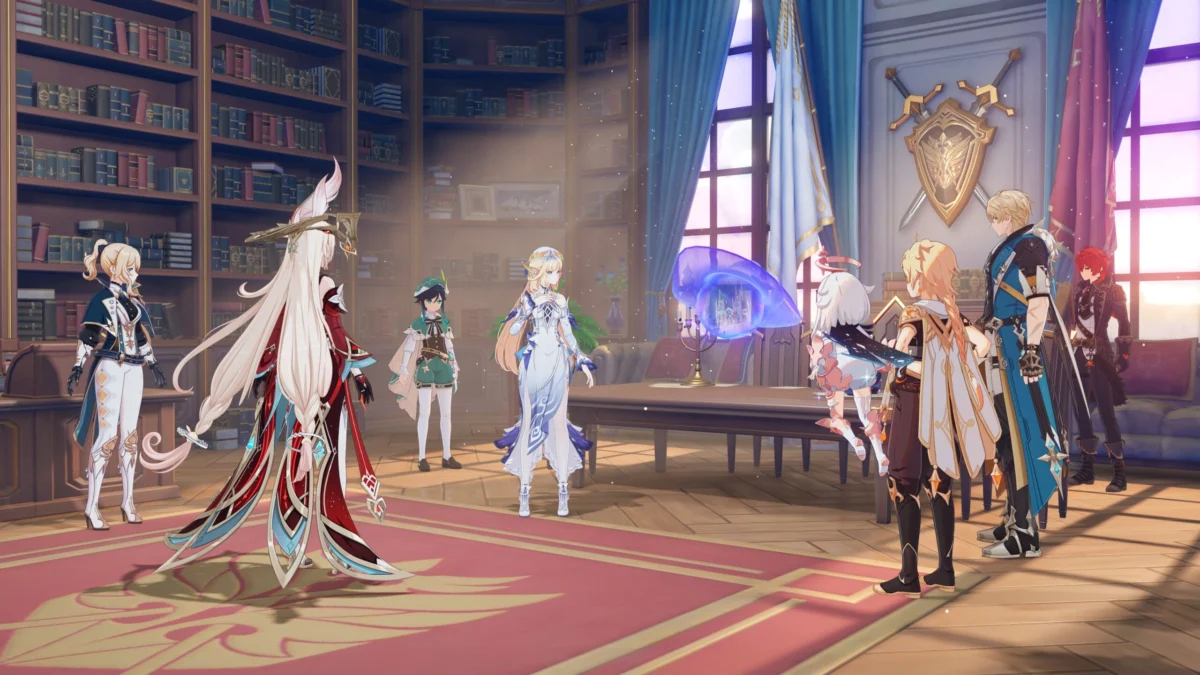
The acclaimed open-world action RPG, Genshin Impact, is nearing the complete cessation of its support for the PlayStation 4 platform. As the game ushers in Version Luna 5, a poignant moment arrives for its dedicated PS4 player base: premium in-game purchases have been disabled, marking a significant step towards the platform’s full discontinuation in early April.
Launched in 2020, Genshin Impact quickly rose to global prominence as a free-to-play gacha title, captivating millions with its expansive world of Teyvat, engaging combat, and compelling characters. The PlayStation 4 was one of its four original launch platforms, alongside PC, Android, and iOS, providing a crucial entry point for console players into HoYoverse’s burgeoning universe. Now, after more than three years of continuous updates and expansions, the aging hardware of the PS4 is being retired from the game’s supported roster, a move that, while anticipated, resonates deeply with the segment of its community still adventuring on the last-generation console.
Main Facts: The End of an Era for Genshin on PS4
The journey for Genshin Impact players on PlayStation 4 is rapidly drawing to a close. HoYoverse, the visionary developer behind the global phenomenon, has initiated the final phase of discontinuing support for the venerable console. This strategic decision, first announced last year, culminates in a complete shutdown of PS4 access by approximately April 8, coinciding with the rollout of Version Luna 6.
As of the immediate release of Version Luna 5, a critical function has been deactivated: premium in-game purchases are no longer available on the PlayStation 4. This means players on the platform can no longer acquire Genesis Crystals, Battle Pass tiers, or other paid bundles, effectively severing the financial lifeline between the game’s revenue model and the PS4 ecosystem. This measure follows the earlier delisting of the game from the PlayStation Store in September of last year, which prevented new downloads and restricted access solely to existing installations that could still receive updates.
The full discontinuation, slated for early April with the arrival of Version Luna 6, will render the game entirely inaccessible on PlayStation 4. This move signals a definitive shift in HoYoverse’s development priorities, focusing resources on current-generation hardware and more robust platforms capable of handling the ever-increasing demands of Genshin Impact’s expansive world and evolving mechanics. While potentially a somber note for a subset of players, it aligns with broader industry trends as game developers progressively transition away from last-generation consoles to push the boundaries of graphical fidelity and gameplay innovation.
Chronology of Discontinuation: A Phased Farewell
The decision to cease support for Genshin Impact on PlayStation 4 was not an abrupt one, but rather a carefully phased transition, allowing players time to prepare for the inevitable shift. This structured approach aimed to mitigate disruption, though the ultimate impact remains significant for those primarily invested in the PS4 version.
Initial Announcement and Strategic Planning
The initial intimation of the PS4 wind-down came from HoYoverse last year, though specific dates and stages were elaborated upon progressively. This early announcement provided a crucial heads-up to the community, allowing players to begin considering migration options or alternative platforms. Such foresight is characteristic of major developers managing a title with a massive, global player base, acknowledging the need for transparency and ample preparation time for their loyal consumers. The rationale behind this decision, as implicitly understood, centered on optimizing development resources and ensuring a consistent, high-quality experience across remaining, more capable platforms.
Delisting from the PlayStation Store
A pivotal moment in this phased discontinuation occurred last September when Genshin Impact was officially delisted from the PlayStation Store for PS4. This action meant that new players could no longer download the game onto their PS4 consoles, and even existing players who might have uninstalled it would be unable to re-download it. From this point onward, only those who had the game already installed could continue playing, relying on automatic updates to keep their version current. This step effectively closed the door to new PS4 players and began the process of gradually reducing the active PS4 player count, preparing for the eventual full shutdown.
Premium Purchases Disabled with Version Luna 5
The release of Version Luna 5 marks the latest, and perhaps most impactful, phase before the final shutdown. As of this update, all premium in-game purchases on the PlayStation 4 version have been disabled. This includes the ability to buy Genesis Crystals, activate the Gnostic Hymn (Battle Pass), or purchase any of the various bundles and packs available in the in-game shop. For a game heavily reliant on its gacha monetization model, this move signifies a definitive severing of financial ties with the PS4 platform. While players can still access their existing characters, weapons, and resources, the avenue for further investment in their accounts via the PS4 console has been closed, strongly encouraging migration to other platforms where the full commercial experience remains active.
Full Discontinuation with Version Luna 6
The final curtain call is scheduled for approximately April 8, with the deployment of Version Luna 6. At this juncture, access to Genshin Impact on PlayStation 4 will be discontinued entirely. This means that even players with the game installed will no longer be able to launch or play it on their PS4 consoles. The game client will likely cease to function, and server access will be revoked for PS4 devices. This absolute cutoff date marks the definitive end of Genshin Impact’s presence on the PlayStation 4, completing a phased wind-down that began months prior.
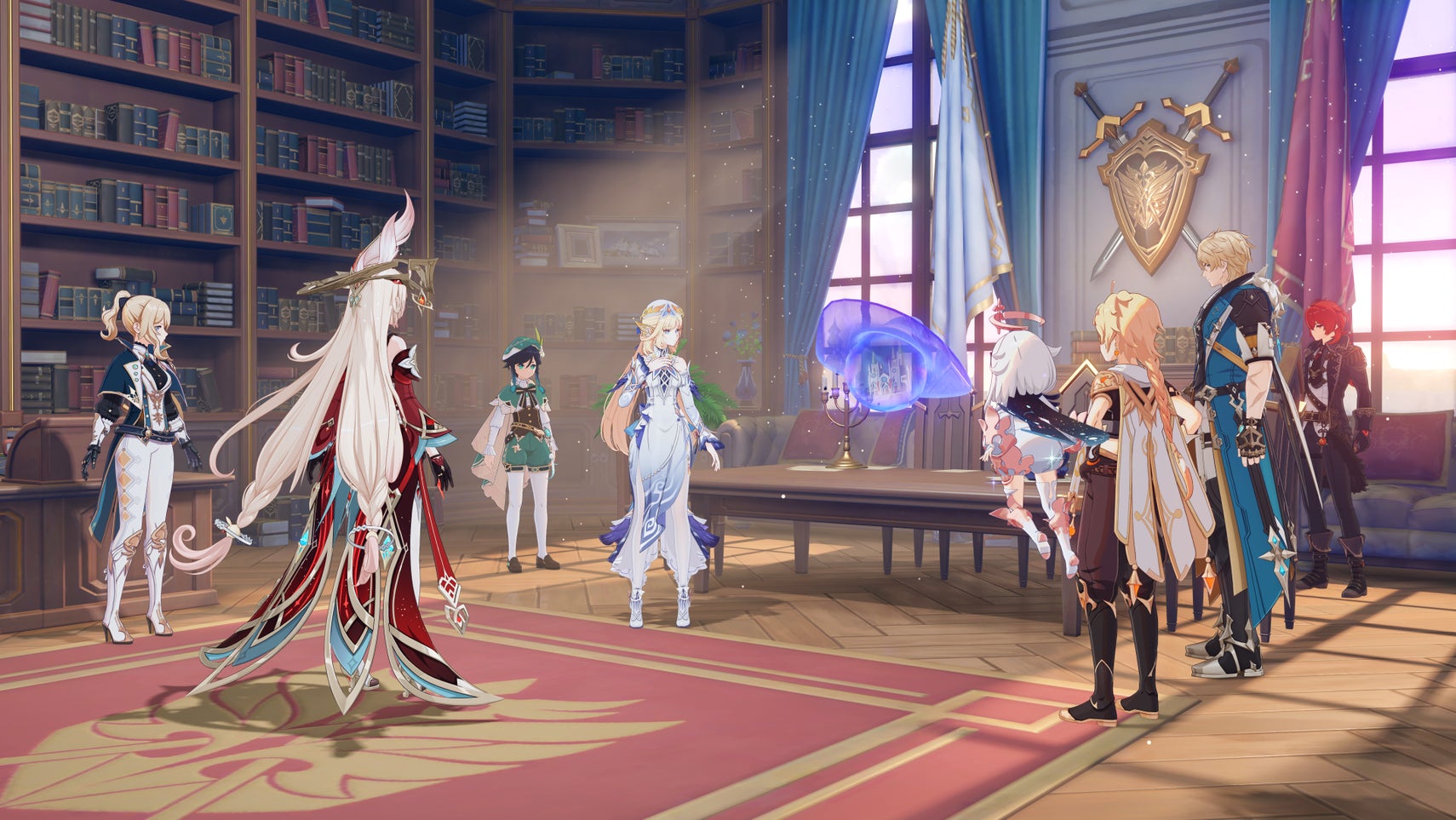
Symbolically, the timing of Version Luna 5, which takes the main story action back to Mondstadt, feels particularly apt. Mondstadt, the very first nation players explore in Teyvat, served as the genesis of the Traveler’s (and thus, the players’) adventure back in September 2020. This return to the game’s roots, coupled with a Chronicled Wish banner featuring some of Mondstadt’s earliest and most iconic 5-Star characters—Eula, Mona, Albedo, Klee, Diluc, and Jean—lends a bittersweet, nostalgic quality to this farewell. These characters, while beloved, are often considered less "meta" in the current competitive landscape, further reinforcing the idea of a celebratory look back at the game’s foundational elements before moving entirely forward. The long-awaited introduction of Varka, the Grand Master of the Knights of Favonius, as a playable character alongside these events, also symbolizes both an ending and a new beginning, a final major addition to the old while hinting at the path ahead.
Supporting Data and Rationale: The Inevitable Evolution
The decision by HoYoverse to sunset Genshin Impact on PlayStation 4 is not an isolated incident but rather a confluence of technical realities, strategic development considerations, and broader industry trends. The rationale underpinning this move is multifaceted, rooted in the natural lifecycle of gaming hardware and software.
Technical Limitations of PS4 Hardware
At the forefront of the discontinuation lies the inherent technical limitations of the PlayStation 4. Launched in November 2013, the PS4’s hardware, while groundbreaking a decade ago, is now considerably aged. Its Jaguar-based APU, 8GB of GDDR5 RAM (shared with the system), and relatively slow HDD have struggled to keep pace with the exponential growth of Genshin Impact.
- Growing File Size and Asset Demands: Over more than five years of continuous updates, Genshin Impact has ballooned in size and complexity. New regions like Inazuma, Sumeru, and Fontaine have introduced vast new landscapes, intricate environmental details, diverse enemy types, and a massive array of character models, textures, and special effects. Each update adds gigabytes of data, straining the PS4’s storage and memory bandwidth.
- Performance Issues: Players on PS4 have increasingly reported longer loading times, noticeable frame rate drops in graphically intensive areas or during combat with multiple effects, and texture pop-in. While HoYoverse has made valiant efforts to optimize the game for the PS4, there’s a limit to what can be achieved with the hardware. Maintaining a consistent 30 frames per second, let alone targeting 60fps, becomes an ever-greater challenge as the game’s visual fidelity and computational demands escalate.
- Development Burden: Supporting an older platform requires significant allocation of development resources. Engineers must constantly optimize new content to run acceptably on PS4, which often involves compromises in graphical detail, draw distance, or particle effects that might otherwise be fully realized on more powerful hardware. By dropping PS4 support, HoYoverse can streamline its development pipeline, focusing on platforms that allow for greater creative freedom and technical ambition without being held back by legacy constraints.
Cross-Platform Availability and Player Migration
A significant factor enabling this transition is Genshin Impact’s robust cross-platform presence. The game is readily available on a multitude of devices, offering seamless account migration:
- Next-Generation Consoles: Genshin Impact is fully optimized for PlayStation 5 and, notably, is also available on Xbox Series X|S consoles. These platforms offer significantly improved performance, faster loading times (thanks to SSDs), and higher resolutions/frame rates, providing a superior gaming experience.
- PC and Mobile: The game also thrives on PC, offering the highest graphical settings and performance, and on iOS and Android devices, which cater to a vast casual and dedicated mobile gaming audience.
- Account Linking: HoYoverse has implemented comprehensive account linking, allowing players to carry their progress, characters, and purchases across different platforms. This means a PS4 player can easily transition to a PS5, PC, or even a high-end mobile device without losing any of their accumulated game data. This ease of migration is crucial, as it provides a clear path forward for affected players, minimizing the sense of loss.
The widespread availability across diverse and powerful platforms ensures that the vast majority of Genshin Impact’s player base will remain largely unaffected by the PS4 discontinuation, or at least have viable alternatives.
Industry Trends and Console Lifecycles
The discontinuation of last-generation console support is a natural and recurring phenomenon in the video game industry. As new console generations emerge, developers eventually shift their focus to harness the increased power and capabilities of the latest hardware.
- Phasing Out Last-Gen: Major titles like Cyberpunk 2077 and Destiny 2 have already moved to next-gen-only updates, or announced plans to phase out last-gen support. This trend reflects the diminishing returns on optimizing for older hardware versus the benefits of innovating on newer systems.
- Focus on Innovation: By shedding the burden of PS4 optimization, HoYoverse can dedicate more resources to developing cutting-edge features, more expansive worlds, and higher fidelity graphics for future updates. This strategic decision is about pushing the game’s evolution forward, rather than maintaining compatibility with increasingly obsolete technology.
- Economic Realities: While Genshin Impact is free-to-play, its revenue model is built on ongoing engagement and premium purchases. Maintaining a last-gen version that is increasingly difficult to optimize and potentially offers a subpar experience for a shrinking player base becomes less economically viable compared to focusing on platforms where players are more likely to spend and engage.
In essence, the PS4’s departure from Genshin Impact’s supported platforms is a pragmatic step, aligning with both the technical demands of a continuously evolving live-service game and the natural progression of gaming technology.
Official Responses and Player Sentiment: Navigating the Transition
The announcement and phased execution of Genshin Impact’s PS4 discontinuation have naturally elicited a range of responses from both HoYoverse and its diverse player community. While the developer’s stance is rooted in practical necessity, player sentiment offers a more emotional perspective on this significant change.
HoYoverse’s Stated Reasons and Implicit Strategy
While HoYoverse’s public statements on the PS4 discontinuation have been concise, their underlying strategy is clear and aligns with industry best practices for live-service games. The core message revolves around ensuring a high-quality experience and optimizing development resources.
- Ensuring Quality: The developers have implicitly communicated that maintaining Genshin Impact’s evolving graphical standards and expanding world on the PS4 has become increasingly challenging. As the game grows in complexity, the gap between the PS4’s capabilities and the desired player experience widens. By discontinuing support, HoYoverse can ensure that the game’s visual fidelity, performance, and overall quality remain high on the platforms it continues to support.
- Optimizing Development: A significant portion of development cycles is dedicated to optimization and bug fixing for each supported platform. By removing the PS4 from this equation, HoYoverse can reallocate engineering talent and resources towards creating new content, enhancing existing features, and pushing the graphical boundaries on PS5, PC, and high-end mobile devices. This is a strategic move to future-proof the game and ensure its continued innovation.
- Facilitating Migration: HoYoverse’s emphasis on seamless account linking across platforms serves as their primary response to player concerns. By making it straightforward for players to transfer their progress, the company aims to minimize the negative impact on its community, encouraging them to continue their adventures on more capable hardware. This proactive approach underscores their commitment to player retention despite the platform shift.
Player Reactions: A Spectrum of Emotions
The Genshin Impact community, vast and passionate, has reacted with a mixture of understanding, disappointment, and practical concern.

- Understanding and Acceptance: Many players, especially those who have already upgraded to PS5 or play on PC, express understanding. They acknowledge the PS4’s aging hardware and the technical challenges HoYoverse faces. Discussions on forums and social media often highlight the PS4’s noticeable performance struggles, with comments about long loading screens, frame drops in busy areas, and less crisp visuals compared to newer versions. For these players, the discontinuation is an inevitable and logical step.
- Disappointment and Frustration: A vocal segment of the player base, however, expresses profound disappointment. These are typically players who either cannot afford a newer console or PC, live in regions where access to new hardware is limited, or simply prefer playing on their PS4. For them, Genshin Impact might be one of their primary gaming experiences, and its removal represents a significant loss. Some feel abandoned, especially those who have invested considerable time and money into their accounts on the PS4. The "bittersweet occasion" mentioned in the original article perfectly encapsulates this feeling.
- Concerns over Access and Progression: While account linking offers a clear migration path, not all players have access to an alternative platform. This raises concerns about whether their years of progress and investment will become inaccessible. Although HoYoverse ensures data portability, the financial and logistical barriers to acquiring new hardware can be insurmountable for some. This disparity highlights the digital divide that often accompanies technological advancements in gaming.
- Nostalgia and Farewell: For many, the PS4 was their first foray into Teyvat. The console holds sentimental value as the platform where they first met the Traveler, explored Mondstadt, and pulled their favorite characters. The symbolic return to Mondstadt in Version Luna 5, coupled with the Chronicled Wish banner featuring original 5-star characters, resonates as a nostalgic farewell, acknowledging the platform’s foundational role in the game’s history.
The dialogue surrounding the PS4 discontinuation reflects the complex relationship between developers, evolving technology, and a dedicated player base. While HoYoverse makes a pragmatic business and technical decision, the human element of player loyalty and investment remains a significant consideration.
Implications and Future Outlook: Teyvat’s Evolving Landscape
The discontinuation of Genshin Impact on PlayStation 4 carries significant implications, not just for the game and its developer, but also for the broader gaming landscape and the affected players. This move marks a definitive turning point, signaling a future focused on more advanced technological capabilities and a streamlined development path.
For HoYoverse and Genshin Impact: A Leap Forward
For HoYoverse, shedding PS4 support is a strategic imperative that promises several key benefits for Genshin Impact’s continued evolution:
- Streamlined Development and Enhanced Content: By no longer having to optimize for the PS4’s constraints, HoYoverse’s development teams can focus their efforts entirely on more powerful platforms. This translates to the potential for more ambitious content, richer graphical detail, denser environments, more complex enemy AI, and innovative gameplay mechanics that might have been limited by last-gen hardware. Future updates could see higher texture resolutions, improved lighting and shadows, longer draw distances, and more intricate particle effects, pushing the visual boundaries of Teyvat.
- Optimized Performance and Player Experience: Focusing on PS5, Xbox Series, PC, and high-end mobile devices allows HoYoverse to deliver a consistently smoother and more performant experience. Players on these platforms can expect improved frame rates, significantly faster loading times (especially on consoles with SSDs), and a generally more fluid gameplay experience, which is crucial for a fast-paced action RPG.
- Long-Term Growth and Innovation: This move is a clear investment in Genshin Impact’s long-term future. By embracing current-gen technology, HoYoverse positions the game to remain competitive and visually stunning for years to come, attracting new players while retaining its existing base with cutting-edge content. It opens doors for next-gen specific features that would have been impossible on PS4.
For the PS4 Gaming Ecosystem: The Twilight Years
The departure of a major live-service title like Genshin Impact is another indicator of the PlayStation 4’s gradual transition into its twilight years.
- Diminishing Support for Last-Gen: This decision reinforces the industry-wide trend of developers moving away from last-generation consoles. While the PS4 still boasts an enormous install base, the flow of new, major AAA titles and ongoing live-service support is steadily shifting to the PS5.
- Impact on Digital Libraries: For PS4 owners, the loss of Genshin Impact means one less option in their digital library. While the console will continue to support thousands of games, the absence of a globally popular, continuously updated title is notable. It serves as a strong incentive for those who wish to continue playing their favorite games to upgrade their hardware.
The Symbolic Nature of Luna 5: A Fond Farewell
The content of Version Luna 5 itself feels like a deliberate and heartfelt nod to the PS4’s foundational role. The return to Mondstadt, the very first region of Teyvat, evokes powerful nostalgia for players who began their journey there in 2020. This "last hurrah" in the game’s starting zone creates a full-circle moment for the PS4 community.
The Chronicled Wish banner, featuring original 5-Star characters like Eula, Mona, Albedo, Klee, Diluc, and Jean, further amplifies this sense of looking back. These characters, while still viable, represent the early meta and charm of Genshin Impact. For many, they were among their first coveted pulls. This curated selection serves as a celebration of the game’s initial roster and the early days of exploration.
Moreover, the long-anticipated introduction of Varka, the Grand Master of the Knights of Favonius, as a playable character in this update is a fascinating juxtaposition. Varka has been a major figure in the game’s lore since its inception, his absence and influence constantly discussed. His arrival now, coinciding with the PS4’s farewell, symbolizes both the closing of an old chapter and the exciting opening of a new one, embodying the game’s continuous progression even as a platform is left behind. It’s a testament to Genshin Impact’s ongoing narrative expansion, even in moments of transition.
Looking Ahead to Luna 6 and Beyond: The Future of Teyvat
With the final discontinuation expected around April 8 with Version Luna 6, Genshin Impact will firmly establish itself as a current-generation and multi-platform title. Players who wish to continue their adventures will need to migrate to PlayStation 5, Xbox Series X|S, PC, or compatible mobile devices.
The future of Genshin Impact on these platforms is bright. HoYoverse continues to release substantial updates, expanding Teyvat with new regions, characters, storylines, and gameplay systems. The focus will undoubtedly shift towards leveraging the full capabilities of modern hardware, potentially leading to even more breathtaking visuals, intricate worlds, and seamless experiences. The saga of the Traveler and the mysteries of Teyvat are far from over; they are simply moving to a more technologically advanced stage, leaving behind a console that played an indispensable role in the game’s historic launch and initial success. The PlayStation 4 may be bowing out, but the world of Genshin Impact will continue to flourish, embracing the future with renewed vigor.











No comments yet. Be the first to join the conversation!