Basiran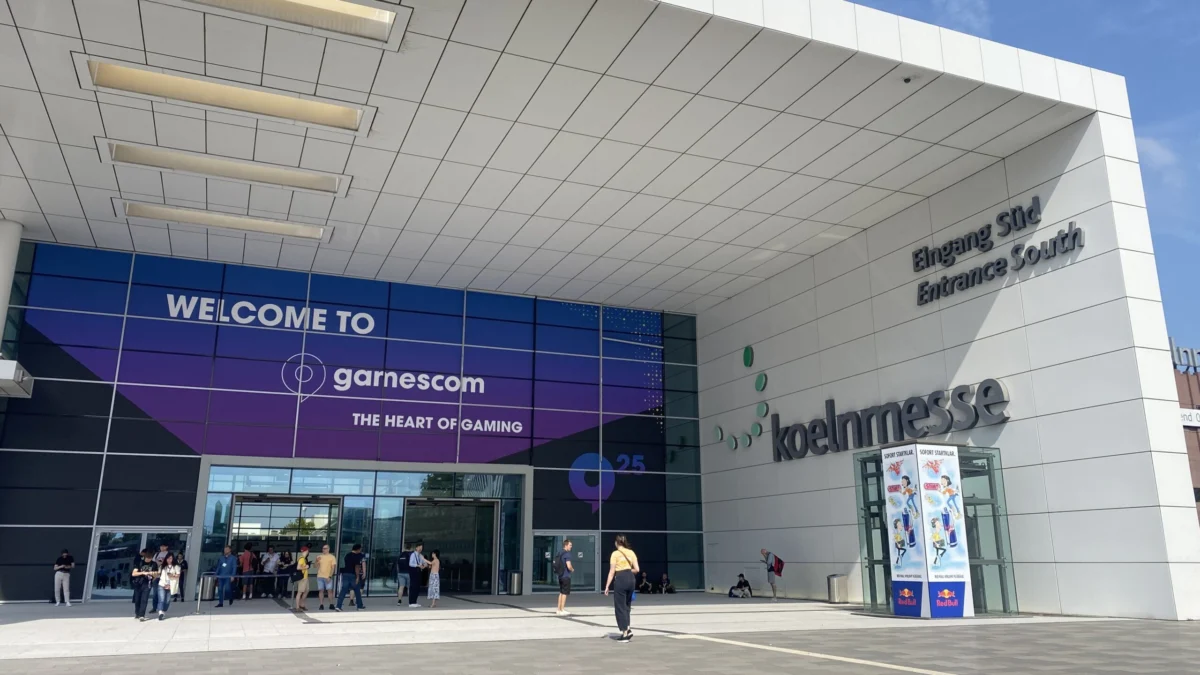
Cologne, Germany – In an unprecedented move underscoring the escalating economic and cultural significance of the digital entertainment sector, Frank-Walter Steinmeier, the Federal President of Germany, is set to make a landmark appearance at Gamescom, the world’s largest computer and video games fair. His visit, scheduled for the opening of the Gamescom Congress on August 27, marks the first time a sitting German head of state will attend the prestigious event, signaling a profound shift in political perception towards an industry long viewed primarily as a niche entertainment sector.
President Steinmeier’s engagement will extend beyond a mere ceremonial presence. He is slated to deliver a pivotal keynote speech at the Gamescom Congress, an annual summit dedicated to exploring the intricate intersections of games with culture, politics, and technology. Following his address, the President will actively participate in a panel discussion focusing on the vital role of video games in fostering German democracy. Furthermore, he plans to tour the main exhibition floor, engaging directly with game developers and community members to gain firsthand insights into how interactive media enriches contemporary culture and society. This high-profile involvement elevates the German gaming industry to an unprecedented level of national importance, solidifying its status as a critical contributor to the nation’s economic output and its broader social fabric.
Main Facts: A Presidential Endorsement
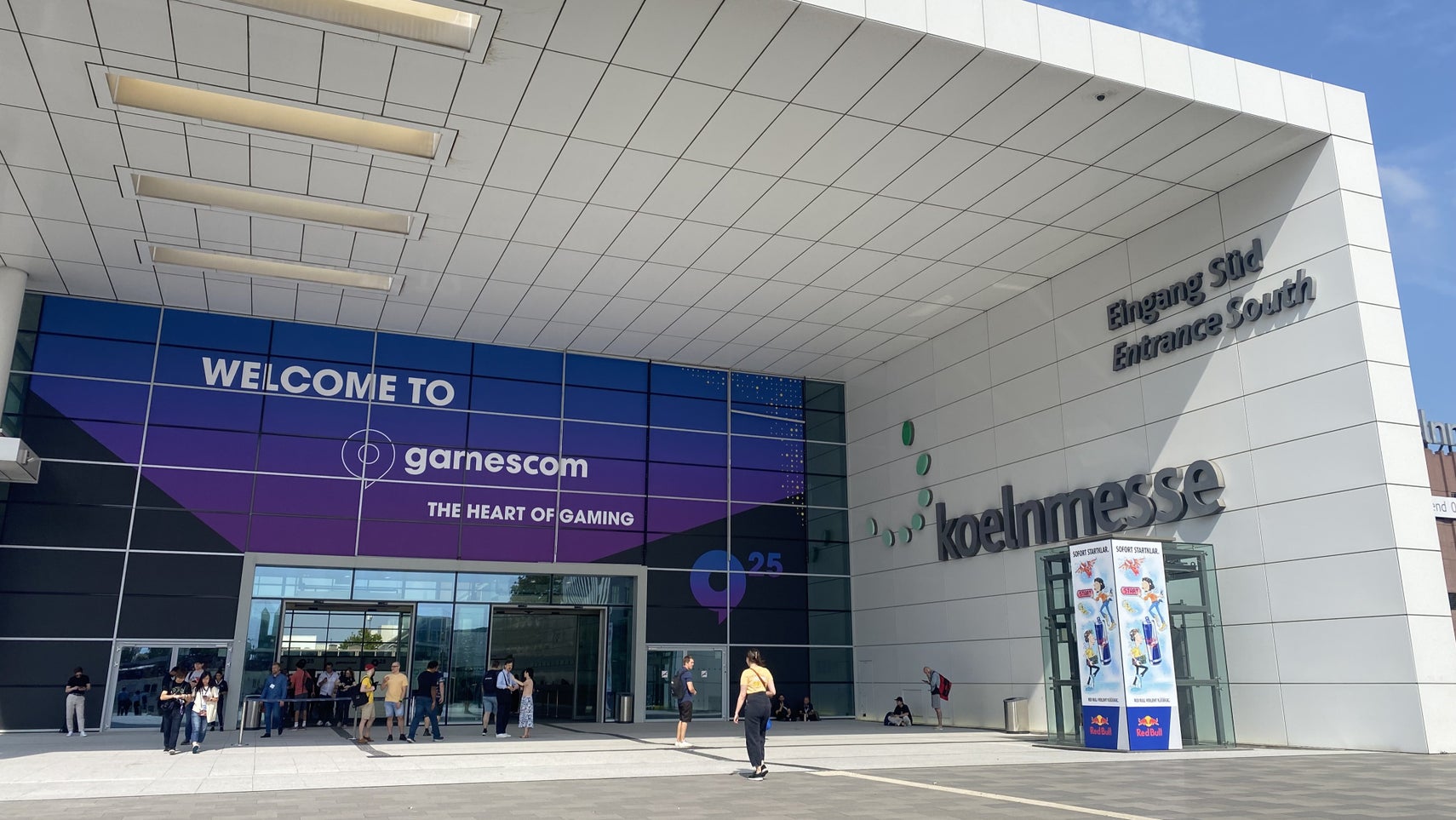
The upcoming visit of Federal President Frank-Walter Steinmeier to Gamescom 2024 is not merely a scheduled appearance; it is a historic moment that fundamentally redefines the relationship between Germany’s highest political office and its burgeoning video game industry. For the first time since Gamescom’s inception, and indeed, any major gaming event in Germany, a German head of state will grace the halls of the Koelnmesse, lending unparalleled legitimacy and visibility to the sector.
President Steinmeier’s itinerary is packed with activities designed to showcase the multifaceted contributions of gaming. His primary engagement will be at the Gamescom Congress, the intellectual backbone of the week-long festival. Here, he will inaugurate the Congress with a keynote speech, setting the tone for discussions centered around "Playing Field Democracy" and "The Games Effect." These themes aim to highlight the positive influence of video games on democratic education and their role as a powerful engine of innovation across diverse fields, from advanced medicine and industrial applications to skilled trades, the service sector, and even public administration.
Beyond the formal discussions, the President’s planned tour of the main exhibition floor is particularly symbolic. By directly interacting with developers, artists, and the vibrant gaming community, Steinmeier aims to bridge the gap between traditional political spheres and the dynamic, often misunderstood, world of interactive entertainment. This direct engagement, as articulated by game.de, the German games industry organization, is intended to offer him "a first-hand impression of the many ways games enrich culture and society." The visit unequivocally communicates a governmental recognition of gaming not just as a leisure activity, but as a significant cultural force, an economic powerhouse, and a fertile ground for technological and societal advancement. This endorsement from the highest office is expected to resonate throughout the industry, signaling a new era of dialogue, support, and integration for gaming within the national agenda.
Chronology: A Week of Digital Innovation and Dialogue
The events surrounding Gamescom 2024 unfold across several days, culminating in President Steinmeier’s highly anticipated visit, marking a concentrated period of digital innovation, industry networking, and public engagement.
The week of gaming festivities kicks off with Gamescom Dev, the developer-focused sibling event previously known as devcom. Running from August 23-25, Gamescom Dev serves as a crucial prelude, bringing together game developers, publishers, investors, and service providers for intensive networking, knowledge sharing, and business opportunities. This professional summit features a comprehensive program of talks, workshops, and pitching sessions, offering a deep dive into the latest trends, technologies, and challenges facing the global game development community. The announcement of its first speakers and sessions in April already generated considerable buzz, setting the stage for a productive week for industry insiders.
Following Gamescom Dev, the main Gamescom exhibition opens its doors from August 26-30. This massive public and trade fair transforms Cologne into the epicenter of the gaming world, drawing hundreds of thousands of visitors from across the globe. Attendees flock to experience playable demos of upcoming titles, witness world premieres, participate in esports tournaments, and engage with their favorite creators and communities. The sheer scale of Gamescom, consistently breaking attendance records, underscores its vital role as a global platform for showcasing the industry’s creativity and technological prowess.
The pivotal moment, however, arrives on August 27 with the Gamescom Congress. This single-day event, strategically placed within the larger Gamescom schedule, is where President Steinmeier will make his historic appearance. His day will commence with the opening of the Congress, where he will deliver his keynote address, articulating the government’s perspective on the strategic importance of the gaming sector. Subsequently, his participation in a panel discussion will facilitate a high-level dialogue on "the role of games in German democracy," exploring how interactive media can foster civic engagement, critical thinking, and a deeper understanding of democratic processes.
After his engagements at the Congress, President Steinmeier will transition to the bustling main exhibition halls of Gamescom. His planned tour will involve direct interactions with game developers, artists, and members of the diverse gaming community. This hands-on experience is designed to provide the President with a comprehensive, firsthand understanding of the creativity, technical sophistication, and cultural impact inherent in modern video games. The careful sequencing of these events — from developer-focused discussions to political dialogue and public engagement — highlights a deliberate strategy to present the gaming industry as a mature, multi-faceted sector deserving of national attention and support. This chronological unfolding of events ensures that the President’s visit is not an isolated incident but a capstone on a week dedicated to celebrating and advancing the world of interactive entertainment.
Supporting Data: The Gaming Industry’s Economic and Social Gravitas
The Federal President’s groundbreaking visit to Gamescom is a clear reflection of the German gaming industry’s undeniable ascent, transforming from a niche market into a multi-billion euro economic powerhouse and a significant cultural influencer. Understanding the scale of this industry provides crucial context for the historical significance of Steinmeier’s attendance.
Economic Footprint: Germany stands as the largest gaming market in Europe, consistently demonstrating robust growth year after year. While specific figures are dynamic, the industry collectively generates revenues in the many billions of euros annually, encompassing sales of games, hardware, in-game purchases, and related services. This robust market performance is driven by a large and active player base, with millions of Germans engaging in various forms of digital play across multiple platforms.
Beyond direct sales, the industry’s economic impact radiates through various ancillary sectors. It supports tens of thousands of jobs, not only within core development studios and publishing houses but also in areas such as marketing, esports event management, hardware manufacturing, specialized legal services, and vocational training. German studios have gained international recognition for their innovative titles, contributing to Germany’s export economy and enhancing its reputation as a hub for creative industries. The presence of major international publishers and developers also signifies confidence in Germany’s infrastructure and talent pool.
Government support, particularly through initiatives facilitated by organizations like game.de, has played a role in fostering this growth. Funding programs and tax incentives aimed at boosting local game development have helped cultivate a vibrant ecosystem of studios, from independent startups to established enterprises. This strategic investment underscores a long-term vision to make Germany a leading location for game development globally.
Social and Cultural Resonance: The influence of gaming extends far beyond its economic metrics. It has become a pervasive cultural phenomenon, deeply integrated into the lives of diverse demographics. Modern gaming transcends age, gender, and socio-economic boundaries, challenging outdated stereotypes and demonstrating its broad appeal. Esports, in particular, has exploded in popularity, drawing massive online and live audiences, and establishing professional careers for players and support staff. This competitive gaming scene mirrors traditional sports in its organizational complexity and fan engagement, further cementing gaming’s cultural standing.
The Gamescom Congress’s focus on "Playing Field Democracy" and "The Games Effect" directly addresses the broader societal contributions of video games.
- Democratic Education: Games are increasingly recognized as powerful tools for learning and civic engagement. Simulation games can model complex societal challenges, strategy games can hone critical thinking and decision-making skills, and narrative-driven titles can foster empathy and understanding of diverse perspectives. By engaging players in virtual worlds that mirror real-world dynamics, games can provide safe spaces to explore ethical dilemmas, learn about governance, and understand the consequences of collective action, thereby nurturing informed and engaged citizens.
- Engine of Innovation: The "Games Effect" refers to the spillover of gaming technology and design principles into other critical sectors. The cutting-edge graphics engines, artificial intelligence, virtual and augmented reality technologies, and user interface design perfected in game development are finding transformative applications in:
- Medicine: Surgical training simulations, rehabilitation therapies, pain management, and even diagnostic tools.
- Industry: Virtual prototyping, industrial training simulations, digital twins for complex machinery, and advanced visualization.
- Skilled Trades: Interactive training modules for apprentices, virtual reality environments for hazardous tasks, and gamified learning platforms.
- Service Sector: Customer service simulations, employee training, and enhanced user experiences in digital platforms.
- Public Administration: Urban planning simulations, emergency response training, and citizen engagement platforms.
This cross-sectoral transfer of innovation highlights how the creativity and technological advancements driven by the gaming industry are not confined to entertainment but serve as catalysts for progress across the entire economy and society. Gamescom itself, as the largest event of its kind, serves as a testament to this global reach and multifaceted impact, attracting international exhibitors, media, and policymakers, and cementing Germany’s reputation as a leader in the digital entertainment space.
Official Responses: Unanimous Acclaim and Strategic Intent
The announcement of Federal President Frank-Walter Steinmeier’s visit to Gamescom has been met with widespread enthusiasm and strategic statements from key stakeholders, collectively painting a picture of an industry finally receiving the governmental recognition it has long sought and deserved.
From the Office of the Federal President (Bundespräsidialamt): While no direct quote from the President’s office was provided in the original brief, the very act of his attendance and the outlined itinerary speak volumes. The decision to participate in the Gamescom Congress and tour the exhibition floor indicates a clear intention to acknowledge the industry’s substantial contributions to the German economy and culture. This move can be interpreted as part of a broader strategy to connect with younger generations, understand emerging technologies, and position Germany as a forward-thinking nation that embraces innovation across all sectors. The emphasis on "Playing Field Democracy" and "The Games Effect" suggests the President’s office sees intrinsic value in games beyond mere entertainment, viewing them as instruments for societal progress and democratic engagement. This visit is a proactive step to engage with a dynamic sector that shapes modern communication and interaction.
From game.de (German Games Industry Organisation): As the primary representative body for the German games industry, game.de’s response has been one of immense pride and vindication. Their statement, highlighting the President’s intention to "meet game developers and members of the community in person to gain a first-hand impression of the many ways games enrich culture and society," underscores their long-standing advocacy for such high-level recognition. Felix Falk, Managing Director of game.de, would likely emphasize that the visit validates years of effort to present gaming as a serious economic and cultural player. He would likely commend the President for recognizing the industry’s role in innovation and its potential to contribute to democratic discourse. For game.de, this is a milestone that not only boosts the industry’s image but also strengthens its position in future dialogues with policymakers regarding funding, regulation, and talent development.
From Gamescom Organizers (Koelnmesse): As the host of the world’s largest gaming event, Koelnmesse’s leadership would undoubtedly express immense honor at welcoming the head of state. Their statements would focus on the immense prestige this visit brings to Gamescom, solidifying its status as a premier global platform not just for entertainment, but for serious discussions on technology, culture, and society. Oliver Frese, COO of Koelnmesse, would likely highlight the event’s evolution from a consumer fair to a comprehensive ecosystem that includes business, development, and political discourse. He would emphasize that the President’s attendance validates Gamescom’s mission to bridge the gap between digital entertainment and broader societal relevance, showcasing the industry’s maturity and its integral role in the digital transformation of Germany and beyond.
Industry and Community Reactions: Across the German game development community, from indie studios to major publishers, the news has been met with a mixture of excitement and a sense of long-overdue acknowledgment. Developers would likely view this as a significant morale boost, signaling that their creative and technical efforts are finally being taken seriously at the highest levels of government. Many would express hope that this high-profile engagement will translate into more concrete support, such as increased funding for cultural game development, improved talent pipelines, and a more favorable regulatory environment. For the broader gaming community, including players and esports enthusiasts, the President’s visit represents a moment of mainstream validation, challenging lingering negative stereotypes and affirming gaming’s place as a legitimate and respected form of cultural expression. This collective positive response underscores the widespread belief that Steinmeier’s visit is a catalyst for further growth and recognition for the German gaming sector.
Implications: A New Horizon for German Gaming
The historic visit of Federal President Frank-Walter Steinmeier to Gamescom carries profound implications, signaling a pivotal moment for the German gaming industry and its broader societal perception. This unprecedented engagement from the nation’s head of state is poised to reshape policy, enhance industry legitimacy, and unlock new avenues for growth and innovation.
Future Government Policy and Support: Perhaps the most immediate implication is the potential for a more robust and strategic governmental approach to the gaming sector. The President’s direct exposure to the industry’s economic weight, innovative spirit, and cultural depth could translate into increased political will for supportive policies. This might include:
- Enhanced Funding Mechanisms: A stronger commitment to existing federal funding programs for game development, potentially leading to increased budgets and more accessible grants for studios of all sizes.
- Favorable Tax Incentives: Discussions around more competitive tax incentives to attract international investment and retain domestic talent, aligning Germany with other leading gaming nations.
- Educational Integration: Greater integration of game development and digital literacy into educational curricula, fostering a skilled workforce for the future.
- Regulatory Modernization: A re-evaluation of outdated regulations that might hinder innovation or competitiveness, ensuring a supportive legal framework for the industry.
- Esports Recognition: Further recognition and support for esports as a legitimate sport, potentially leading to infrastructure development and easier visa processes for international players.
Industry’s Evolving Image and Legitimacy: President Steinmeier’s visit provides an invaluable stamp of approval, elevating the perception of gaming from mere entertainment to a recognized economic and cultural powerhouse. This enhanced legitimacy will have several ripple effects:
- Attracting Talent and Investment: A more positive public image will make the industry more attractive to top talent, including engineers, artists, and business professionals, both domestically and internationally. It could also encourage greater private sector investment, as the political endorsement reduces perceived risks.
- Mainstream Acceptance: The visit helps dismantle lingering stereotypes and misconceptions about gaming, fostering greater understanding and acceptance among the general public, parents, and educators.
- Cultural Integration: It reinforces the idea that games are a vital part of contemporary culture, deserving of academic study, critical discussion, and artistic appreciation, akin to film, music, or literature.
Role of Games in Society Beyond Entertainment: The themes of "Playing Field Democracy" and "The Games Effect" championed by the Gamescom Congress, and endorsed by the President’s participation, highlight a growing recognition of gaming’s utility beyond leisure.
- Strengthening Democratic Discourse: Games can become more intentionally designed and utilized as platforms for civic education, critical thinking, and fostering democratic values. This could lead to collaborations between game developers, educational institutions, and government bodies to create impactful "serious games."
- Driving Cross-Sectoral Innovation: The recognition of games as an "engine of innovation" could accelerate the adoption of gaming technologies and methodologies in non-traditional fields like healthcare, education, manufacturing, and public services. This interdisciplinary exchange could spur significant advancements across the German economy.
Germany’s International Standing: By having its head of state participate in Gamescom, Germany sets a precedent on the international stage. It reinforces its position as a leading nation in digital innovation and cultural events. This could inspire other national leaders to engage more directly with their respective gaming industries, further legitimizing the global sector. It also solidifies Gamescom’s reputation as a globally significant event, not just for trade and public engagement, but for high-level political discourse.
Challenges and Opportunities: Despite the overwhelmingly positive implications, challenges remain. The German industry still faces stiff international competition, particularly from North America and Asia, in terms of market share and investment capital. Attracting and retaining top-tier talent in a globalized industry is an ongoing endeavor. However, the President’s visit opens up significant opportunities: to leverage this high-level political backing to address these challenges directly, to foster a more vibrant and competitive domestic industry, and to fully harness the transformative potential of games for the benefit of German society and economy. This historic engagement is not merely a symbolic gesture; it is a powerful catalyst for a new chapter in the story of German gaming.

 Lina Irawan
 Sagoh
Sagoh