Asep Darmawan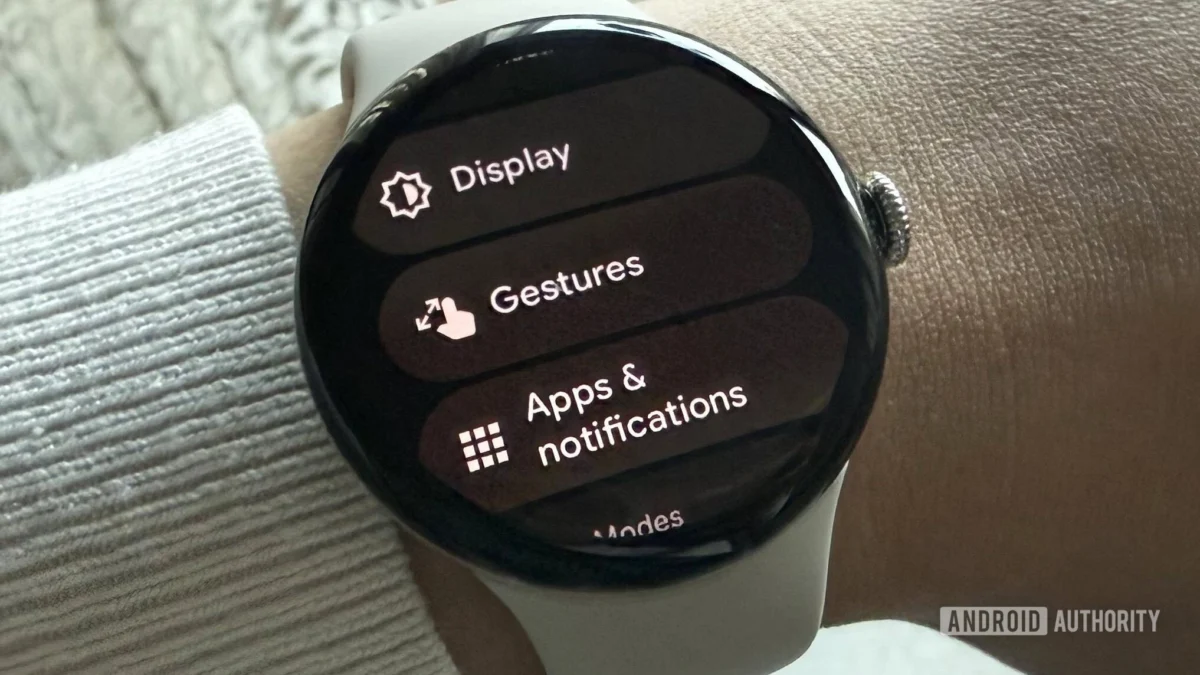
The landscape of wearable technology is shifting rapidly, and Google is doubling down on its commitment to the Pixel Watch series. With the release of its June 2026 software update, the tech giant is pushing out a significant suite of enhancements that extend beyond the base Wear OS 7 integration. Targeting the Pixel Watch 2, 3, and the latest Pixel Watch 4, this update addresses long-standing user grievances, refines interface aesthetics, and bolsters the platform’s emergency response capabilities.
As these devices become more deeply integrated into the daily workflows of users, the June update represents a critical inflection point in Google’s strategy to make the Pixel Watch not just a fitness tracker, but a true hub for the connected home and a reliable safety companion.
Main Facts: What’s New in the June Update?
The June 2026 update (builds CP2A.260603.001 for LTE and CP2A.260603.001.S1 for Wi-Fi/Bluetooth models) is a multifaceted release. The primary focus areas include:
- Refined Gemini Integration: The "Raise to Talk" feature for Gemini has been overhauled with a new gesture recognition model, aimed at fixing timing issues and mid-sentence cut-offs.
- Remote Media Routing: Users can now seamlessly manage audio and video across their ecosystem—including Cast targets, smart speakers, and Bluetooth peripherals—directly from their wrist.
- Contacts App Overhaul: A UI redesign brings Material 3 design language to the fore, featuring larger contact cards and integrated search capabilities.
- Integrated Emergency Services: Critical safety features like Loss of Pulse Detection and Car Crash Detection now hook directly into the new Emergency Sharing protocol.
Chronology: The Evolution of Pixel Watch UX
The journey to this update has been marked by a constant feedback loop between Google and the developer/user community.
Pre-Update: The "Raise to Talk" Struggle
In the months leading up to this release, Reddit forums and Google support threads were populated with frustrations regarding the Gemini experience. Users noted that the "Raise to Talk" gesture was hyper-sensitive to duration. If a user didn’t begin speaking almost immediately after the wrist-raise gesture was detected, the microphone would time out. Furthermore, reports surfaced of the assistant intermittently stopping mid-sentence, leading to broken interactions.
The Development Phase
Google engineers spent the first half of 2026 refining the gesture recognition model. By utilizing improved on-device machine learning, the update allows the watch to better distinguish between an intentional "Raise to Talk" gesture and accidental movement, while simultaneously extending the "listening window" to ensure natural speech patterns are captured without truncation.
The June 2026 Rollout
The update began its global rollout in early June 2026. Unlike previous incremental updates that focused primarily on security patches, this release serves as a functional bridge, standardizing the feature set across the Pixel Watch 2, 3, and 4, ensuring that even older hardware remains relevant within the current Wear OS 7 ecosystem.
Supporting Data: Why These Features Matter
To understand the implications of these changes, one must look at how users interact with their wearables today.
Media Management Efficiency
Data suggests that the average Pixel Watch user interacts with multiple smart devices daily. Prior to this update, switching audio from a phone to a living room Nest Hub or a pair of Pixel Buds required interacting with the phone’s notification shade or the Google Home app. By bringing "Remote Media Routing" to the watch face, Google is reducing the "friction cost" of smart home control. Users no longer need to pull their phones from their pockets to redirect music or podcasts; the watch acts as a high-level controller, providing a tangible increase in utility.
Accessibility and Material 3
The transition to Material 3 in the Contacts app is more than just a stylistic choice. The implementation of larger photos and improved layout density directly addresses accessibility. As the Pixel Watch display real estate remains constrained by the form factor, optimizing the "Contact Card" layout ensures that users can identify and interact with their favorite contacts with fewer taps. The integration of the keyboard and voice search into the primary list view saves an estimated 2-3 seconds of navigation time per interaction—a significant improvement for a device designed for "glanceable" information.
Official Responses and Developer Context
Google’s official communication regarding the update emphasizes "cohesion and reliability." In a statement accompanying the rollout, a Google spokesperson highlighted that the goal was to ensure that the "Wear OS 7 experience feels as fluid as the software found on Pixel phones."
Regarding the Gemini improvements, the company acknowledged the feedback provided by the community. "We heard the reports regarding voice capture latency," the statement read. "By recalibrating our sensor fusion algorithms, we have created a more forgiving and intelligent listening environment that prioritizes the user’s intent over rigid timing constraints."
The company also noted that the integration of Emergency Sharing with health-monitoring sensors was a top priority for 2026. By connecting Loss of Pulse, Fall, and Crash detection to the Emergency Sharing protocol, Google is effectively creating an automated safety net. If a device detects a critical health event, it no longer just alerts emergency services; it now proactively shares the user’s location and critical health data with designated contacts, provided the user has configured those permissions.
Implications: The Future of the Pixel Watch Platform
The June 2026 update signals a shift in how Google views the smartwatch. It is no longer a peripheral companion; it is becoming a central nervous system for the Google ecosystem.
1. Ecosystem Lock-in and Synergy
By deepening the control of Cast targets and smart speakers through the watch, Google is strengthening its "walled garden." When a user’s watch acts as a remote for their entire home, the incentive to purchase non-Google hardware diminishes. The seamlessness of the media routing is a direct competitive play against Apple’s "Handoff" feature.
2. The Standardization of High-End Safety
The integration of specialized health sensors with the Emergency Sharing system sets a new standard for what consumers should expect from a flagship wearable. While many watches offer fall detection, the ability to coordinate that data across multiple emergency services represents a shift toward "enterprise-grade" safety features for the average consumer.
3. Software Longevity
By bringing these features to the Pixel Watch 2 and 3, Google is demonstrating a commitment to long-term software support. This is vital for the brand’s reputation. Users who invested in a Pixel Watch 2 two years ago are now receiving a significant boost in functionality, which helps mitigate the perceived cost of the hardware. It suggests that Google is moving away from a "yearly upgrade cycle" mentality and toward a "platform maturity" model, where the value of the device increases over time through software updates.
4. The Path Forward for Gemini on Wrist
The success of this gesture-recognition update will dictate the future of AI-based interaction on wearables. If the "Raise to Talk" feature becomes truly reliable, it paves the way for more complex AI-driven tasks, such as multi-step scheduling, drafting emails via voice, or real-time translation, all performed entirely from the wrist.
Conclusion
The June 2026 update is a testament to Google’s evolving strategy for the Pixel Watch. By addressing the granular frustrations of its user base—the "Raise to Talk" timing, the navigation density in the Contacts app, and the need for easier media control—Google is refining the user experience to be more intuitive and robust.
As the Pixel Watch 4 continues to gain market traction, these updates serve to unify the experience across generations, ensuring that the software remains the primary differentiator. Whether through the lens of safety, productivity, or smart home integration, the latest Wear OS enhancements provide a clear roadmap: the future of the smartwatch is not just about measuring steps or notifications; it is about providing frictionless control over the user’s entire digital and physical environment.
As we look toward the remainder of 2026, the industry will be watching to see if these improvements effectively silence critics and cement the Pixel Watch as the premier wearable for the Android faithful. Given the breadth of these updates, Google is well-positioned to maintain that momentum.

 Azzam Bilal Chamdy
 Jia Lissa