Azzam Bilal Chamdy
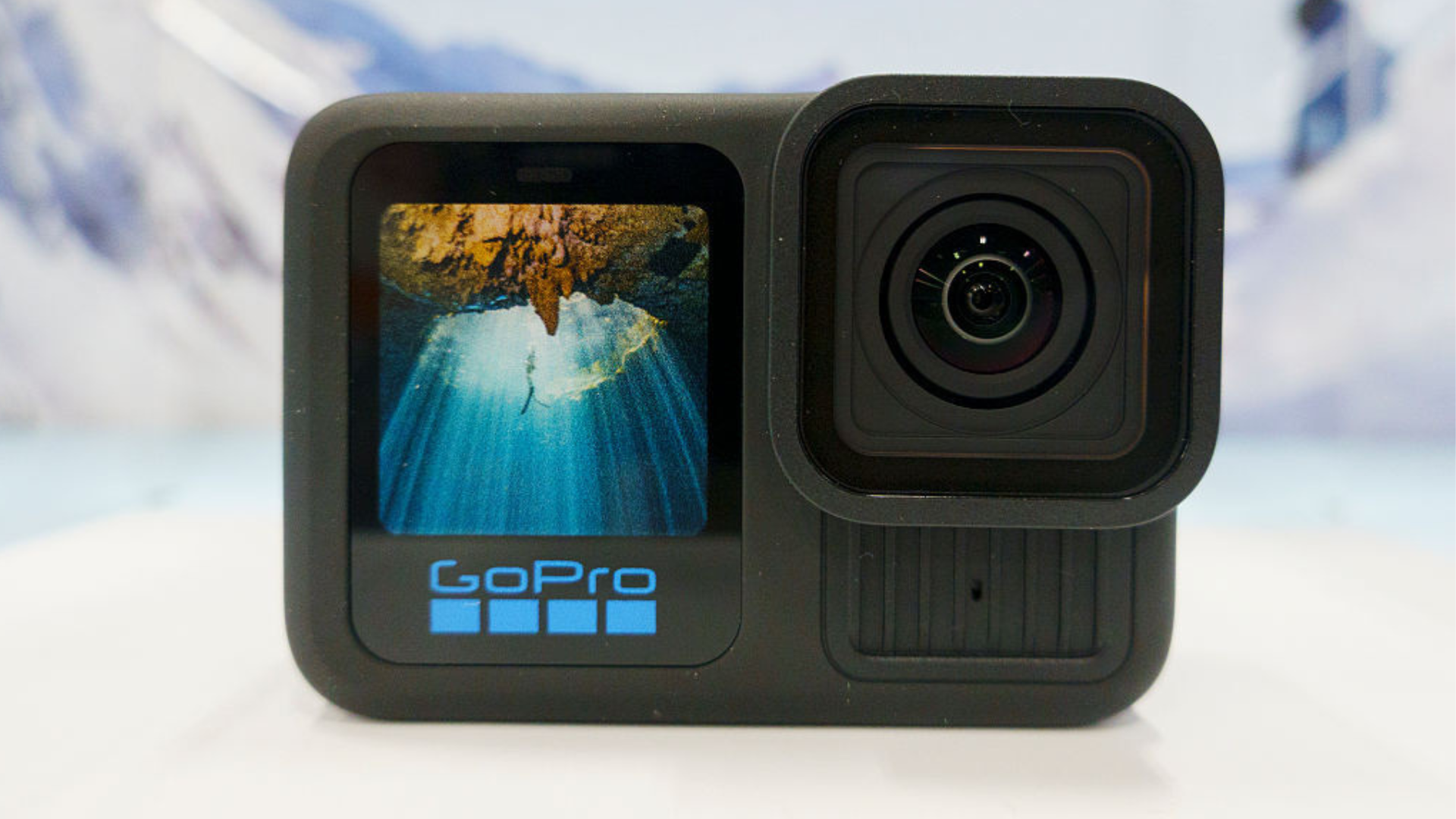
In a move that has sent shockwaves through both the consumer electronics and industrial hardware sectors, action camera pioneer GoPro has announced a definitive agreement to merge with Starman Optical, Inc., an emerging leader in optical-photonics. The transaction, valued at $285 million in cash, marks a dramatic transformation for the San Mateo-based camera maker, signaling its departure from a pure-play consumer hardware model toward the high-growth, high-stakes world of AI-driven data center infrastructure.
The Financial Framework of the Merger
The deal, finalized in the wake of significant financial turbulence for GoPro, dictates that Starman Optical will acquire the company for $1.14 per share. Beyond the $285 million cash payout to shareholders, Starman has committed to assuming and clearing GoPro’s outstanding debt, which stands at approximately $92 million.
Perhaps most notably, the agreement allows current GoPro investors to retain a 10% equity stake in the newly combined entity. This provision is designed to provide existing stakeholders with exposure to the future potential of the merged company’s new direction. For Starman Optical, the primary draw is the acquisition of GoPro’s vast intellectual property portfolio—a collection of more than 2,500 patents covering advanced imaging, lens design, and sensor technology.
Chronology of a Corporate Pivot
The road to this merger was paved by years of mounting pressure on the action camera market.
- 2023–2024: The Stagnation Period: As consumer interest in action cameras plateaued and market saturation became apparent, GoPro faced consistent year-over-year revenue declines. Increased competition from smartphone cameras and specialized budget manufacturers chipped away at the company’s margins.
- Early 2026: The "Substantial Doubt" Warning: The situation reached a breaking point earlier this year when GoPro’s regulatory filings included a cautionary note regarding "substantial doubt about the company’s ability to continue." This signaled to the market that a fundamental shift was required to avoid insolvency.
- Mid-2026: Engagement with Starman: Negotiations between GoPro and Starman Optical progressed rapidly as both parties identified a synergy between the camera maker’s optical expertise and the data center industry’s desperate need for high-speed connectivity solutions.
- Q3 2026: Formal Announcement: The companies officially unveiled the merger agreement, positioning the deal as a necessary evolution rather than a simple exit strategy.
Supporting Data: Why AI Data Centers?
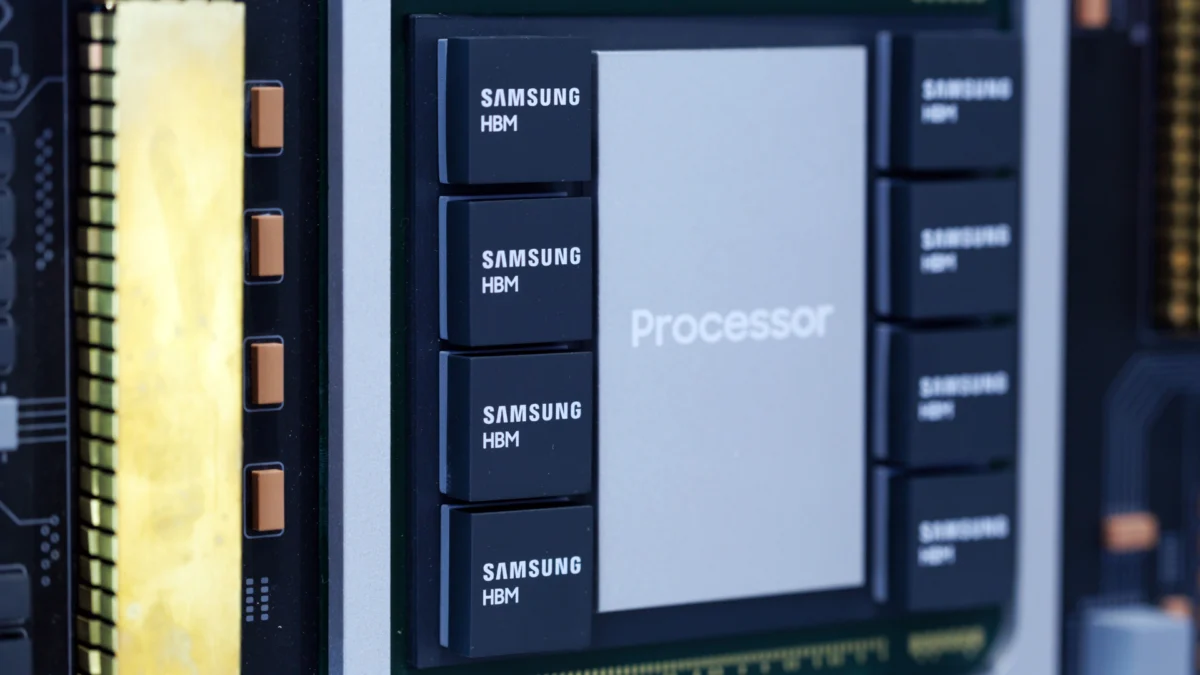
The strategic rationale behind this merger lies in the explosive demand for optical transceivers—the hardware components that allow fiber optic cables to connect with networking switches and routers. As artificial intelligence models scale in complexity, the demand for bandwidth inside data centers has reached unprecedented levels.
According to research from PricewaterhouseCoopers, total global investment in AI data center infrastructure is projected to hit a staggering $32 trillion by 2050. This spending is anticipated to exceed the capital requirements of previous monumental infrastructure projects, including global railway expansion, electrification, and the initial rollout of the internet.
By entering this space, GoPro and Starman aim to leverage the "imaging DNA" of the camera company. Advanced lenses and high-precision sensors, once used for capturing extreme sports, are technically related to the optical pathways required for high-speed data transmission in data centers.
Domestic Manufacturing and Regulatory Security
A critical driver for this merger is the desire to capitalize on the increasing trend of "onshoring" critical technology. GoPro has spent the last several years successfully transitioning its supply chain out of China to mitigate the impact of U.S. tariffs. However, the company lacked a domestic manufacturing footprint.
The merger with Starman provides an immediate pathway to U.S.-based production. This is particularly timely given the current regulatory climate. The Federal Communications Commission (FCC) has been aggressively moving to restrict foreign-manufactured technology, citing national security concerns. Recent bans on foreign routers, LiDAR-equipped drones, and specific categories of robotics have created a vacuum in the domestic market. By establishing a U.S.-based supply chain for optical transceivers, the combined entity is positioning itself to be a preferred supplier for government, defense, and aerospace contracts—sectors where supply chain integrity is a prerequisite.
Industry Precedents: The Pivot Phenomenon
GoPro is not the first company to view the AI gold rush as a lifeline for a struggling business model. Earlier this year, the apparel and footwear brand Allbirds made a similarly dramatic pivot. Faced with declining retail sales, the company announced a shift toward becoming a "GPU-as-a-service" and AI cloud solutions provider.
The market reaction to the Allbirds announcement was explosive, with the company’s stock price jumping 580% in a single day as speculators flocked to any firm associated with AI infrastructure. While Allbirds’ stock eventually cooled, the event underscored the massive appetite among investors for any company capable of aligning its resources with the infrastructure needs of the AI revolution.
Implications: The Road Ahead
The merger of GoPro and Starman Optical represents a high-stakes bet that the "imaging" expertise of a consumer brand can be successfully translated into the "connectivity" needs of the next generation of data centers.
Potential Benefits
- Survival and Stability: The cash injection and debt clearance immediately remove the threat of insolvency that has haunted GoPro throughout 2026.
- Market Diversification: Moving away from the volatile consumer electronics market into the B2B infrastructure space provides a more stable, long-term revenue stream.
- Government Contracting: By aligning with U.S. manufacturing standards, the new company becomes eligible for lucrative defense and federal infrastructure contracts that are currently restricted for foreign entities.
Risks and Challenges
- Execution Risk: Transforming a consumer-facing brand into an industrial component manufacturer is notoriously difficult. The cultural and operational differences between producing action cameras and precision optical transceivers are significant.
- Market Competition: The optical transceiver market is already home to established, highly specialized competitors. GoPro/Starman will need to prove that their technology is not only competitive but superior to legacy providers.
- Intellectual Property Integration: While GoPro’s 2,500 patents are a valuable asset, the ability to repurpose this IP for networking hardware rather than imaging remains an engineering challenge that has yet to be proven at scale.
Conclusion: A New Chapter or a Final Act?
For the loyal base of GoPro users, the news brings a mix of uncertainty and relief. The brand name may persist, but the company’s mission is clearly shifting toward the backbone of the internet. Whether this merger is viewed in history as a brilliant pivot that saved an iconic brand or a desperate scramble to find relevance in the age of AI remains to be seen.
What is certain is that the landscape of American manufacturing is changing. As the lines between consumer electronics and industrial-grade AI infrastructure continue to blur, companies like GoPro are finding that their survival may depend on their ability to move their focus from the camera lens to the fiber optic link. The success of this merger will likely serve as a litmus test for other legacy hardware firms looking to reposition themselves as essential cogs in the $32 trillion AI machine.

 Muslim
 Evan Lee Salim