

Los Angeles, CA – In a significant move poised to reshape the landscape of independent game development, former NetEase executive Simon Zhu has officially launched GreaterThan Group (GTG), a new holding company that promises to marry substantial funding with unprecedented creative autonomy for game creators. Bolstered by an initial $40 million in funding and an additional $60 million in commitments, GTG is immediately making waves with its first three studio investments, notably attracting industry titans Casey Hudson and David Vonderhaar, alongside a strategic focus on Japanese anime IPs.
GTG’s audacious entry into the market signals a deliberate effort to address the mounting challenges faced by developers in an increasingly complex and consolidated industry. Zhu’s vision emphasizes a return to foundational principles: empowering talented creators to pursue their dream projects, free from the often-restrictive pressures of traditional publishing models.
Main Facts: A New Paradigm for Game Creation
GreaterThan Group (GTG) represents a fresh chapter in the gaming industry, founded by Simon Zhu, a veteran known for his strategic investments and partnerships during his tenure at NetEase. The company has successfully secured an impressive initial war chest of $40 million in funding, complemented by an additional $60 million in committed capital, totaling a formidable $100 million designed to fuel its ambitious portfolio.
GTG’s inaugural investments are strategically placed across three distinct studios, each led by renowned figures in their respective fields:
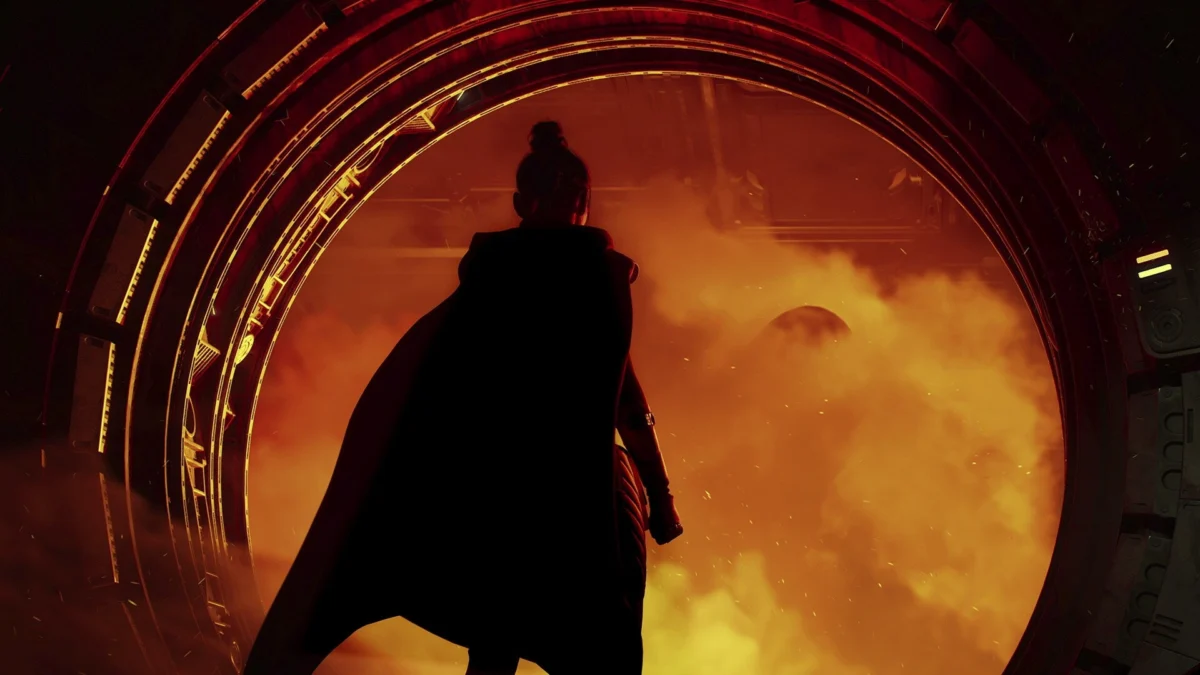
- Arcanaut Studios (Edmonton): Spearheaded by Casey Hudson, the acclaimed game director behind seminal titles such as Star Wars: Knights of the Old Republic and the beloved Mass Effect trilogy. Arcanaut Studios has already captured global attention with the announcement of its debut title, Star Wars: Fate of the Old Republic, unveiled to considerable fanfare at The Game Awards 2025. This title not only marks Hudson’s return to the Star Wars universe but also promises to build upon the rich narrative legacy he helped establish.
- BulletFarm (Los Angeles): Under the leadership of David Vonderhaar, the former studio design director at Treyarch, known for his instrumental role in shaping the iconic Call of Duty franchise. BulletFarm is currently in the nascent stages of developing an ambitious new first-person multiplayer/co-operative title, a genre Vonderhaar has profoundly influenced throughout his distinguished career.
- MAGship (Tokyo): Guided by Masato Saki, a former Konami executive who was pivotal during the international expansion of the Yu-Gi-Oh! franchise. MAGship’s mandate is unique within GTG, focusing on investments in Japanese anime projects. This strategic pillar is designed to form a core component of GTG’s broader intellectual property strategy, signaling a potential cross-media approach that transcends traditional gaming.
A defining characteristic of GTG’s operational model is its innovative co-ownership structure. The founding teams of each studio share ownership in their respective ventures while also holding shared equity in GTG itself. This integrated approach is designed to align incentives across the entire group, fostering a collaborative ecosystem where individual studio success directly contributes to the collective growth and prosperity of GreaterThan Group. This model aims to grant leadership both direct ownership of their creative endeavors and a vested interest in the overarching success of the parent company, promoting a unified vision and shared accountability.
While specific investors remain undisclosed due to privacy considerations, Simon Zhu has indicated to Bloomberg that the capital originates from a collective of experienced gaming and technology entrepreneurs. Furthermore, GTG is not limiting its scope to these three foundational studios; the company is actively pursuing collaborations with other creators to incubate additional "innovative projects," hinting at a dynamic and expanding portfolio for the future.
Chronology: From NetEase Leadership to GreaterThan Vision
Simon Zhu’s journey to the helm of GreaterThan Group is rooted in a distinguished career at the forefront of the global gaming industry, most notably during his impactful tenure at NetEase.
The NetEase Era: A Legacy of Strategic Growth
Before envisioning GTG, Zhu served as the President of Global Investments and Partnerships at NetEase, one of China’s largest internet and gaming companies. In this pivotal role, he was instrumental in shaping NetEase’s international expansion and strategic portfolio. His leadership saw NetEase make significant inroads into global markets and forge key partnerships that brought acclaimed titles to a wider audience.
Under Zhu’s guidance, NetEase invested in and supported a range of successful projects that resonated with players worldwide. He played a crucial role in the development and market penetration of titles such as Sky: Children of the Light, a critically acclaimed social adventure game; Marvel Snap, the hugely popular digital collectible card game; and Fall Guys, the quirky battle royale sensation. Beyond direct investments, Zhu was also a key architect in facilitating the entry of Mojang’s globally beloved Minecraft into the challenging and lucrative Chinese market, a testament to his strategic acumen and understanding of diverse cultural landscapes. These successes underscored his ability to identify promising ventures and navigate complex international business environments.
A Pivotal Departure and the Seeds of GTG
Zhu’s departure from NetEase occurred last year, coinciding with a period where the firm began to reduce its investments in several studios. Notably, this included a scaling back of commitments to BulletFarm, a studio that would later find a new home and renewed backing under GTG. This transition period was evidently a catalyst for Zhu to conceptualize a new model for game development funding—one that he felt could better serve creators and foster long-term innovation.
His experience at NetEase, particularly observing the shifts in investment strategies, likely informed his desire to create a more stable, creator-centric environment. The vision for GTG began to crystallize: a holding company that would not only provide robust financial backing but also grant studios the creative freedom and operational support often elusive in the traditional publisher-developer relationship.
The Birth of GreaterThan Group and Its Initial Portfolio
Following his departure, Zhu swiftly moved to establish GreaterThan Group, securing substantial funding that speaks volumes about his reputation and the compelling nature of his new business model. The rapid formation and significant capitalization of GTG allowed for the immediate identification and backing of three key studios, each led by individuals with whom Zhu likely had existing relationships or deep respect for their industry contributions.
- Arcanaut Studios and Casey Hudson: The decision to back Casey Hudson’s Arcanaut Studios was a powerful statement. Hudson, a legendary figure from BioWare, brings a proven track record of crafting immersive, narrative-driven experiences. The quick turnaround from GTG’s launch to the announcement of Star Wars: Fate of the Old Republic at The Game Awards 2025 highlights both the readiness of Hudson’s team and GTG’s strategic intent to launch with high-profile projects.
- BulletFarm and David Vonderhaar: Re-engaging with David Vonderhaar’s BulletFarm, a studio previously impacted by NetEase’s shifting investment priorities, underscores GTG’s commitment to backing established talent and offering a stable platform for development. Vonderhaar’s expertise in first-person multiplayer experiences is invaluable, and GTG provides the necessary resources for his team to bring their next vision to life.
- MAGship and Masato Saki: The inclusion of MAGship, led by Masato Saki, signifies a broader strategic play. Saki’s background in leveraging popular IPs, particularly from Konami’s Yu-Gi-Oh! era, positions MAGship to tap into the booming global market for Japanese anime. This move indicates GTG’s ambition to build a diverse IP portfolio that extends beyond traditional Western-centric game development.
The rapid succession of these events – from Zhu’s departure from a major corporation to the launch of a new, well-funded entity backing high-profile studios – illustrates a meticulously planned and swiftly executed strategy aimed at making an immediate and lasting impact on the global gaming industry.
Supporting Data: Contextualizing GTG’s Arrival
GreaterThan Group enters a gaming industry marked by both unprecedented growth and significant challenges for developers. Understanding this landscape provides crucial context for GTG’s unique approach and its potential impact.
The Evolving Landscape of Game Development
The modern era of game development is characterized by rising production costs, increasing competition for player attention, and a persistent tension between creative vision and commercial viability. Large publishers often prioritize proven formulas and aggressive monetization strategies, sometimes at the expense of developer autonomy and innovative risk-taking. This environment has led to a cycle of studio acquisitions, consolidations, and, unfortunately, periodic layoffs, creating an unstable ecosystem for many creative teams.
Indie developers, while enjoying greater accessibility to tools and distribution platforms, still grapple with securing adequate funding and marketing support to break through the noise. Mid-sized studios, too, often find themselves caught between the demands of large publishers and the allure of greater independence. This backdrop makes GTG’s promise of "full funding, end-to-end support, and autonomy" particularly appealing.
A New Model for Developer Empowerment
GTG’s co-ownership model, where studio leadership holds equity in both their specific venture and the broader GTG entity, stands in contrast to traditional publisher-developer relationships. In many conventional setups, developers receive funding in exchange for relinquishing significant creative control and a large share of their IP. GTG’s approach, by aligning incentives through shared equity, aims to foster a partnership model rather than a hierarchical one. This could lead to:
- Greater Creative Freedom: Developers are empowered to make decisions aligned with their artistic vision, reducing the pressure to conform to external commercial mandates.
- Long-Term Stability: Secure funding and comprehensive support mitigate the financial uncertainties that often plague game projects.
- Reduced Turnover: A sense of ownership and creative fulfillment can help retain top talent, fostering stable and experienced teams.
- Cross-Pollination of Ideas: With shared equity and a collective vision, studios within GTG might find opportunities for collaboration and knowledge sharing that benefit the entire group.
Spotlight on GTG’s Leadership and Projects:
-
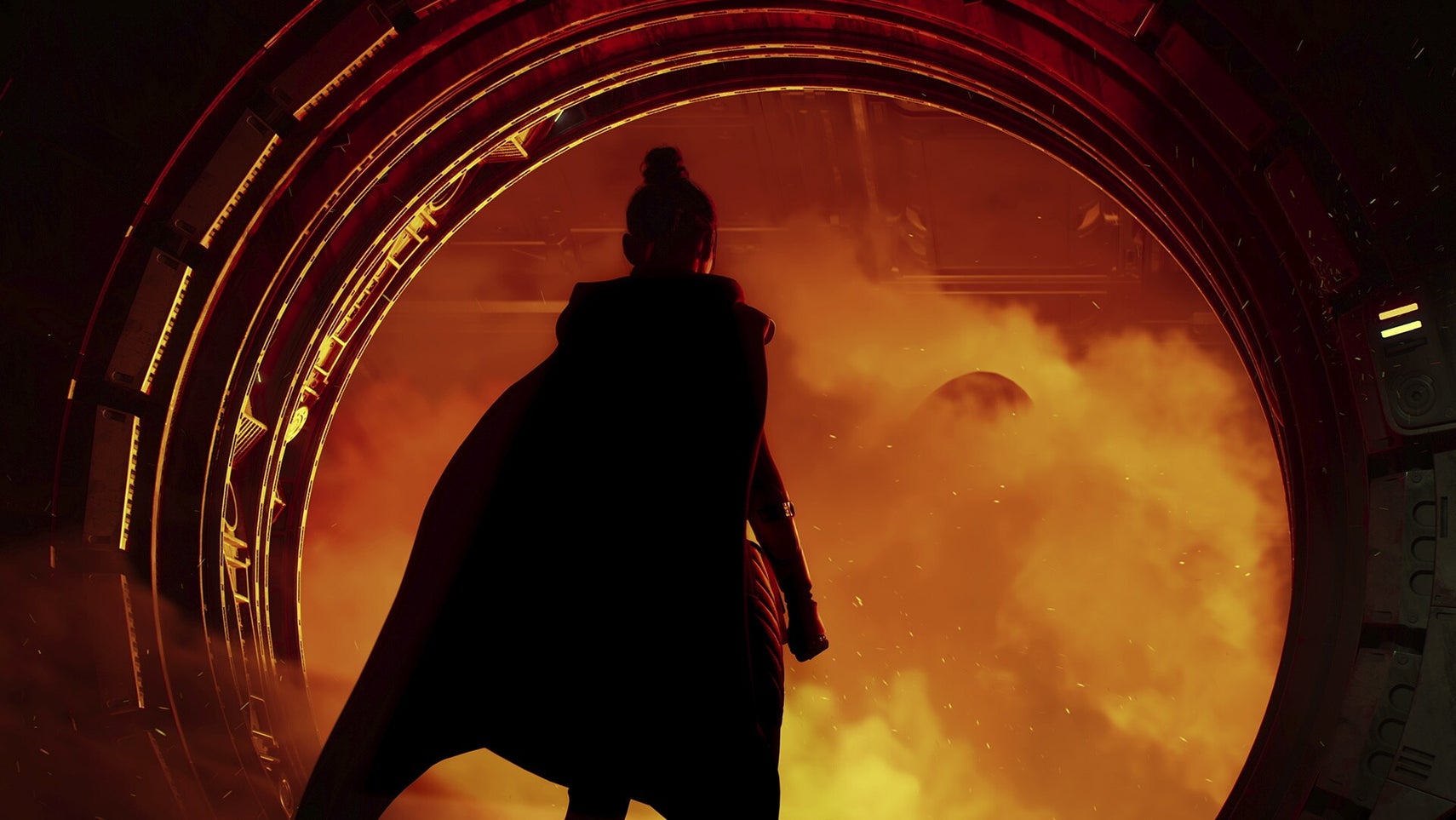
Casey Hudson and Arcanaut Studios: Hudson’s return to a major IP like Star Wars is a significant draw. His work on Knights of the Old Republic defined a generation of RPGs, and the Mass Effect trilogy set new benchmarks for narrative choice and character development. After stints at Microsoft and a brief return to BioWare, followed by the founding of Humanoid Studios, Hudson’s decision to partner with GTG for Star Wars: Fate of the Old Republic suggests a strong belief in Zhu’s vision and the creative environment offered. The Old Republic era of Star Wars is rich with lore and beloved by fans, offering immense potential for a modern RPG under Hudson’s direction. This move also signals a growing trend of veteran developers re-engaging with iconic franchises under new, more flexible structures.
-
David Vonderhaar and BulletFarm: Vonderhaar is synonymous with the Call of Duty franchise, having spent decades at Treyarch shaping its multiplayer experience and overall design. His expertise in first-person shooters, particularly in balancing competitive multiplayer with engaging co-operative elements, is invaluable. The gaming market remains highly receptive to innovative FPS titles, and Vonderhaar’s leadership at BulletFarm, with GTG’s backing, positions them to potentially create a new benchmark in the genre. His departure from a monolithic franchise to an independent studio within GTG further underscores the appeal of greater creative control and a more focused development environment.
-
Masato Saki and MAGship: The inclusion of MAGship, focusing on Japanese anime projects, highlights GTG’s diversified IP strategy. Masato Saki’s experience at Konami, particularly with the global expansion of Yu-Gi-Oh!, demonstrates his acumen in leveraging and growing beloved intellectual properties. The global market for anime and manga is booming, and this venture could see GTG not only investing in existing anime projects but potentially developing new IPs that could spawn games, animated series, and other multimedia ventures. This multi-platform approach offers significant long-term growth potential and positions GTG as a player in the broader entertainment industry, not just gaming.
The Funding Landscape
In a climate where venture capital for gaming has seen fluctuations, GTG’s ability to secure $100 million in total commitments is noteworthy. It signals strong investor confidence in Simon Zhu’s leadership, the caliber of the talent he has attracted, and the viability of his creator-centric model. This substantial funding provides a crucial runway for GTG’s studios, allowing them to focus on quality and innovation without immediate financial pressures. It also positions GTG as a significant new force capable of competing with established publishers for top talent and promising projects.
Official Responses: Simon Zhu’s Vision for a Renewed Industry
At the heart of GreaterThan Group’s formation lies Simon Zhu’s deeply considered philosophy on game development, articulated through his impassioned statements regarding the industry’s current state and GTG’s proposed solutions. His official responses paint a picture of a leader committed to recalibrating priorities and empowering creators.
"Bringing Common Sense Back to the Games Industry"
Zhu’s most striking declaration is that "GTG is bringing common sense back to the games industry." This statement implies a critique of prevailing practices, suggesting that the industry has, in some respects, strayed from its core mission. He clarifies this by asserting, "We’re refocusing on the fundamentals: gaming is first and foremost entertainment. Our job is to give players what they truly want. Great games have always come from the authentic self-expression of their talented creators."
This perspective underscores a belief that commercial pressures and corporate strategies have often overshadowed the creative impulse and the player experience. By "refocusing on the fundamentals," Zhu intends for GTG to prioritize the intrinsic value of games as entertainment, driven by the genuine passion and vision of developers, rather than being dictated solely by market trends or short-term financial gains. The emphasis on "authentic self-expression" directly speaks to the creative autonomy GTG aims to provide, suggesting that the best games emerge when creators are unburdened and allowed to explore their unique ideas.
Addressing Modern Development Challenges
Zhu further elaborated on the increasing difficulty of making quality games in the contemporary landscape. "Making good games has become increasingly challenging in the modern era of game development," he stated. This acknowledges the complexities developers face today, from escalating development costs and technological hurdles to the demands of live service models and the sheer volume of content vying for player attention.
In response to these challenges, Zhu positions GTG as a crucial facilitator: "Our role is to create the right conditions for creators to work on their dream projects, so they can devote the vast majority of their time and energy building their game, free from unnecessary distractions. That’s the proven formula behind most of the greatest games ever made." This outlines GTG’s operational ethos: providing a sanctuary where development teams can concentrate solely on their craft. The "unnecessary distractions" likely refer to the myriad non-development tasks and pressures often imposed by traditional publishers, such as managing external marketing campaigns, navigating complex financial reporting, or adhering to rigid development roadmaps that stifle innovation. By abstracting these concerns, GTG aims to recreate an environment reminiscent of the "golden age" of game development, where creative vision often took precedence.
The Appeal for Seasoned Creators (Inferred)
While Casey Hudson, David Vonderhaar, and Masato Saki have not yet issued public statements regarding their partnership with GTG, their decision to join Simon Zhu’s venture speaks volumes. For veterans like Hudson, who has navigated the corporate structures of major studios and even launched his own independent venture previously, the promise of "full funding, end-to-end support, and autonomy" would be immensely appealing. It suggests an opportunity to return to crafting the kind of expansive, narrative-rich experiences he is known for, without the common constraints.
Similarly, David Vonderhaar, with decades of experience shaping one of the world’s largest gaming franchises, would likely be drawn to an environment that offers creative freedom for a new IP. The chance to build something from the ground up, with robust financial backing but without the pressures of an annual release cycle or entrenched franchise expectations, represents a significant opportunity.
For Masato Saki, the unique focus of MAGship on Japanese anime projects within GTG’s IP strategy would allow him to leverage his specific expertise in a dynamic and growing market, again with the support and infrastructure to execute a long-term vision.
These inferred motivations align perfectly with Zhu’s stated aim: to empower "talented creators" by providing them with the "right conditions" to realize their "dream projects." GTG’s model, therefore, is not just about investment; it’s about a philosophical commitment to fostering creativity and craftsmanship in an industry that increasingly needs it.
Implications: Shaping the Future of Gaming
The emergence of GreaterThan Group and its distinctive approach carries significant implications for game development, investment strategies, and the broader entertainment industry. Simon Zhu’s venture is not merely another investment fund; it is a deliberate attempt to engineer a more sustainable and creatively fulfilling ecosystem for game creators.
A Potential Blueprint for Developer-Centric Models:
GTG’s co-ownership structure and commitment to studio autonomy could serve as a powerful model for future investment and publishing entities. If successful, this developer-centric approach might encourage other investors and holding companies to adopt similar strategies, moving away from more extractive publisher-developer relationships. The emphasis on "full funding, end-to-end support, and autonomy" directly addresses long-standing complaints from developers about creative interference, tight deadlines, and insufficient resources. A proven GTG model could fundamentally shift industry standards, making creative freedom a more central component of funding agreements.
Innovation and Risk-Taking:
By shielding studios from immediate commercial pressures and providing a stable financial runway, GTG is fostering an environment ripe for innovation. Developers like Casey Hudson and David Vonderhaar, renowned for their impactful contributions, now have the opportunity to pursue ambitious projects without the typical constraints that often push studios towards safer, more conventional designs. This could lead to the creation of groundbreaking titles that challenge genre conventions, explore complex narratives, or introduce novel gameplay mechanics. Star Wars: Fate of the Old Republic, for instance, under Hudson’s direction and with such backing, has the potential to redefine modern RPGs within the beloved universe.
Competitive Landscape and Talent Attraction:
GTG’s substantial funding and creator-friendly model immediately position it as a formidable competitor for top talent. In an industry where skilled developers are highly sought after, GTG’s promise of ownership, support, and freedom will be a powerful magnet. This could lead to a "brain drain" from larger, more rigid corporations towards entities that prioritize developer well-being and creative output. Existing publishers may need to reassess their own models to retain and attract talent, potentially leading to a healthier, more competitive environment across the board.
Diversified IP Strategy and Cross-Media Potential:
The inclusion of MAGship and its focus on Japanese anime projects highlights GTG’s ambition beyond traditional Western game development. This strategic diversification into anime IP not only taps into a massive global market but also opens avenues for cross-media adaptations. A successful anime project could spawn games, manga, merchandise, and vice versa, creating a synergistic ecosystem of intellectual properties. This positions GTG not just as a gaming company, but as a broader entertainment content provider, potentially blurring the lines between different media forms and expanding its global footprint.
Challenges and Risks:
Despite its promising start, GTG will face inherent challenges. Managing a diverse portfolio of studios, each with distinct creative visions and development needs, will require robust oversight and support infrastructure. While autonomy is key, maintaining a cohesive "GreaterThan Group" identity and fostering collaboration without stifling individuality will be a delicate balancing act. Furthermore, the inherent risks of game development – market saturation, unforeseen technical hurdles, and the ever-present challenge of delivering on high player expectations – remain, regardless of funding and freedom. The success of its initial slate of games will be crucial in validating GTG’s model and attracting future talent and investment.
Long-Term Vision and Legacy:
Ultimately, GTG’s stated aim to deliver games that "leave a legacy" speaks to a long-term vision that transcends quarterly earnings reports. By investing in proven talent and fostering environments where creativity can flourish, Simon Zhu is aiming to cultivate enduring franchises and meaningful player experiences. If GTG can consistently deliver on this promise, it could establish itself as a beacon for quality, innovation, and ethical game development, leaving a lasting impact on how games are made and perceived for generations to come. The industry will be watching closely to see if GTG can indeed bring its "common sense" approach to fruition and redefine what it means to be a successful player in the global entertainment landscape.










No comments yet. Be the first to join the conversation!