

The Croisette has once again transformed into the world’s most volatile and prestigious trading floor. As the 2026 Cannes Film Festival unfolds, the air in the Palais des Festivals is thick with the familiar, frantic energy of acquisition executives, streamers, and indie titans fighting for the next breakout sensation. Last year, the market provided a masterclass in the risks and rewards of festival gambling; while Neon walked away with the crown jewel—the Palme d’Or winner It Was Just an Accident—and found success with The Secret Agent and Siråt, other high-profile acquisitions like MUBI’s Die, My Love and Sound of Falling struggled to find their footing upon reaching North American shores, despite glowing critical appraisals at the festival.
This year, the narrative is shifting. Neon enters the fray with an aggressive, dense slate, yet there is a palpable industry-wide anxiety regarding the scarcity of American-produced features. As the market reaches its midpoint, the central question remains: How will the shifting tides of the theatrical landscape and the dominance of prestige streamers dictate the value of this year’s acquisitions?
A Chronology of Acquisitions: The Race for the Best
The acquisition market at Cannes is never a monolith; it is a tale of two halves: the films that arrive with a home already secured, and the wild cards that incite bidding wars in the heat of the festival.

Acquired During the Festival: The "Club Kid" Phenomenon
The undisputed sensation of the 2026 festival thus far is "Club Kid," directed by and starring the multi-hyphenate Jordan Firstman. Set against the backdrop of a gritty, modern-day New York, the film—which follows a washed-up party promoter blindsided by the sudden appearance of an estranged child—triggered a frantic, high-stakes bidding war.
A24 eventually secured the rights, besting nearly every major independent distributor in the process. With a cast that includes Cara Delevingne, Diego Calva, and newcomer Reggie Absolom, and bolstered by the production expertise of Anora producer Alex Coco and Topic Studios’ team, "Club Kid" is being positioned as the commercial-yet-edgy crossover hit that defines a festival run.
Pre-Sold and Pre-Festival Acquisitions
Before the red carpet was even unrolled, several distributors had already staked their claims on the competition slate, ensuring their presence in the conversation from the opening night.

- The Restoration Event: Warner Bros.’ new boutique label, Clockwork, has made an audacious debut with the acquisition of Ken Russell’s legendary, long-suppressed masterpiece "The Devils." By positioning this uncut restoration as the definitive version Russell always intended, Clockwork is tapping into a deep vein of cinephile nostalgia. Following its premiere in Cannes Classics, the film will see a limited theatrical engagement starting October 16, marking the first real test of Clockwork’s brand identity following the earlier announcement of Sean Baker’s Ti Amo.
- The Neon Powerhouse: Neon continues its strategic dominance of the competition slate. They have locked in "Paper Tiger," the latest crime thriller from James Gray. Featuring an A-list ensemble of Adam Driver, Scarlett Johansson, and Miles Teller, the film explores the dark side of the American Dream through the lens of the Russian Mafia. It stands as one of the few major American-backed productions in the competition, making it a critical asset for the distributor.
- Auteur Collaborations: Neon has also solidified its partnership with global auteurs, including Ryusuke Hamaguchi on "All of a Sudden," and Cristian Mungiu on "Fjord," a timely drama starring Sebastian Stan and Renate Reinsve. Furthermore, the company has secured Nicolas Winding Refn’s "Her Private Hell," a stylized, futuristic spectacle that promises the kind of visceral violence and aesthetic flair that defined Refn’s Drive.
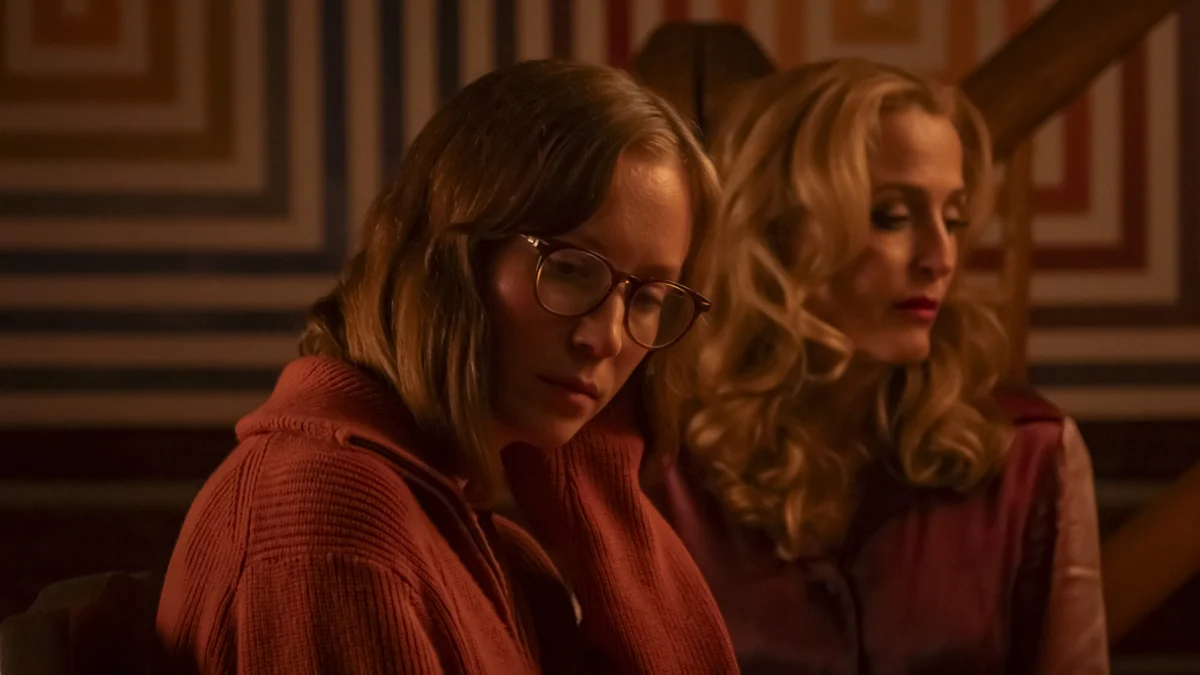
- The MUBI Strategy: MUBI is betting big on high-concept international fare, most notably with Andrey Zvyagintsev’s "Minotaur," his first film in nearly a decade. Additionally, the streamer-distributor has picked up Jane Schoenbrun’s highly anticipated queer horror comedy "Teenage Sex and Death at Camp Miasma," starring Hannah Einbinder and Gillian Anderson, a project that aims to capitalize on the cult success of Schoenbrun’s I Saw the TV Glow.
Supporting Data: The Shifting Slate
The 2026 Cannes slate reflects a broader industry trend toward "elevated genre" and the return of the mid-budget drama. While the total number of films on the market remains consistent with previous years, the geographic and thematic distribution has shifted.
| Film Title | Director | Distributor | Section |
|---|---|---|---|
| Paper Tiger | James Gray | Neon | Competition |
| Minotaur | Andrey Zvyagintsev | MUBI | Competition |
| All of a Sudden | Ryusuke Hamaguchi | Neon | Competition |
| Club Kid | Jordan Firstman | A24 | Un Certain Regard |
| The Samurai and the Prisoner | Kiyoshi Kurosawa | Janus Films | Cannes Premieres |
| Teenage Sex and Death… | Jane Schoenbrun | MUBI | Un Certain Regard |
| Victorian Psycho | Zachary Wigon | Bleecker Street | Un Certain Regard |
The data suggests a bifurcated market. On one side, we have the "event" films—high-budget international co-productions like Na Hong-Jin’s Hope (starring Michael Fassbender and Alicia Vikander)—which are being acquired as prestige centerpieces. On the other, we see a reliance on established festival darlings like Hirokazu Kore-eda, whose film Sheep in a Box investigates the intersection of AI and human emotion, providing a "safe" bet for distributors looking for critical acclaim.
Official Responses and Industry Sentiment
The mood in the Palais is one of cautious optimism. Speaking at an industry roundtable, one prominent sales agent noted, "The days of buying for the sake of buying are over. We are seeing a correction. Distributors are looking for films that have an identifiable ‘hook’—whether it’s a star like Adam Driver or a genre-bending premise like Victorian Psycho—that can survive the transition from the festival bubble to a VOD release."

Distributors are also responding to the "missing" American films. With the domestic studio system focusing heavily on tentpoles, Cannes has become the primary source for the kind of adult-oriented, character-driven storytelling that used to be the bedrock of independent cinema. This has turned the festival into an essential pipeline rather than just a luxury destination.
Implications: What This Means for the Future
The current state of the Cannes 2026 market carries significant implications for the next twelve months of cinema:
- The "Streamer-Distributor" Hybrid: Companies like MUBI and Neon are successfully bridging the gap between theatrical exclusivity and digital longevity. By acquiring films like Minotaur or Camp Miasma, they are building libraries that define their brand identity in an increasingly crowded streaming space.
- The Rise of the "Genre-Auteur": The success of directors like Zachary Wigon and Jane Schoenbrun indicates that the market is hungry for genre films that are elevated by the "auteur touch." These films are easier to market and often possess a built-in audience that traditional dramas lack.
- The Restoration as a Revenue Stream: The move by Warner Bros. to use their Clockwork label to re-release The Devils suggests that the industry is finally waking up to the commercial viability of high-end restorations. As intellectual property becomes harder to secure, the back catalog is being treated with the same urgency as new acquisitions.
As the festival approaches its final days, the focus will shift from the initial bidding wars to the "sleeper" hits. The films that didn’t generate the initial noise of a Club Kid or a Paper Tiger may yet prove to be the most profitable, provided they can capture the imagination of the international press. For now, the buyers remain vigilant, the directors remain expectant, and the Palais continues to serve as the beating heart of an industry that, despite all challenges, remains relentlessly committed to the power of the moving image.











No comments yet. Be the first to join the conversation!