Evan Lee Salim
By Tay Garcia
Hideo Kojima, a name synonymous with innovation and artistic audacity in the video game industry, has once again pushed the boundaries of conventional game development. His latest venture, the highly anticipated horror title "OD: Knock," faced a gauntlet of skepticism from major publishers before finding its champion in Xbox Game Studios. This journey, as revealed by Kojima himself, underscores the perennial challenge faced by visionary creators in an industry often prioritizing predictable returns over groundbreaking experiences. The tale of "OD: Knock’s" early development is not just about a game; it’s a testament to Kojima’s unwavering commitment to his unique artistic vision and the industry’s evolving landscape.
The Visionary’s Predicament: A Concept Too Radical for Conventional Wisdom
Hideo Kojima has cultivated a formidable reputation as one of gaming’s most distinctive and forward-thinking auteurs. Since his departure from Konami and the establishment of Kojima Productions as an independent entity, the celebrated Japanese storyteller has consistently embraced concepts that defy easy categorization, often blurring the lines between genres and pushing the very definition of interactive entertainment. While the gaming community has grown accustomed to Kojima’s penchant for the unconventional, it appears that even the most established publishers were not prepared for the sheer audacity of his next project. This reluctance, Kojima has revealed, served as a stark reminder of the very reasons he chose to forge his own path.

"OD: Knock," slated for development under the Kojima Productions banner in collaboration with Xbox Game Studios and acclaimed filmmaker Jordan Peele, is poised to be a deeply psychological and terrifying experience. The project has already generated considerable buzz, with many hoping it will fulfill the promise of what the ill-fated "Silent Hills" could have been. However, the road to realizing this ambitious vision was far from smooth.
The Genesis of "OD: Knock": A Journey Through Rejection
The initial conceptualization of "OD: Knock" began during the final stages of development for Kojima’s previous magnum opus, "Death Stranding." Working independently, Kojima started meticulously crafting the framework for a horror experience designed to test the limits of the medium. His goal was to create something truly novel, a game that would linger in the minds of players long after they had put down the controller.
With a clear vision in mind, Kojima embarked on a series of pitches to major players within the gaming industry, seeking a publishing partner who would not only understand but also embrace his radical ideas. The response, however, was uniformly discouraging.

"I pitched to many people, to the big companies, and also to the up-and-coming companies," Kojima recalled in a recent interview with Entertainment Weekly. "All of them said the same thing. They said that I’m crazy, and that they really don’t understand the concept – that they will not be able to do it."
This consistent rejection from established publishers painted a clear picture for Kojima. The industry, driven by a desire for safe investments and predictable revenue streams, appeared unwilling to gamble on an idea that deviated so significantly from established horror tropes and gameplay mechanics. The very uniqueness that made "OD: Knock" so exciting to Kojima was perceived as a risk by these corporate entities.
The "Why Independent?" Moment: A Catalyst for Unfettered Creativity
For Kojima, the overwhelming wave of skepticism served as a powerful validation of his decision to pursue independence. The mainstream gaming industry, often risk-averse and hesitant to venture beyond proven formulas, viewed his groundbreaking concept not as an opportunity for innovation but as a potential financial liability. While traditional publishers sought to replicate past successes, Kojima was driven by the desire to craft an entirely new gameplay paradigm.

The interviews revealed that Kojima was not merely pitching a game with a familiar structure and a fresh coat of paint. He was proposing a fundamental rethinking of horror gameplay, a system designed to immerse players in an unprecedented level of fear and psychological distress. This level of ambition, coupled with the inherent unpredictability of such a novel approach, proved to be too much for many potential partners.
"Traditional publishers wanted safe formulas, but Kojima had other ideas and was looking to create an entirely new gameplay system that no one had ever seen before," the original article states, perfectly encapsulating the core conflict. This stark contrast between corporate conservatism and artistic futurism is a recurring theme in the history of groundbreaking creative endeavors, and "OD: Knock’s" early development is no exception.
Finding a Champion: Xbox’s Embrace of Kojima’s Vision
The narrative took a significant turn when Kojima found a receptive audience in Xbox Game Studios. Recognizing the immense potential and the unique artistic merit of "OD: Knock," Microsoft embraced Kojima’s vision with open arms. This partnership signifies a crucial shift, demonstrating that there are still major players within the industry willing to invest in ambitious and unconventional projects.

Xbox’s commitment extends beyond mere financial backing. The partnership provides Kojima Productions with the necessary creative freedom and access to advanced cloud technology, which are essential for realizing the full scope of Kojima’s ambitious plans for "OD: Knock." This technological advantage is particularly relevant for a game aiming to push the boundaries of immersion and psychological horror.
The star-studded cast further amplifies the anticipation for "OD: Knock." The game will feature a compelling lineup of talent, including Sophia Lillis ("It"), Hunter Schafer ("Euphoria"), and the late, iconic Udo Kier ("Bacurau"). Their involvement not only lends significant prestige to the project but also hints at the depth and complexity of the narrative Kojima is aiming to deliver.
The Core of "OD: Knock": Overdosing on Terror and Accessibility
True to its enigmatic title, the ultimate objective of "OD: Knock" is to deliver an experience that players will find overwhelmingly terrifying, pushing them to the brink of psychological endurance. Kojima has openly stated his ambition to create the scariest single-player game ever made.

However, in true Kojima fashion, the pursuit of pure terror is balanced with a thoughtful consideration for player accessibility. Recognizing that an unrelenting onslaught of fear can be prohibitive for some, Kojima has teased the implementation of a unique, yet to be fully revealed, system. This unannounced mechanism is designed to assist players in navigating the game’s most terrifying moments, ensuring they can continue to progress even when the horror becomes almost unbearable. This dual focus on extreme fear and supportive accessibility showcases Kojima’s nuanced approach to game design, aiming to create an experience that is both profoundly impactful and broadly engaging.
Implications for the Industry: A Beacon for Creative Risk-Taking
The journey of "OD: Knock" from rejection to development offers valuable insights into the current state of the video game industry. It highlights the enduring tension between commercial viability and artistic innovation. While many publishers remain cautious, prioritizing established genres and predictable outcomes, Kojima’s collaboration with Xbox serves as a powerful counterpoint.
This partnership signals a potential shift, suggesting that a willingness to embrace bold, experimental concepts can lead to significant opportunities. For aspiring game developers and established creators alike, Kojima’s experience with "OD: Knock" provides a much-needed dose of optimism. It underscores the importance of staying true to one’s artistic vision, even in the face of considerable resistance.
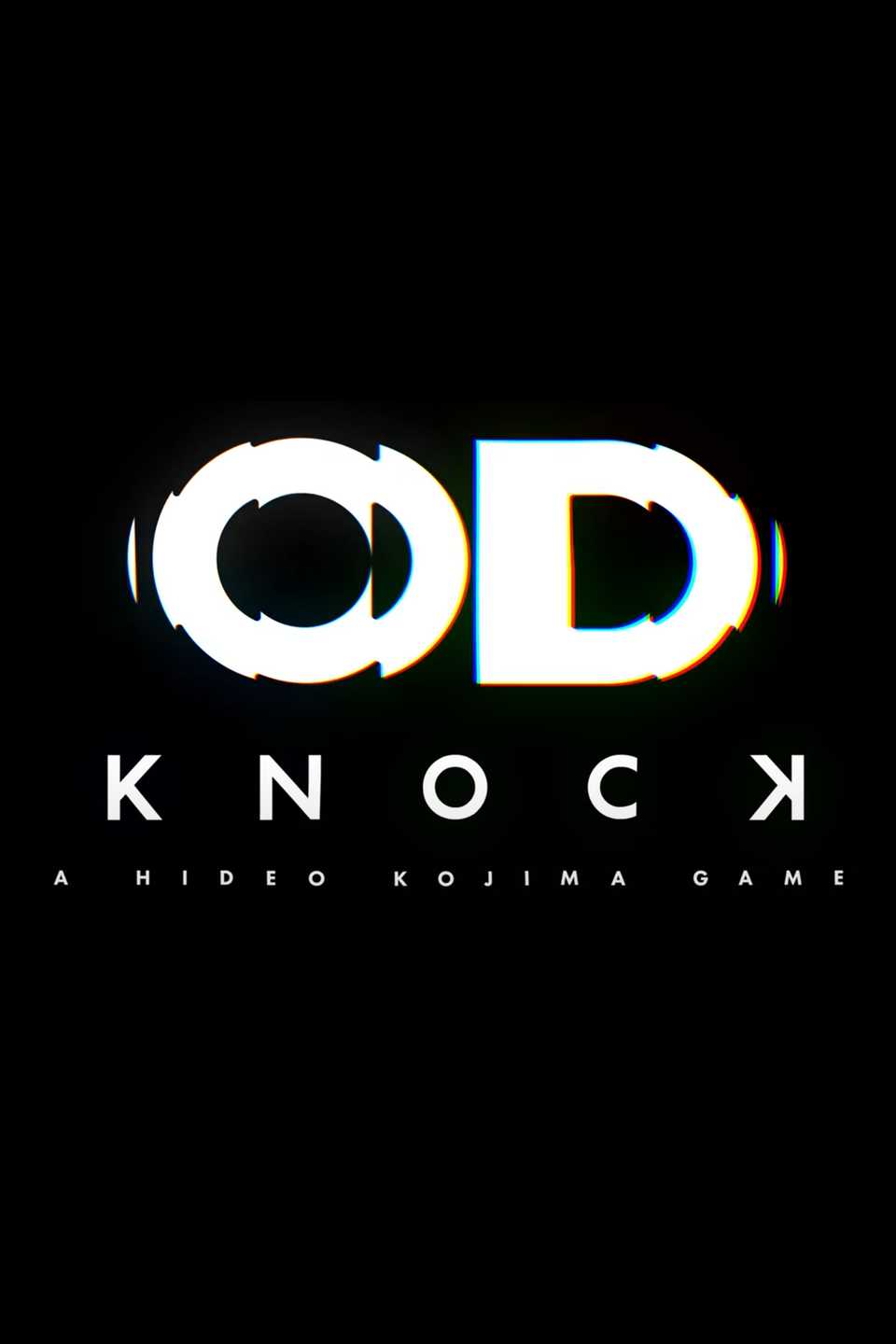
While details regarding the specific gameplay mechanics of "OD: Knock" remain under wraps, the knowledge that Kojima is steadfastly adhering to his creative principles, refusing to allow corporate interests to dilute his vision, is immensely reassuring for fans of his work. The anticipation for "OD: Knock" is palpable, fueled not only by the promise of a terrifying horror experience but also by the inspiring story of a master storyteller who refused to compromise his artistic integrity. The game is poised to be more than just a horror title; it’s a statement about the future of creative expression in the video game medium.
The ongoing development of "OD: Knock" will undoubtedly be closely watched by industry observers, developers, and players alike. Its success or failure will hold significant implications for how future unconventional game concepts are received and funded within the global gaming landscape. For now, the gaming world waits with bated breath, eager to experience the unique brand of terror that only Hideo Kojima can deliver.


 Lina Irawan
 Sagoh
Sagoh